Taiwan Security Monitor

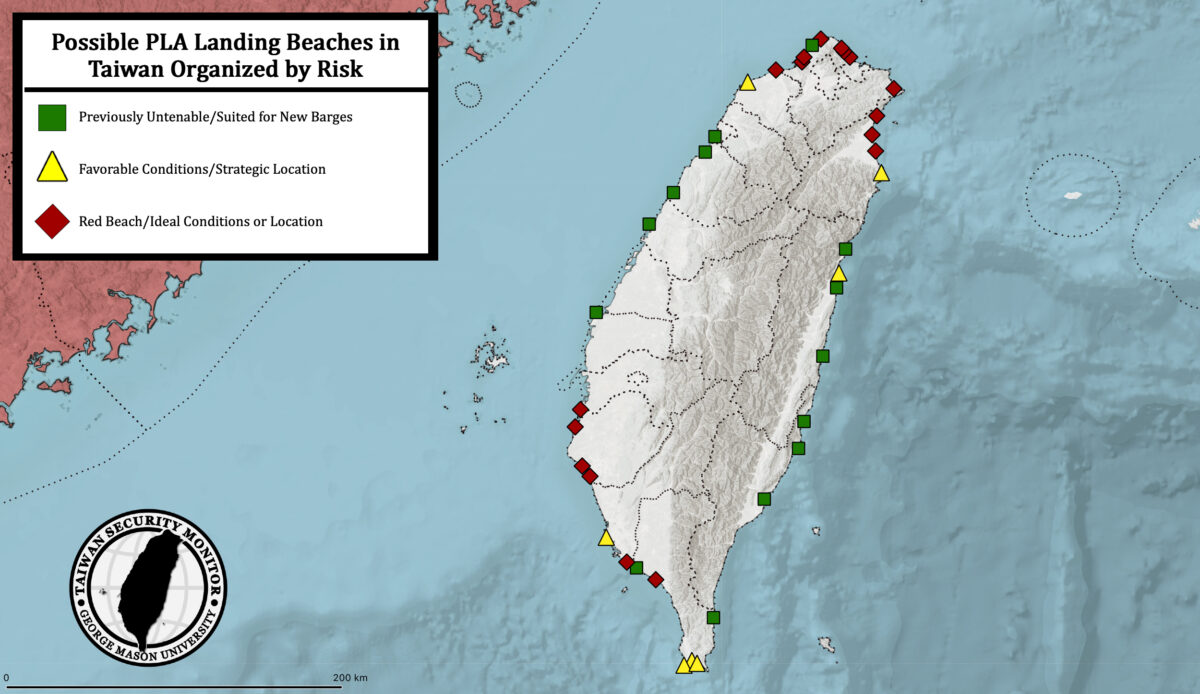
Visualization: PLA’s Barge Capability and Taiwan

Author: TSM Researchers


The PLA’s evolving barge capability represents a challenge to the “red beach” system for designation of high risk areas for amphibious landings.

This map visualizes that challenge, with green markers showing areas now partially accessible with the aid of barge and RORO ships.
Taiwan Arms Sale Backlog, January 2025 Update

F-16 Delays and New Contracts

By Eric Gomez and Joseph Oโ€™Connor

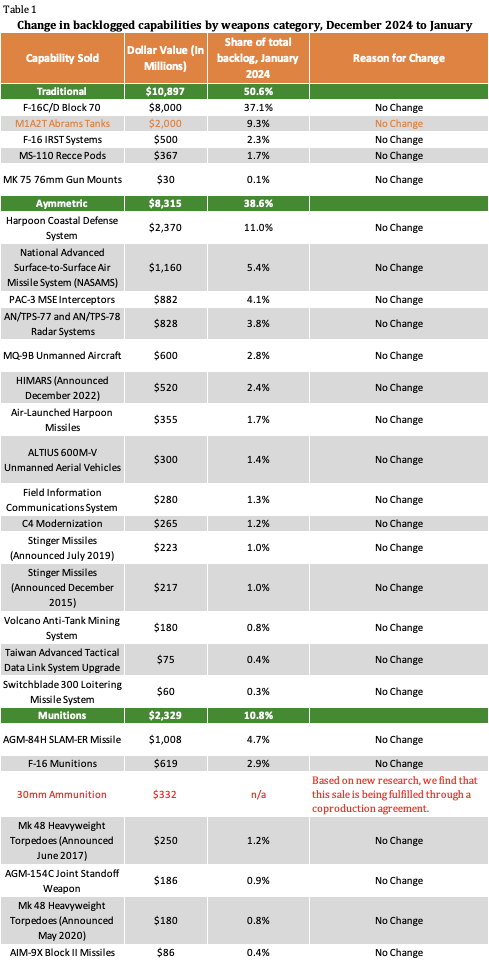
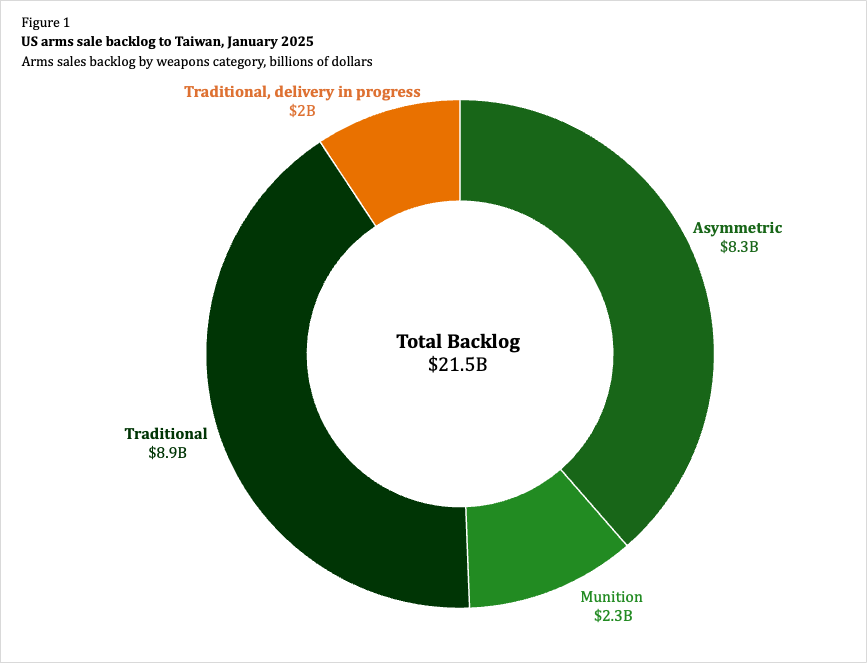
The US arms sale backlog to Taiwan is slightly reduced from December 2024 thanks to new research conducted by the Taiwan Security Monitor team. There were no new foreign military sales (FMS) cases announced in January 2025 or announcements of full deliveries. However, we have removed a $332 million sale of 30mm ammunition from the backlog, which results in a new total backlog value of $21.54 billion.

Figure 1 shows how the arms sale backlog is divided across weapons categories. The 30mm ammunition FMS case was coded as Munitions in the dataset. The different color for the Abrams sale, coded as a Traditional weapon system, indicates that deliveries of the sale have started but have not finished.

The two other noteworthy developments in the arms backlog this month are new information about delivery delays for F-16 Block 70/72s and contract announcements for air defense systems that were notified to Congress in the last few months of the Biden administration.

Sources: Defense Security Cooperation Agency: Press Release, US Congressional Record; โ€œMajor Arms Sales,โ€; DCSA Release; DCSA Major Arms Sales; DCSA Press Media TECRO; SIPRI Arms Transfers Database, Stockholm International Peace Research Institute; US Congressional Record; โ€œMajor Arms Sales,โ€ Defense Security Cooperation Agency; โ€œDefense News,โ€ Ministry of National Defense, Republic of China; โ€œLetter from the Ministry of National Defense, Submitting a Written Report on the โ€˜Implementation Status of US Arms Sales to Taiwanโ€™ for the 2024 Budget Resolution,โ€ Ministry of National Defense, June 12, 2024; and โ€œExcerpt from โ€˜Ministry of National Defense 2024 Annual Budget Assessment Reportโ€™,โ€ Ministry of National Defense, October 2023; and โ€œInformation on US Arms Sales to Taiwan,โ€ Ministry of National Defense, October 30, 2024.

Table 1 is an itemized list of FMS cases that are still included in the US arms sale backlog to Taiwan, with the 30mm ammunition sale marked in red to indicate its removal from the backlog.

Sources: Defense Security Cooperation Agency: Press Release, US Congressional Record; โ€œMajor Arms Sales,โ€; DCSA Release; DCSA Major Arms Sales; DCSA Press Media TECRO; SIPRI Arms Transfers Database, Stockholm International Peace Research Institute; US Congressional Record; โ€œMajor Arms Sales,โ€ Defense Security Cooperation Agency; โ€œDefense News,โ€ Ministry of National Defense, Republic of China; โ€œLetter from the Ministry of National Defense, Submitting a Written Report on the โ€˜Implementation Status of US Arms Sales to Taiwanโ€™ for the 2024 Budget Resolution,โ€ Ministry of National Defense, June 12, 2024; and โ€œExcerpt from โ€˜Ministry of National Defense 2024 Annual Budget Assessment Reportโ€™,โ€ Ministry of National Defense, October 2023; and โ€œInformation on US Arms Sales to Taiwan,โ€ Ministry of National Defense, October 30, 2024.

30mm Ammunition FMS Case Removed from Backlog

In June 2023, Congress received notification of an FMS case for various types of 30mm ammunition valued at $332 million. Taiwan is currently developing an indigenous infantry fighting vehicle called the CM-34 Clouded Leopard that has a 30mm autocannon as its main armament. Increased production of the CM-34 will significantly drive up Taiwanโ€™s demand for this type of munition.

After its initial notification to Congress, information about the 30mm FMS case has been scant. SIPRIโ€™s Arms Transfer Database, our datasetโ€™s primary source of information for weapons deliveries to Taiwan, does not include any information about the 30mm case. Out of an abundance of caution, previous editions of the arms backlog dataset included the 30mm sale. However, based on research conducted by Taiwan Security Monitorโ€™s Joseph Oโ€™Connor, we are confident that this sale can be removed from the backlog.

Press reports from Taiwan indicate that in early 2024 Northrop Grumman was working with Taiwanโ€™s Factory 205 to establish a production line for 30mm ammunition in Taiwan. It is not clear when the production run will be fully stood up, or how long it will run. Some components for the shells will be imported from the United States, so the coproduction agreement does not completely insulate Taiwan from US defense industry supply chains. However, moving production of 30mm ammunition to Taiwan will provide some insulation from delays and improve its long-term ability to provide for its own defense. For these reasons we have removed the 30mm FMS case from the backlog.

New Information on F-16 Delays

Delays of Taiwanโ€™s 66 F-16 Block 70/72s, notified to Congress in August 2019 and valued at $8 billion, have increased yet again. Taiwan was originally supposed to receive two of the new aircraft sometime in 2023 with batches of the remaining aircraft arriving in 2024, 2025, and 2026 when delivery would be complete. In October 2024, Taiwanโ€™s defense minister Wellington Koo acknowledged delays in the F-16 case but said that the first aircraft were expected to arrive before the end of 2024.

In January 2025, defense minister Koo provided another update on the F-16 delays, saying that the first aircraft will be delivered in March 2025, over a year behind schedule. Taiwanese press reports mentioned that 19 aircraft were currently on the production line, but it is not clear when these additional aircraft will arrive in Taiwan. The Ministry of National Defense has not revised the final delivery timeline of 2026, but sticking to that timeline will be difficult given the longer than expected wait for the first aircraft.

Contracts Announced for Air Defense Systems

The most significant asymmetric military capabilities that the Biden administration sold to Taiwan were three National Advanced Surface-to-Air Missile System (NASAMS) batteries and mobile L-band radar systems. Taiwan needs a densely layered air defense network that can deny China from achieving air superiority in a war. The NASAMS and radars are a valuable addition to Taiwanโ€™s indigenous air defense capabilities. Congress received notification of both sales in October 2024.  

According to a report by Taiwanโ€™s Central News Agency, Taipei approved contracts for NASAMS and L-band radar systems with effective periods until the end of 2034 and 2030, respectively. It is possible that both arms sales will be delivered before the end of the contractโ€™s effective period, so these dates are not an accurate estimate of the delivery timeline. However, the relatively short gap between congressional notification and contract posting suggests that both arms sales are moving relatively quickly through their program milestones. There is still plenty of time for things to go wrong, but the NASAMS and L-band radar sales are starting on the right foot.  

Conclusion

The Taiwan arms sales backlog is off to a mixed start in 2025. A coproduction agreement for 30mm ammunition is a welcome development, and more such agreements would strengthen Taiwanโ€™s ability to provide for its own defense needs. Contract announcements for NASAMS and mobile L-band radars soon after the announcement of these sales bodes well for on-time delivery of two important asymmetric capabilities.

However, growing delays in the F-16 program are a cause for concern and a reminder that traditional weapons systems like manned fighter aircraft are prone to production delays. We will continue to monitor the F-16 case and post timely updates on its progress.

Left on Read: Americaโ€™s Taiwan Warning Crisis

Authors: Noah Reed & Jonathan Walberg


TSM Research Director Noah Reedย andย Associate Director Jonathan Walbergย assess the risk of miscommunication between Taipei and Washington.

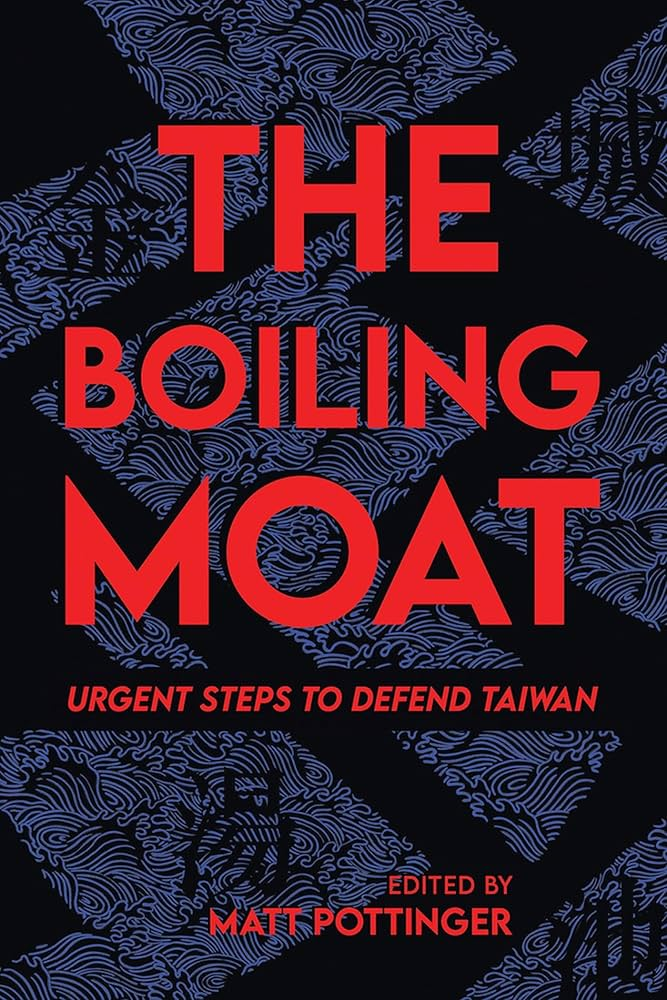
โ€œA New Military Culture for Taiwan,โ€ in The Boiling Moat: Urgent Steps to Defend Taiwan

Author: Michael Hunzeker


In this chapter of Matt Pottingerโ€™s edited volume, TSM Director Dr. Michael Hunzeker, Enoch Wu, and Kobi Marom address two important vulnerabilities in Taiwanโ€™s military culture that Taipei should address urgently: its lack of preparation for a protracted war and lack of readiness to mobilize quickly. 2024.

Purchase The Boiling Moat here.

When Will Washington Get Serious About Taiwan?

Author: Michael Hunzeker


TSM Directorย Dr. Michael Hunzeker, Dr. Raymond Kuo, and Mark A. Christopher argue it is time to treat Taiwan as a serious partner.

Read the full piece here.

Taiwan is moving too slowly to prepare for war. Japan can help

Author: Michael Hunzeker


TSM Directorย Dr. Michael Hunzekerย and Yuster Yu detail the role Japan can play in aiding Taiwanโ€™s defense.

Read the full piece here.

Overinflated: Chinaโ€™s Balloon Threats to Taiwan

Authors: Jonathan Walberg & Noah Reed


TSM Associate Director Jonathan Walbergย andย Research Director Noah Reedย discuss the 2023-2024 balloon overflights of Taiwan.

Read the full piece here.

Scared Strait: How Should America Deter China From Attacking Taiwan?

Author: Michael Hunzeker


TSM Directorย Dr. Michael Hunzeker, Dr. Raymond Kuo, and Mark A. Christopher critique the idea that Taiwan and China are trapped in a security dilemma.

Read the full piece here.

Learning to Train: What Washington and Taipei Can Learn from Security Cooperation in Ukraine and the Baltic Statesย 

Author: Michael Hunzeker


TSM Directorย Dr. Michael Hunzekerย and Dr. Jerad Harper discuss the lessons that Taiwan can learn from the war in Ukraine.

Read the full piece here.

Real Friends Twist Arms: Taiwan and the Case for Conditionality

Author: Michael Hunzeker


TSM Directorย Dr. Michael Hunzekerย and Dr. Alexander Lanoszka argue for a condition-based security relationship with Taiwan.

Read the full piece here.