Taiwan Security Monitor

Taiwan Affairs Office: When the nation thrives and the country is strong, people on both sides of the Strait will live even better.

At the December 17 press conference of the Taiwan Affairs Office of the State Council, a reporter asked about the 2025 Cross-Strait Entrepreneurs Summit, which has taken place over the past two days in Nanjing. Could the spokesperson provide an overview?

Spokesperson Zhu Fenglian responded that the 2025 Cross-Strait Entrepreneurs Summit was held in Nanjing, Jiangsu Province, from December 16 to 17. Wang Huning, Member of the Standing Committee of the Political Bureau of the CPC Central Committee and Chairman of the National Committee of the Chinese Peopleโ€™s Political Consultative Conference, attended the opening ceremony, delivered remarks, and met with representatives of entrepreneurs from both sides of the Strait. Chairman Wang emphasized that people on both sides of the Strait are all Chinese, and that the economies on both sides are part of the broader economy of the Chinese nation. When the nation thrives and the country is strong, people on both sides of the Strait will live even better. During the โ€œ15th Five-Year Planโ€ period, Chinaโ€™s modernization drive will usher in a new chapter, continuing the dual miracles of rapid economic development and long-term social stability. He expressed hope that Taiwan compatriots and enterprises would seize the opportunities of the times and work together to create lasting prosperity for the Chinese nation.

Approximately 800 participantsโ€”including council members and members of the Cross-Strait Entrepreneurs Summit, entrepreneurs from both sides of the Strait, and relevant experts and scholarsโ€”attended the annual meeting. Centered on the theme โ€œFocusing on Transformation and Innovation, Deepening Multi-Chain Cooperation,โ€ the discussions addressed topics such as how Taiwan businesses can seize the opportunities presented by the formulation and implementation of the โ€œ15th Five-Year Plan,โ€ accelerate integration into the new development paradigm, participate in high-quality development, and deepen the integration of cross-Strait industrial and supply chains. Representatives of Taiwanโ€™s business community expressed strong confidence in the mainlandโ€™s development and stated that they would continue to actively participate in cross-Strait economic exchanges and cooperation.
Taiwan Affairs Office: The DPP authoritiesโ€™ crude ban on Xiaohongshu is a case of political manipulation marked by double standards.

At the December 17 press conference of the Taiwan Affairs Office of the State Council, a reporter asked: The DPP authorities have imposed a one-year provisional โ€œbanโ€ on Xiaohongshu under the pretext of responding to an โ€œemergency fraud-prevention situation,โ€ which has been criticized as an โ€œillegal expansion of powersโ€ and has triggered strong backlash on the island. Taiwanโ€™s Ministry of the Interior and Mainland Affairs Council claim that the action is a โ€œlawful, general emergency measureโ€ and unrelated to cross-Strait policy or relations. What is your comment?

Spokesperson Zhu Fenglian of the Taiwan Affairs Office responded that the DPP authoritiesโ€™ explanation is extremely weak and unconvincing. According to media reports on the island, Facebook was involved in nearly 60,000 fraud-related cases last year in Taiwan, and the number has already exceeded 30,000 this yearโ€”far more than the so-called โ€œcasesโ€ the DPP claims Xiaohongshu is involved in. The DPP authoritiesโ€™ deliberate targeting of Xiaohongshu for such a crude ban is entirely a politically manipulative act marked by double standards. Their so-called โ€œanti-fraudโ€ justification is nothing more than a pretext; the real intention is to pursue โ€œTaiwan independence,โ€ deliberately stoke โ€œanti-China, protect Taiwanโ€ sentiment, block channels of cross-Strait exchange, and deprive the people of Taiwanโ€”especially young peopleโ€”of their right to access information and their freedom to use social media platforms. These malicious actions have already provoked strong dissatisfaction and opposition from the people of Taiwan, particularly its youth.

Taiwan Affairs Office: Reunification is the just and prevailing trend, and it is unstoppable.

At the December 17 press conference of the Taiwan Affairs Office of the State Council, a reporter asked: Recently, the 2025 Cross-Strait โ€œCharacter of the Yearโ€ was announced in Taipei. Netizens from across the Strait and overseas enthusiastically participated, with total votes exceeding 15.82 million. The character โ€œๅŠฟโ€ (โ€œmomentum,โ€ โ€œtrend,โ€ or โ€œforceโ€) was selected as the 2025 Cross-Strait Character of the Year with over 1.28 million votes. What is your comment?

Spokesperson Zhu Fenglian responded that the selection of the character โ€œๅŠฟโ€ by a high number of netizensโ€”especially compatriots on both sides of the Straitโ€”reflects a shared perception of the pulse of the times. It signifies that the historic trend of national reunification and national rejuvenation is surging forward with great momentum and cannot be stopped.

The choice of โ€œๅŠฟโ€ is the simplest way for people on both sides of the Strait to add a footnote to the reunification process in the new era: Reunification is the just and prevailing trend, and it will inevitably converge into an unstoppable tide of the times. From the perspective of the historical principle that โ€œthe trend of the times cannot be resisted,โ€ resolving the Taiwan question and achieving complete national reunification is the shared aspiration of all Chinese people and an essential requirement for realizing national rejuvenation. A growing number of Taiwan compatriots, upholding the greater national interest, are actively participating in the great cause of national rejuvenation and demonstrating through action that โ€œpeople on both sides of the Strait are one family.โ€ From the perspective of the โ€œunstoppable momentumโ€ of popular will, more and more Taiwan compatriots recognize the destructive nature of the โ€œTaiwan independenceโ€ forcesโ€”how they harm Taiwan, endanger Taiwan, and bring ruin to Taiwanโ€”and firmly oppose separatism and external interference in defense of national sovereignty and territorial integrity. From the perspective of the mission to โ€œact in accordance with the trend,โ€ we continue to deepen cross-Strait economic and social integration, roll out policies that benefit Taiwan compatriots, and advance cross-Strait exchanges and cooperation in a deeper and more pragmatic way, enabling Taiwan compatriots and enterprises to share development opportunities, strengthen emotional bonds, and build a more solid, more favorable, and more dynamic foundation for reunification.

As compatriots in Taiwan have said: Choosing โ€œๅŠฟโ€ is choosing hope, choosing the future! This hope is the aspiration to โ€œride the momentumโ€ and jointly realize the Chinese Dream; this future is the vision of โ€œgathering momentum into a tideโ€ to jointly promote reunification. We will unite with our Taiwan compatriots, follow the trend of history, enhance shared benefits through exchanges and cooperation, strengthen emotional bonds through integrated development, and together build the powerful force driving national reunification and rejuvenation, opening a vast new chapter for the Chinese nation.

Taiwan Affairs Office: Taiwan businesses and enterprises can share in the new development opportunities of the Hainan Free Trade Port.

At the December 17 press conference of the Taiwan Affairs Office of the State Council, a reporter asked: On December 18, the Hainan Free Trade Port will officially begin island-wide customs closure operations. This is a landmark step in the mainlandโ€™s unwavering commitment to expanding high-level opening-up and promoting the development of an open world economy, and it has attracted great interest from Taiwan businesses and enterprises. What opportunities and benefits will this bring to them?

Spokesperson Zhu Fenglian responded that beginning on December 18, 2025, the Hainan Free Trade Port will officially launch island-wide customs closure operations. This is a landmark measure demonstrating the mainlandโ€™s firm commitment to high-level opening-up and to fostering an open world economy.

After the customs closure, the Hainan Free Trade Port will fully implement the special regulatory framework of โ€œfree flow across the first line, effective control at the second line, and freedom within the island.โ€ Tax incentives centered on โ€œzero tariffs, low tax rates, and a simplified tax systemโ€ will fully release their benefitsโ€”reducing production costs, boosting development vitality, improving the quality of consumer supply, and supporting the creation of an international tourism and consumption center. At the same time, trade management will become more relaxed and convenient, regulatory practices more precise and efficient, and a series of innovative measures in areas such as trade liberalization, investment facilitation, and financial openness will bring more opportunities and advantages to Taiwan businesses and enterprises.

Taiwan-invested companies can leverage the institutional advantages of the Free Trade Port to expand their space for development in Hainan, achieve new growth, better integrate into the countryโ€™s new development paradigm, and share in the new opportunities presented by the Free Trade Port.

Taiwan Affairs Office: The DPP authoritiesโ€™ obstruction, bans, and restrictions on cross-Strait exchanges and contacts will inevitably be spurned by public opinion.

At the December 17 press conference of the Taiwan Affairs Office of the State Council, a reporter asked: The DPP authorities plan to amend the โ€œPermit Regulations for Civil Servants and Certain Designated Personnel of the Taiwan Area Entering the Mainland.โ€ The amendment would restrict travel by county and city leaders and certain civil servants, reducing the degree of kinship required for approval to visit the mainland for family visits or funerals from within four degrees of kinship to within three, and requiring most senior civil servants and police officers to apply seven days in advance before traveling to the mainland. What is your comment?

Spokesperson Zhu Fenglian responded that this is yet another malicious act by the DPP authorities to obstruct, restrict, and suppress cross-Strait exchanges and interactions. The DPP authorities go to great lengths to hinder Taiwan compatriots from coming to the mainland, fabricate charges to repress individuals and groups in Taiwan who actively participate in cross-Strait exchanges, and attempt to block compatriots on both sides of the Strait from drawing closer to one another. Such abuses of power and reckless behavior will inevitably be spurned by public opinion.

Taiwan Affairs Office: We welcome Taiwanese performing artists and compatriots to come to the mainland to take part in cultural performance activities.

At the December 17 press conference of the Taiwan Affairs Office of the State Council, a reporter asked: Some Taiwanese performing artists have been labeled โ€œpro-China entertainersโ€ because of statements they made about their identity. Taiwanโ€™s cultural authorities have claimed that โ€œpro-Chinaโ€ is a false issue and said they are pleased to see Taiwanese artists develop careers on the mainland, but that they must not โ€œcooperateโ€ in expressing pro-โ€œforceful reunificationโ€ views. We have also observed that in recent years, not only have many Taiwanese artists come to the mainland to pursue development, but the mainlandโ€™s rich variety of cultural performances has attracted many young people from Taiwan to cross the Strait to attend concerts and follow their favorite performers. What is your comment?

Spokesperson Zhu Fenglian responded that the DPP authoritiesโ€™ threats and intimidation of Taiwanese artists under the pretext of so-called โ€œinvestigationsโ€ are completely out of step with public sentiment, and they cannot stop Taiwan compatriots from taking part in cross-Strait exchanges or from sharing in the development opportunities on the mainland. For many years, generations of Taiwanese performers have helped to inherit and promote Chinese culture, actively participated in cross-Strait exchange and cooperation, and demonstrated through concrete actions that โ€œpeople on both sides of the Strait are one family.โ€ In the past two years, the mainlandโ€™s performance market has grown explosively; in just the third quarter of this year, more than 1,000 concerts were held with over 12 million attendees, and Taiwanese artists held over 100 solo concerts on the mainland. The mainland offers a broad stage for Taiwanese performers, and their participation has enriched the mainlandโ€™s performance market. This โ€œtwo-way exchangeโ€ in the cultural and artistic sphere has deepened cross-Strait cultural interaction.

In addition, traveling across cities on the mainland to hear a favorite song or follow a concert tour has become a new lifestyle trend among many Taiwan compatriots. We actively support cross-Strait cultural exchange and cooperation in film, television, music, and other fields. We welcome Taiwanese performing artists to come to the mainland to participate in all kinds of cultural performance activities, and we also welcome Taiwan compatriots to make full use of increasingly convenient policies to visit the mainland at any time to attend cultural events and experience the vibrant cultural and tourism life here.

Taiwan Affairs Office: โ€œTaiwan independenceโ€ is a dead end, outsiders canโ€™t be relied on, and reunification cannot be stopped.

At the December 17 press conference of the Taiwan Affairs Office of the State Council, a reporter asked: Lai Ching-te recently proposed a USD 40 billion special budget to purchase military equipment from the United States. The New York Times recently revealed details from a classified U.S. Department of Defense report indicating that mainland China already possesses sufficient missile capabilities to destroy U.S. advanced weaponry before it could reach Taiwanโ€”suggesting that the United States is no longer capable of โ€œdefending Taiwan.โ€ What is your comment?

Spokesperson Zhu Fenglian of the Taiwan Affairs Office responded that the Taiwan question is purely Chinaโ€™s internal affair, and resolving it is a matter for the Chinese people alone, allowing no external interference. The Lai Ching-te administration, for the selfish interests of its party, continues to provoke โ€œTaiwan independence,โ€ repeatedly increases the defense budget, and pushes a โ€œwhole-of-society militarization,โ€ tying the people of Taiwan to the separatist bandwagon. Its attempts to โ€œrely on foreign forces to seek independenceโ€ and โ€œuse force to seek independenceโ€ threaten the safety and interests of the Taiwan people. โ€œTaiwan independenceโ€ is a dead end; outsiders cannot be relied upon; reunification cannot be stopped. We have firm will, strong determination, and powerful capability to crush all separatist schemes for โ€œTaiwan independence,โ€ to resolutely oppose external interference, and to safeguard national sovereignty and territorial integrity.

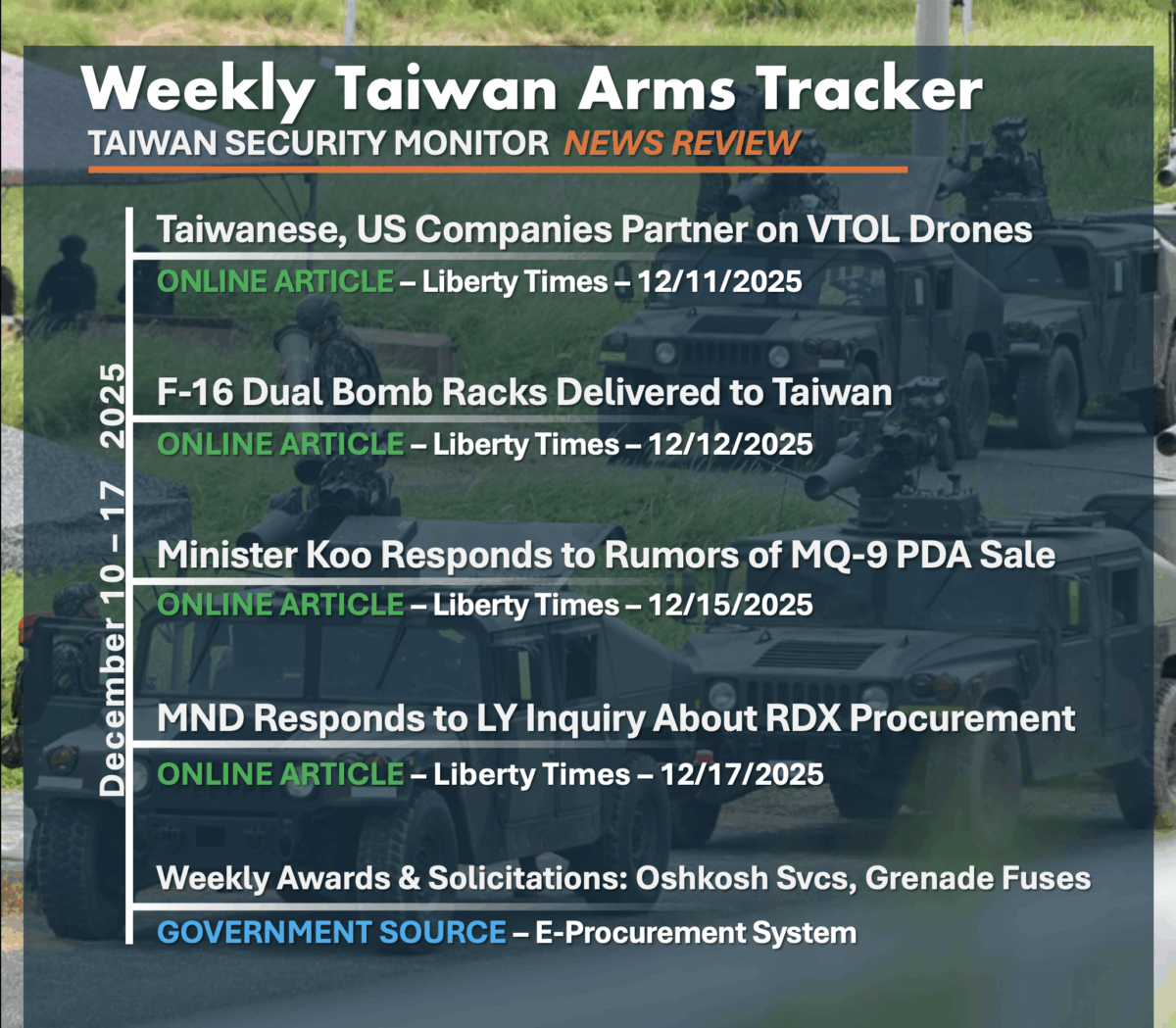
Weekly Arms Sales Tracker: 12/17/2025

Author: Joe O’Connor


See this weekโ€™s Taiwan Arms Tracker update, covering news relating to arms sales, indigenous production, and defense procurement in Taiwan, all below!

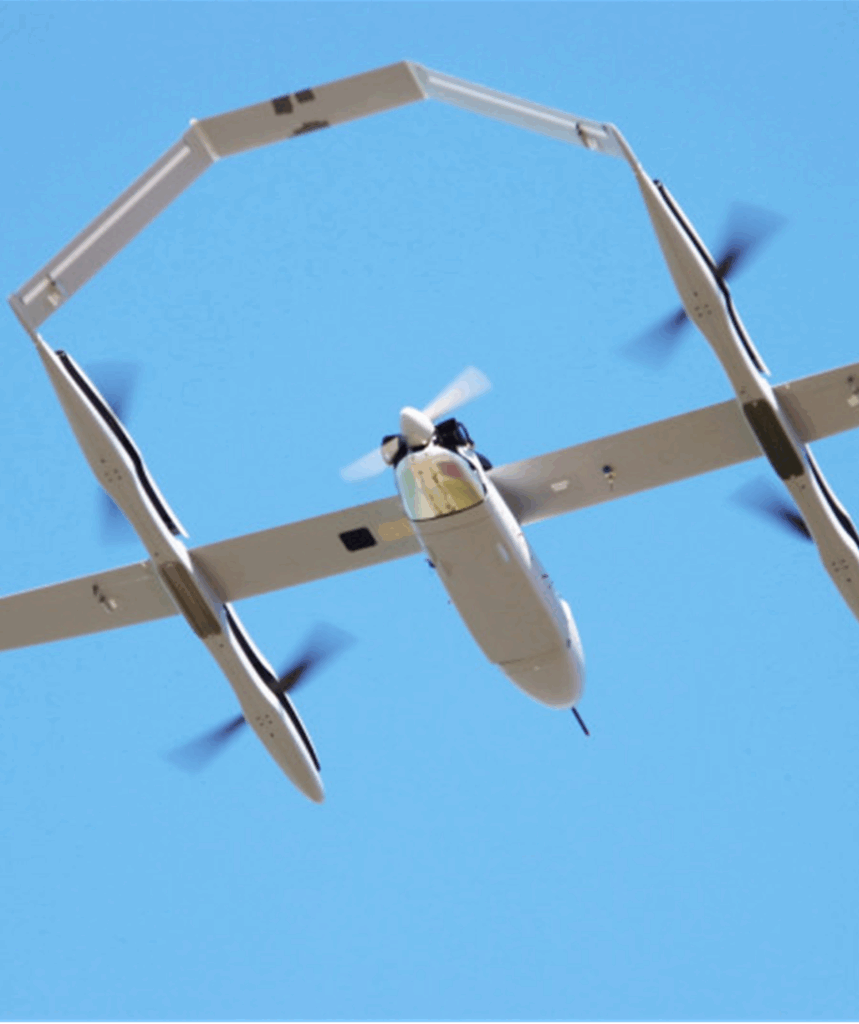
Taiwanese, US Companies Partner on VTOL Drones

In a flight demonstration on Thursday at Budai Harbor in Chiayi County, Taiwanese drone manufacturer Taiwan Color Light Technology and US manufacturer Edge Autonomy announced a partnership on a VTOL drone for search and rescue and reconnaissance. The Penguin C MK2.5 has a range of up to 1,500 km and a lifespan of 12 hours, and via licensing, will be produced in Taiwan.

SOURCE: Lin Yi-chang, Liberty Times

F-16 Dual Bomb Racks Delivered to Taiwan

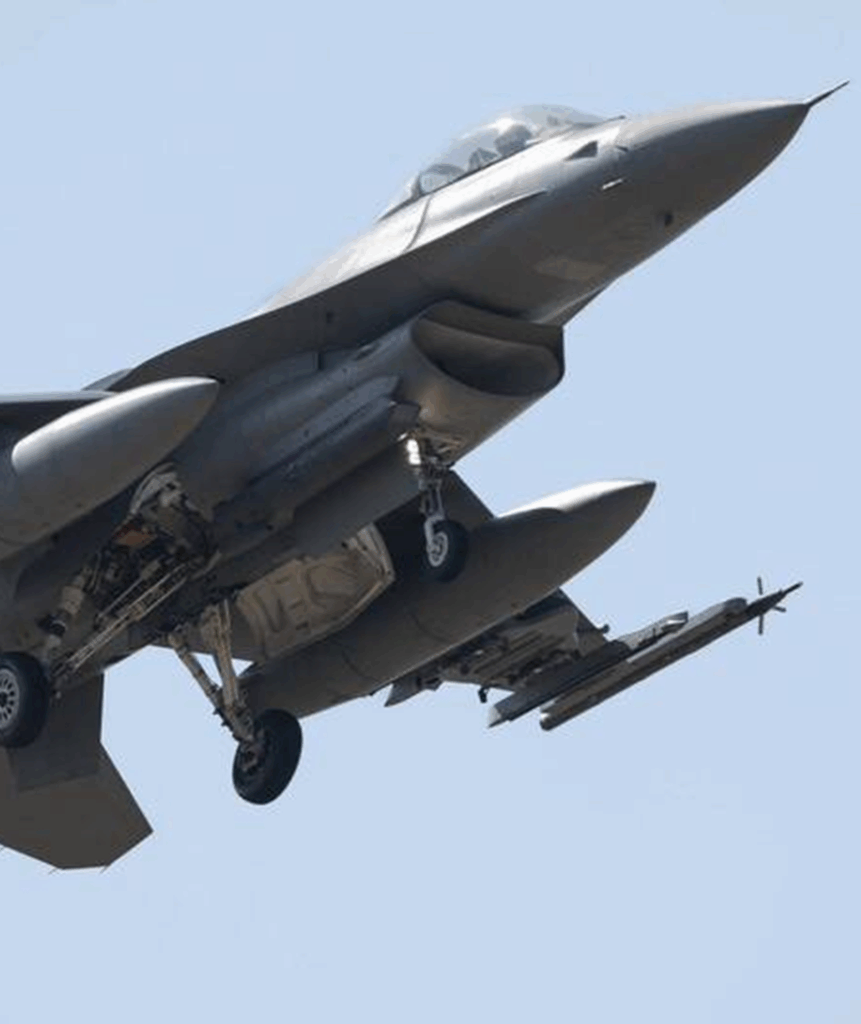
The ongoing project to upgrade Taiwanโ€™s F-16A/Bs has accelerated with footage of BRU-57/A smart dual ejector bomb racks being tested on F-16s this week, per the โ€œIDF Ching-Kuoโ€ fan page. These racks, combined with the AN/ALQ-33 Sniper targeting pod, are used to deliver AGM-154C Joint Standoff Weapons, which are a delayed sale, per recent MND reports.

SOURCE: Lo Tien-bin, Liberty Times

Minister Koo Responds to Rumors of MQ-9 PDA Sale

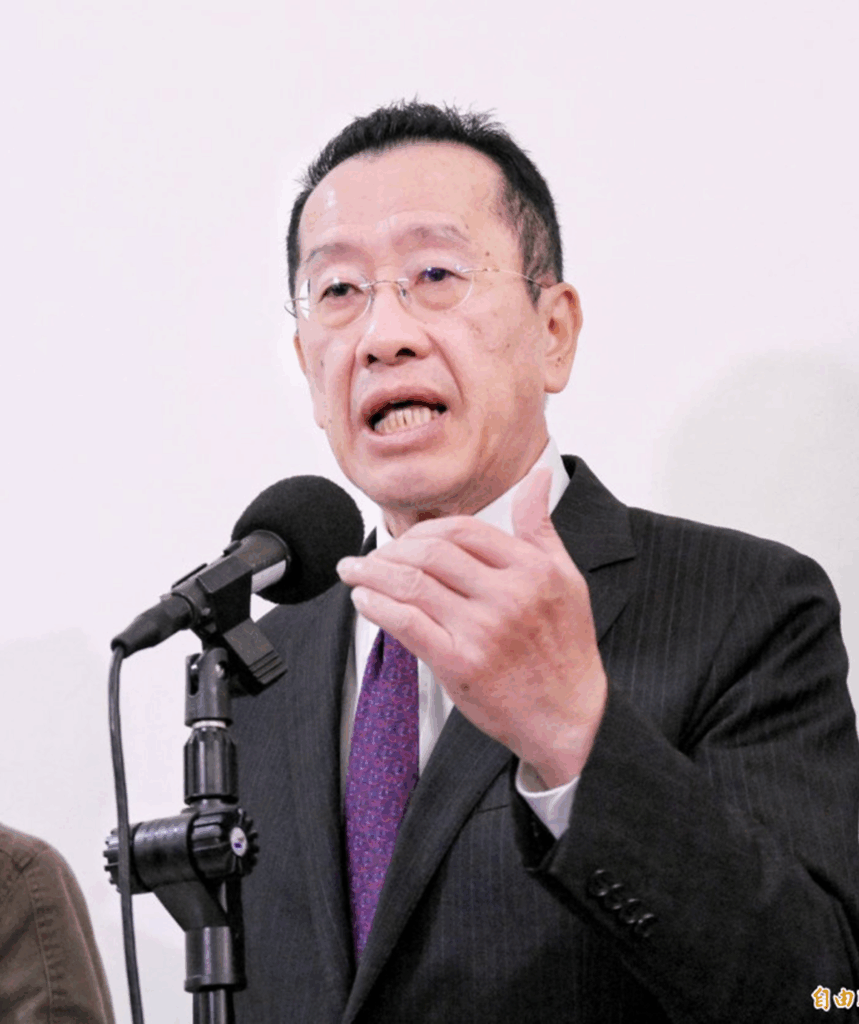
At an LY hearing on Monday relating to procurement policy, Minister of National Defense Wellington Koo denied reporting that the Biden administration planned to give Taiwan MQ-9B drones via Presidential Drawdown Authority. Koo stated that the MND could not provide specific details, but the sale of MQ-9s was planned and was never a donation.

SOURCE: Huang Jin-wen, Liberty Times

MND Responds to LY Inquiry About RDX Procurement

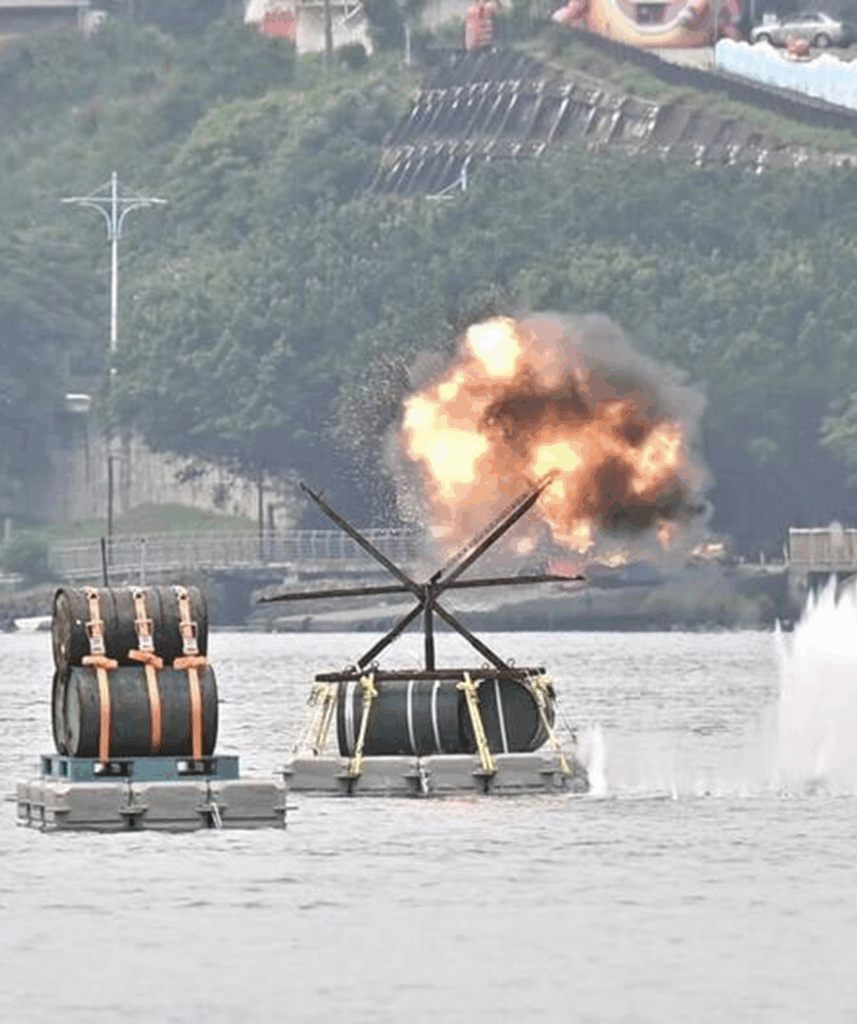
On Monday, Minister Koo provided a briefing to the LYโ€™s Foreign Affairs and National Defense Committee on a recent contract award for RDX sea-clearing explosives, amid KMT opposition concerns about the selected contractor. Koo stated that the contractor, the โ€œFumai International Interior Decoration Co.โ€ was selected to prevent cross-border import concerns. In response to the briefing, the committee passed several proposals relating to import documents and cost.

SOURCE: Fang Wei-li & Chen Zhi-cheng, Liberty Times

Weekly Awards: Oshkosh Services, Grenade Fuses

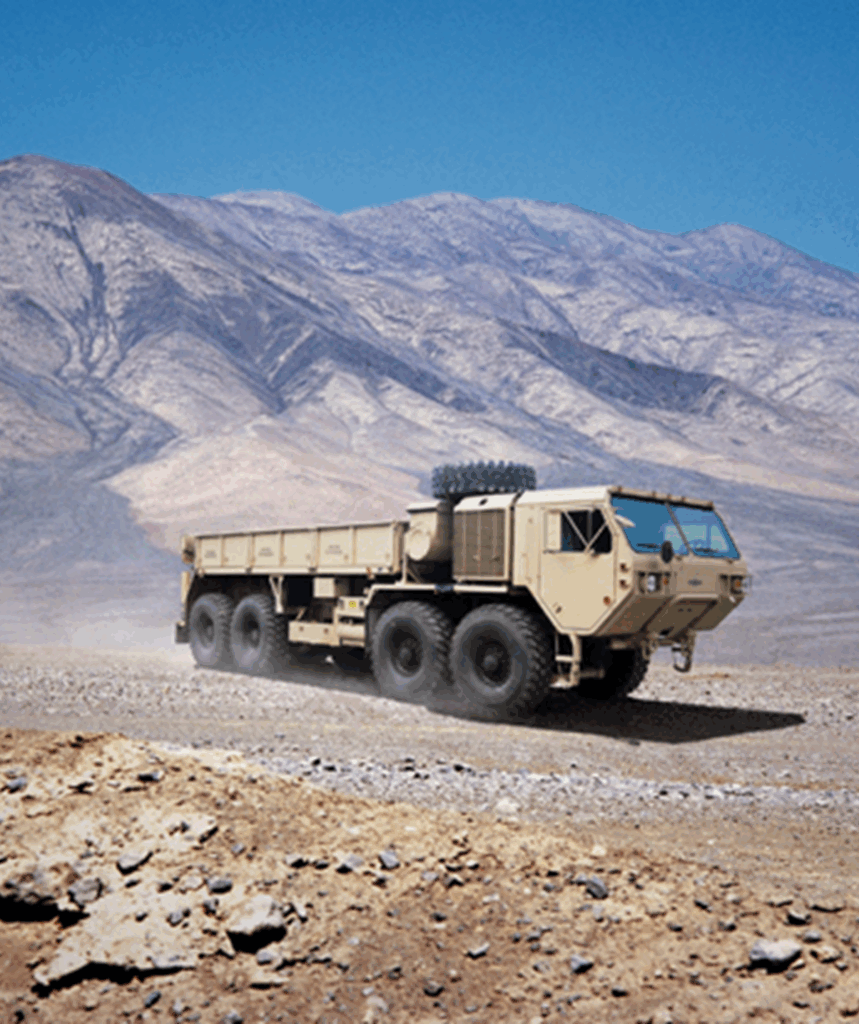
โ€ขOn Thursday, the Air Force Command awarded a NT$130.72 million (US$4.15 million) for Oshkosh special vehicle maintenance servicing.

โ€ขOn Wednesday, the Army Command, via the ROC Military Mission to the United States, awarded a NT$860.75 million (US$27.31 million) contract through the AIT for practice grenade fuses.

SOURCE: Taiwanese Government E-Procurement System

What Does the FY26 NDAA Mean for Taiwan?

Author: Joe O’Connor


On Sunday, December 7, the House and Senate Armed Services Committees released their final negotiated text of the National Defense Authorization Act for Fiscal Year 2026, totaling over 3,000 pages. This text, which passed the House in full on Wednesday, December 10th, and is set to be considered by the Senate next week, is the combination of the NDAA bills passed in the House (H.R. 3838) and the Senate (S. 2296), negotiated through a conference committee.

Since the NDAA sets and authorizes U.S. defense policy, examining where and how the bill mentions Taiwan is an important litmus test of what Congress wants the Pentagon to focus on regarding Taiwanโ€™s security. This blog post will be organized into three parts: first, current Taiwan-related provisions in the combined NDAA; second, provisions removed from the Senate version; and third, provisions removed from the House version. This is sourced from the NDAA text and the joint explanatory statement (JES) attached to the NDAA, which explains which provisions were retained and which were removed, and for what purpose.

Combined NDAA Provisions

First, Section 383 requires the Secretary of Defenseย (hereinafter OSD), along with the JCSย and INDOPACOM, to conduct a comprehensive joint mobilization and sustainment readiness study. The study is directed to focus on the ability of the U.S. to react to a โ€œTaiwan Strait contingency,โ€ as well as to evaluate โ€œjoint and allied interoperability,โ€ including with Taiwan and other allies. This was adopted from the House version (ยง 370A).

Section 1254 directs OSD to develop a 5-year strategy (with a 6-month interim report) to โ€œstrengthen multilateral defense against regional aggression in the Indo-Pacific region,โ€ including plans to expand โ€œmore frequent maritime operations through the Taiwan Strait and in the South China Sea.โ€ This was adopted from the House version (ยง 1315).

Section 1265 modifies the Taiwan Security Cooperation Initiative, initially established by the 2025 NDAA, to add โ€œmedical equipment, supplies, and related combat casualty care capabilitiesโ€ as authorized assistance. This section also authorizes $1 billion from FY26 appropriations to fund TSCI, up from FY25โ€™s authorization of $300 million. This was adopted from the Senate version (ยง 1236).

Section 1266 requires OSD to engage with Taiwanese officials on a joint program for fielding โ€œuncrewed systems and counter-uncrewed systems capabilities,โ€ including โ€œco-development and co-production.โ€ This was adopted from the Senate version (ยง 1237).

Section 1271 limits 25% of OSDโ€™s travel expenses from being used until certain reports are submitted to the congressional defense committees. These reports include the โ€œTaiwan Security Assistance Roadmapโ€ required by the 2023 NDAA, and a report on the โ€œpotential establishment of a regional contingency stockpile for Taiwan,โ€ required by the 2025 NDAA. This was adopted from the Senate version (ยง 1234).

Section 7263 requires the Coast Guard Commandant to complete a plan on expanding joint and integrated training between the U.S. Coast Guard and Taiwanese Coast Guard Administration (CGA). This would include the โ€œdeploy[ment of] Coast Guard mobile training teams to Taiwanโ€ and โ€œincreasing the number of seatsโ€ for CGA personnel to take Coast Guard training courses. This was adopted from the Senate version, under the Coast Guard Authorization Act of 2025, designated as Division G of the combined NDAA.

Sections 8301-8305 are known as the โ€œTaiwan Non-Discrimination Act of 2025โ€ and require the United States Governor of the International Monetary Fund to support Taiwanโ€™s bid to join the International Monetary Fund, requiring the Secretary of the Treasury to testify annually on U.S. efforts in that area as well. This was adopted from the Senate version.

Senate Version โ€“ Removed Provisions

The NDAAโ€™s JES identifies four provisions from the Senate version that were removed, along with their explanations.

Section 1238 would have required OSD to submit a report to Congress on Taiwan’s critical digital infrastructure capabilities and to identify actions to protect such infrastructure. The JES then โ€œdirect[s] the Secretary of Defenseโ€ to submit the same report, with nearly identical requirements to those of the Senate. This appears to be phrased into โ€œdirect reporting language,โ€ implying that Congress still desires the report, but does not want to codify it into law, owing to the thousands of statutorily-required reports that need managing and frequently go unread or never submitted.

Section 1242 would have established a โ€œstrategic partnership on defense industrial priorities between the United States and Taiwan.โ€ In its justification, the JES states that โ€œwe include a provision elsewhere in this Act authorizing DIU [the Defense Innovation Unit] to establish regional outreach centers to enable more streamlined interactions,โ€ essentially removing the provision as redundant.

Section 1243 would have directed OSD to invite Taiwan to the Rim of the Pacific (RIMPAC) naval exercise. The JES indicates that โ€œthe Commander, U.S. Indo-Pacific Command, has the authority to invite the naval forces of Taiwan to participate,โ€ thus not making the provision necessary.

Section 1260 would have clarified that OSD may assign a Defense Priorities Allocation System rating for foreign military sales, to prioritize sales to Taiwan, South Korea, and the Philippines. The committee explains this removal by saying that the DOD already has the authority to assign a DPAS rating to FMS sales and that clarification is unnecessary.

House Version โ€“ Removed Provisions

The NDAAโ€™s JES identifies five provisions from the House version that were removed, along with their explanations.

Section 1320 would have amended a section of the 2022 NDAA addressing conventional and irregular threats facing Taiwan and its capabilities to defend against them. The conference committee removed this provision because the โ€œTaiwan Enhanced Resilience Act,โ€ part of the 2023 NDAA, already addresses reporting requirements.

Section 1322 would have required OSD to report on obstacles to U.S. assistance of Taiwanese procurement and provide policy recommendations. As noted above, the conference committee considered this reporting requirement to be covered by the Taiwan Enhanced Resilience Act.

Section 1324 would have allowed the President to take such actions to support Taiwanโ€™s energy security and ability to withstand a blockade or embargo. The conference committee removed this provision while stating their support for Taiwan, โ€œconsistent with the Taiwan Relations Act.โ€

Sections 1321 and 1323 were also removed, as they were similar to the above-mentioned Senate sections 1242 and 1243, which relate to strategic partnerships on defense industrial priorities and RIMPAC.

Conclusion

Itโ€™s clear that much was excised from both House and Senate NDAAs (as is probably the case regularly in reconciliation), but those removed provisions were almost all due to redundancy, mostly in reporting requirements. It is worth noting that the conference committee removed the explicit reference to โ€œstrategic partnership on defense industrial priorities,โ€ claiming the DIU could do so. Clearly, however, Senate proposals to co-develop and produce UAS systems with Taiwan won out, as did modification of the Taiwan Security Cooperation Initiative and a plan for U.S.-Taiwanese coast guard training.

Weekly PRC Media Review: 12/12/25

Author: Ethan Connell


Hereโ€™s the latest edition of the TSM PRC State Media Tracker. Each Friday, we highlight key excerpts from Chinaโ€™s state media organs, such as the Ministry of Foreign Affairs, the Ministry of National Defense, and the Taiwan Affairs Office, all below!

Ministry of Foreign Affairs Statement on Radar Illumination Incident with JSDF Fighters

8 December 2025

Guo Jiakun: China has already stated its stern position on this issue. The facts are very clear. The training activities conducted by the Chinese side in the relevant sea and airspace are in line with international law and international practice. The operations involved were professional, standardized, and beyond reproach. When carrier-based aircraft turn on their search radar during flight training, this is common practice for all countries and a normal operation to ensure flight safety.

The crux of this incident is that Japanese fighter jets intruded without authorization into Chinaโ€™s training area, conducting close-in reconnaissance and interference against Chinese military activities, and then, as the guilty party, they were the first to lodge accusations, hyping up the so-called โ€œradar illuminationโ€ issue, turning black into white and shifting blame onto others, misleading the international community. China is strongly dissatisfied with and firmly opposed to this, and has lodged stern representations and a strong protest with the Japanese side.

Anyone with clear eyes can see that the Japanese side is deliberately spreading and hyping up false information in the field of military security at this time, playing up tensions for entirely ulterior motives. We strongly urge Japan to immediately stop dangerous activities that disrupt Chinaโ€™s normal training operations, and to cease all irresponsible false hype and political manipulation.

“Ministry of Foreign Affairs Statement on the US National Security Strategy

8 December 2025

Guo Jiakun: We have noted the U.S. governmentโ€™s release of the National Security Strategy report. China has always believed that when China and the United States work together, both benefit; when they confront each other, both are harmed. Mutual respect, peaceful coexistence, and win-win cooperation are the right ways for China and the United States to interact, and the only correct and realistic choice. China is willing to work with the U.S. to promote the stable development of Chinaโ€“U.S. relations, while firmly safeguarding its own sovereignty, security, and development interests. We hope the U.S. will move in the same direction as China, implement the important consensus reached by the two heads of state, strengthen dialogue and cooperation, properly manage differences, and push for stable, healthy, and sustainable development of Chinaโ€“U.S. relations, injecting more certainty and stability into the world.

Regarding the Taiwan question, we would like to emphasize that Taiwan is Chinaโ€™s Taiwan and an inseparable part of Chinaโ€™s territory. The Taiwan question is the core of Chinaโ€™s core interests and the first red line that must not be crossed in Chinaโ€“U.S. relations. How the Taiwan question is resolved is a matter for the Chinese people and not subject to external interference. The U.S. should faithfully abide by the one-China principle and the three Chinaโ€“U.S. joint communiquรฉs, honor the commitments made by U.S. leaders, handle the Taiwan question with the utmost prudence, and stop condoning or supporting โ€œTaiwan independenceโ€ separatist forces in seeking independence through armed means or resisting reunification with force. Chinaโ€™s determination and will to safeguard national sovereignty and territorial integrity are unwavering.”

Taiwan Affairs Office Statement on Tariff Negotiations Between the US and Taiwan

10 December 2025

Chen Binhua: The Lai Ching-te authorities, in order to โ€œrely on external forces to seek independence,โ€ have shown bottomless eagerness to ingratiate themselves with the United States. In the tariff negotiations, they โ€œknelt before negotiating,โ€ โ€œoffered the other cheek after being slapped,โ€ and even repeatedly deceived the public. In terms of industry, they have allowed the United States to take whatever it wants, voluntarily handing over TSMC and allowing it to extract all remaining value from Taiwanโ€™s advantageous industries. Previously, TSMC was forced to announce an additional USD 100 billion investment in the United States, which already caused panic within Taiwanโ€™s industry and widespread public resentment. If this USD 300 billion investment materializes, it will undoubtedly deliver a huge blow to Taiwanโ€™s economy, further weakening its growth momentum and autonomy. We are gravely concerned about this. We hope the people of Taiwan and all those with insight from various sectors will unite and take action to firmly oppose the Lai Ching-te authoritiesโ€™ pro-U.S. behaviors and actively safeguard their own interests.

Taiwan Affairs Office Statement on the San Francisco Treaty and the China-Taiwan Relationship

10 December 2025

Chen Binhua: The so-called โ€œSan Francisco Peace Treatyโ€ was a product of the United States gathering a very small number of countries after World War II to conclude a separate peace with Japan. The treaty violated the provisions of the 1942 Declaration by the United Nations, which stated that โ€œno signatory government shall make a separate armistice or peace with the enemy,โ€ and also violated the Vienna Convention on the Law of Treaties, which stipulates that โ€œa treaty may not create obligations or rights for a third state without its consent.โ€ Therefore, it had no authority to dispose of matters such as Taiwanโ€™s sovereignty or any sovereign rights or territory involving China, which was not a contracting party. It is illegal and invalid, and has no effect under international law. From the outset, the Chinese government has solemnly declared that it absolutely does not recognize it.

There is only one China in the world and Taiwan is a part of China. A series of international legal documents, including the Cairo Declaration and the Potsdam Proclamation, clearly and unequivocally confirm Chinaโ€™s sovereignty over Taiwan. The Central Peopleโ€™s Government of the Peopleโ€™s Republic of China replacing the โ€œGovernment of the Republic of Chinaโ€ was a change of government under the same subject of international lawโ€”Chinaโ€”and did not alter Taiwanโ€™s status as part of Chinaโ€™s territory. The DPP authorities, relying on an invalid treaty, are once again recycling the clichรฉ of the two sides of the Strait being โ€œnot subordinate to each other,โ€ attempting to confuse the public, mislead opinion, and challenge the internationally recognized one-China principle. This completely ignores the facts and will only bring disgrace upon themselves.

Taiwan Affairs Office Statement on Taiwan โ€œStrengthening its Defense Capabilitiesโ€

11 December 2025

Chen Binhua: Lai Ching-te is once again distorting facts and making irresponsible remarks; once again clamoring for โ€œseeking independence through forceโ€ and โ€œseeking independence by relying on external forcesโ€; and once again hyping the false narrative of โ€œdemocracy versus authoritarianism,โ€ attempting to deceive the Taiwan public and mislead international opinion. Under the guise of โ€œdemocracyโ€ and โ€œpeace,โ€ he is in fact aggressively pursuing militarization and colluding with external forces to continue provoking with attempts at โ€œTaiwan independence,โ€ thereby exposing once more his obstinate โ€œTaiwan independenceโ€ nature and his true identity as a โ€œdestroyer of peace,โ€ โ€œcreator of crises,โ€ and โ€œinstigator of conflict.โ€

Since taking office, Lai Ching-te has stubbornly upheld a โ€œTaiwan independenceโ€ stance, vigorously promoting separatist fallacies, and continuously stoking confrontation and hostility across the Strait. For the sake of partisan and personal interests, he has squandered public resources, pushed for โ€œpreparing for war to pursue independenceโ€ and โ€œmilitarizing society,โ€ dragging Taiwan into dangerous circumstances marked by rising tensions and potential conflict, and binding the people to the reckless path of โ€œTaiwan independenceโ€ separatism. On the island, he has practiced โ€œauthoritarian rule,โ€ repeatedly trampling on democracy and undermining freedoms, abusing judicial power to suppress political opponents, and continually creating a climate of โ€œgreen terrorโ€ and a โ€œchilling effect.โ€ Filled with confrontational thinking, he severely violates public sentiment on the island and gravely harms democracy and the rule of law. He is both the instigator of tension and instability in the Taiwan Strait and the primary source of division within Taiwan society, and thus has no qualification to speak of โ€œdemocracyโ€ or โ€œpeace.โ€