Taiwan Security Monitor

Taiwan Affairs Office: The Lai Ching-te authorities, in order to โ€œseek independence by relying on external forces,โ€ will stop at nothingโ€”even to the point of destroying the roots of Taiwanโ€™s industry.

At the January 21 press conference of the State Council Taiwan Affairs Office, a reporter asked: Recently, when meeting with a visiting delegation from the U.S. state of Arizona, Lai Ching-te said that in recent years the United States has become Taiwanโ€™s largest destination for overseas direct investment. He said he hopes the two sides can sign an agreement to avoid double taxation as soon as possible, to help firms such as TSMC establish a long-term presence in the United States and also create high-paying jobs locally. What is your comment?

In response, Peng Qingโ€™en, spokesperson for the State Council Taiwan Affairs Office, said: The United States has always put โ€œAmericaโ€™s interests first,โ€ is accustomed to wielding a โ€œtariff big stickโ€ to harm others for its own benefit, and the so-called U.S.โ€“Taiwan trade and supply-chain cooperation will only drain Taiwan dry and force Taiwan to sever its own tendons and bones. In Americansโ€™ eyes, Taiwanโ€™s value is not as a โ€œsupply-chain partner,โ€ but rather as a โ€œpawnโ€ for โ€œusing Taiwan to contain China,โ€ a โ€œcash cowโ€ for the militaryโ€“industrial complex, and an โ€œATMโ€ for the reshoring of manufacturing. According to reports, labor costs at TSMCโ€™s U.S. plants are more than twice those at its plants in Taiwan; equipment depreciation costs are as much as four times higher; and gross profit margin is one-eighth that of its plants in Taiwan.

Peng Qingโ€™en said: In order to โ€œseek independence by relying on external forces,โ€ the DPP authorities have time and again fed the tiger with their own flesh, and now want TSMC to substantially increase investment in the United States to create so-called โ€œhigh-paying jobsโ€ for America. What will be destroyed is only the roots of industry on the island, and what will be chilled is only the hearts of Taiwanโ€™s people.

Taiwan Affairs Office: The โ€œ1992 Consensusโ€ is the political foundation of cross-strait relations and the stabilizing anchor for peace and stability in the Taiwan Strait.

At the January 21 press conference of the State Council Taiwan Affairs Office, a reporter asked: Regarding Su Jiaquanโ€™s appointment as chair of the SEF board, a TAO spokesperson previously said that only by recognizing the โ€œ1992 Consensus,โ€ which embodies the one-China principle, can the dialogue and communication mechanism between the two organizations resume, and can the SEF perform its proper functions. Taiwanโ€™s Mainland Affairs Council said that when the SEF was established in 1991, the so-called โ€œ1992 Consensusโ€ embodying the one-China principle had not yet been โ€œcreatedโ€ by the CCP. What is your comment?

In response, Peng Qingโ€™en, spokesperson for the State Council Taiwan Affairs Office, said: It is impossible for the relevant departments on the Taiwan side not to understand the history of interactions between Taiwanโ€™s SEF and the two organizations, yet they deliberately confuse the publicโ€”what are their intentions?

Peng Qingโ€™en said: When the SEF was established, it took as its purpose โ€œChinese, benevolent, and service-oriented.โ€ In the course of handling practical consultations with the SEF, the ARATS clearly pointed out that the specific issues arising in exchanges between compatriots on both sides of the Strait are Chinaโ€™s internal affairs and should be resolved through consultation based on the one-China principle. On August 1, 1992, the Taiwan authorities issued a โ€œconclusionโ€ on the question of the meaning of โ€œone Chinaโ€ in the course of the SEF and ARATS negotiating practical agreements, confirming that โ€œboth sides of the Strait adhere to the principle of one China.โ€ That same year, with authorization from both sides, the two organizations reached a common understandingโ€”through the Hong Kong talks and an exchange of letters and telegramsโ€”each stating orally that โ€œboth sides of the Strait adhere to the one-China principle,โ€ later known as the โ€œ1992 Consensus.โ€ It was precisely on this basis that the two sides began consultations and negotiations, advanced party-to-party exchanges across the Strait, and opened the path of peaceful development of cross-strait relations, from which compatriots on both sides benefited.

Peng Qingโ€™en pointed out that the โ€œ1992 Consensusโ€ clearly defines the nature of cross-strait relations and is the political foundation for the development of cross-strait relations and the stabilizing anchor for peace and stability in the Taiwan Strait. The history of cross-strait relations has repeatedly proven that if the โ€œ1992 Consensusโ€ is recognized and the one-China principle upheld, cross-strait relations can improve and develop and Taiwan compatriots can benefit; if the โ€œ1992 Consensusโ€ is denied and the one-China principle deviated from, cross-strait relations will become tense and turbulent and the interests of Taiwan compatriots will be harmed.

Taiwan Affairs Office: The outcome of U.S.โ€“Taiwan tariff negotiations fully shows that โ€œTaiwan independenceโ€ is a dead end, and outsiders cannot be relied upon.

At the January 21 press conference of the State Council Taiwan Affairs Office, a reporter asked: The United States and Taiwan recently reached a so-called โ€œtrade agreement.โ€ In an interview, U.S. Commerce Secretary Lutnick said that this agreement is a โ€œstrategic imperativeโ€ for the DPP authorities to maintain Americaโ€™s โ€œgoodwill,โ€ rather than a purely commercial transaction; the U.S. goal is to move 40% of Taiwanโ€™s semiconductor supply-chain capacity to the United States during Trumpโ€™s term. What is your comment?

In response, Peng Qingโ€™en, spokesperson for the State Council Taiwan Affairs Office, said: The so-called โ€œtrade agreementโ€ reached between the United States and Taiwan is, in essence, external forces and โ€œTaiwan independenceโ€ separatist forces colluding with each other. It is a โ€œselling-oneself contractโ€ that seizes the hard-earned money of Taiwanโ€™s people and hollows out the foundations of Taiwanโ€™s industries, and it damages the future of Taiwanโ€™s people and industries.

Peng Qingโ€™en said: The huge investment of US$500 billion is about 80% of Taiwanโ€™s foreign exchange reserves, and is equivalent to having every person in Taiwan put up NT$680,000 as a political โ€œdonationโ€ to the DPP authoritiesโ€™ effort to โ€œseek independence by relying on external forces.โ€ If 40% of semiconductor capacity is transferred to the United States, Taiwanโ€™s core industrial advantage will vanish, and the โ€œtechnology islandโ€ will become a โ€œhollow island.โ€ The DPP authorities are doing their utmost to cover up the painful price Taiwan is paying; using the hard-earned money of people on the island to curry favor with the United Statesโ€”selling out Taiwan and bringing disaster on Taiwanโ€”nothing could be worse.

Peng Qingโ€™en said: The outcome of U.S.โ€“Taiwan tariff negotiations fully proves that โ€œTaiwan independenceโ€ is a dead end and that outsiders cannot be relied upon. Without a strong motherland as backing, Taiwan can only become a piece of fat meat in the eyes of external forces, and a lamb to be slaughtered at will.

Taiwan Affairs Office: The DPP authorities repeatedly direct military intelligence agencies and online troll forces to carry out cyberattacks against the mainland.

At the January 21 press conference of the State Council Taiwan Affairs Office, a reporter asked: The DPP authorities recently released a so-called โ€œreport,โ€ claiming that in 2025 the mainland carried out โ€œcomprehensive hacking intrusionsโ€ targeting key critical infrastructure on the island. What is your comment?

In response, Peng Qingโ€™en, spokesperson for the State Council Taiwan Affairs Office, said: The DPP authorities are accustomed to fabricating rumors, making false accusations, and smearing the mainland. They do not hesitate to escalate cross-strait confrontation and antagonism in order to cover up their own inability to govern, divert public dissatisfaction with them, and seek political self-interest.

Peng Qingโ€™en said: In fact, the DPP authorities repeatedly direct military intelligence agencies and cyber troops to carry out cyberattacks and sabotage against the mainland, and to disseminate and spread illegal and harmful information. According to statistics, in 2025 the relevant departments investigated and handled nearly 4,000 cyberattack incidents originating from the Taiwan direction, an increase of 25% compared with 2024. Their actions have focused on conducting attacks and stealing secrets in important industry sectors on the mainland such as transportation, finance, science and technology, and energy. Relevant departments previously have already uncovered and made public the criminal facts of cyberattacks carried out against the mainland by such involved organizations as Taiwanโ€™s military โ€œPsychological Warfare Brigade,โ€ Taiwan Wangshi Research & Creative Art Company, and โ€œAnonymous 64.โ€ The DPP authoritiesโ€™ so-called โ€œreportโ€ is, in every sense, a case of a thief feeling guilty and turning right and wrong upside down.

Taiwan Affairs Office: The โ€œTaiwan independenceโ€ accomplices and henchmen who persecute mainland spouses will be held legally accountable in accordance with the law and severely punished without leniency.

At the January 21 press conference of the State Council Taiwan Affairs Office, a reporter asked: A mainland spouse recently posted online saying she โ€œhopes reunification happens soon, so she can write simplified characters.โ€ Some officials on the island said that if such mainland spouses want to apply for permanent residency in the future, they will be subject to strict scrutiny, and it will not be the case that they can obtain citizenship simply because the time requirement has been met. In addition, Taiwanโ€™s โ€œNational Immigration Agencyโ€ recently revoked the Taiwan residency permit of the mainland-spouse influencer โ€œGuan Guanโ€ because she had posted remarks online such as โ€œlet the red flag be planted all over Taiwan.โ€ What is your comment on this?

In response, Peng Qingโ€™en, spokesperson for the State Council Taiwan Affairs Office, said: For some time now, the DPP authorities, driven by their โ€œTaiwan independenceโ€ nature, have wantonly infringed upon the rights and interests of mainland spouses, suppressing and bullying the mainland-spouse group, stopping at nothing. This has seriously undermined the peaceful lives of cross-strait marriage families and seriously harmed the legitimate rights and interests of the cross-strait marriage community, and we strongly condemn this. As for the โ€œTaiwan independenceโ€ accomplices and henchmen who persecute mainland spouses, we will pursue legal accountability in accordance with the law and severely punish them without leniency.

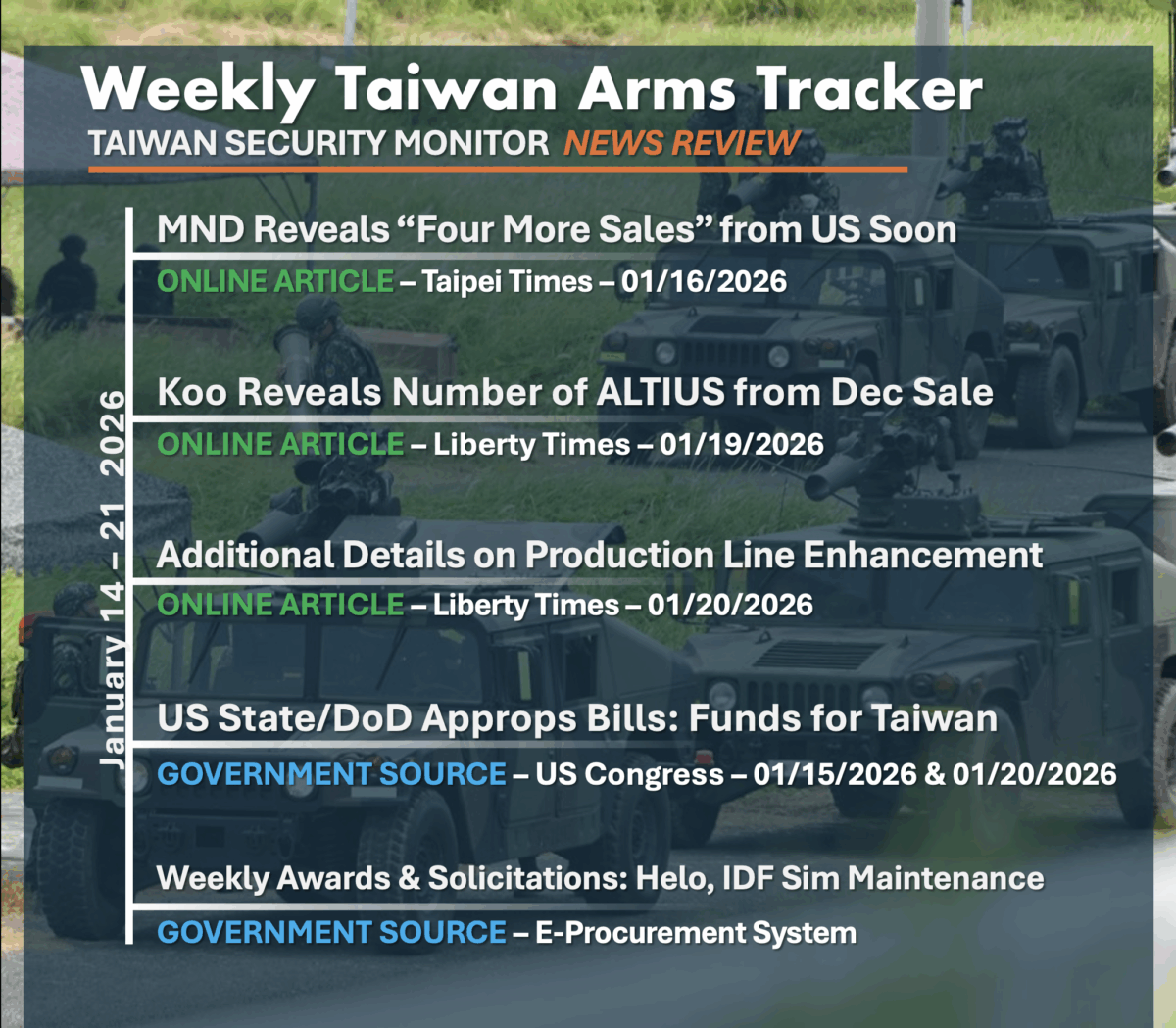
Weekly Arms Sales Tracker: 1/21/26

Author: Joe Oโ€™Connor


This week: the MND announced โ€œfour more salesโ€ not notified to the US; Minister Koo revealed the quantity of ALTIUS systems Taiwan is buying, additional news on production line enhancement emerged; and the US Congress released two appropriations bills with funding for Taiwan, alongside weekly awards and solicitations.

MND Reveals โ€œFour More Salesโ€ from US Soon

Per Vice Minister of National Defense Hsu Szu-chien on Thursday, at least four additional arms packages have yet to be notified to the US Congress, on top of Decemberโ€™s US$11 billion sale packages. Hsu did not reveal what those additional items would be, but likely four Patriot launchers and more PAC-3 MSE interceptors would be included, as MND officials had already announced.

Minister Koo Reveals Number of ALTIUS Systems from December Sale

In a closed-door LY committee briefing Monday on the NT$1.25 billion special defense budget, Minister of National Defense Wellington Koo revealed the previously undisclosed number of ALTIUS systems Taiwan would be procuring, from its December US$1.1 billion (NT$34.54 billion) package. Koo stated that 1,554 ALTIUS-700M loitering munitions and 478 ALTIUS-600 ISR UAVs would be part of that package, and that Taiwan would also be procuring around 200,000 unmanned aerial vehicles of all types and 1,000 unmanned surface vehicles.

Additional Details on Production Line Enhancement

MND officials released additional details on production line enhancement projects to be paid for under the NT$1.25 trillion special defense budget, including what factories would be focusing on. Per plans, the 202nd Factory will accelerate 155mm artillery shell production, of which only Paladin self-propelled howitzers use in Taiwan (with plans to sell surplus production). The 205th Factory will work to produce small arms ammunition, 50 million primers per year in peacetime, and up to 70 million primers during wartime. The 209th Factory will continue work on โ€œvarious new armored vehicle assembly lines,โ€ including Yunqiao โ€œClouded Leopardโ€ armored personnel carriers and a next-generation 105-mm combat vehicle. Finally, the 401st Factory will accelerate efforts on production of night-vision goggles and chemical protective masks.

US State, Defense Appropriations Bills: Funds for Taiwan

On Thursday, the US House of Representatives passed a combined appropriations bill package known as a โ€œminibusโ€ (or โ€œmini-omnibusโ€) for executive agencies, including the Department of State. This package included US$300 million in Foreign Military Financing for Taiwan, with a proviso that the Secretary of State โ€œprioritizeโ€ delivery of defense articles to Taiwan. The appropriations bill also provided for FMF loan authority to Taiwan and prohibited funds from being spent on maps that inaccurately show Taiwanโ€™s geographical holdings.

On Tuesday, both houses of Congress released a conference text of a second โ€œminibusโ€ bill, including appropriations for the Department of Defense. This bill included US$1 billion appropriated for the Taiwan Security Cooperation Initiative (TSCI), a program established in 2025 to provide defense articles, services, and training to Taiwan. This appropriation is in line with an earlier provision in the Fiscal Year 2026 National Defense Authorization Act. The billโ€™s conference report also directs the Secretary of Defense to submit a spend plan to Congress for that program. The bill also appropriates US$150 million for replacement of defense articles or reimbursement for services provided to Taiwan, designed to backfill depleted stocks. Line items indicate that this was requested to be $1 billion, but was reduced by appropriators.

Weekly Awards/Solicitations: Helo, IDF Sim Maintenance

On Monday, the Army Ordnance Maintenance and Development Center, Army Logistics Command awarded a NT$288.00 million (US$9.10 million) contract to the Armament Bureauโ€™s 202nd Factory for commercial maintenance of two items: 40mm remote-controlled gun turrets (excluding sights) and armored vehicle fire suppression systems. On the same day, the Center also awarded a NT$47.85 million (US$1.51 million) contract to NCSISTโ€™s Manufacturing Center for maintenance of short-range automated defense weapons systems. Both contracts will be fulfilled at the Centerโ€™s headquarters in Jiji Township, Nantou County.

On Tuesday, the Air Force Command awarded a NT$92.80 million (US$2.93 million) contract to Aerospace Industrial Development Corporation for maintenance of Indigenous Defense Fighter (IDF) simulators, including cockpit subsystems. This contract will be fulfilled at Ching Chuan Kang Air Base in Daya District, Taichung City; and Tainan Air Base, in South District, Tainan City.

Also, on Tuesday, the Army Command awarded a NT$1.08 billion (US$34.12 million) contract to Air Asia Co., for โ€œstrategic maintenanceโ€ of Army transport helicopters. The location of this contractโ€™s fulfillment was not stipulated. This contract may consist of arming currently held UH-60 Black Hawk helicopters, of which plans were announced last week by MND officials.

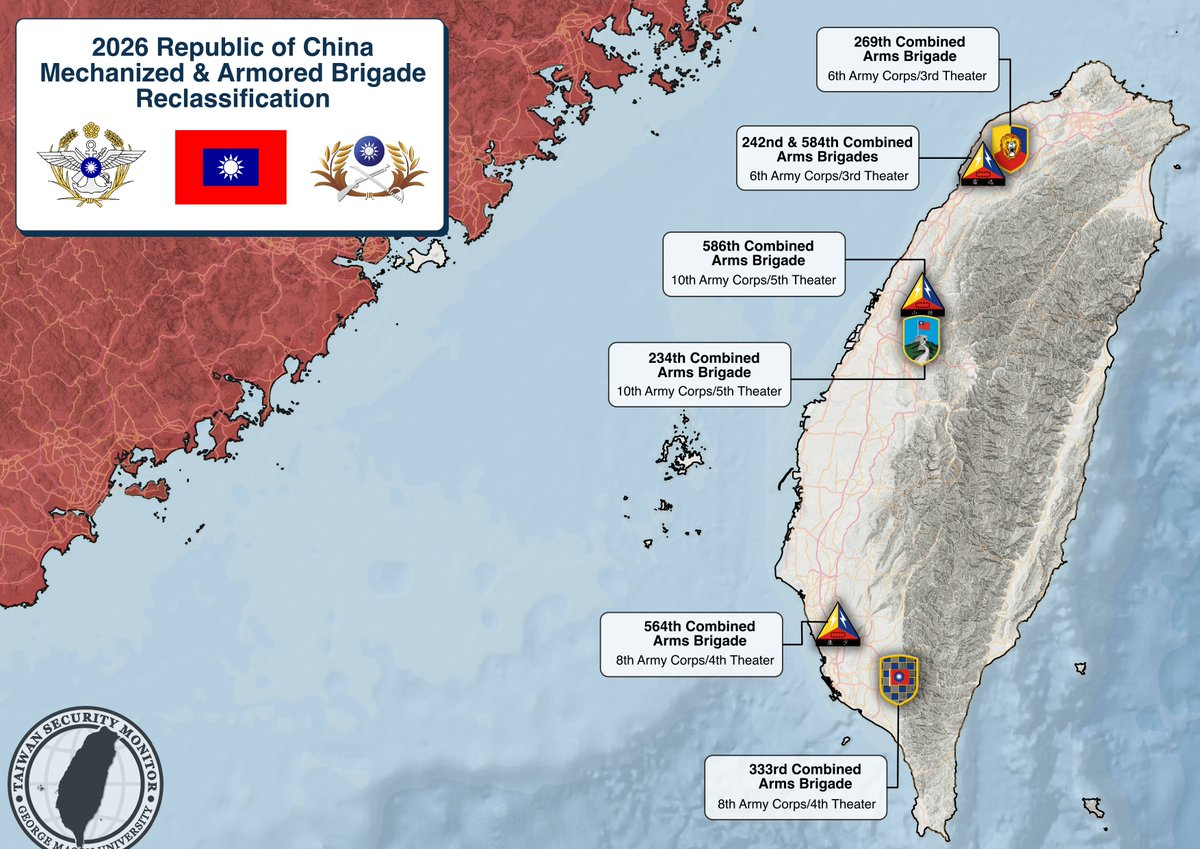
Visualization: 2026 ROC Mechanized and Armored Brigade Reclassification

Author: Noah Reed


Taiwan’s military recently reclassified its 7 mechanized and armored brigades as combined arms brigades to better align its force structure reform efforts. Our visualization highlights the distribution of those brigades, along with their new titles and unit patches.

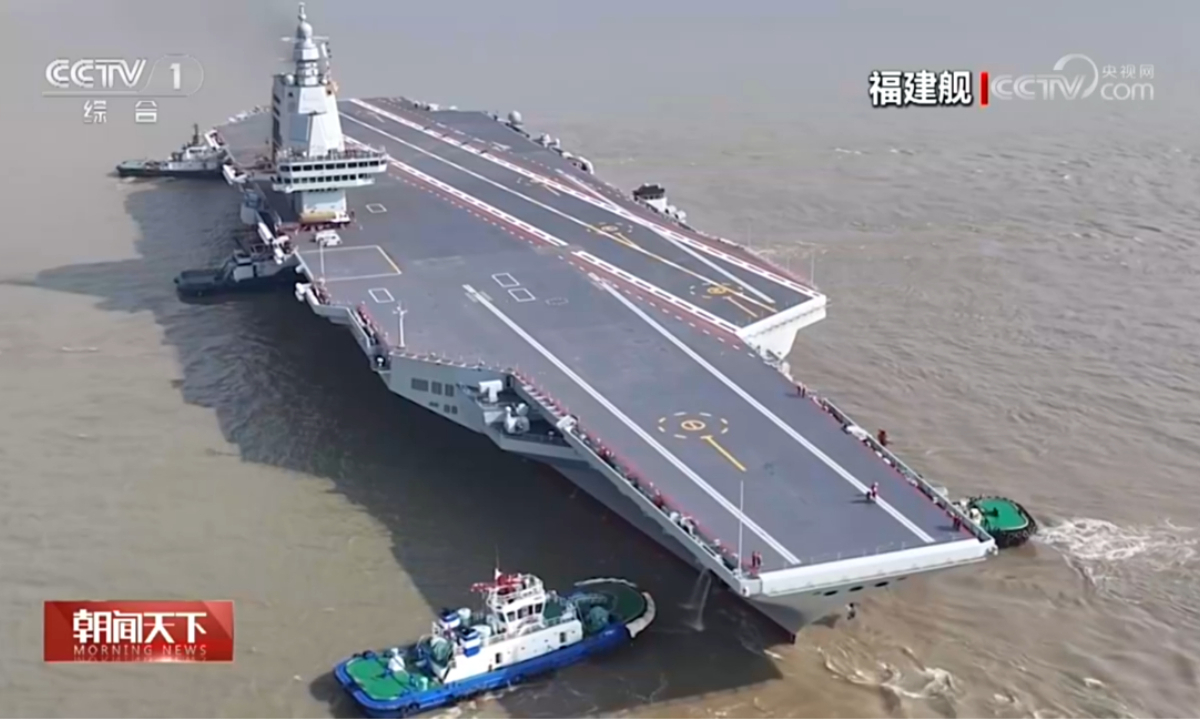
Failure to Launch: How Political Backpedaling Could Hand China the Carrier Edgeโ€‹

Authors: Ethan Connell & Jonathan Walberg


TSM Research Lead Ethan Connell and Associate Director Jonathan Walberg write about the necessity of electromagnetic launch systems (EMALS) on modern aircraft carriers, and on why a U.S. shift back to steam-powered launch systems could be catastrophic.

Read the full piece here.

Weekly Security Review: 1/19/26

Author: Jaime Ocon


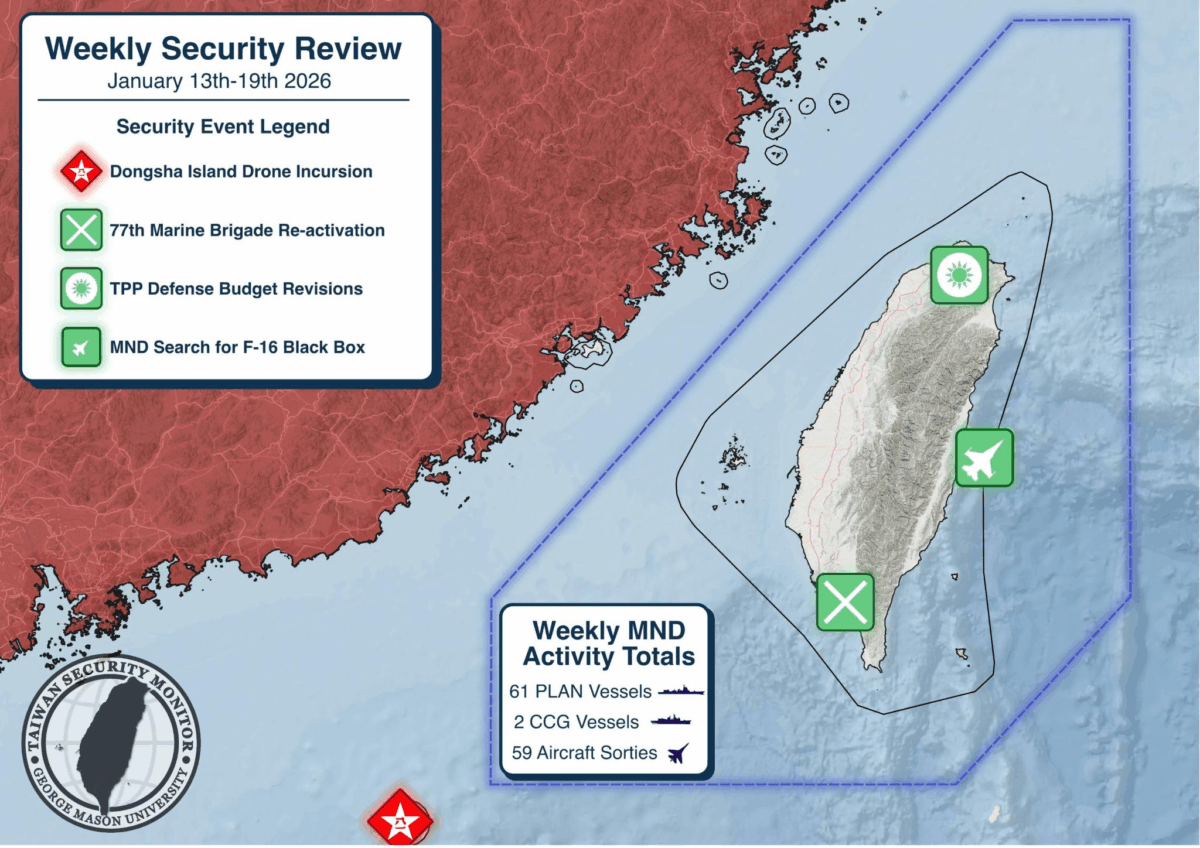
Welcome to the Weekly Security Review, where we highlight key military, security, and political developments around Taiwan in one straightforward summary!

This week, a Chinese drone breaches Taiwanโ€™s airspace for the first time, the Marine Corps brings back a long-dormant unit, an opposition party challenges the governmentโ€™s record defense budget, and investigators scramble to retrieve an F-16โ€™s black box.

PLA Reconnaissance Drone Breaches Taiwanโ€™s Airspace Near Dongsha Island

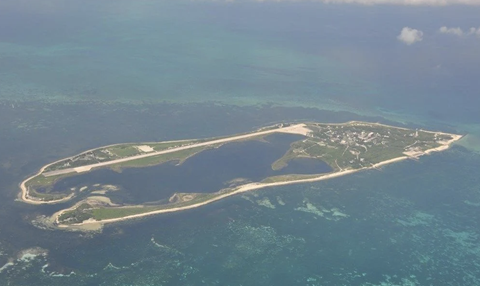
We start this week with some concerning news from Taiwanโ€™s Ministry of National Defense (MND), which reported that a Chinese Peopleโ€™s Liberation Army (PLA) reconnaissance drone breached airspace over Dongsha Island on Saturday, 17 January. This is the first publicly disclosed instance of a PLA air asset breaching Taiwanโ€™s airspace, though notably, Dongsha is an outlying island and farther away in the South China Sea. Taiwanโ€™s military said it issued radio warnings at 0541 when the drone was first detected, but by 0544 the aircraft had already entered the islandโ€™s airspace. By 0548, the drone had left the area after continued radio warnings on international channels. In a statement, Taiwanโ€™s MND says that the PLAโ€™s behavior was โ€œhighly provocative and irresponsible,โ€ adding that it undermined regional peace and violated international law. The PLA Southern Theater Command responded and said the drone was conducting โ€œnormal flight training in the airspace near Chinaโ€™s Dongsha Island,โ€ and that the operation was โ€œentirely justified and lawful.โ€ China and Taiwan both claim Dongsha Island, also known as Pratas Island, as their own, but Taiwan administers the island, where it has built a runway and hosts a small garrison of some 500 marines.

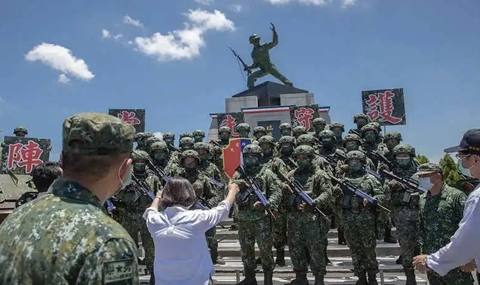
Left: Aerial image of Dongsha Island, Right: Former President Tsai Ing-wen visits marines based in Dongsha

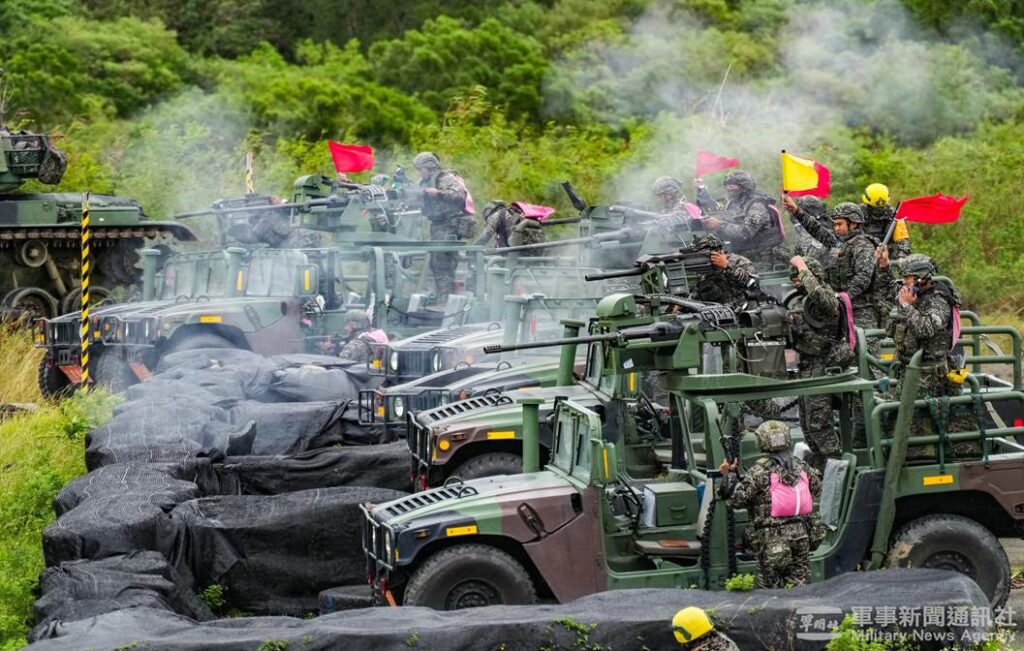
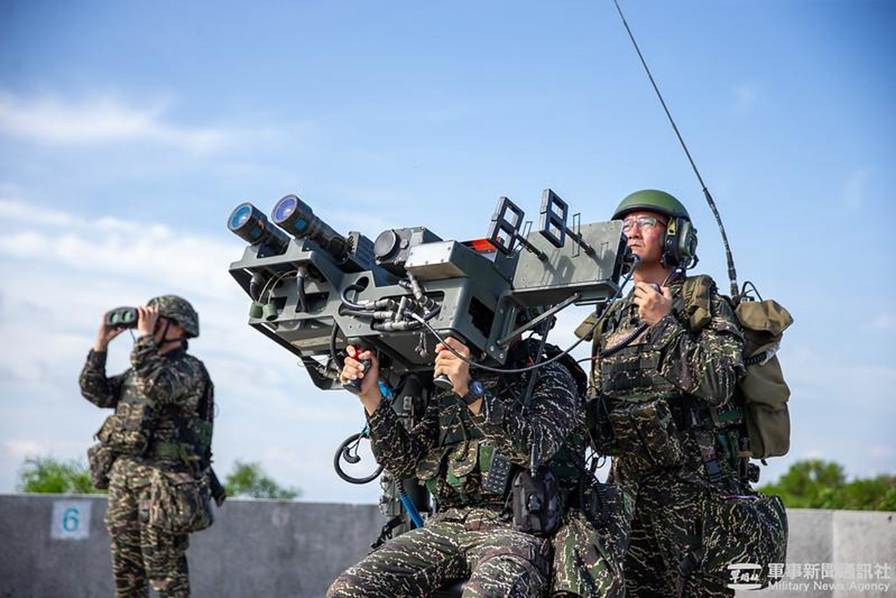
In the same statement mentioned above, the MND said the drone was flying outside the range of the garrisonโ€™s air-defense weapons. This is concerning, but publicly available information shows that these Marines from the 99th Brigade are not heavily armed. These Marines are equipped with 120mm mortars, 40mm anti-air autocannons, dual-mounted Stinger missiles, and Kestrel anti-armor rocket launchers.  Commanders are authorized to fire back at potential enemy troops if communications are cut off from the main island.

However, harassment of Taiwanโ€™s outlying islands, especially Dongsha, is not new. Chinese maritime law enforcement and PLAN vessels are frequently spotted operating in the waters near Taiwanโ€™s claims. Just this past week, on 14 January, Taiwanโ€™s Coast Guard Administration spotted a Chinese Coast Guard ship operating just outside Dongsha Islandโ€™s restricted waters. It was on track to breach restricted waters until Taiwan dispatched two patrol ships, Yunlin and Kaohsiung, to intercept and drive the ships away. Saturdayโ€™s report of a drone breaching Taiwanese airspace, paired with the militaryโ€™s acknowledgment that it lacked the capability to shoot it down, is concerning, to put it mildly. It suggests we may see more incidents like this as Beijing probes for gaps in Taiwanโ€™s defenses and expands its gray-zone playbook.

Taiwan Re-Activates Marine Brigade for Extra Infrastructure Security

Taiwanโ€™s military is mulling reactivating the 77th Marine Brigade, a unit downgraded in 2014 to the current Air Defense and Base Guard Group, with military officials saying it will be modeled on US forces tasked with coastal defense and rapid deployment. The unitโ€™s planned equipment package includes U.S.-standard M4A1 rifles, M4โ€ฏrecoilless rifles for antiโ€‘armor tasks, and manโ€‘portable Stinger missiles. The MND says the emphasis for this group of soldiers is mobility and precision rather than heavy armor capabilities. The brigade is also expected to incorporate layered counterโ€‘drone capabilities, employing both โ€œsoftโ€‘killโ€ electronic warfare and โ€œhardโ€‘killโ€ kinetic defenses. Officials say this decision was made after recognizing the variety of unmanned threats posed by the PLA and as Taiwan continues to modernize its amphibious warfare tactics.

Taiwanโ€™s 99th Marine Brigade conducts combined arms training

Currently, Taiwan has two Marine brigades: the 66th Brigade in the north and the 99th Brigade in the south. According to the MND, the 77th Brigade will oversee the defense of Taiwanโ€™s four principal naval hubs (Zuoying,โ€ฏSuโ€™ao,โ€ฏKeelung, andโ€ฏMagong), along with several coastal missile bases. Officials say the new brigade creates a more flexible, regionally distributed force capable of rapid response and sustained littoral defense against potential PLA incursions.

Recently, the 66th Marine Brigade underwent comprehensive changes, the first being a major transfer from its original base near Tamsui District, New Taipei, to Songshan Airport in Taipei. MND officials said that this redeployment was meant to bolster the security of critical infrastructure within the capital and protect key sites like the MND HQ, Presidential Office, and Legislative Yuan. The brigade is now a strategic reserve force directly under the General Staff Headquarters and will conduct operations alongside the 202nd Military Police Command, also headquartered in Taipei.  Additionally, the Marinesโ€™ M60A3 tank battalion and M109A2 self-propelled artillery battalion are also being gradually phased out and converted into a โ€œdrone firepower unitโ€ to establish more sophisticated intelligence, surveillance, and reconnaissance capabilities to supplement long-range strike operations.

I mention these changes to the 66th because Taiwanese defense planners have really tried to figure out what to do with their force of roughly 10,000. I believe more changes are coming as 2026 introduces the โ€œLittoral Commandโ€ for the Navy and as more Haifeng anti-ship missile brigades come online. Letโ€™s see how things go for the 77th.

Soldiers from the 66th Marine Brigade operate a dual-mounted Stinger in Taipei

TPP Proposes Revised Defense Budget (link to original story)

On 15 January, the chairman of the opposition Taiwan Peopleโ€™s Party (TPP), Huang Kuo-chang, said the TPP will propose an alternative special defense budget compared to the one currently drafted by the ruling Democratic Progressive Party (DPP). The announcement comes after Huang returned from a one-day trip to Washington, where he reportedly met with State Department, AIT, and NSC officials.

According to Huang, the TPP is concerned about the lack of clarity in the governmentโ€™s proposed NT$1.25 trillion (US$39.5 billion) special defense budget, especially given the size of the most recent defense package. He claims that U.S. officials โ€œagreedโ€ with him and added that in his proposed bill, a large proportion of the funds would not go toward U.S. arms purchases. Huang says this trip has hardened his stance on the budget, and the TPP will wait for a closed-door briefing from the Ministry of National Defense next week before submitting its own proposal.

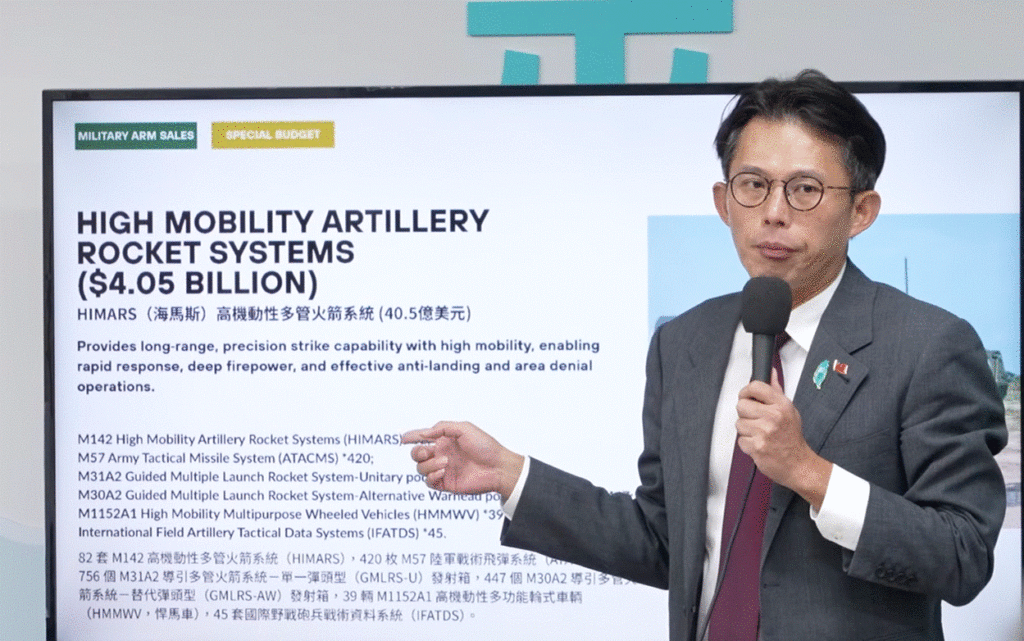
Taiwan Peopleโ€™s Party (TPP), Huang Kuo-chang gives a briefing in Taipei on a possible U.S. arms sale.

This comes as the TPP and Kuomintang (KMT) have worked to block the special budget at least six times. The DPP says their budget would be used to finance the next wave of military modernization and help pay for a series of recent U.S. arms packages worth more than $11 billion. The MND says that โ€œat least fourโ€ U.S. arms packages will be notified to Congress in the near future, which puts even more pressure on the Lai administration to find a way to pay for these systems and equipment.

Military Deploys Retrieval Team to Recover Black Box from Crashed F-16

The Air Force says it has pinpointed the location of the black box from an F-16 that crashed last week during a routine nighttime training exercise. Search and rescue operations are still ongoing for the pilot, and the aircraft has yet to be located.

Earlier this week, Air Force personnel detected small, intermittent signals coming from the flight recorder near the crash site. The MND is now seeking assistance from Singaporean and Japanese salvage companies for the retrieval mission, as Taiwan lacks the capacity to conduct deep-sea salvage operations.

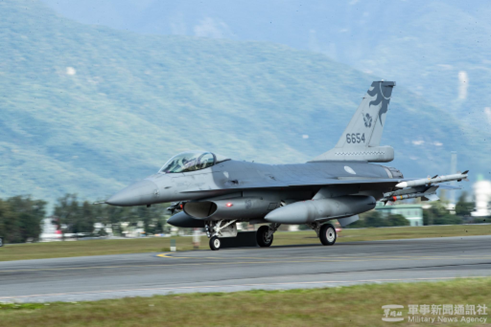
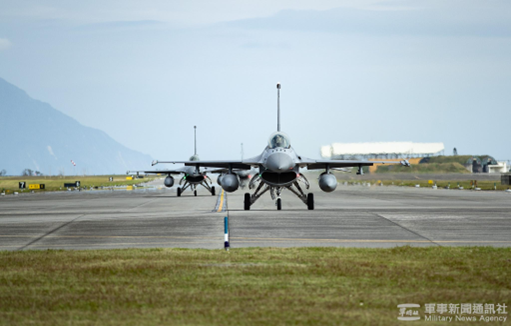
In response to the crash, Taiwan grounded its entire fleet of F-16s for inspection as part of the overall investigation into the crash. The aircraft have since returned to service, and the MND posted these photos of the first flight operations after the incident.

ROCAF F-16โ€™s prepare for takeoff at Hualien Air Force Base.

Weekly PRC Media Review: 1/16/26

Author: Ethan Connell


Hereโ€™s the latest edition of the TSM PRC State Media Tracker. Each Friday, we highlight key excerpts from Chinaโ€™s state media organs, such as the Ministry of Foreign Affairs, the Ministry of National Defense, and the Taiwan Affairs Office, all below!

Response to Events in Venezuela

14 January 2026

Comments from the Taiwan Affairs Office and the Ministry of National Defense on the implications of the United States capturing Venezuelan President Nicolรกs Maduro:

At the January 14 press conference of the Taiwan Affairs Office of the State Council, a reporter asked: The United States recently sent troops to forcibly take control of Venezuelan President Nicolรกs Maduro and his wife and deport them, which has drawn widespread attention in Taiwan. Time magazine published an article saying that what Taiwan should really worry about is that U.S. attention will be consumed by Venezuela, thereby losing the United States as its โ€œbackerโ€; and that China does not need any international โ€œprecedentโ€ to take action on its own territory. What is your comment on this?

TAO spokesperson Zhu Fenglian responded that Taiwan is a part of China. The Taiwan question is Chinaโ€™s internal affair, and resolving the Taiwan question is a matter for the Chinese people themselves and a just cause to safeguard national sovereignty and territorial integrity. โ€œOutsiders cannot be relied upon.โ€ The Democratic Progressive Party (DPP) authoritiesโ€™ attempt to โ€œseek independence by relying on external forcesโ€ will only end up with them becoming โ€œdiscarded pawnsโ€ of external forces.

(Reporter): Some public opinion on the island is concerned that the mainland might emulate what the United States did with Venezuela to โ€œlegitimizeโ€ taking action against Taiwan. Some foreign media say that if the mainland wanted to copy the U.S. approach to handling the Taiwan issue, the costs and risks would be much higher. What is your comment?

(Zhang Xiaogang): The Taiwan question is purely Chinaโ€™s internal affair; how it is resolved is for the Chinese people to decide, and external forces have no right to make remarks. Dealing with โ€œTaiwan independenceโ€ armed forces would be like catching a turtle in a jarโ€”any measures that can severely punish โ€œTaiwan independenceโ€ elements are on the table.

The USโ€™ Economic โ€œPlunderingโ€ of Taiwan

14 January 2026

Comment from the Taiwan Affairs Office on the announcement that a tariff deal between Taiwan and the United States is nearing completion, under which U.S. tariffs on imports from Taiwan would be lowered to 15 percent, and TSMC would make additional investments in Arizona to build at least five more semiconductor plants:

At the January 14 press conference of the Taiwan Affairs Office of the State Council, a reporter asked: The New York Times recently reported that people familiar with the matter said the United States is close to reaching a trade agreement with Taiwan, under which U.S. tariffs on imports from Taiwan would be lowered to 15 percent, and TSMC would make additional investments in Arizona to build at least five more semiconductor plants. Figures and public opinion in Taiwan have questioned whether the Democratic Progressive Party (DPP) authorities are โ€œtrading investment for tariffs,โ€ which would lead to top-tier semiconductor production capacity moving to the United States and turn TSMC into โ€œU.S. TSMC.โ€ What is your comment?

TAO spokesperson Zhu Fenglian responded that the so-called agreement is an act of economic plunder by the United States against Taiwan using high tariffs as leverage, and a scheme to โ€œbleedโ€ Taiwanโ€™s industries. This not only exposes the selfish nature of โ€œAmerica First,โ€ but also lays bare the malicious intent of the United States in treating Taiwan as a pawn.

She said that when faced with the blatant bullying and plunder by external forces, the DPP authorities not only offer no resistance, but instead actively cater to them, treating the islandโ€™s core technological advantages as a โ€œpledge of allegianceโ€ to ingratiate themselves with outside forces. In tariff negotiations, they โ€œkneel before even negotiating,โ€ and in the face of economic extortion, they โ€œoffer the other cheek after being slapped.โ€ The more โ€œcontracts of selling oneselfโ€ they sign, the more they will ultimately destroy Taiwanโ€™s economic development prospects and harm the long-term interests of the people of Taiwan.

17 Strategies for Cross-Strait Relations

14 January 2026

On the recent passage of draft amendments to the โ€œAct Governing Relations Between the People of the Taiwan Area and the Mainland Area” in Taiwan:

At the January 14 press conference of the Taiwan Affairs Office of the State Council, a reporter asked: The Democratic Progressive Party (DPP) authorities have recently passed four draft amendments related to security as well as revisions to the โ€œAct Governing Relations Between the People of the Taiwan Area and the Mainland Area.โ€ Public opinion on the island has pointed out that these are concrete steps to push forward Lai Ching-teโ€™s so-called โ€œ17 strategies,โ€ aimed at further restricting cross-Strait exchanges. Behind this is the DPP authoritiesโ€™ political calculation to achieve โ€œmartial law on speechโ€ and โ€œmartial law on the internet.โ€ What is your comment?

TAO spokesperson Zhu Fenglian responded that Lai Ching-teโ€™s so-called โ€œ17 strategiesโ€ completely go against the mainstream public opinion in Taiwan that wants peace, development, exchange, and cooperation, and fully prove that he is a โ€œdestroyer of cross-Strait peaceโ€ and a โ€œmaker of Taiwan Strait crises.โ€

She said that the DPP authoritiesโ€™ recent actions have sinister intentions and seek to open the door wide for further creating โ€œgreen terror,โ€ plotting โ€œTaiwan independence authoritarianism,โ€ and undermining cross-Strait exchanges and cooperation. These reprehensible actions that are anti-peace, anti-exchange, anti-democracy, and anti-humanity will inevitably be opposed and are doomed to fail.

Taiwanโ€™s Resolve to Fight

16 January 2026

From China’s Ministry of National Defense on a recent poll alleging 60% of respondents are “unwilling to go to the battlefield” :

(Reporter): It is reported that a Taiwan public opinion poll shows that more than 60% of respondents said they are unwilling for themselves or their family members to go to war. What is your comment?

(Zhang Xiaogang): This again shows that the overwhelming majority of people on the island want peace, development, exchange, and cooperation, and do not want to see cross-strait confrontation or antagonism, let alone armed conflict. The Lai Ching-te authorities are acting against the current, seeking โ€œindependenceโ€ and provoking war; their true face as โ€œdestroyers of peace,โ€ โ€œmanufacturers of crisis,โ€ and โ€œinstigators of warโ€ will be seen through by more and more people. I believe no one is willing to be โ€œcannon fodderโ€ for โ€œTaiwan independence.โ€ The separatist โ€œTaiwan independenceโ€ forces go against public opinion and will ultimately be swept into the dustbin of history.

Japanese Cabinet Secretary Visits Taiwan

16 January 2026

A Japanese delegation led by Katsunobu Kato, member of the House of Representatives and former chief cabinet secretary, was received at the Presidential Office in Taipei City.

China’s Ministry of Foreign Affairs’ response:

Nippon TV reporter: A former Japanese Chief Cabinet Secretary visited Taiwan and held talks with Taiwan’s “presidentโ€ Lai Ching-te. Lai thanked the Japanese prime minister for continuing to express the position of attaching importance to peace and stability in the Taiwan Strait. What is Chinaโ€™s comment?

Guo Jiakun: Taiwan is a province of China; there is no such thing as a โ€œpresident.โ€ There is only one China in the world, and Taiwan is an inalienable part of Chinaโ€™s territory. China firmly opposes any form of official interaction between countries that have diplomatic relations with China and the Taiwan authorities. We urge Japan to earnestly abide by the one-China principle and not send any wrong signals to โ€œTaiwan independenceโ€ separatist forces. We also want to stress that what Japan should most do now is retract Kลichi Hagiudaโ€™s erroneous Taiwan-related remarks.