Taiwan Security Monitor

Weekly Security Review: 2/9/26

Author: Jaime Ocon


Welcome to the Weekly Security Review, where we highlight key military, security, and political developments around Taiwan in one straightforward summary!

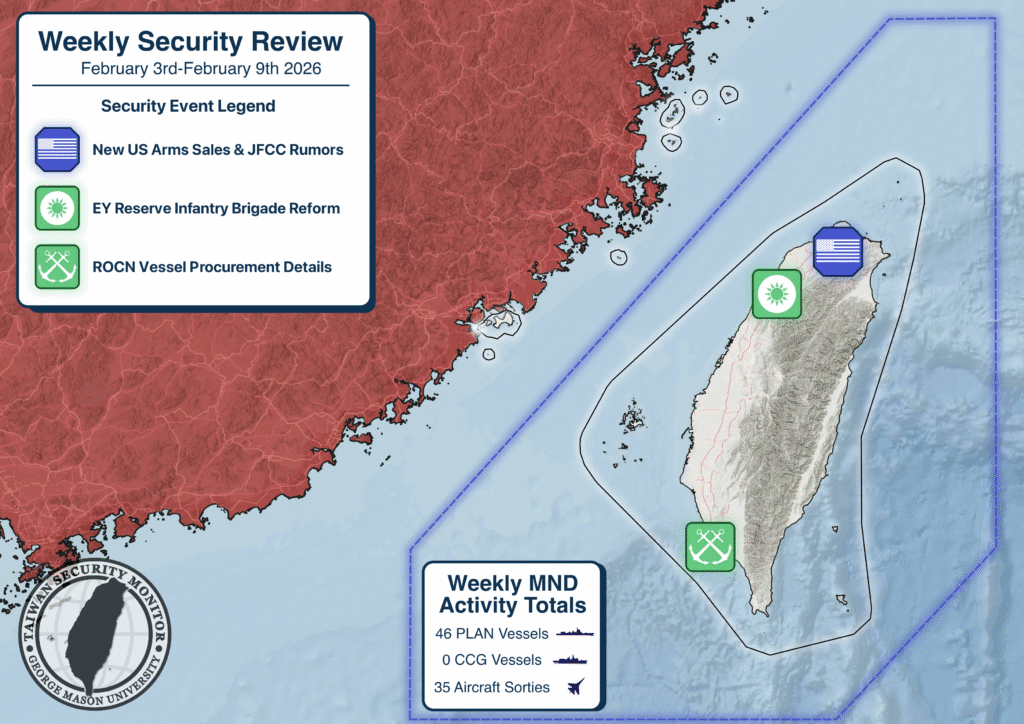
This week, Washington eyes new air defense upgrades for Taiwan, conscripts gear up for enhanced training, talks of a joint U.S.-Taiwan firepower center heat up, and the Navyโ€™s modernization plan raises a big question: How many ships are too many?
FT: U.S. Set to Approve Huge Air Defense Package to Taiwan

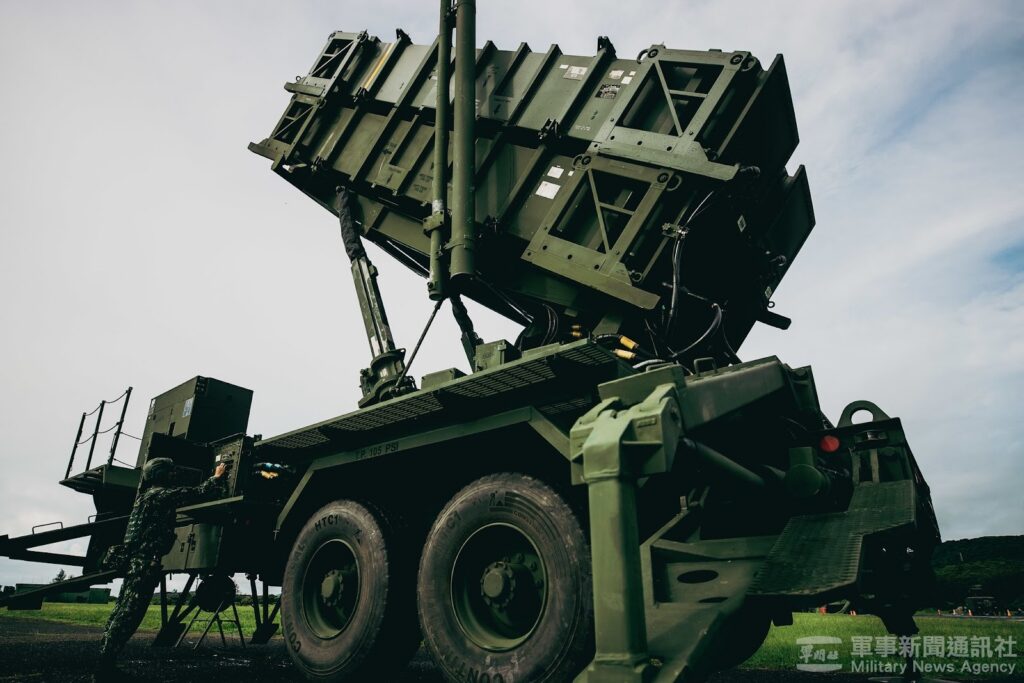
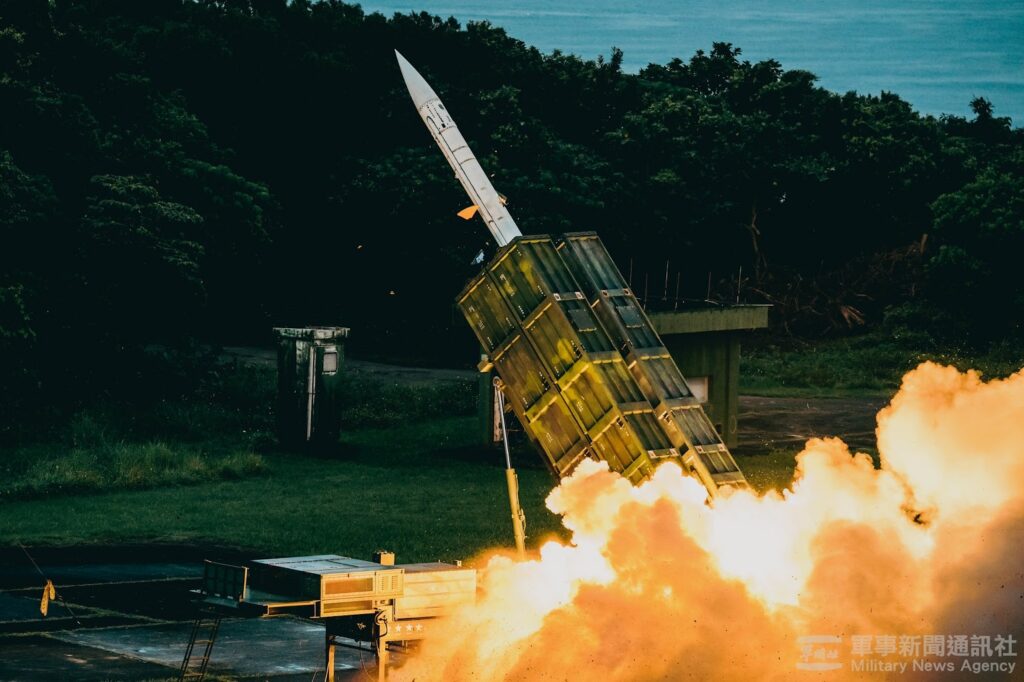
A report on Friday, 6 February, from the Financial Times revealed that the U.S. is preparing a set of four new arms packages for Taiwan, including Patriot missiles and launchers, potentially worth up to $20 billion. The prospective deal is also expected to include additional National Advanced Surface-to-Air Missile Systems (NASAMS), as well as two other unknown sales. This comes after the U.S. already approved a US$11 billion arms package, but funding for that deal (part of a special defense budget) is currently stalled in the Legislative Yuan by opposition parties. All eyes are now on the Trump administration and whether or not the proposed sale will be announced to Congress before or after Trumpโ€™s trip to China in April. Beijing has warned that any sort of arms deal could derail President Donald Trumpโ€™s planned state visit, with Chinese President Xi Jinping personally urging the U.S. to handle Taiwan arms sales โ€œwith prudence.โ€

While more willingness from the U.S. to provide defense equipment to Taiwan is great for the countryโ€™s defense, it could potentially put Taipei in a difficult position if it is unable to pay on time or at all. Senators Jim Risch (R-ID) and Jeanne Shaheen (D-NH) are among a handful of U.S. lawmakers who have criticised the stalled budget and are putting pressure on Taiwanโ€™s political parties to cooperate and fund the islandโ€™s security. The Legislative Yuan, meanwhile,  is on winter break until the end of February. 

Taiwan Announces Reorganization of Conscripts Units and Training 

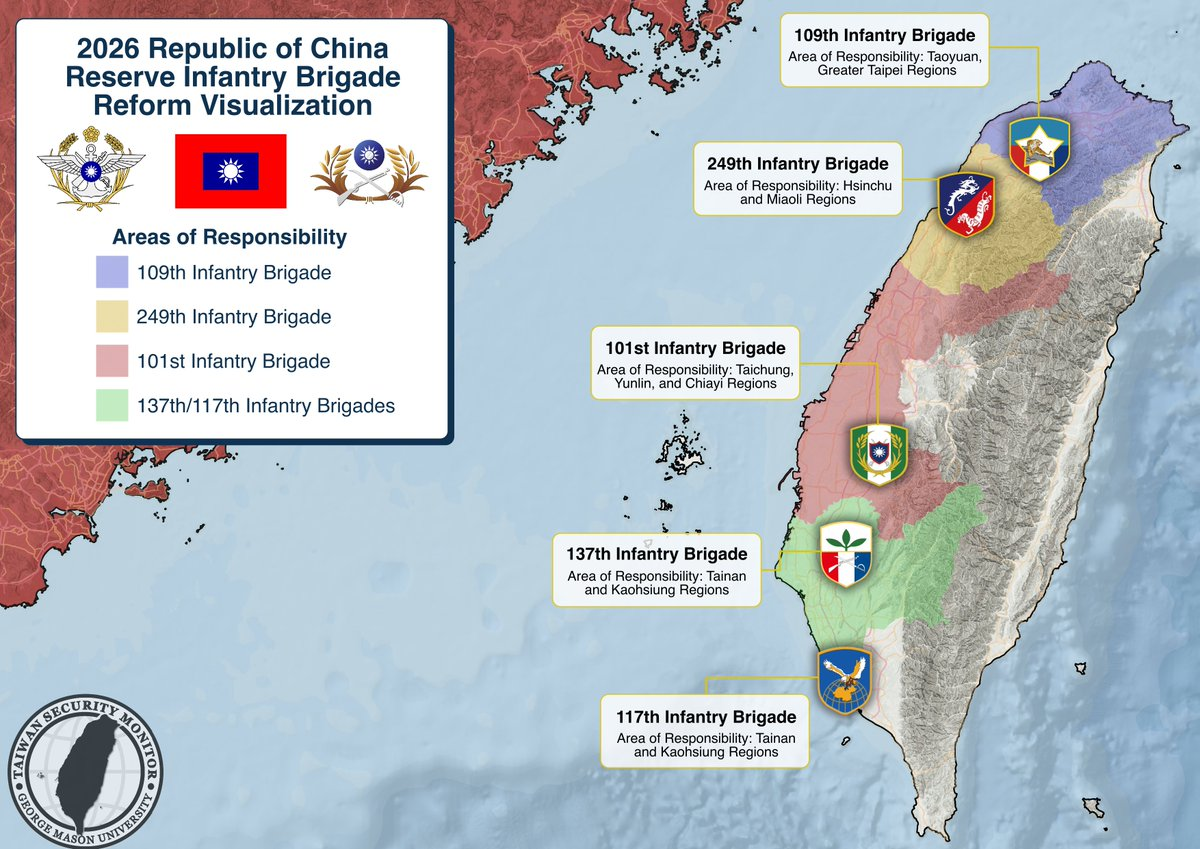
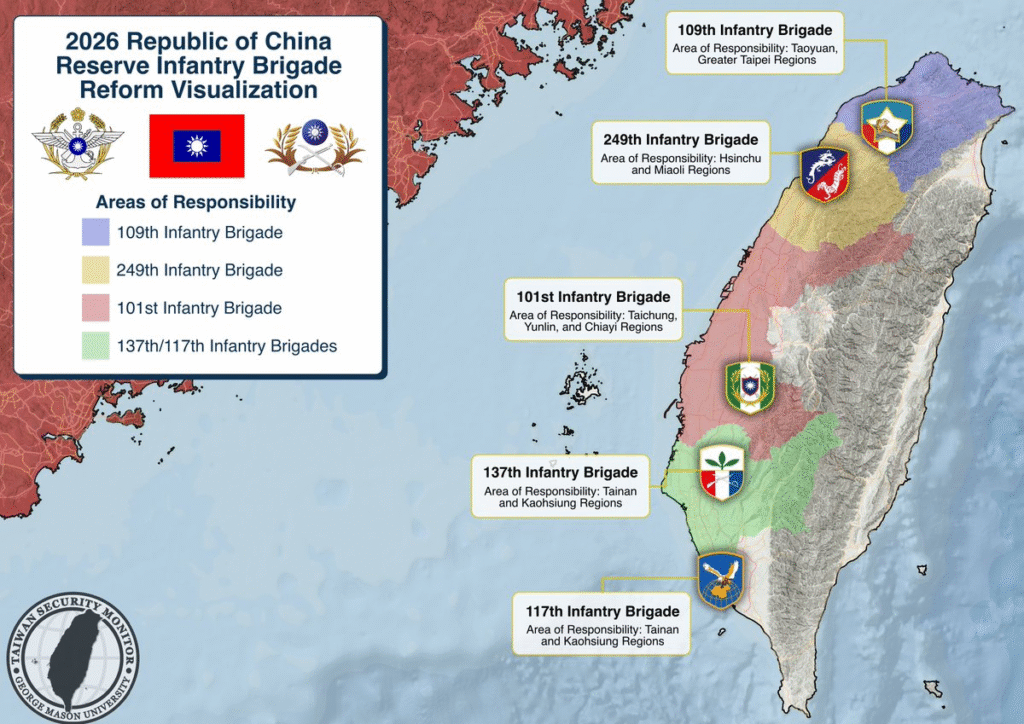
Taiwanโ€™s Executive Yuan (EY) released a policy report with a detailed overview of major defense reforms, including a change to conscript training. According to the report, starting this year, conscripts will not only be reorganized into battalion-level units but also grouped into combined-arms brigades when conducting the annual Lien Yung live-fire exercise. One of the main goals for the military is to โ€œenhance joint counter-force strike capabilities,โ€ which is why conscript units will move beyond static defense. Traditionally, once conscripts completed basic training, they would serve as support for the main volunteer force, helping to provide logistics. They will now train alongside main combat units equipped with systems like new M1A2T Abrams tanks and Clouded Leopard infantry fighting vehicles. A number of brigades are planned, which include: 

  • 109th Infantry Brigade (่™Ž่บ้ƒจ้šŠ) โ€“ guarding the Taoyuan Plateau and the northern gateway to Greater Taipei.
  • 249th Infantry Brigade (้พ่™Ž้ƒจ้šŠ) โ€“ defending Zhunanโ€™s beach and the Hsinchu Science Park area.
  • 101st Infantry Brigade (ๅ …ๆฏ…้ƒจ้šŠ) โ€“ securing deep inland areas of Taiwanโ€™s central region.
  • 137th Infantry Brigade (ๅ—ๅจ้ƒจ้šŠ) and 117th Infantry Brigade (ๆตท้ตฌ้ƒจ้šŠ) โ€“ responsible for guarding the cities of Tainan and Kaohsiung.
While the move is a step in the right direction in terms of the planned quality of training, there are several obstacles and potential roadblocks. The main concern is training capacity and feasibility. According to Chieh Chung, a strategic studies professor at Tamkang University, the advanced 13-week base-level field training could only be properly conducted at two large facilities โ€“ Hukou in Hsinchu, northwestern Taiwan, and Baihe in Tainan, southern Taiwan. There is also the concern of a lack of trainers, as without adequate training, this risks labelling units as combat-ready when they might be lacking in quality. 


Rumors of a U.S.-Taiwan Joint Firepower Coordination Center Circulate

Some interesting news came out this week about the possibility of a U.S.-Taiwan Joint Firepower Coordination Center (JFCC). In a span of 2 weeks, Taipei-based United Daily News and the U.S. outlet Defense News have run similar stories claiming that both countries are working to set up a mechanism and procedure to coordinate precision strikes. To be very clear, this has not been confirmed by either side. Taiwanโ€™s MND says details regarding the cooperation center are “inconvenient to disclose,” but confirmed that Taiwan has “institutionalized” and “deepened” cooperation with the U.S. military to enhance its defense capabilities. This is significant for several reasons, but we need to first understand where Taiwan stands in terms of its U.S. defense procurement. 
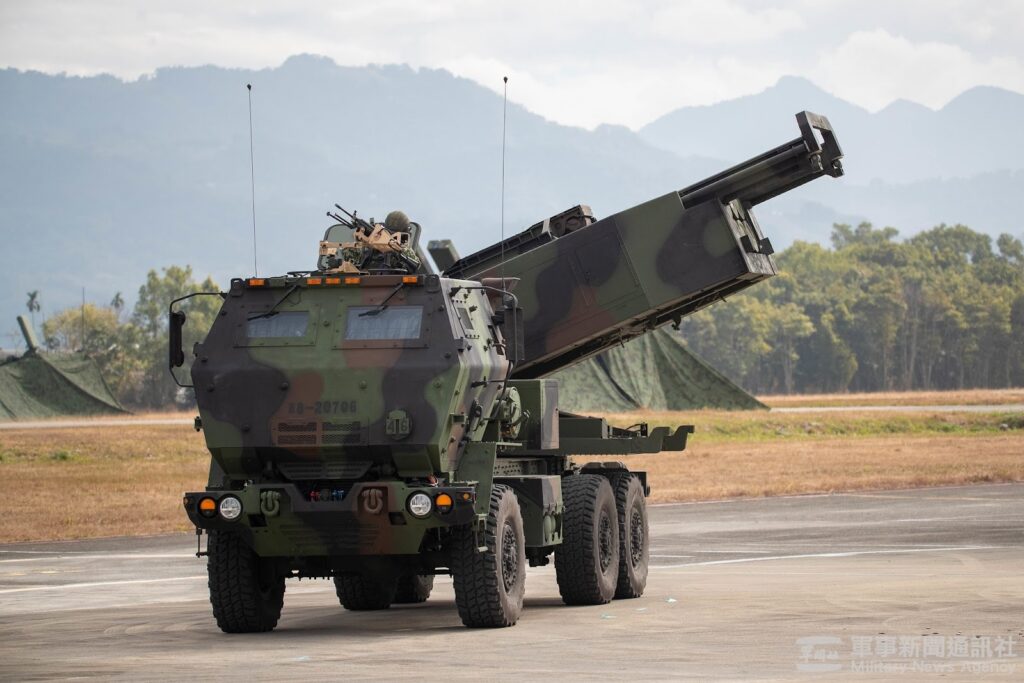
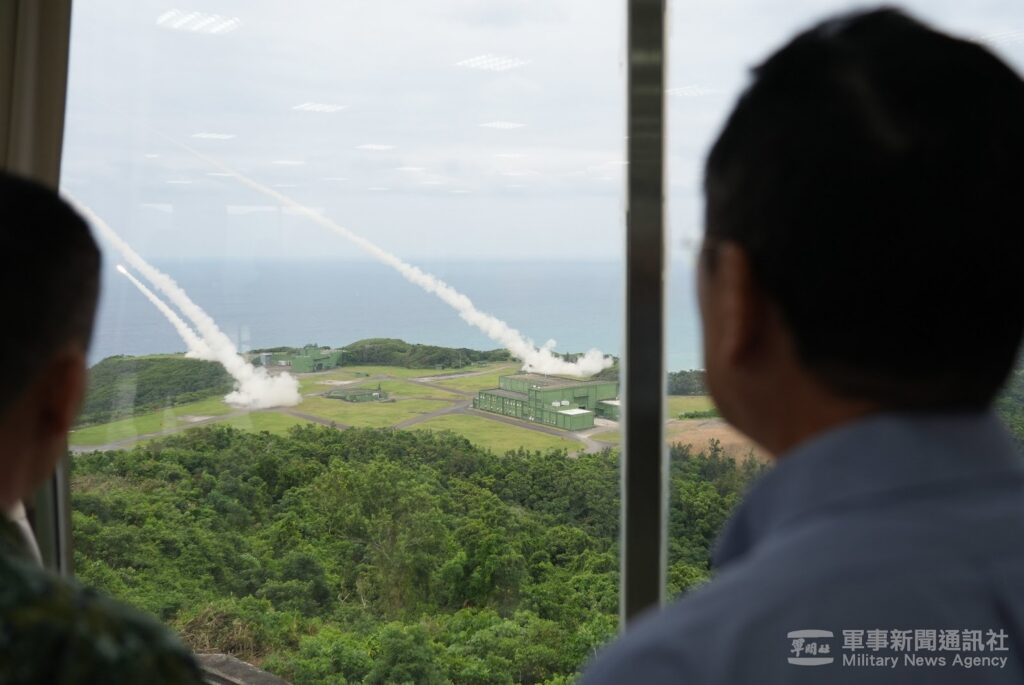
Taiwanโ€™s military has been trying to stockpile and produce a variety of precision-guided munitions and support equipment to boost its strike and defense capabilities. Military sources say that Taiwan still has more than 1,000 missiles pending delivery, which include PAC-3 MSE, AMRAAMs, the shore-based Harpoon Coastal Defense System (HCDS), and ATACMS. On top of that, if the MND can secure full funding in its supplemental special defense budget, Taiwan can acquire over 200,000 UAVs, 100,000 USVs, and thousands of other domestically produced missiles. 

A major obstacle for Taiwan is creating a robust and capable C4ISR (Command, Control, Communications, Computers, Intelligence, Surveillance, and Reconnaissance) system. For decades, Taiwan continued to procure expensive โ€œlegacyโ€ platforms that have questionable survivability and largely neglected improved sensor and software capabilities. Taiwan does not have many satellites, and local reporting shows that it has a mediocre grasp of its maritime domain. This is where the JFCC could help fill the gap needed for effective strike operations, with the MND already stating the center โ€œwill be able to effectively coordinate firepower deployment across different service branches, thereby maximizing operational effectivenessโ€. 

According to military sources, the General Staff Headquartersโ€™ Operations and Planning Office (J-3) will be responsible for allocating and managing upcoming assets and has already begun preparatory work to help establish the JFCC. Included in the US$40 billion supplemental budget are plans to invest nearly US$3.1 million to upgrade the Joint Operations Command, Joint Emergency Response, and distributed command centers, with an additional US$316,000 allocated to the Intelligence Division. 

Assuming that the most recent package of HIMARS approved in December 2025 is fulfilled, Taiwan will be the second largest operator of those systems behind the U.S. With local media already teasing possible deployments of the system in the outlying islands of Penghu, and more โ€œfirepowerโ€ units being created, Taiwanโ€™s next challenge will be to upgrade its infrastructure to support this new hardware.
Navy Eager to Start Massive Modernization Program

Taiwan is planning a major naval modernization centered on six new ship programs between roughly 2027 and 2040. Below is a public list of planned vessels with their production schedule and estimated cost.

  • 1 submarine rescue ship (2027โ€“2032, ~NT$13.2bn)
  • 1 next-generation fast combat support ship, Panshih class (2027โ€“2033, ~NT$17.2bn)
  • 5 next-generation light frigates (anti-submarine warfare variant) (2028โ€“2040, ~NT$125bn)
  • 5 next-generation light frigates (air defense variant) (2028โ€“2040, ~NT$125bn)
  • 2 rescue ships (2027โ€“2034, ~NT$21.8bn)
  • 1 additional Yushan-class dock landing ship (2028โ€“2034, ~NT$13.4bn)

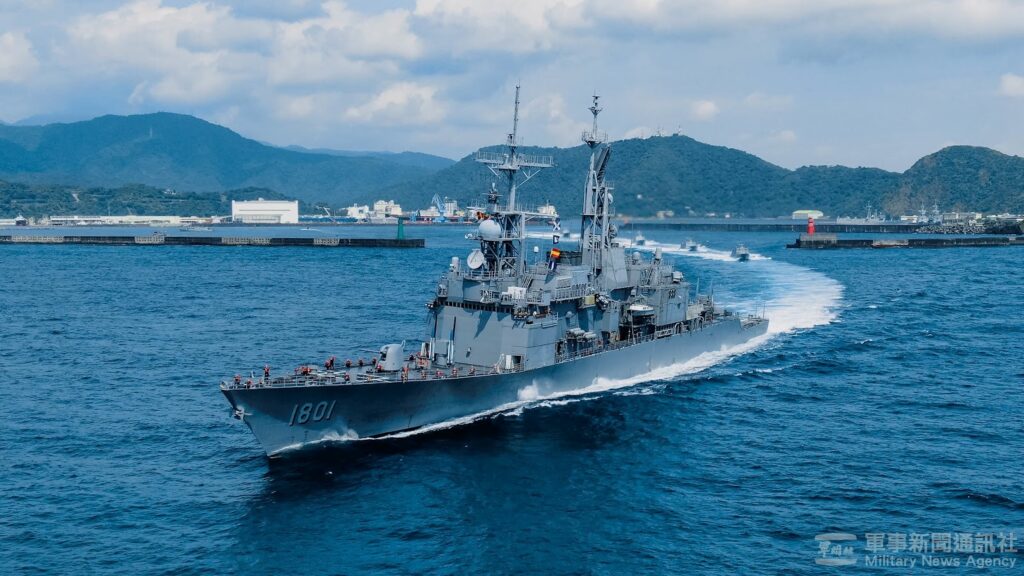
The much-anticipated light frigates were scaled down from the original 4,500-ton concept to 2,500 tons and are meant to strengthen badly needed anti-air and anti-submarine capabilities in the face of threats from the Peopleโ€™s Liberation Army Navy, Air Force, and Rocket Force. Currently, around 60 percent of Taiwanโ€™s main surface fleet is nearing 30 years old, with some ships passing 50 years in service. This is why the Navy says modernization and phasing out aging platforms should be the countryโ€™s priority. 

However, Taiwan faces a dilemma, as the military needs to decide how it will balance the daily gray-zone pressure brought by Chinese Coast Guard vessels and naval vessels, as well as the worst-case invasion scenario. The ROCN has already started to replace legacy vessels and introduce smaller Tuo Chiangโ€“class โ€œcarrier killersโ€ that rely on โ€œshoot-and-scootโ€ tactics with Hsiung Feng III missiles. Taiwanโ€™s Coast Guard Administration has also made headway in beefing up its fleet with plans unveiled in September 2025 to add 12 new 2,000-ton class cutters and 28 new smaller boats. Some critics argue that investing in unmanned vessels armed with loitering munitions could offer cheaper, more survivable firepower. The MND says that the modernization plan is in line with the countryโ€™s combat needs and threats it faces today. 
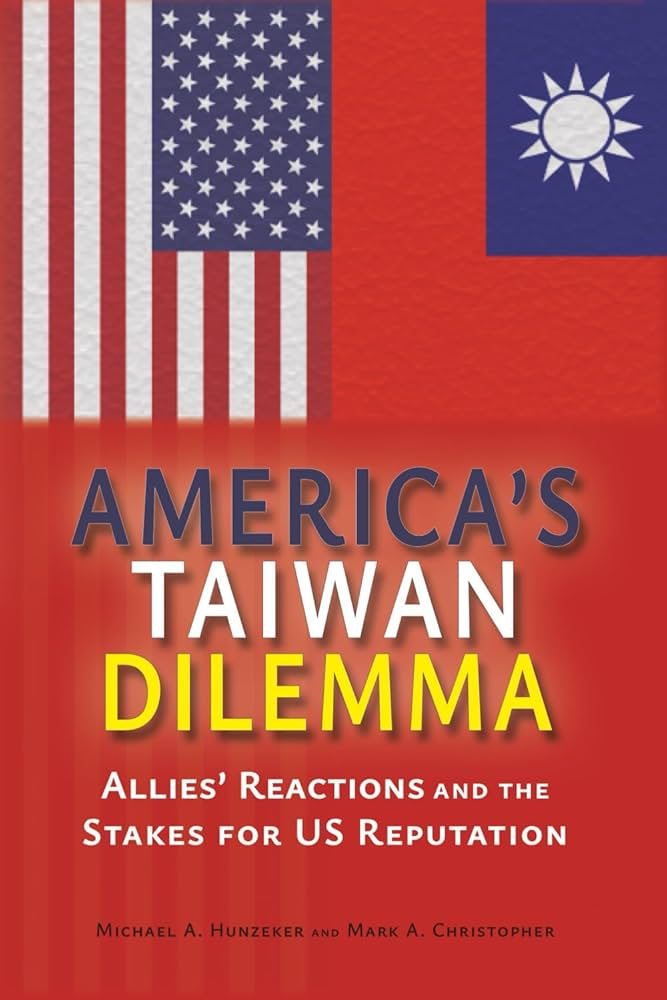
Book Review | Americaโ€™s Taiwan Dilemma: Alliesโ€™ Reactions and the Stakes for US Reputation

Author: Michael Hunzeker


The Small Wars Journal reviews America’s Dilemma, written by TSM Director Dr. Michael Hunzeker and Mark Christopher.

Read the full review here.

Visualization: 2026 ROC Reserve Infantry Brigade Reform


Author: Noah Reed


Taiwan’s military, as part of efforts to improve the training and strength of its conscript force, will reportedly organize training alongside volunteer combined arms brigades within five of its reserve infantry brigades. These five brigades will transition from primarily training units to being tasked with defending critical areas, allowing for greater movement by volunteer-based combined arms brigades during wartime.

Taiwan Affairs Office: President Xi Jinpingโ€™s important speeches on Taiwan-related matters provide the fundamental guiding principles for doing Taiwan-related work well.

At the February 5 Taiwan Affairs Office press conference, a reporter asked: On February 4, President Xi Jinping spoke by phone with U.S. President Trump and stressed that the Taiwan question is the most important issue in Chinaโ€“U.S. relations. Taiwan is Chinaโ€™s territory; China must safeguard national sovereignty and territorial integrity, and it will never allow Taiwan to be split off. The U.S. side must handle the issue of arms sales to Taiwan with prudence. How does the Taiwan Affairs Office understand this?

TAO spokesperson Chen Binhua responded: President Xi Jinping stressed that the Taiwan question is the most important issue in Chinaโ€“U.S. relations. Taiwan is Chinaโ€™s territory; China must safeguard national sovereignty and territorial integrity, and it will never allow Taiwan to be split off. The U.S. side must handle the issue of arms sales to Taiwan with prudence. President Trump said that he attaches importance to Chinaโ€™s concerns on the Taiwan question, is willing to maintain communication with China, and will keep Chinaโ€“U.S. relations sound and stable during his term in office. President Xi Jinpingโ€™s important remarks have clarified Chinaโ€™s solemn position on the Taiwan question and provide the fundamental guiding principles for us to do Taiwan-related work well.

Taiwan is Chinaโ€™s territory; the Taiwan question is the core of Chinaโ€™s core interests and the first red line in Chinaโ€“U.S. relations that must not be crossed. The DPP authorities have repeatedly attempted to โ€œseek independence by relying on external forcesโ€ and โ€œseek independence by military means,โ€ leading to tension and turbulence in the Taiwan Strait situation. The U.S. side should abide by the one-China principle and the three Chinaโ€“U.S. joint communiquรฉs, and handle the Taiwan question with the utmost prudence.

Taiwan Affairs Office: We will continue to maintain positive interaction with the Chinese Kuomintang on the basis of a shared political foundation.

At the February 5 Taiwan Affairs Office press conference, a reporter asked: The KMTโ€“CCP think tank forum themed โ€œProspects for Cross-Strait Exchanges and Cooperationโ€ was held in Beijing on February 3 and has attracted high attention in public opinion on both sides of the Strait. The forum announced that the KMT and the CCP have, after ten years, resumed institutionalized exchanges, and reached 15 common understandings on strengthening exchanges and cooperation in areas including cross-strait tourism, industry, the environment, and sustainable development. How does the spokesperson evaluate the significance of holding the forum and the results achieved?

TAO spokesperson Chen Binhua responded: General Secretary Xi Jinping sent a congratulatory message last October to Ms. Zheng Li-wen on her election as chairperson of the Chinese Kuomintang, pointing the way for the future development of KMTโ€“CCP relations and cross-strait relations. Chairperson Zheng Li-wen replied by telegram at the earliest opportunity. Holding the KMTโ€“CCP think tank forum is a concrete measure to implement the spirit of the congratulatory telegram and reply between the two party leaders.

The forum focused on industrial development and peopleโ€™s livelihoods and well-being, and put forward a series of specific recommendations, reflecting the sense of responsibility borne by the two parties to seek peace for the Taiwan Strait, well-being for compatriots, and rejuvenation for the nation. The resumption of institutionalized exchanges between the two parties after a ten-year interval is of major significance, with notable results. Going forward, we will continue, together with the Chinese Kuomintang, on the shared political foundation of upholding the โ€œ1992 Consensusโ€ and opposing โ€œTaiwan independence,โ€ to strengthen exchanges and contacts, maintain positive interaction, jointly promote the peaceful development of cross-strait relations, and work hand in hand to create the great rejuvenation of the nation.

Taiwan Affairs Office: We will work together with relevant departments to conscientiously implement the common understandings reached at the KMTโ€“CCP think tank forum.

At the February 5 Taiwan Affairs Office press conference, a reporter asked: The โ€œcommon understandingsโ€ from the โ€œKMTโ€“CCP think tank forum: Prospects for Cross-Strait Exchanges and Cooperationโ€ propose deepening cross-strait tourism exchange and cooperation, achieving as soon as possible group tours by Fujian and Shanghai residents to the island, and gradually expanding tourism by mainland residents to Kinmen and Matsu. Does the mainland side have a timetable for this, and what will it do next to promote implementation?

TAO spokesperson Chen Binhua responded: In order to promote the normalization of cross-strait people-to-people exchanges and the regularization of exchanges and cooperation in various fields; to respond to the eager expectations of Taiwanโ€™s public and the tourism industry; and to enhance the interests and well-being of compatriots on both sides of the Strait, the mainland side successively resumed tourism by Fujian residents to Matsu and Kinmen in April and August 2024, and this was welcomed by Taiwanโ€™s tourism industry and the public. Over more than a year, the cumulative number of Fujian residents traveling to Kinmen and Matsu has exceeded 200,000 trips, bringing tangible benefits to the tourism industry in Kinmen and Matsu and also enhancing understanding and feelings between Fujian and Taiwan compatriots. Yesterday, the Ministry of Culture and Tourism announced that it will, in the near term, resume tourism by Shanghai residents to Kinmen and Matsu. This is a concrete measure to promote the normalization of cross-strait tourism exchanges and cooperation and to expand cross-strait exchanges, and it has received high recognition from Taiwanโ€™s tourism industry and all sectors of society.

We will work together with the relevant departments to conscientiously implement the common understandings formed at the KMTโ€“CCP think tank forum, and strive to have the relevant outcomes take effect as soon as possible. If there is further news, it will be released in a timely manner. We hope the DPP authorities will keep in mind the well-being of Taiwan compatriots, promptly lift various man-made restrictions and bans, and remove obstacles to the restoration of normal cross-strait tourism exchange and cooperation.

Taiwan Affairs Office: The inclusion of Taiwan-funded brands on the โ€œChina Consumer Famous Brandsโ€ list is an important measure for implementing equal treatment for Taiwan compatriots and Taiwan enterprises.

At the February 5 Taiwan Affairs Office press conference, a reporter asked: On February 3, the General Office of the Ministry of Industry and Information Technology released the 2025 list of โ€œChina Consumer Famous Brands.โ€ For the first time, multiple Taiwan-funded enterprises on the mainland were selected, drawing attention in cross-strait public opinion, with some saying that Taiwan businesspeople, Taiwan compatriots, and Taiwan enterprises are enjoying increasingly widespread equal treatment on the mainland. Could the spokesperson introduce the relevant situation?

TAO spokesperson Chen Binhua responded: The MIIT released the 2025 list of โ€œChina Consumer Famous Brands,โ€ and for the first time included Taiwan-funded enterprises on the mainland within the scope of selection. A number of Taiwan-funded enterprise brands that have taken root on the mainland and cultivated the market in depth were selected. This is another important measure for us to implement equal treatment for Taiwan compatriots and Taiwan enterprises and to deepen integrated development across the Strait, and it fully reflects our consistent position of firmly supporting the development of Taiwan compatriots and Taiwan enterprises. In addition to โ€œChina Consumer Famous Brands,โ€ we also support Taiwan-funded enterprises on the mainland in participating in selections such as the China Industry Awards, โ€œfront-runnerโ€ enterprises in Chinaโ€™s industrial data governance, and โ€œfront-runnerโ€ enterprises in Chinaโ€™s industrial carbon-peaking efforts. Multiple Taiwan enterprises have been selected, sharing in the honors and opportunities of national brand-building, and jointly strengthening the Chinese nationโ€™s economy.

During the โ€œ15th Five-Year Planโ€ period, the advancement of Chinese modernization will surely create even broader space for the development of Taiwan compatriots and Taiwan enterprises. We warmly welcome the broad number of Taiwan compatriots and Taiwan enterprises to take root on the mainland, seize the opportunities of the times, and achieve better development. We will actively promote cross-strait economic exchanges and cooperation, take the lead in sharing with Taiwan compatriots the opportunities and achievements of Chinese modernization, and enable Taiwan compatriots and Taiwan enterprises to have a stronger sense of happiness, gain, and participation in national rejuvenation.

Taiwan Affairs Office: โ€œCompatriots on both sides of the Strait are one family; we are all Chinese. This is the base color of cross-strait relations.โ€

At the February 5 Taiwan Affairs Office press conference, a reporter asked: Regarding the KMTโ€“CCP think tank forum held in Beijing, KMT Chairperson Cheng Li-wen said that the mainland are family, and would absolutely not do anything that would pit flesh and blood against each other; and that as long as Lai Ching-te accepts the โ€œ1992 Consensus,โ€ peace and prosperity can be exchanged for. What is your comment?

TAO spokesperson Chen Binhua responded: Compatriots on both sides of the Strait are one family; we are all Chinese. This is the base color of cross-strait relations. The โ€œ1992 Consensusโ€ is the political foundation for the development of cross-strait relations and the stabilizing anchor of peace and stability in the Taiwan Strait. On the basis of the shared political foundation of upholding the โ€œ1992 Consensusโ€ and opposing โ€œTaiwan independence,โ€ we are willing to, together with Taiwanโ€™s various political parties, groups, and people from all walks of lifeโ€”including the Chinese Kuomintangโ€”strengthen exchanges and cooperation, maintain positive interaction, jointly promote the peaceful development of cross-strait relations, and bring benefits to compatriots on both sides of the Strait.

Taiwan Affairs Office: The DPP authorities are deliberately pushing to โ€œdeโ€“Sun Yat-sen-ifyโ€ New Taiwan dollar banknotesโ€”an act of denying their roots and betraying their ancestors, and it is contemptible.

At the February 5 Taiwan Affairs Office press conference, a reporter asked: Recently, the DPP authorities have been promoting a redesign of New Taiwan dollar banknotes. The new notes would no longer feature portraits of political figures such as Sun Yat-sen. Public opinion in Taiwan has questioned whether the DPP authorities are once again engaging in โ€œde-Sinicization.โ€ What is your comment?

TAO spokesperson Chen Binhua responded: This year marks the 160th anniversary of the birth of Mr. Sun Yat-sen, the great forerunner of Chinaโ€™s democratic revolution. The DPP authorities are deliberately pushing to โ€œdeโ€“Sun Yat-sen-ifyโ€ New Taiwan dollar banknotes. Their purpose is to sever the historical and cultural links between the two sides of the Strait and promote โ€œde-Sinicization,โ€ thereby shaping a โ€œTaiwan independenceโ€ ideology within Taiwanese society. This political manipulation, harboring sinister intentions, is a betrayal of Mr. Sun Yat-sen and the pioneers of the 1911 Revolutionโ€”an act of denying their roots and forgetting their ancestors, and it is contemptible.

History is history, and facts are factsโ€”they cannot be changed or erased. No matter how much the DPP authorities scheme and act recklessly, the historical and legal fact that both sides of the Strait belong to one China cannot be changed, and the Chinese national identity of Taiwan compatriots cannot be erased.

Taiwan Affairs Office: There is fundamentally no such thing across the Taiwan Strait as a so-called โ€œrenouncing nationalityโ€ issue.

At the February 5 Taiwan Affairs Office press conference, a reporter asked: Regarding mainland spouse Li Zhenxiu, who is expected to take up a seat as a substitute at-large legislator for the Taiwan Peopleโ€™s Party and become Taiwanโ€™s first mainland-spouse legislator. The head of the Mainland Affairs Council, Chiu Chui-cheng, said that โ€œLi must renounce Chinese nationality within one year of taking office, otherwise she cannot hold public office.โ€ What is your comment?

TAO spokesperson Chen Binhua responded: There is only one China in the world; the mainland and Taiwan both belong to one China. Fundamentally, there is no such thing as a so-called โ€œrenouncing nationalityโ€ issue. The DPP authorities stubbornly adhere to a โ€œTaiwan independenceโ€ stance and brazenly peddle the โ€œtwo-states theory,โ€ deliberately provoking and challenging the historical and legal fact that the two sides of the Strait belong to one China. They are using every means to suppress mainland spouses in Taiwan. We firmly oppose this. The DPP authoritiesโ€™ various wrongdoings have already met with increasingly strong opposition from more and more people in Taiwan.