Taiwan Security Monitor

Taiwan Affairs Office: The DPP authoritiesโ€™ willingness to serve as someone elseโ€™s pawn will only bring them bitter consequences and make them a laughingstock.

At the March 4 State Council Taiwan Affairs Office (TAO) press briefing, a reporter asked: Recently, the U.S. Supreme Court ruled that the โ€œreciprocal tariffsโ€ implemented by President Trump in 2025 are invalid. Some people in Taiwan have analyzed that this ruling completely overturns the legal basis for the Taiwanโ€“U.S. tariff agreement. The Lai Ching-te administration previously made concessions to accommodate the U.S., along with promises of exorbitantly priced purchases and a US$500 billion investment commitment; now, it appears like a blind transfer of benefits with no legal guarantee. What is your comment?

TAO spokesperson Zhang Han responded: The United States is using tariffs as a big stick to apply extreme pressure and to hollow out and scoop up Taiwanโ€™s industriesโ€”this kind of economic bullying is unpopular. The DPP authorities, disregarding the well-being of Taiwanโ€™s people, are kneeling before the U.S. without any bottom line and โ€œselling out Taiwan,โ€ promising massive purchases, substantially opening the market, and cooperating in relocating the islandโ€™s core industries. The result is that they spent a fortune only to end up with a โ€œworthless ballot.โ€ The facts once again prove that, in seeking โ€œindependence by relying on external forces,โ€ the DPP authorities are willing to act as a pawnโ€”and will only suffer the consequences themselves and become a laughingstock.
Taiwan Affairs Office: The DPP authorities should take concrete actions to lift the various bans and restrictions they have imposed on cross-strait exchanges and interactions, including tourism.

At the March 4 State Council Taiwan Affairs Office (TAO) press briefing, a reporter asked: Recently, the UKโ€™s Financial Times published a report titled โ€œLet Chinese mainland tourists return to Taiwan,โ€ saying the mainland has made political statements regarding cross-strait tourism and has begun steps to reopen it without receiving substantive concessions from Taiwan. Taiwan should show greater flexibility and separate tourism from politics. The article has resonated with Taiwanโ€™s tourism industry. What is your comment?

TAO spokesperson Zhang Han responded: We are actively promoting cross-strait tourism exchanges and cooperation, and the goodwill and sincerity we have shown are plain for all to see. Any measures that are conducive to cross-strait exchanges and cooperation and that enhance the interests and well-being of our compatriots, we will actively promote and do our utmost to make happen.

Zhang added: We hope the DPP authorities will follow public opinion, take Taiwan peopleโ€™s well-being seriously, and take practical actions to lift the various bans and restrictions they have imposed on cross-strait exchanges and interactions, including tourism.

Taiwan Affairs Office: The attention to and discussion of the plot of Taiping Nian and the historical context behind it fully reflect that peace is a shared pursuit of compatriots on both sides of the Taiwan Strait.โ€

At the March 4 State Council Taiwan Affairs Office (TAO) press briefing, a reporter asked: Recently, the historical drama Taiping Nian has aired on both sides of the Taiwan Strait and sparked lively discussion. Some commentary believes the show uses a dust-covered chapter of history to awaken peopleโ€™s appreciation for peace and their recognition of the historical trend toward unification. What is your comment?

TAO spokesperson Zhang Han responded: The TV drama Taiping Nian takes the โ€œFive Dynasties and Ten Kingdomsโ€ period as its historical backdrop and explores the grand question of โ€œhow peace is achieved.โ€ It demonstrates the pronounced unifying character of Chinese civilization, and expresses the Chinese nationโ€™s spiritual conviction of opposing division and pursuing unity, as well as a sense of family-and-country responsibility embodied in the idea that โ€œthose who seek what benefits all under heaven must plan for it.โ€

Zhang added: History is the best textbook, and also the best sober-up remedy. The attention to and discussion by audiences on both sides of the Strait of the plot of Taiping Nian and the history behind it fully reflect that peace is a shared pursuit of compatriots on both sides of the Strait. We sincerely hope that all Taiwan compatriots will cherish peace as they cherish their own eyes, pursue unification as they pursue happiness in life, firmly safeguard peace and stability in the Taiwan Strait, and actively participate in advancing the peaceful reunification of the motherland.

Taiwan Affairs Office: We are willing to join hands with Taiwan compatriots to let Chinese culture shine with an even more brilliant radiance.

At the March 4 State Council Taiwan Affairs Office (TAO) press briefing, a reporter asked: During the Lunar New Year period, the Zhejiang Xiaobaihua Yue Opera Theater and a Shanxi โ€œiron flowerโ€ (da tie hua) performance team went to Taiwan to perform and received an enthusiastic welcome and positive reviews from people on the island. Some people in Taiwan said they hope the two sides will always be able to engage in exchanges through art and culture, and absolutely not through the flames of war; the two sides must have peace, so that their cultures can endure for the long term. What is your comment?

TAO spokesperson Zhang Han responded: During the Lunar New Year period, the Zhejiang Xiaobaihua Yue Opera Theater brought two productions, My Grand View Garden and The Garden of Love, to Taiwan, and the Shanxi Gaoping intangible cultural heritage project โ€œiron flowerโ€ also performed in Taiwan. Both were welcomed and praised by audiences on the island, especially young viewers, highlighting the unique charm and strong emotional appeal of Chinaโ€™s outstanding traditional culture. The Taiwanese compatriotsโ€™ love for and identification with Chinese culture once again demonstrates that compatriots on both sides of the Strait share the same roots and origins, and the same language and culture. The calls from relevant figures in Taiwan also voice the shared aspiration of compatriots on both sides for peace, development, exchange, and cooperation.

Zhang added: Chinese culture is the spiritual root and sense of belonging of compatriots on both sides of the Strait. We are willing to work together with Taiwan compatriots to continue advancing cross-strait cultural exchanges and cooperation, jointly safeguard peaceful development across the Strait, and join hands to let Chinese culture shine with an even more brilliant radiance.

Weekly Arms Update: 3/4/26

Authors: Joe Oโ€™Connor, Shikhar Chaturvedi, Danielle Kremer, and Wyeth Lindberg


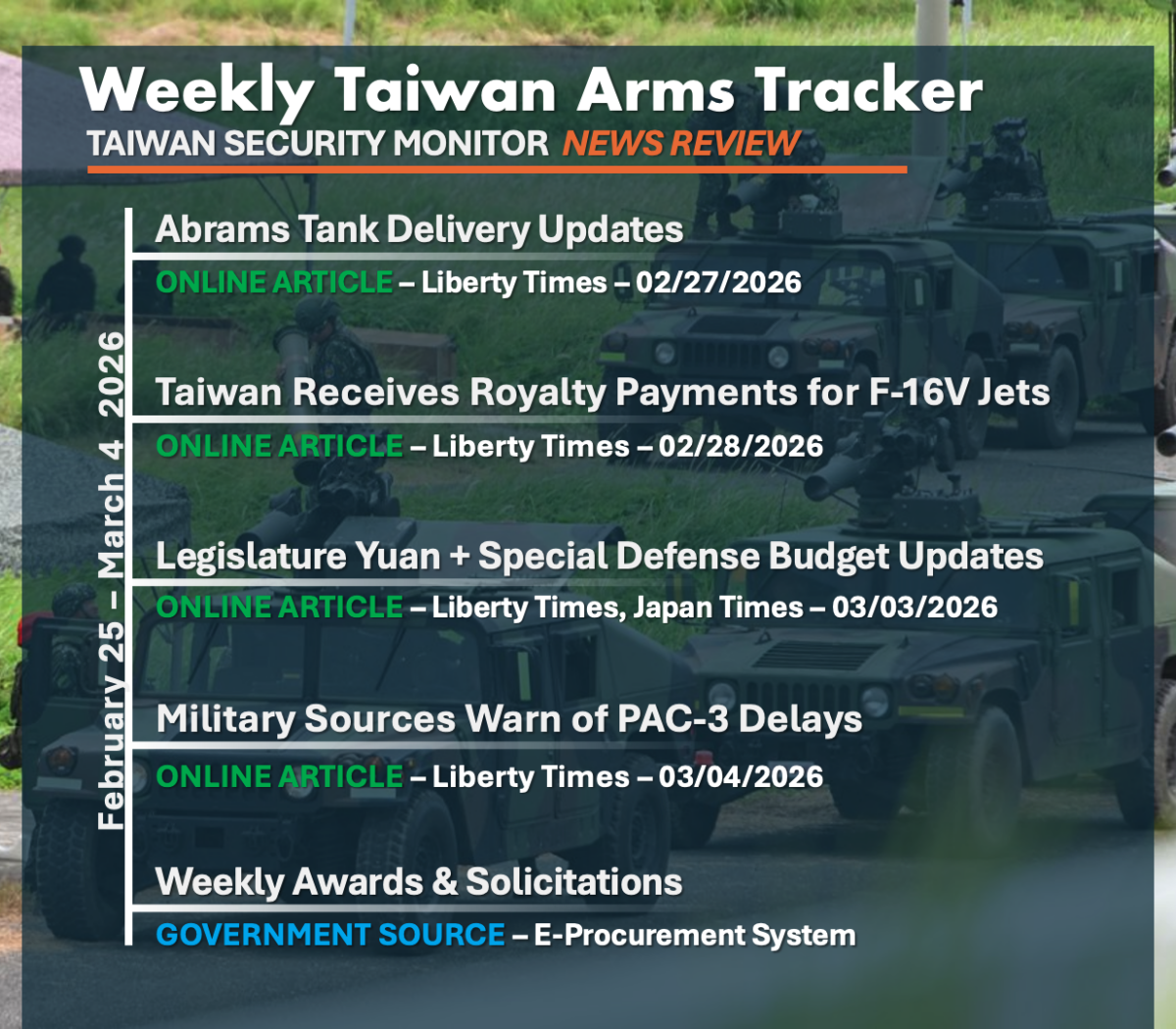
This week: MND officials provide an update on the delivery of the last batch of Abrams tanks, Taiwan reportedly receives $70 million in royalty payments from F-16V development, both KMT and TPP officials speak about special defense budget proposals, and the military warns of delays to PAC-3 missile production owing to conflict in the Middle East, alongside weekly awards and solicitations.

Abrams Tank Delivery Updates

Taiwanโ€™s M1A2T Abrams program is approaching delivery completion, with reporting confirming that 80 of 108 tanks have already arrived, including 38 delivered in December 2024 and 42 delivered in July 2025, while the final tranche of 28 is projected to be shipped in March, with arrival in April (a timeline that Taiwan Security Monitorโ€™s July 2025 Arms Sale Backlog Update previously assessed as on schedule). Operationally, the Army has paired deliveries with a visible training and validation rhythm. Reporting notes the first tranche completed conversion training and live-fire events before transitioning toward fielded status, and the broader deployment plan aligns the tanks with Sixth Corpsโ€™ northern defense posture, centered on the 584th Brigade with a smaller allocation to the 269th Brigade, reflecting an infrastructure protection logic tied to approaches to key nodes such as Taipei Port. From a procurement perspective, the Abrams case is a useful execution benchmark inside the broader U.S.โ€“Taiwan pipeline. Taiwan Security Monitorโ€™s backlog tracking has flagged Abrams as one of the smoother Foreign Military Sales deliveries, and notes that completion of the final tranche would shift topline backlog optics even as higher friction programs remain constrained by contracting timelines and industrial capacity.

Taiwan Receives Royalty Payments for F-16V Jets

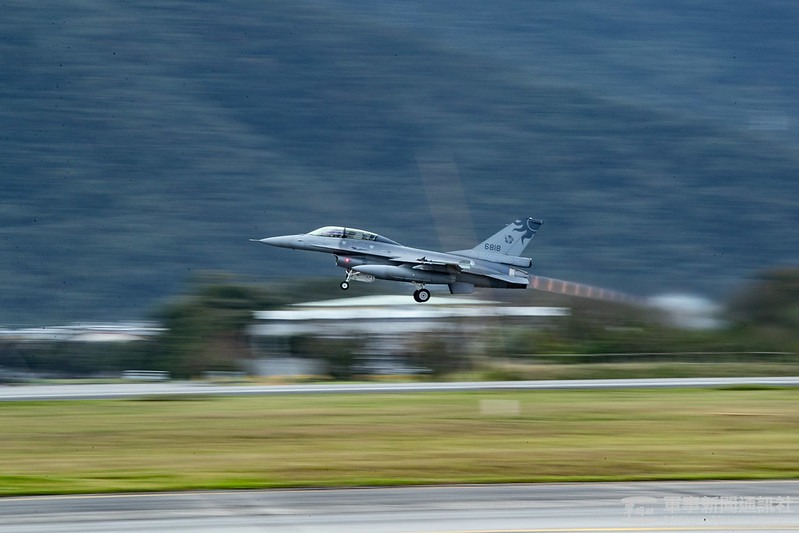
MND officials revealed on Saturday that as of the end of 2025, Taiwan had received approximately US$70 million (NT$2.197 billion) in royalty payments from buyers of F-16V Fighting Falcon fighter jets. A new configuration of the F-16 with advanced AESA radars, avionics, and Auto Ground Collision Avoidance System (Auto GCAS), the Taiwanese government originally worked with the United States and Egypt, who both withdrew, leaving Taiwan as the sole developer and eligible to receive rebate payments from other countries who procure F-16Vs. Per officials, Taiwan is expected to earn hundreds of millions of dollars more from rebate payments in the next five years, as global purchases of the aircraft increase.

Legislative Yuan + Special Defense Budget Updates

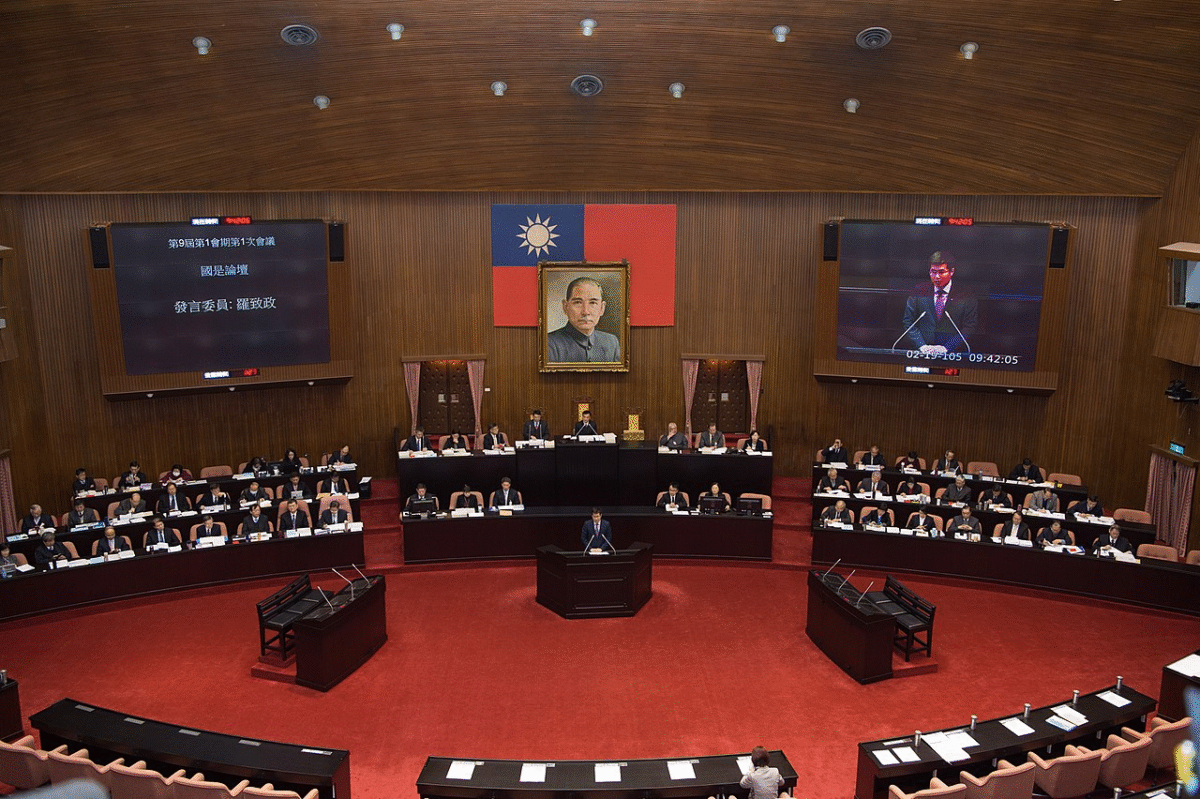
On Tuesday, Kuomintang (KMT) legislator Lo Ting-wei confirmed in a radio interview that at a recent dinner attended by KMT lawmakers ahead of Taichung Mayor Lu Shiow-yen’s trip to the US this week, it was mentioned that the United States had apparently demanded the KMTโ€™s special defense budget be approximately NT$900 billion (US$28.6 billion). As we reported last week, the proposed amount of the KMTโ€™s special budget has been highly variable, with Lo confirming this week that it could be between NT$350 billion (US$11.19 billion) and NT$810 billion (US$25.63 billion), not including the USโ€™s suggestion of NT$900 billion. Per other sources, the KMTโ€™s proposal is being personally managed by caucus whip Fu Kun-chi and is still set to be released by the end of this week.

Also on Tuesday, Taiwan Peopleโ€™s Party chairman Huang Kuo-chang held an exclusive interview with The Japan Times, stating that the TPP would agree to pass the Lai administrationโ€™s NT$1.25 trillion (US$40 billion) special budget proposal if the U.S. State Department notified a new, second package of arms sales that would be included under that budget. Huang stated that โ€œwe see no reason to write a blank checkโ€ for the governmentโ€™s budget until more information on specific capability-based spending is released. Per our recent analysis of the Lai administration and TPP budget proposals, the TPPโ€™s focus is specifically on funding sales that have already been approved, including HIMARS, Paladins, and anti-armor missiles. Prior reporting by the Financial Times and New York Times, however, indicate that the Trump administration is delaying approval of a new package of sales until after Xi and Trump meet in April.

On Monday, February 23, an unclassified Department of Defense spending plan was delivered to the U.S. Congress. This spending plan included allocating NT$26.9 billion (US$850 million) as part of a reconciliation bill passed last year. According to the Taipei Times, these funds will be used to replenish US weapons stockpiles, some of which were given to Taiwan. Additionally, this allocation serves to strengthen the alliance between Taiwan and the United States of America in accordance with the Taiwan Enhanced Resilience Act (TERA), passed in 2022. This spending is in addition to approximately US$150 million allocated in the FY26 Department of Defense Appropriations Act, passed in January, backfilling $850 million that was cut by appropriators.

Military Sources Warn of PAC-3 Delays

Military officials stated to Liberty Times today that plans to purchase a battalion worth of Patriot launchers and air defense missiles may be delayed owing to โ€œproduction crowding,โ€ as well as conflicts in Ukraine and the Middle East. Since Taiwanโ€™s Patriot purchase is still in the planning phase, per the officials, it is possible that the United States prioritizes production of missiles to be used in the Middle East or to replenish its own stockpiles before fulfilling Taiwanโ€™s case. To this end, LTN reported that the military would continue monitoring via military exchange channels and also urged that a special budget be passed to avoid disruptions.

Weekly Awards/Solicitations

On Thursday, several bid solicitations were made:

Also on Thursday, the Air Force Command awarded a NT$1.08 billion (US$34.23 million) contract to Air Asia Co. Ltd for the civilian outsourcing of repair and supply services at the Air Force’s Songshan Air Base. Air Asia Co. Ltd, an aircraft maintenance company now owned by Taiwanโ€™s Aerospace Industrial Development Corporation (AIDC), was previously owned and operated covertly by the Central Intelligence Agency. The contract is to be fulfilled at the Songshan Air Base, in the Songshan district of Taipei.

On Monday, the Military Medical Bureau awarded Ningliren Medical Equipment Co., Ltd., a NT$52.75 million (US$1.66 million) contract for interventional angiography X-ray machines. The contract is to be fulfilled in the northern region of Taiwan.

On Wednesday, the Information and Communications Command solicited bids for the integrated construction of field information equipment, translation and voice systems, worth NT$558.18 million (US$17.65 million).

Visualization: Potential US Missile Deployment Locations in the Philippines

Authors: Chris Dayton & Ethan Connell

Per USNI News, U.S. and Philippine defense officials have committed to increasing missile and drone deployments across the archipelago as part of broader First Island Chain deterrence efforts, with recent rotations spotlighting Northern Luzon and the Batanes areas nearest Taiwan. Above is our visualization of potential U.S. missile deployment locations in the Philippines and the approximate engagement envelopes for NMESIS (180 km), Typhon/MRC (450 km), and HIMARS (500 km).

Weekly Arms Update: 2/25/26

Author: Joe Oโ€™Connor, Shikhar Chaturvedi, Danielle Kremer, & Wyeth Lindberg


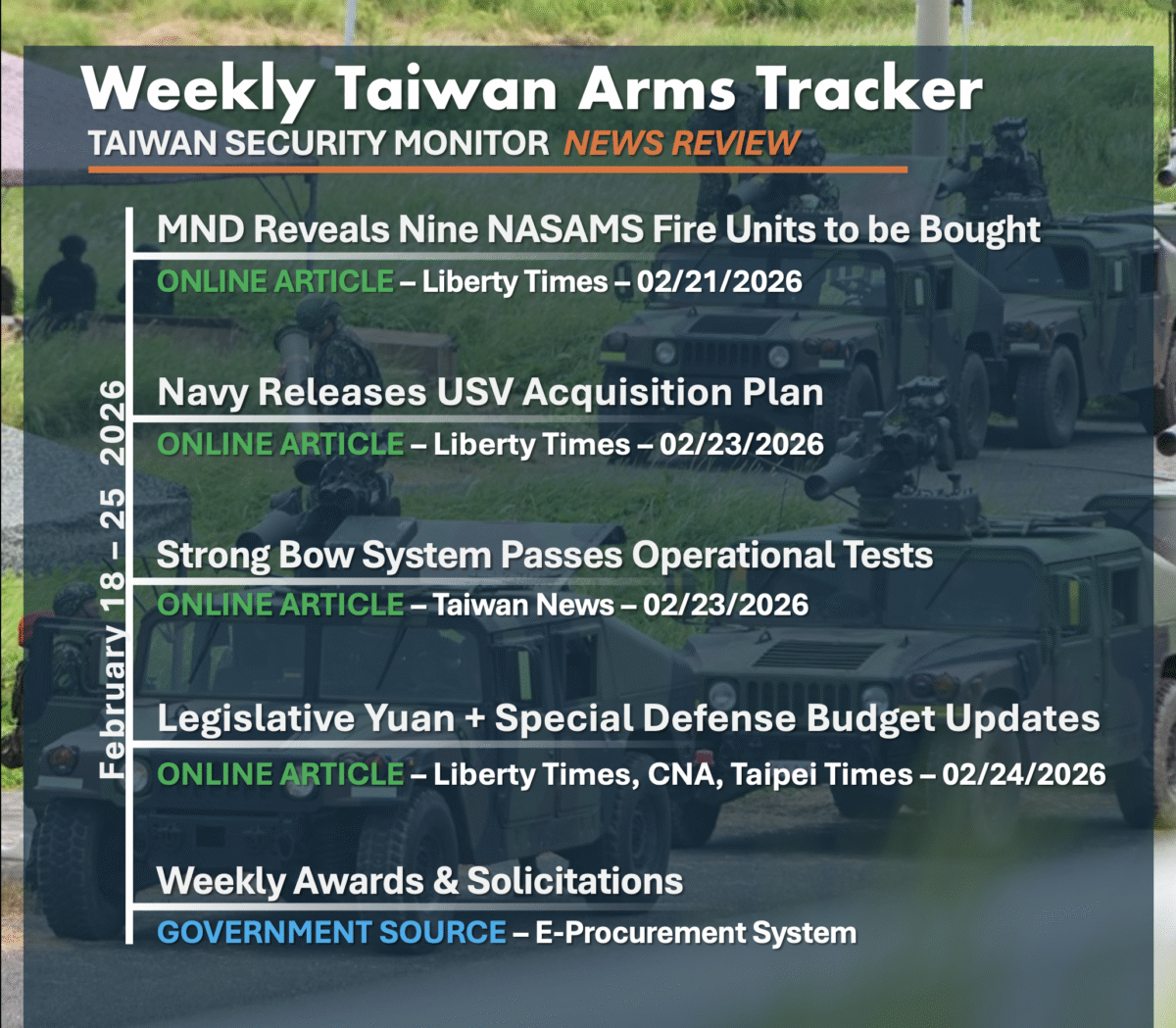
This week: Military sources reveal plans to purchase nine more NASAMS fire units, the Navy releases their unmanned surface vessel acquisition plan, the Strong Bow missile system passes operational test and evaluation, and the Legislative Yuan reconvenes to debate special defense budgets, alongside weekly awards and solicitations.

MND Reveals Nine NASAMS Fire Units to be Bought

As part of President Laiโ€™s Taiwan Shield project, the Taiwanese military announced the possible purchase of nine additional National Advanced Surface-to-Air Missile System (NASAMS) fire units, funded by a budget of NT$1.25 trillion (US$39.8 billion).  With this purchase, and a previous purchase in 2024, Taiwan will have procured 12 fire units, roughly four batteriesโ€™ worth. This missile system will allow Taiwan to defend against aircraft, cruise missiles, and other aerial threats.

Navy Releases USV Acquisition Plan

The Navyโ€™s unmanned surface vessel (USV) program convened an industry briefing meeting before the Lunar New Year, per Liberty Times, to discuss procurement timelines. Navy officials stated on Monday that the acquisition of approximately 1,000 USVs will begin in three phases, with iterative batch tenders of various types being solicited in 2028. Further phases between 2029 and 2033 would enhance 3D recognition and build upon AI technologies to enhance โ€œswarm-controlโ€ capabilities. However, the Navy also pointed out that progress on this would increase if the National Chung-Shan Institute of Science and Technology (NCSIST), Taiwanโ€™s state-owned weapons development center, were entrusted with program execution.  

Strong Bow System Passes Operational Tests

Taiwanโ€™s domestically developed “Strong Bowโ€ (ๅผทๅผ“) air and missile defense system appears to have crossed a critical readiness threshold, with recent reporting indicating that the program has completed operational evaluation and is prepared to transition into mass production pending Legislative Yuan approval of the Lai administrationโ€™s NT$1.25 trillion special defense budget, tied to the broader โ€œTaiwan Shield / T Domeโ€ framework. Strong Bow is intended to expand Taiwanโ€™s engagement envelope upward, pairing a new Active Electronically Scanned Array (AESA) radar claimed to exceed 500 km in surveillance range, with an interceptor layer in the 70 km band, while integrating decision support tools designed to manage saturation conditions alongside existing Sky Bow and Patriot systems. Minister of National Defense Wellington Koo has consistently framed โ€œTaiwan Shieldโ€ as a โ€œsensor-to-shooter integrationโ€ challenge, stressing that AI-assisted fusion and fire control coordination are essential to raising interception probability rather than simply increasing interceptor counts.

From a procurement perspective, our weekly arms update from early February highlights an MND policy document outlining plans for two launchers and 128 missiles, while the regulated products list also reflects adjacent support equipment tied to the mid-layer anti-tactical ballistic missile architecture. Taken together, Strong Bowโ€™s operational test milestone should be viewed as an important potential inflection point in the โ€œT-Domeโ€ acquisition pipeline.

Legislative Yuan + Special Defense Budget Updates

On Tuesday, the Legislative Yuan (LY) returned from a short Lunar New Year recess. After stating last week that the two rival special defense budget proposals would be among the โ€œvery firstโ€ to be considered, the chamber voted to advance the Lai administrationโ€™s NT$1.25 trillion (US$40 billion) special budget proposal to a joint review by the LYโ€™s Finance Committee and the Foreign Affairs and National Defense Committee. This leaves both proposals in the committee review stage, after the TPPโ€™s proposal was advanced on 30 January, prior to the recess.

MND officials, including Minister Wellington Koo, continue to express concern over the timing of budget proposals, pointing to Letters of Offer and Acceptance (LOAs) for three U.S. arms sales approved in December that expire if not signed by March 15. The sales, which include TOW and Javelin anti-armor missiles, as well as Paladin self-propelled howitzers, totaling approximately NT$149.0 billion (US$4.76 billion), would be subject to renegotiation or cancellation if the LOAs are not signed. Koo, expressing worry about this possibility, said that he hoped the LY would pass the administrationโ€™s proposal to avert this from happening.

On the sidelines of the LY: the Kuomintang (KMT) announced that they would be releasing their own special budget proposal soon, with plans to submit for review by 6 March. Per KMT sources, the proposal could range from a cap of NT$350 billion (US$11.19 billion) to NT$750 billion (US$23.97 billion) and would likely include significant pay raises for military personnel.

Weekly Awards/Solicitations

On Monday, the Production and Manufacturing Center, Armaments Bureau, made a repeat solicitation of bids for FED #215 primers for rifle cartridges, worth NT$38.00 million (US$1.21 million).

On Tuesday, the Ministry of National Defense solicited bids for procurement of frozen meat products, worth NT$1.96 billion (US$62.60 million).

On Wednesday, the Information, Communications, and Electronic Force Command solicited bids for the licensing of cloud information services, worth NT$36.03 billion (US$1.15 billion).

U.S. Contracts Relating to Taiwan

On Friday, the U.S. Air Force awarded BAE Systems Information and Electronic Systems Integration a US$98.87 million indefinite-delivery/indefinite-quantity (IDIQ) contract for F-16 commodities sustainment, likely covering spare and other consumable parts. The contract supports Foreign Military Sales (FMS) for Taiwanโ€™s 66 F-16C/D Block 70 aircraft, along with at least 20 other countries. No Taiwan FMS funds were obligated at the time of award. Contract work is expected to continue through February 2037.

On Wednesday, the U.S. Army awarded a contract modification worth US$18.99 million to Iron Mountain Solutions, Inc., for technical support to the Utility Helicopters Project Office. This extension uses Taiwan FMS funds alongside 20 other countries. Work is expected to be completed by September 2026 and is an extension of a contract originally awarded in February 2021.

Weekly Security Review: 2/23/26

Author: Jaime Ocon


Welcome to the Weekly Security Review, where we highlight key military, security, and political developments around Taiwan in one straightforward summary!

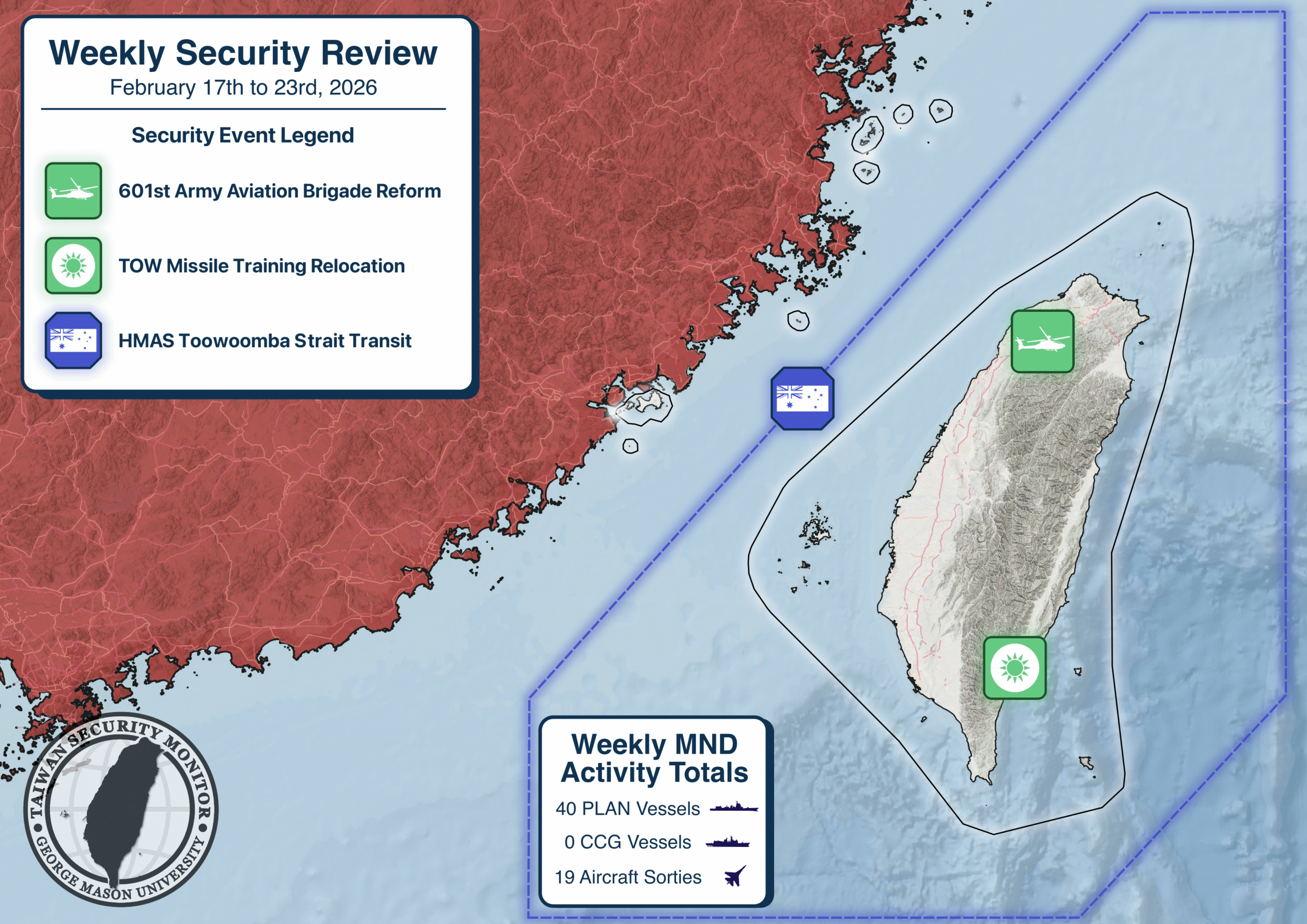
This week, Taiwanโ€™s military reveals a strategic reserve force, missile drills are set to debut in eastern Taitung, an Australian frigate transits the Taiwan Strait, and China conducts a combat patrol in the middle of the Lunar New Year. 

601st Army Aviation Revealed as Strategic Reserve Force

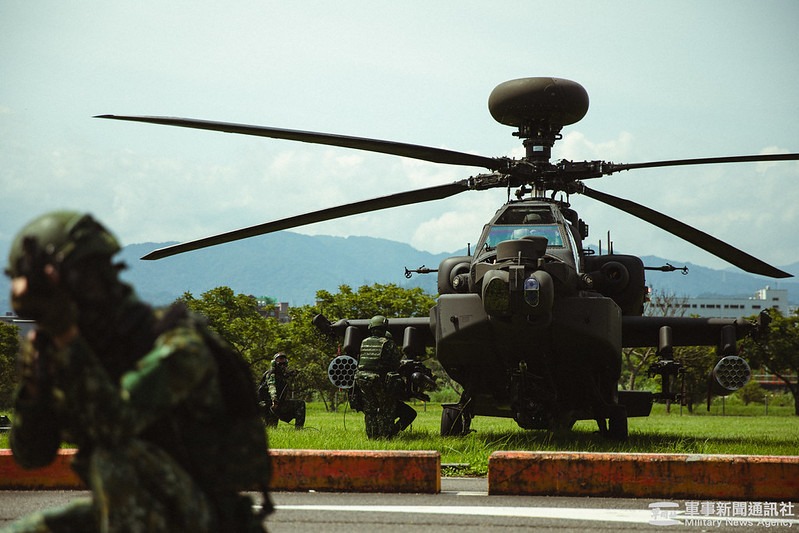
An unnamed military official quoted by the Liberty Times revealed that the 601st Army Aviation Brigade will serve as one of the countryโ€™s strategic reserve units during wartime. The comments were made after the Military News Agency posted a video showing the brigade conducting combat readiness training during the Lunar New Year Holiday. The Ministry of National Defense (MND) added that the 601st is a standby rapid response force for Taiwanโ€™s Northern Command. During a conflict, this unit would be tasked with defending key installations in northern Taiwan, conducting counterterrorism operations at government facilities, and supporting disaster relief efforts. The MND says the brigade can quickly respond to enemy decapitation attempts or special operations infiltrations. 

Stationed roughly 30 miles away in Taoyuan City, the 601st centers around a fleet of roughly 30 AH-64E Apache attack helicopters, 15 UH-60M Blackhawk utility helicopters, and 13 OH-58D Kiowa multipurpose helicopters. They support broader operations within Taiwanโ€™s 6th Army Corps, which is responsible for all of northern Taiwan. The MND says the 601st provides the military with precise strike capabilities, high mobility, and a flexible force composition, making it an indispensable air combat asset within Taiwanโ€™s armed forces’ joint operations framework.

The 601st Brigade is not the only strategic reserve force under the MND. Recently, the Marine Corpsโ€™ 66th Brigade has also adopted a similar role, taking responsibility for the defense of the capital, Taipei. On top of that, the MND has approved the transfer of the 66th Brigade’s wartime operational command from the 6th Army Corps to the General Staff Headquarters. In theory, this command transfer should improve efficiency and shorten the command chain in providing orders to soldiers on the ground. It also means that during wartime, the brigade is not bound by the command of any single combat zone (North, Central, Southern, etc.) and can support various frontlines across Taiwan. 

Military to Debut Sky Horse TOW Missile Drills in Eastern Taitung

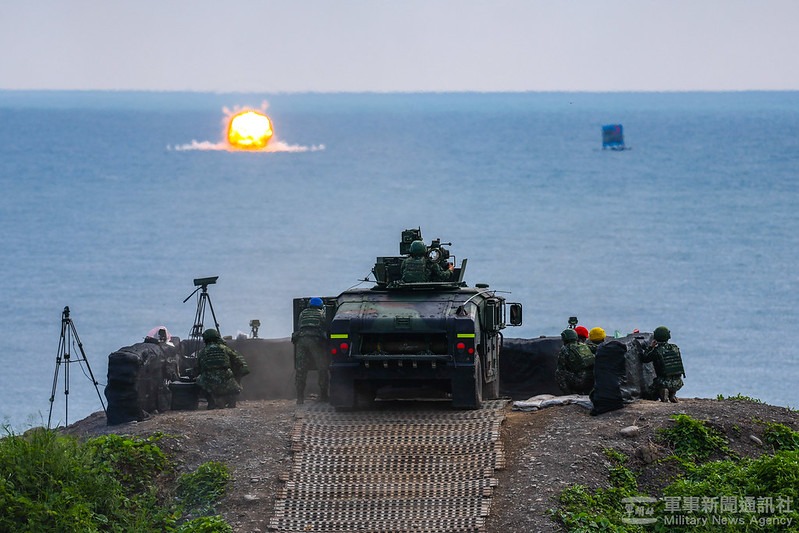
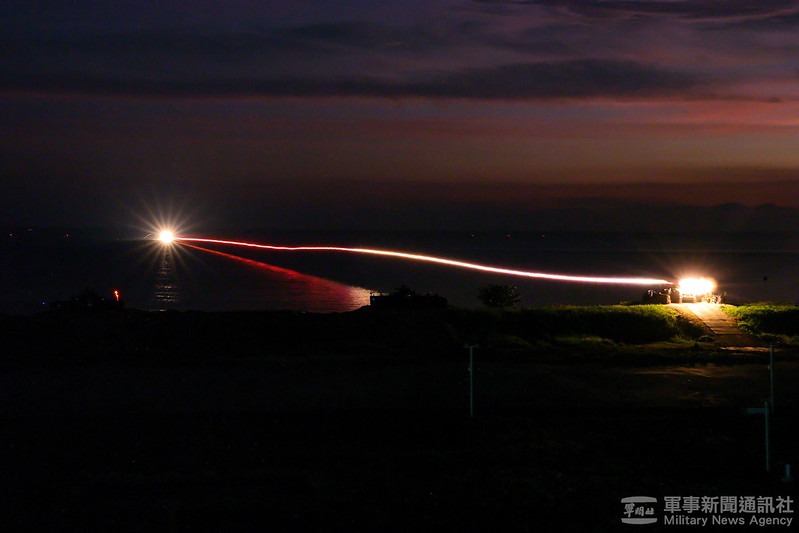
Sources within Taiwan’s army say they will hold live-fire shooting drills along the east coast of Taitung in March, the first time in three decades. The annual drills, known as the โ€œSky Horseโ€ exercise (ๅคฉ้ฆฌๆ“ๆผ”), will focus on using anti-armor missiles and heavy artillery to strike targets at sea. Sources quoted by the Taipei Times say this year, โ€œ[t]he scenario simulates Chinese forces breaking through Taiwanโ€™s sea and air defenses, with amphibious fleets preparing to land along the east coast.โ€ The report goes on to describe that โ€œ[g]round forces would then employ heavy firepower in coastal interception operations to block an assault on eastern Taiwan.โ€

This drill usually takes place in the spring and summer and features dozens of Humvees equipped with TOW missiles parked on the shoreline as soldiers conduct several rounds of target practice on the west coast of southern Taiwan, but that changed last year. In August 2025, the military conducted similar live-fire drills for the first time in central Taiwan along Taichungโ€™s Dajia River, with the MND focusing on realism and location-specific training. The shift to eastern Taiwan is apparently also part of this effort. The main focus of this yearโ€™s exercise would be to test new TOW-2B Radio Frequency systems, 1,700 of which were recently acquired from the U.S., and so the MND is eager to implement these weapon systems into their training structure. 

Itโ€™s also important to add that this drill is quite a spectacle and draws a fair bit of pressure as dozens of media with cameras are broadcasting the shooting drill live, so every shot is scrutinized quite heavily. Last year, an early round of training saw 10 successful hits out of 17 shots, prompting a massive debate online about the effectiveness of Taiwanโ€™s training. However, the military later explained that four of the missiles were defective and that later rounds showed a higher hit rate. 

Australian Navy Ship Transits Through Taiwan Strait 

An Australian Anzac-class frigate, HMAS Toowoomba (FFH 156), conducted a routine transit of the Taiwan Strait, according to a government source. In a report from Reuters, government officials from Australia said the transit was part of a โ€œRegional Presence Deployment in the Indo-Pacific region,” and that “all interactions with foreign ships and aircraft were safe and professional.โ€ According to a Liberty Times report, Toowoomba‘s embarked MH-60 Seahawk helicopter was warned by Taiwanese authorities after crossing the Strait’s median line. 

In response, Chinese state media claimed that the PLA tracked, monitored, and shadowed the Australian vessel throughout its transit. Taiwanโ€™s Ministry of National Defense, not confirming that the transit occurred,  stated that it would not proactively disclose the movements of aircraft or ships from friendly partner countries. While U.S. Taiwan Strait transits are relatively routine, other countries, including the United Kingdom, France, and New Zealand, have increasingly conducted similar operations. For a full list of Taiwan Strait transits, see our Taiwan Strait Transit Tracker.

Lunar New Year Activity 

Taiwanโ€™s MND reported that it had detected 14 Peopleโ€™s Liberation Army Air Force (PLAAF) aircraft operating in the region as part of a Joint Combat Readiness Patrol on 19 February. 10 of those aircraft crossed the Taiwanese side of the median line and/or Air Defense Identification Zone (ADIZ). Among the group, the MND identified a mix of J-10, J-11, and J-16 fighter jets as well as KJ-500 early warning aircraft coordinating with PLA naval vessels. The MND says that regardless of the PLA using the pretext of a โ€œjoint combat readiness patrol,โ€ the operation still harasses the air and seas around Taiwan. In response, Taiwanโ€™s military employed joint intelligence, surveillance, and reconnaissance measures to maintain situational awareness and dispatched aircraft, naval vessels, and missile systems. 

The patrol came on the 3rd day of the Lunar New Year holiday, and there was no reported PLA activity on the first two days. For comprehensive data regarding PLA activity around Taiwan, check out the PLA Activity Center on our website.

Taiwanโ€™s NT$1.25 Trillion Question: Comparing the DPP and TPP Defense Budget Plans

Authors: Sydney Boerner & Joe Oโ€™Connor


Introduction

On November 19, 2025, Taiwanese President Lai Ching-te officially announced his administrationโ€™s proposal for a NT$1.25 trillion (US$40 billion) special defense budget through a press conference and an editorial in the Washington Post. The proposal, formally titled the Draft Special Act on Procurement for Enhancing Defense Resilience and Asymmetric Capabilities, or the National Defense Resilience Act, is supported by the Ministry of National Defense (MND) and emphasizes “Resilience” (้ŸŒๆ€ง), framing security as the whole of societyโ€™s ability and capacity to withstand and recover from external pressures.

On January 26, 2026, the Taiwan Peopleโ€™s Party (TPP), an opposition party allied with the Kuomintang (KMT), introduced an alternative proposal titled the Draft Special Act for Procurement of Plans to Safeguard National Security and Strengthen Asymmetric Warfare Capabilities. The proposal emphasizes “Safeguard” (ไฟ่ก›), highlighting the stateโ€™s responsibility to protect territorial integrity through established hardware rather than a whole-of-society framework. It sets a ceiling of NT$400 billion (US$12.69 billion), approximately one-third of the Lai administrationโ€™s proposal, but still larger than the Tsai administrationโ€™s 10% year-over-year increase in 2021 of NT$42.1 billion (US$1.51 billion). Prior to this proposal, the KMT/TPP majority in the LY successfully blocked placing the DPP proposal on the agenda multiple times, effectively rendering it dead on arrival until this alternative was announced.

Both proposals remain actively under review in the Legislative Yuan (LY), and most importantly, are multi-year funding packages in addition to yearly โ€œbaseโ€ defense budgets. Their current status allows for comparisons between the proposals with respect to funding levels and oversight mechanisms. As of the time of writing, the KMT has also stated that they will be releasing a third budget proposal of their own, but information about it has not been released so far.

General Budget Comparison

The two proposals reflect different governance approaches and political priorities. The DPP emphasizes long-term flexibility, broader strategic objectives, and standard oversight, while the TPP emphasizes legislative control, fiscal transparency, and strict procedural accountability.

As stated above, the primary difference between the proposals is the topline ceiling of appropriations, with the TPP proposal setting a ceiling of NT$400 billion, roughly 32 percent of the DPPโ€™s proposed NT$1.25 trillion. Both proposals share the same eight-year timeline from 2026 to 2033. The DPP proposal authorizes an eight-year lump sum with inter-category transfers and rollover of unspent funds, allowing year-over-year budgetary flexibility. In contrast, the TPP proposal requires an annual release vote on funds, prohibits inter-category transfers, and mandates that any unspent funds be returned to the National Treasury rather than rolled over, framing these requirements as measures of fiscal transparency and legislative accountability.

Oversight, reporting, and procurement procedures also differ between the proposals. The DPP proposal relies on standard oversight via the LY Foreign Affairs and National Defense Committee, records unit prices in a classified annex, and handles price increases through internal review under U.S. Foreign Military Sales (FMS) procedures. The proposal is exempt from the Public Debt Act, which enforces a 50% debt-to-GDP spending cap for all budgets. Additionally, it follows constitutional reporting standards, wherein the President is not required to report directly or answer questions to the LY โ€“ an issue that has recently sparked a minor constitutional crisis. Procurement may include emergency purchases from domestic suppliers or friendly third nations, and the proposal establishes links to NATO spending targets of 3.3 percent of GDP in 2026 and 5 percent by 2030 within standard procurement cycles.

In contrast, the TPP proposal grants line-item veto authority to the LY Foreign Affairs and National Defense Committee, requires public disclosure of unit prices, and mandates a re-vote if any item price increases by more than 5 percent. The proposal mandates the President deliver a โ€œNational Defense Report” before the LY and respond to questions, in line with the recently amended Law on the Exercise of Offices and Powers of the Legislative Yuan; the constitutionality of this action is disputed and in 2024, the Constitutional Court heard arguments on the issue. The proposal is subject to the Public Debt Actโ€™s spending ceilings; procurement is restricted to U.S. FMS sales (with a 30-day congressional notification period); and spending focuses exclusively on hardware, in accordance with existing U.S. notifications.

Hardware and Weapons Systems Procurement

Both proposals maintain key artillery and missile capabilities, but they differ in priorities, scope, supporting systems, and integration across operational domains. The DPP proposal develops a broad, multi-domain capability that reflects the MNDโ€™s seven major objectives. In contrast, the TPP proposal prioritizes a narrower set of newly announced procurement programs within strict budget caps, with reduced integration and supporting systems, reflecting a focus on immediate operational needs and legislative oversight.

Building on the differences in governance and political priorities, the proposals also differ in their approach to hardware procurement. The DPP proposal is designed to strengthen seven major defense objectives through special provisions, including:

  • โ€œA multi-layered air interception networkโ€
  • โ€œCommand and control and decision supportโ€
  • โ€œMulti-layered weakening”
  • โ€œLong-range precision strikeโ€
  • โ€œStrengthening combat resilienceโ€
  • โ€œEnhancing military capacityโ€
  • โ€œDefense driving economic benefitsโ€

Procurement items include:

  • โ€œPrecision artilleryโ€
  • โ€œLong-range precision strike missilesโ€
  • โ€œUnmanned vehicles and their countermeasures systemsโ€
  • โ€œAir defense, anti-ballistic missile and anti-armor missilesโ€
  • โ€œAI-assisted and C5ISR systemsโ€
  • โ€œEnhancing sustained combat capacity equipmentโ€
  • โ€œEquipment and systems jointly developed and procured by Taiwan and the United Statesโ€

In terms of precision artillery, the DPP procurement plan includes 60 M109A7 Paladin self-propelled howitzers with 4,080 precision-guided munitions, 60 M992A3 ammunition vehicles, and 12 M88A2 Hercules recovery vehicles. Long-range precision strike missile capabilities include 82 M142 High Mobility Artillery Rocket System (HIMARS) multiple-launch rocket launcher systems, 1,203 Guided Multiple Launch Rocket System (GMLRS) pods, and 420 Army Tactical Missile System (ATACMS) missiles. Unmanned vehicles and countermeasures include 1,554 ALTIUS-700M loitering munitions and 478 ALTIUS-600ISR surveillance drones, in addition to more than 200,000 drones of various types and 1,000 unmanned surface vessels. Air defense, anti-ballistic, and anti-armor capabilities include 1,050 FGM-148 Javelin anti-armor missiles and 70 launchers, as well as 1,545 BGM-71F TOW-2B anti-armor missiles and 24 launchers. AI-assisted and C5ISR systems include artificial intelligence decision-support systems, tactical communication networks, and rapid intelligence-sharing kits. To strengthen operational sustainability, the DPP procurement plan establishes strategic stockpiles of ammunition, including 105mm and 120mm tank rounds, 30mm autocannon rounds, and 155mm artillery and grenade munitions. The proposal also calls for establishing domestic production lines for other combat equipment, including chemical protective masks, night-vision devices, armored vehicles, and mobile barrier equipment. Finally, the DPPโ€™s proposal includes the procurement of systems jointly developed with the United States to acquire emerging technologies, enhance operational resilience, and strengthen asymmetric warfare capabilities.

In contrast, the TPP proposal adopts a narrower procurement framework centered on a defined set of high-priority, primarily ground-based, strike and anti-armor systems subject to explicit fiscal ceilings. Rather than pursuing a comprehensive, multi-domain modernization effort, the proposal emphasizes targeted investments in immediately deliverable capabilities, strict budget caps, and phased legislative oversight under the total NT$400 billion ceiling. It omits broader initiatives related to integrated air and missile defense expansion, large-scale unmanned fleets, AI-assisted C5ISR architecture, strategic stockpiling, domestic industrial expansion, and wide-ranging joint development programs, reflecting a more limited scope focused on core denial capabilities.

Regarding procurement items, the TPP plan maintains the MNDโ€™s plans for 60 M109A7 Paladin self-propelled howitzers, including the accompanying 4,080 PGMs, 60 ammunition vehicles, and 12 recovery vehicles, but caps the total at NT$126.7 billion. It also keeps plans for 82 M142 HIMARS systems with 1,203 GMLRS pods and 420 ATACMS, also capped at NT$127.6 billion.  Lastly, the TPP plan keeps the proposed procurement of 1,050 Javelin and 1,545 TOW-2B anti-tank missiles, totaling NT$11.8 billion and NT$11.1 billion, respectively. This is alongside a separate anti-armor unmanned aerial missile program, which is assumed to be ALTIUS systems, capped at NT$34.7 billion. An additional NT$88.1 billion is reserved for other urgently needed items deliverable within three to five years, provided they are individually specified and do not duplicate annual defense programs.

 DPP/MND ProposalTPP Proposal
“Precision artilleryโ€60 M109A7 Paladin self-propelled howitzers w/ 4,080 precision-guided munitionsIncluded, capped at NT$126.7 billion
60 M992A3 ammunition vehicles
12 M88A2 Hercules recovery vehicles
“Long-range precision strike missilesโ€82 M142 HIMARS multiple-launch rocket launcher systemsIncluded, capped at NT$127.6 billion
1,203 Guided Multiple Launch Rocket System pods
420 ATACMS missiles
โ€œUnmanned vehicles and their countermeasures systemsโ€1,554 ALTIUS-700M loitering munitionsOnly ALTIUS systems included, capped at NT$34.7 billion
478 ALTIUS-600ISR surveillance drones
200,000+ drones
1,000+ unmanned surface vessels
โ€œAir defense, anti-ballistic missile and anti-armor missilesโ€1,050 FGM-148 Javelin anti-armor missiles w/ 70 launchersIncluded, capped at NT$11.8 billion
1,545 BGM-71F TOW-2B anti-armor missiles w/ 24 launchersIncluded, capped at NT$11.1 billion
โ€œAI-assisted and C5ISR systemsโ€AI decision-support systemsNone
Tactical communications networks
Rapid intelligence-sharing kits
“Enhancing sustained combat capacity equipmentโ€Domestic production lines and stockpiles for 105mm & 120mm tank rounds, 30mm autocannon rounds, 155mm artillery & grenade munitionsNone
Domestic production lines for chemical protective masks, night-vision goggles, and armored vehicles, and mobile barrier equipment
โ€œEquipment and systems jointly developed and procured by Taiwan and the United Statesโ€Included, unknown quantityNone
Infrastructure and Technology

In addition to hardware and weapons systems procurement, the DPP proposal emphasizes investments in infrastructure and integrated technology. Funding is included for โ€œtactical mission networks,โ€ which link units across dispersed battlefields, enable real-time data sharing, and integrate AI decision-support systems to assist operational commanders. The proposal also strengthens digital resilience by establishing redundant, protected communication networks to ensure command and control functions remain operational under contested or degraded conditions. Strategic communications capabilities are expanded across terrestrial, aerial, and satellite networks to maintain secure and continuous information flow. Early warning systems incorporate unmanned vehicles and sensor platforms to detect potential threats and transmit real-time intelligence. Hardened basing initiatives improve the protection of key command facilities, including shielding against missile strikes and electromagnetic pulse effects. These elements support the DPPโ€™s operational objectives of command, control, and decision support and, in particular, enhancing operational resilience across the defense system.

On the other hand, the TPP proposal adopts a narrower approach focused on immediately deliverable capabilities and does not fund any of the above programs. The TPP proposal emphasizes platform-centric and hardware-focused defense measures rather than multi-domain technological integration. While it provides rapid acquisition of ground-based strike and anti-armor systems, it does not include the networked architecture, sensor integration or protected command infrastructure envisioned in the DPP proposal.

Personnel and Sustainment

Beyond infrastructure and technology, the two proposals also differ in their approach to personnel and sustainment, focusing on the support required to operate and maintain procured systems. The DPP proposal includes training tied to the operation of artillery, missile, and unmanned systems, but does not fund separate training units or simulation centers. Life-cycle support is provided within procurement categories and may cover pre-paid technical support, repair kits, and system-specific overhauls. Spare parts are included only as required for the acquired equipment, without establishing centralized pools for aircraft, armored vehicles, or naval engine turbines. Repair depots and maintenance infrastructure are referenced in connection with equipment sustainment, with no dedicated funding for depots, hardened workshops, or automated repair facilities. Strategic ammunition is purchased alongside the weapons systems, rather than as a separately authorized stockpile. Industrial base support is limited to domestic production and development associated with specific procured systems, with no independent funding for broader defense industrial expansion or research and development.

In contrast, the TPP proposal provides only the minimal sustainment necessary to operate the procured systems. Training, life-cycle support, spare parts, repair depots, strategic ammunitions, and industrial base development are largely omitted or limited to what is immediately required for the specific equipment acquisitions, included as part of FMS cases. Broader sustainment measures, including depot construction, centralized parts pools, or strategic stockpiles, remain the responsibility of the regular annual defense budget. Industrial base engagement is confined to the basic procurement compliance and cooperative requirements, without separate funding for domestic production capacity. In practice, the TPP proposal prioritizes rapid acquisition and legislative oversight over embedded operational support. In contrast, the DPP proposal incorporates limited sustainment elements to ensure ongoing operational readiness of the procured systems.

Conclusion

The major differences between the two special defense budgets center around flexibility and holistic spending, as opposed to narrower and targeted procurements of established systems. The inclusion of funding for newly announced HIMARS and Javelin sales from December in the TPP proposal indicates at least some level of good-faith bargaining for weapons, apart from Paladins, that are asymmetric in nature.  Increased oversight provisions are beneficial for open-source monitoring, such as our work, but conflict with the Lai administrationโ€™s preferences, and constitutional issues surrounding Lai himself reporting to the LY. It is clear that those provisions, more than anything else, will be one of the biggest budget battles in the near future.

As of the time of writing, the LY is set to reconvene on February 24, with Speaker Han Kuo-yu indicating that the competing special defense budget proposals will be the โ€œvery firstโ€ items to be considered by the legislature. It is assumed that other proposals will emerge, or the two proposals will change, and we await the outcome of the LYโ€™s deliberations.

Weekly Arms Update: 2/18/26

Author: Joe Oโ€™Connor, Shikhar Chaturvedi, Danielle Kremer, and Wyeth Lindberg


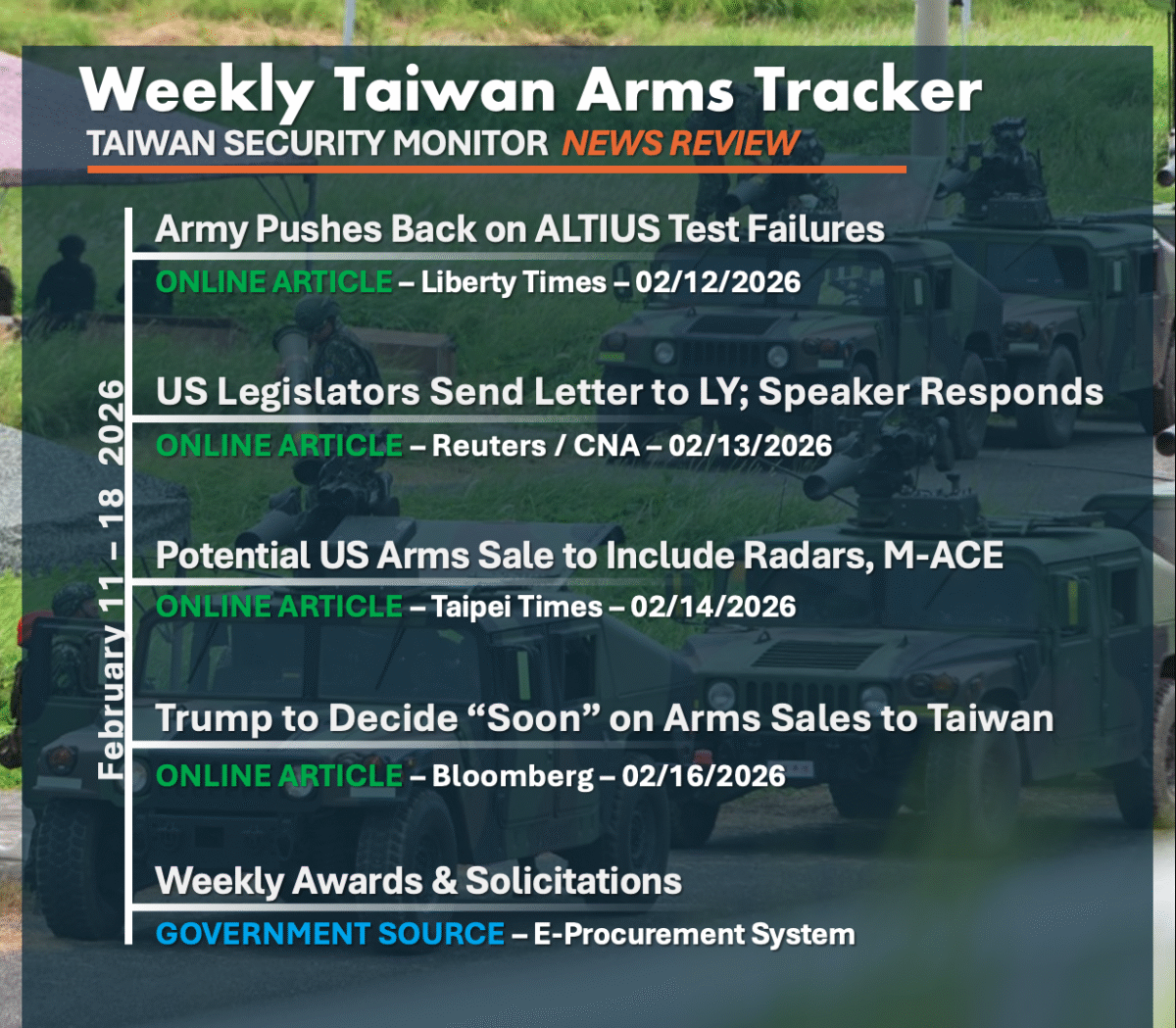
This week: the Army pushes back on reports that testing of new ALTIUS drones was not effective; a bipartisan US letter is sent to Taiwanese legislators worried about defense spending; reports show that a potential US arms sale could include radars and counter-drone systems alongside PAC-3 missiles, and Trump announces that he will make a decision โ€œpretty soonโ€ on additional sales to Taiwan,

Army Pushes Back on ALTIUS Test Failures

In August 2025, Taiwan received its first batch of โ€œHunter Owlโ€ ALTIUS-600M UAV attack drones from the United States. As such, Taiwan began using its Army Artillery Testing Center to conduct the dronesโ€™ first live-fire exercises. However, reporters claimed the results were less than ideal, this week, with only two out of five drones successfully completing the tests. In response to media reports, Taiwan’s army stated that the drones were performing normally and emphasized that they planned to incorporate the new weapons and equipment into these exercises soon. In December, an additional sale of 1,554 ALTIUS-700M loitering munitions and 478 ALTIUS-600 ISR drones was announced, indicating that more will be arriving soon.

US Legislators Send Letter to LY; Speaker Responds

On Thursday, 37 US senators and representatives, including senior members of the House and Senate Foreign Affairs Committees and representing both parties in Congress, sent a letter to the speaker of the Legislative Yuan (LY) and party leaders, expressing concern about โ€œongoing deliberations in the Legislative Yuan to only partially fund a supplemental budget request.โ€ After noting that โ€œthe US must address the massive backlog in weapons deliveries,โ€ the letter noted that โ€œwe need Taiwan to step up with us,โ€ urging the LY to pass the special defense budget advanced by the Lai administration. On Monday, LY Speaker Han Kuo-yu responded in a joint statement, saying that they will prioritize the review of the special defense budget when the LY reconvenes on February 24.

Potential US Arms Sale to Include Radars, M-ACE

MND sources told the Taipei Times on Friday that the next potential arms sale to Taiwan could include much more than PAC-3 MSE interceptor missiles, including improved radars and counter-drone equipment. Per sources, the sale could include Integrated Battle Command Systems, which coordinate Patriot and other AD systems, as well as Lower Tier Air and Missile Defense Sensors (LTAMDS) radars, which would replace currently installed radars on Patriots. Additionally, a separate sale may include Mobile-Acquisition, Cueing and Effector (M-ACE) counter-drone systems, which consist of sensors, jammers, and autocannons mounted on pickup trucks and produced by Northrop Grumman.

Trump to Decide โ€œSoonโ€ on Arms Sales to Taiwan

On Monday, President Donald Trump said he is โ€œtalkingโ€ with Xi Jinping about potential additional U.S. arms sales to Taiwan and that a decision will be made โ€œpretty soon,โ€ prompting a rapid White House clarification that there has been no change in U.S. policy. Beijing, for its part, has elevated arms sales as the โ€œmost importantโ€ issue in U.S.โ€“China relations ahead of a possible April summit, urging Washington to act prudently. The U.S.โ€“Taiwan arms-sale backlog remains roughly US$32 billion, with no new cases notified since December. Meanwhile, Taiwanโ€™s stalled special defense budget continues to shape how quickly notified systems can move into execution. At a February 11 Presidential Office press conference, President Lai warned that U.S. and other major suppliersโ€™ production lines are already โ€œๆŽ’ๆปฟโ€ (fully booked) and cautioned that delays in passing the special defense budget could push Taiwan out of priority queues, further slowing delivery of key systems. Taken together, Trumpโ€™s pending decision should be viewed less as a standalone political headline and more as a potential inflection point in the backlog queue. While current White House communications may signal commitment, deterrent value will ultimately hinge on whether weapons are actually contracted, funded, and delivered on time.

Weekly Awards/Solicitations

There were no significant awards or bid solicitations this week.