Taiwan Security Monitor

Taiwan Arms Sale Backlog, May 2025 Update

Budget Unfreezing Reports Reveal New Information about Delivery Timelines

By Eric Gomez and Joseph Oโ€™Connor

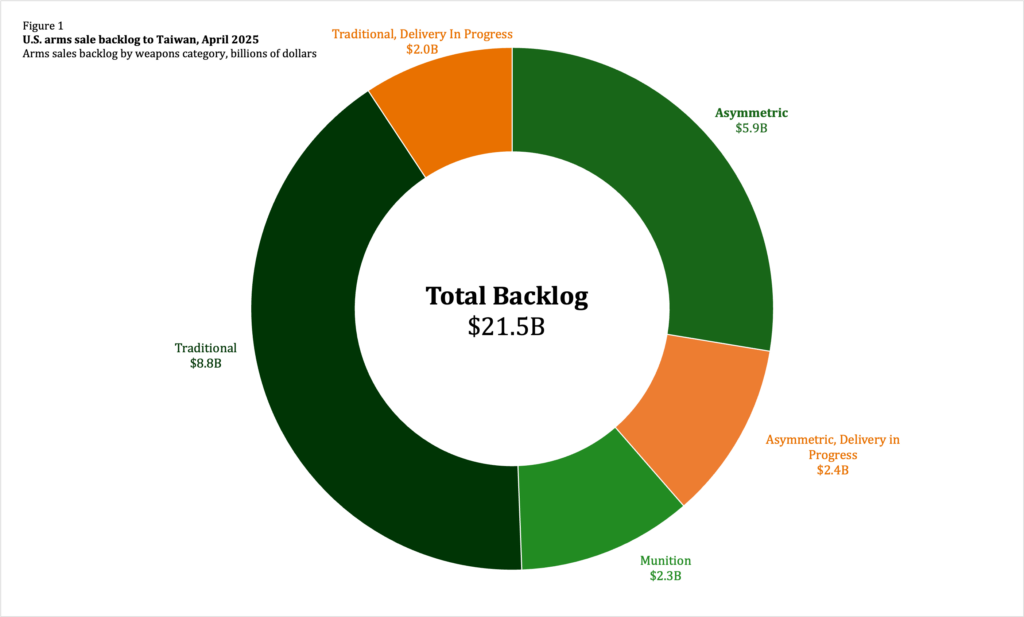
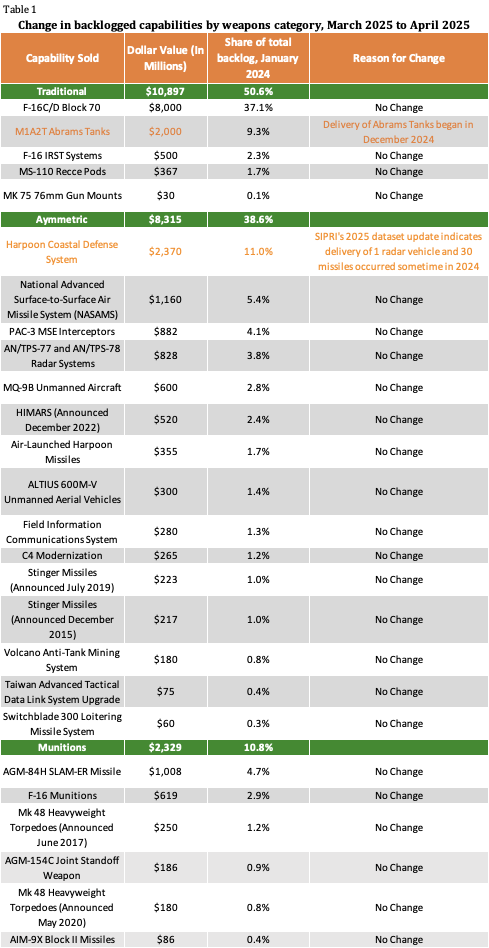
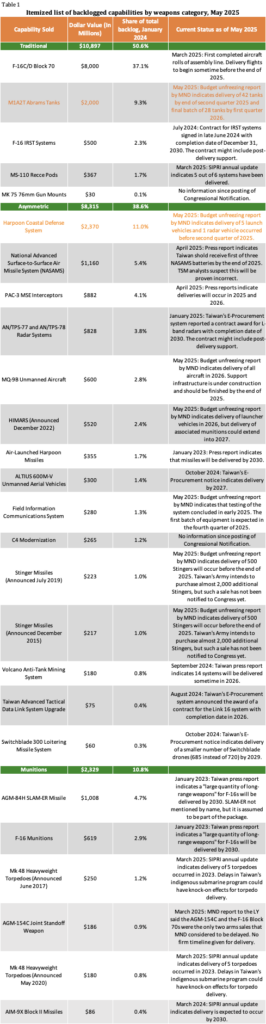
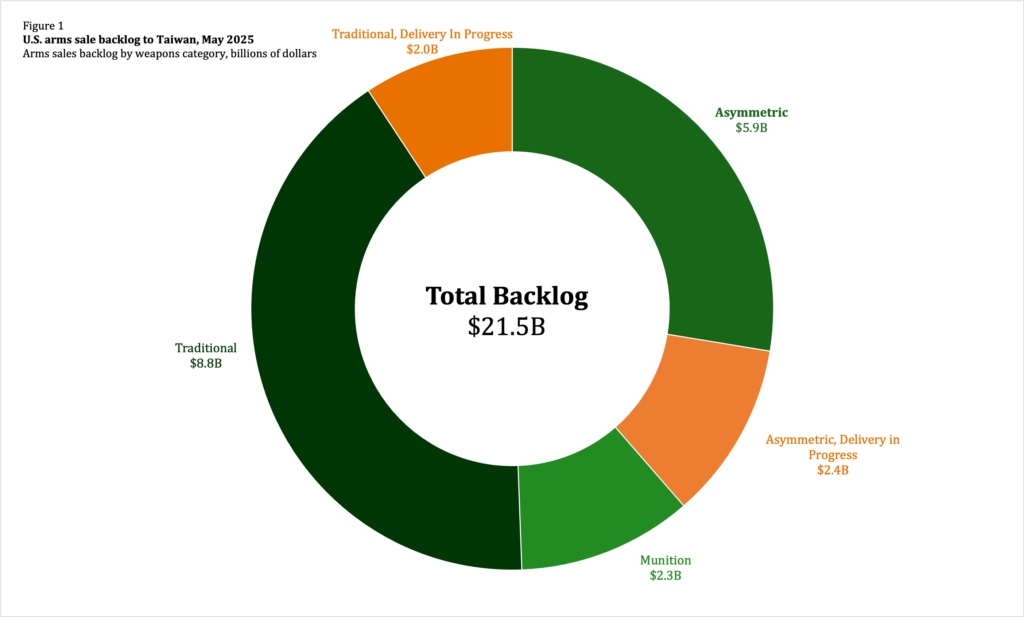
The backlog of US weapons that have been sold but not delivered to Taiwan did not see any major shifts in the month of May. The backlogโ€™s total value remains $21.5 billion, with deliveries of $4.4 billionโ€”split roughly evenly between Abrams tanks and ground-launched Harpoon anti-ship missilesโ€”in progress. See Figure 1 for a visualization of the backlog by weapons category and Table 1 for an itemized list.
Despite the lack of movement in the backlogโ€™s dollar value, May was an important and illuminating month. Taiwanโ€™s Ministry of National Defense (MND) released multiple reports to the Legislative Yuan (LY) with new information about severalโ€” though not allโ€” of the backlogged arms sales.
One bit of housekeeping before diving into the MND reports: we have adjusted Table 1, the itemized list of backlogged arms sales. Instead of the rightmost column showing the change of status since the previous month (which mostly resulted in โ€œNo Changeโ€ month after month), it now shows the status of the arms sale based on the most current available information that TSM analysts have on hand. One of TSMโ€™s readers suggested this change and it is a very good one, so please donโ€™t be afraid to send (constructive) criticism to us in the future.


MNDโ€™s Budget Unfreezing Reports
There are some rather nasty politics happening in Taiwan this year. Elections in January 2024 produced a divided government. The Democratic Progressive Partyโ€™s (DPP) Lai Ching-te was elected president, but the DPP does not have a majority in the LY, holding 51 seats to the Kuomintangโ€™s (KMT) 54 seats (2 legislators are independent, but caucus with the KMT) and the Taiwan Peopleโ€™s Partyโ€™s 8 seats.
The LYโ€™s composition has led to some high profile legislative (and physical) fights, and the DPP is hoping that a recall effort will remove enough KMT lawmakers later this year to restore their majority and create a united government.
The silver lining of this messy political situationโ€” at least, for those of us monitoring the Taiwan arms sale backlogโ€” is the release of multiple budget unfreezing reports by the MND. During the LYโ€™s defense budget process earlier this year, KMT lawmakers froze approximately $3 billion of 2025โ€™s proposed defense spending (roughly 14 percent of the total budget) across 279 individual spending items. To unfreeze the money, the MND must submit short reports to the LY explaining the status of the frozen programs and providing information on how it plans to use funds in the upcoming year.
The MND released a flurry of these budget unfreezing reports in May 2025, and they contain very valuable information on the status of multiple US arms sales to Taiwan.


Stinger Missiles
There are two Foreign Military Sales (FMS) cases for Stinger missiles in the arms backlog for a combined total of 500 missiles and cost of $440 million. The Stinger cases have been particularly frustrating. Per a 2024 report from the MND to the LY, Taiwan had to re-sign an important document to facilitate the arms sale due to the Army wanting to add missiles to an FMS case originally advanced by the Navy. The original Navy case for 250 missiles was due to be completed by 2022, but as of May 2025, neither case has been fully resolved.
The May 2025 budget unfreezing report on the Stinger FMS case indicates that Taiwan should receive all its currently outstanding Stinger missiles and grip stocks before the end of 2025. The report also mentions that the MND is budgeting to purchase 585 additional launchers and 2,121 additional missiles, the bulk of both going to the Army. This massive Stinger buy has not yet received Congressional notification, but it should occur soon. The report mentions that the MND submitted a Letter of Request to the United States in the first quarter of 2025.
Harpoon Coastal Defense System (HCDS)
The largest asymmetric FMS case in the backlog is a purchase of 400 ground-launched Harpoon missiles, 100 launch vehicles, and 25 radar vehicles, valued at $2.37 billion. Earlier reporting from Taiwanโ€™s press and the March 2025 annual update to SIPRIโ€™s dataset on arms transfers suggested that components for this arms sale had started arriving in Taiwan, though there was some uncertainty about just how much was delivered.
The budget unfreezing report for the HCDS provides more details. Per the report, the first radar truck and five launch vehicles rolled off the production line in the first quarter of 2025. There was a bit of a gap between production and shipment to Taiwan. This first batch of vehicles arrived in Taiwan in late June 2025.

MQ-9B Unmanned Aircraft
A sale of four MQ-9B surveillance drones and two ground stations received Congressional notification in November 2020. When freezing funds for the MQ-9B purchase, legislators said they were concerned that the MND had plans to store all four aircraft in a single hangar.
The budget unfreezing report states that MND has adjusted its storage plan and will distribute the MQ-9Bs across more storage facilities to reduce their vulnerability to attack. The report anticipates that construction of the MQ-9Bโ€™s support facilities will be completed by the end of 2025. All four aircraft are expected to arrive in Taiwan sometime in 2026.

Field Information Communication System (FICS)
The $280 million FICS case had preciously little publicly available information after it was notified to Congress in December 2020, besides a press report from March 2022 claiming that delivery would occur sometime in 2025. The budget unfreezing report indicates that the FICS successfully finished system component testing earlier this year. Delivery of the first batch of systems is expected before the end of 2025, but it is not clear when the final delivery will occur.

High Mobility Artillery Rocket System (HIMARS)
Taiwan had two FMS cases for HIMARSโ€”an initial buy of 11 launchers and Army Tactical Missile Systems (ATACMS) notified to Congress in 2020 and a plus-up of 18 additional launchers, guided rocket pods, and ATACMS in December 2022. In November 2024, the first batch of 11 launchers and several ATACMS arrived in Taiwan. The HIMARS cases are also cited as the only arms sale to Taiwan that is ahead of its original delivery schedule.
The budget unfreezing report provides more details about the pace of munitions deliveries for HIMARS. The report says that Taiwan should receive the remaining 18 launchers by the end of 2026, but deliveries of ATACMS and rocket pods could extend into 2027 given the large volume of munitions that Taiwan is purchasing. Additionally, Taiwanโ€™s military successfully test-fired a HIMARS from its territory for the first time in May 2025.

Conclusion
Except for the secretive FICS, none of the information in the budget unfreezing reports was all that shocking or unexpected. While there are some deviations from earlier reported delivery timelines, none of these are significant. However, the budget unfreezing reports are a noteworthy example of transparency from the MND. This crop of reports is the result of a contentious political environment in Taiwan, but having a regular, publicly available reporting mechanism to keep the LYโ€” and researchersโ€” informed about arms sales delivery timelines would be valuable.
We at TSM will be tracking down and translating as many of these budget unfreezing reports as possible in the coming weeks.
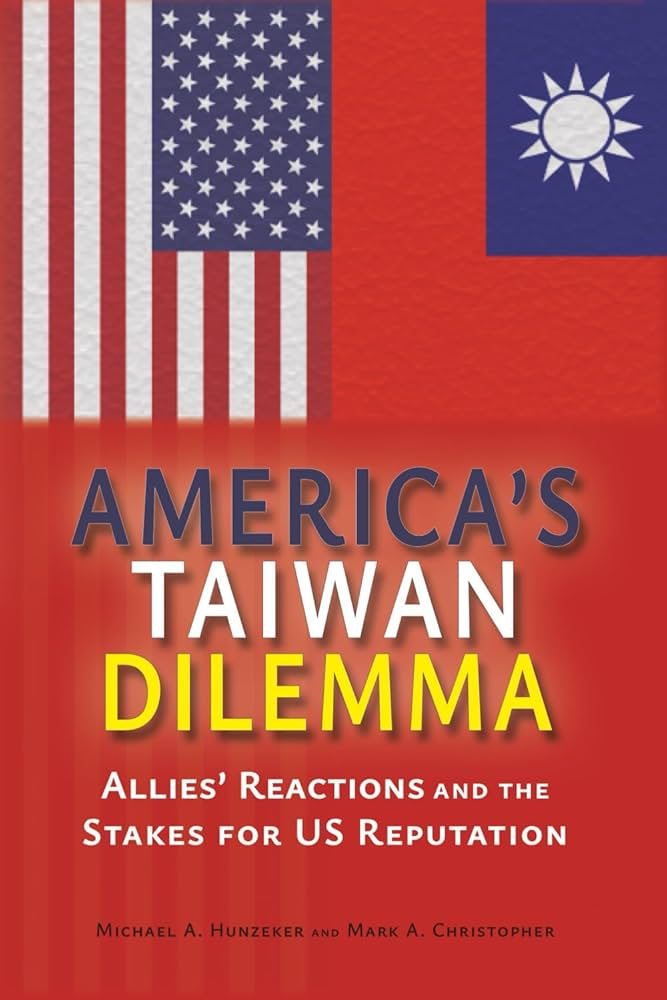
America’s Taiwan Dilemma: Allies’ Reactions and the Stakes for US Reputation

Author: Michael Hunzeker


America’s Taiwan Dilemma: Allies’ Reactions and the Stakes for US Reputation offers a rigorous open-source analysis of how America’s key allies – Japan, South Korea, and Australia – would respond to US intervention or inaction in a Taiwan conflict. If Beijing attempts to forcibly annex Taiwan, Washington’s decisions will have far-reaching consequences for its credibility in East Asia and beyond. Yet, the long-term implications of these choices on America’s alliances and global standing remain largely unexamined-until now.

Based on over 100 interviews with leading experts from Japan, South Korea, Australia, Taiwan, and the United States, this book provides unparalleled insight into how America’s allies view the stakes in a Taiwan contingency. It captures, in their own words, their perspectives-sometimes contradictory but consistently pragmatic- as they grapple with their reliance on the United States as a distant security guarantor and their unease with an increasingly assertive China nearby.

The book identifies both common ground and divisions among allies, examining how domestic politics, threat perceptions, and regional dynamics shape their expectations of Washington. By analyzing these complexities, America’s Taiwan Dilemma explores how US policies to deter China align or conflict with strategies to maintain its alliances in the Indo-Pacific.

Essential reading for policymakers, scholars, and security analysts, this book provides critical insights into the future of US alliances and credibility amid rising tensions across the Taiwan Strait, offering a roadmap for understanding America’s role in shaping regional stability.

Available for purchase here.

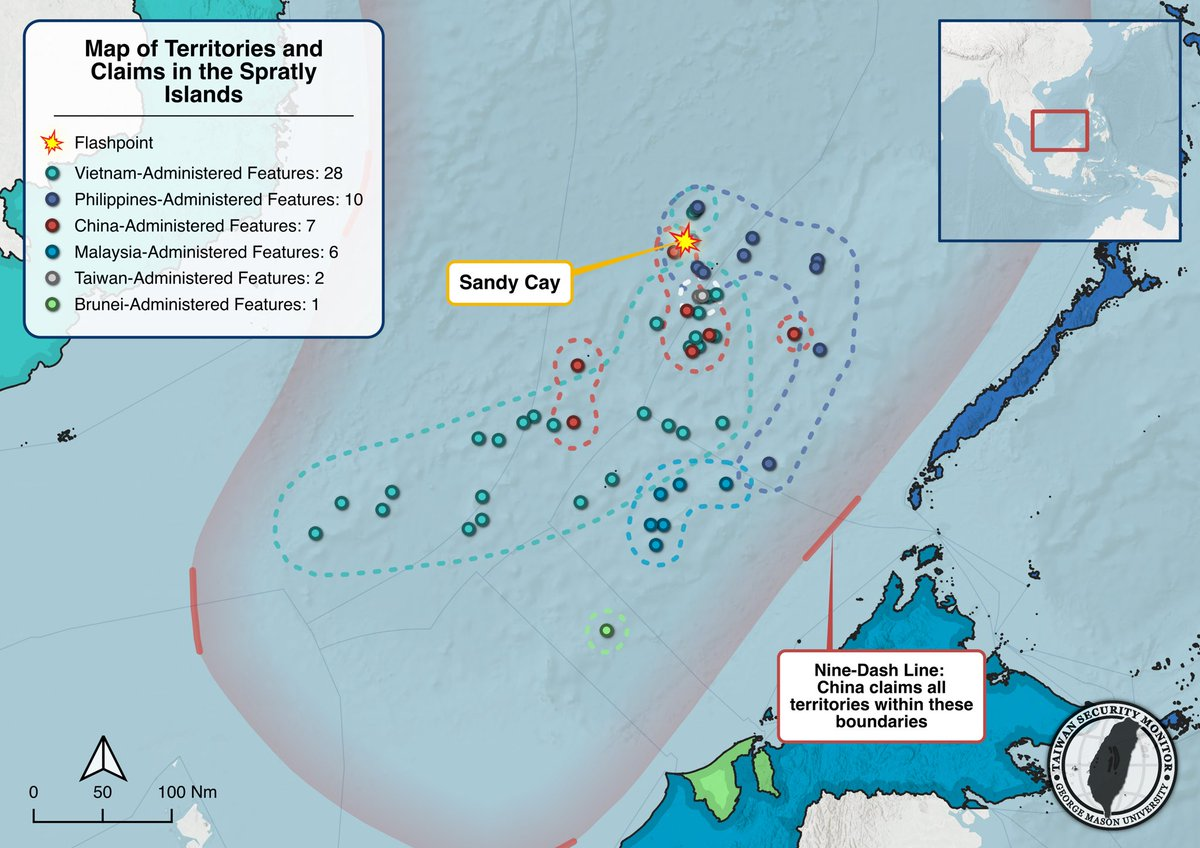
Visualization: Map of Territories and Claims in the Spratly Islands

Authors: Chris Dayton, Ethan Connell


The PLAโ€™s Southern Theater Command recently undertook live-fire exercises to the north of the Spratly Islands, which they claim under their Nine-Dash Line.

Above is our visualization of the administration of those features along with Chinaโ€™s claims, highlighting a May 21st incident in which a China Coast Guard ship sideswiped and water-cannoned a Philippine government vessel in the waters around Sandy Cay.

Taiwan Arms Sale Backlog, April 2025 Update

In First 100 Days Trump Sells a Lot of Weapons, Just Not to Taiwan

By Eric Gomez

The Trump administration celebrated its 100th day in office on April 30, 2025. Foreign Military Sales (FMS) were not one of the items that the administration trumpeted as it marked this milestone. That is not very surprising. While huge nerds like me and you reading this love to follow this stuff, arms sales are not usually high on any administrationโ€™s list of Things to Trumpet. But, because people like you and me exist, letโ€™s look at Trumpโ€™s first 100 days of FMS cases.

Since this is Taiwan Security Monitor, letโ€™s talk about Taiwan first. There were no FMS cases notified to Congress in Trumpโ€™s first 100 days, and there were no reports of major arms sales being delivered to Taiwan in April 2025. I assess the total dollar value of the backlog to remain at $21.54 billionโ€” but there might be some good news for the backlog to report next month (I realize the irony of an arms sale backlog dataset suffering from a backlog of monthly posts). See Figure 1 for the breakdown of the backlog by weapons category and Table 1 for an itemized list.

There were two items of reporting out of Taiwan in April 2025 worth mentioning:

First, Taiwanโ€™s Air Force announced that it would form an additional Patriot battalion as its inventory of interceptors grows. In December 2022, Congress received notification of an amendment to an older FMS case for Patriot systems. The amendment added 100 PAC-3 MSE interceptors and upgrades to launcher systems. Press reports and statements from Taiwanโ€™s Ministry of National Defense have consistently said that they expect all 100 PAC-3 MSEs to arrive by the end of 2026, but the April 2025 reporting is the first time where new military units have been mentioned.

Second, Taiwanโ€™s indigenous submarine program missed its planned start time for sea trials, which were supposed to run from April to September of 2025. The relevant FMS case in the backlog are two cases for heavyweight torpedoes worth a combined $430 million. Accurate data on the delivery timeline for the torpedoes has been hard to find, but if a delay in sea trials leads to a delay in the submarine entering service, then it would not be surprising to see a knock-on delay in the torpedoes. Taiwan Security Monitor will keep an eye on this and report any developments as soon as possible.

Trumpโ€™s First 100 Days of Arms Sales

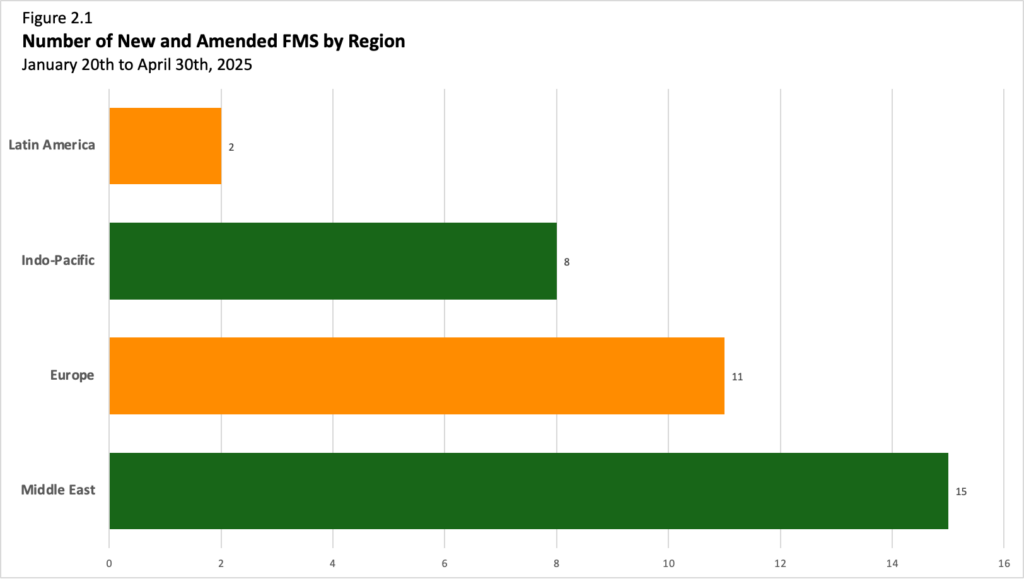
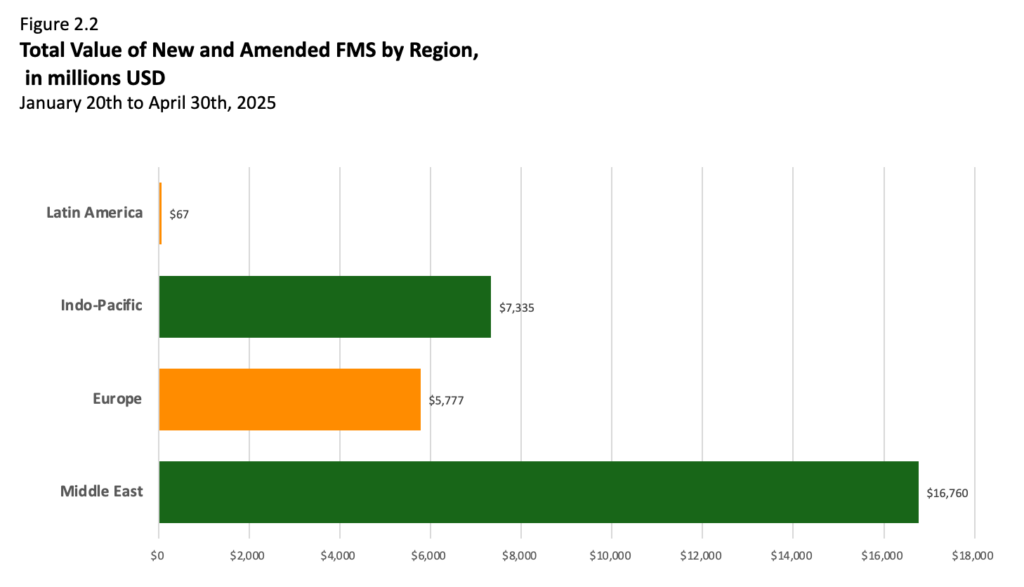
April 2025 was an incredibly busy month for FMS cases being notified to Congress and the last day of the month coincided with Trumpโ€™s 100th day in office. In April alone, Congress received notifications of 18 FMS cases, both new and modifications to older sales, totaling nearly $14 billion. Looking at the first 100 days of the administration, these numbers increase to 36 FMS cases worth almost $30 billion. The Taiwan Security Monitor team created two graphics to visualize this data. Figure 2.1 shows the number of FMS cases by region while Figure 2.2 shows the dollar value of the cases by region.

The Middle East has been the biggest beneficiary of new FMS cases in Trumpโ€™s first 100 days, holding the number one spot in terms of both the number of new cases (15) and the overall dollar value ($16.7 billion). Israel has been the single largest beneficiary of FMS cases by dollar value in this period, with $10.6 billion notified. Almost all the Israel arms sales were for munitions, such as bombs and missiles.

The Indo-Pacific and Europe have also received a substantial amount of FMS support from the Trump administration despite concerns about Trumpโ€™s treatment of US allies. Many of these FMS cases have been for munitionsโ€” the AIM-120 family of air-to-air missiles have been selling like hot cakesโ€” but these also include some noteworthy major platforms such as a sale of 20 F-16s and related munitions to the Philippines for $5.5 billion and 175 Tomahawk missiles for the Netherlands for a little over $2 billion.

Given the processing times for FMS cases, it is possible that many of these cases being notified to Congress were already in the works before Trump took office, although as more time goes by this potential explanation becomes less likely. Trump was a big fan of arms sales in his first administration, however, and one of the Executive Orders in the first 100 days of his second administration is focused on reforming the arms sales process to speed up the delivery of weapons.

Conclusion

The world is still waiting to see what will be in the Trump administrationโ€™s first arms sale to Taiwan. As Taiwan Security Monitor has reported previously, there are rumors of a multi-billion-dollar package in the works, but both the dollar value and capabilities keep changing. Whatever ends up being in the eventual Taiwan arms sale will be an important bellwether, we at Taiwan Security Monitor will keep waiting for the announcement.

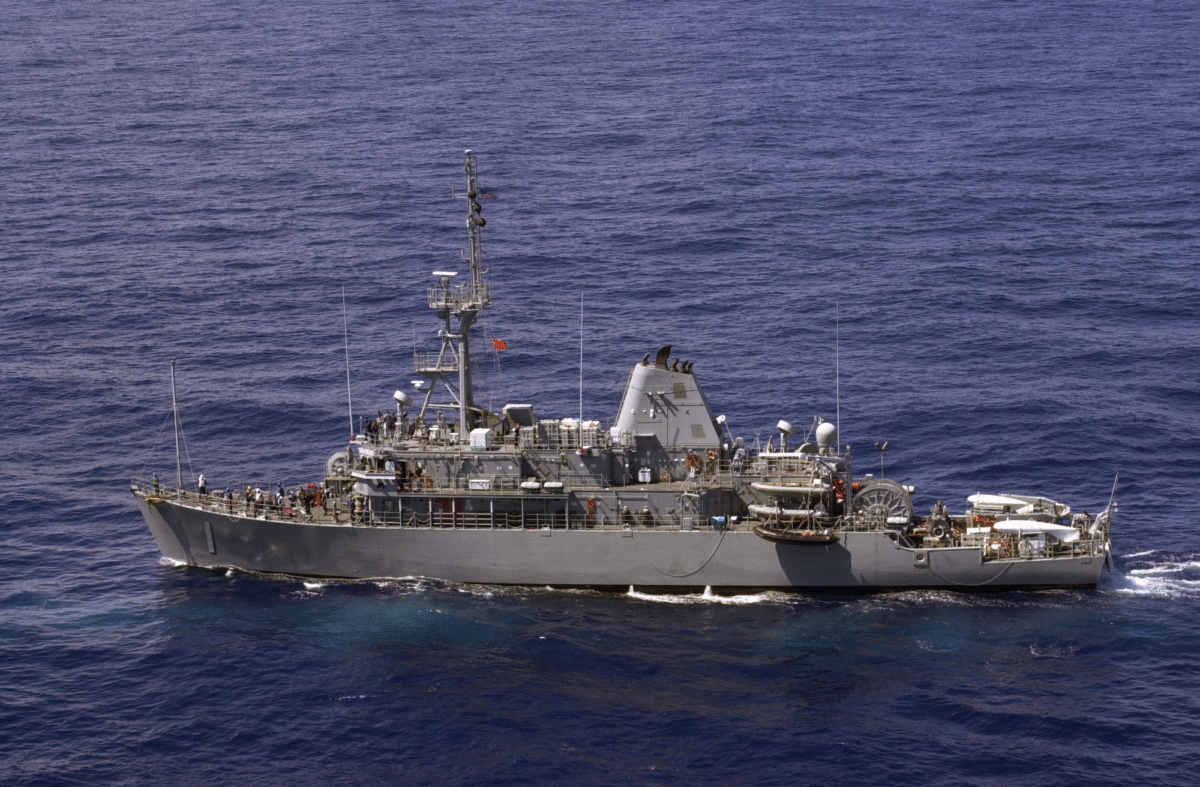
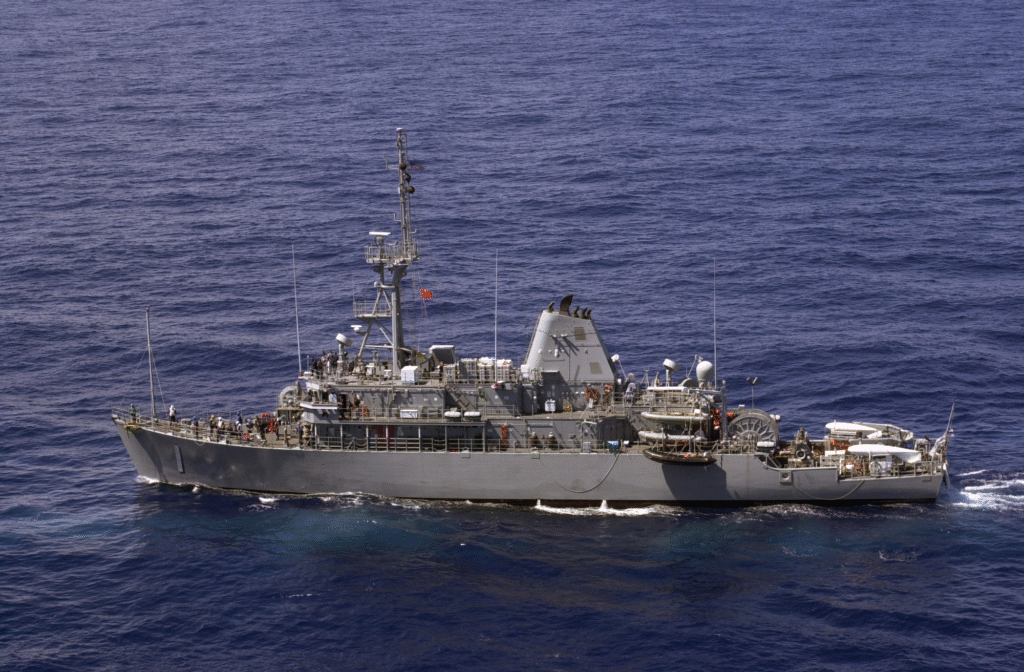
Donโ€™t Sweep Minesweepers Under the Rug: Americaโ€™s Critical Naval Vulnerability

Authors: Ethan Connell & Jonathan Walberg


TSM Research Team Leadย Ethan Connellย and Associate Directorย Jonathan Walbergย write about the urgent threat facing the United States Navy. In it, they talk about the looming mine threat and the role of minesweeping capabilities in modern conflict. They note the exigency of this problem, and illustrate a path forward to addressing this issue. The Center for Maritime Strategyโ€™sย Maritime Operations Center. May 20th, 2025.

Read the full piece here.

Visualization: Third Taiwan Strait Crisis

Author: Chris Dayton


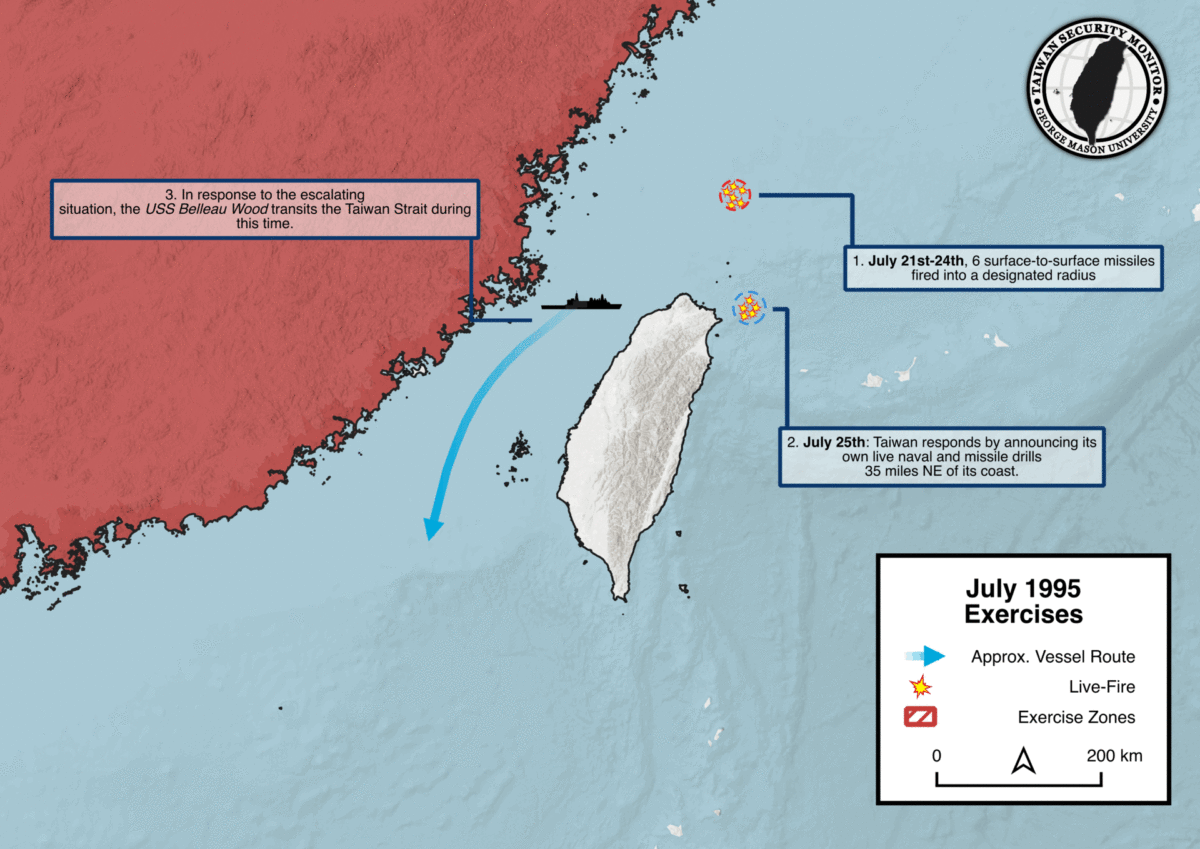
Often forgotten in contemporary discussions of Taiwan’s security is the 1995/96 Third Taiwan Strait Crisis.

This cycle of escalation lasted from July of 1995 to March of 1996, involving live fire drills, missile launches, and massive amphibious exercises.

Above is our visualization of the different stages of the crisis, beginning with the PRC’s backlash to then Taiwanese President Lee Teng-hui’s visit to the United States, and ending with the PRC’s pressure campaign leading up to the 1996 Taiwanese Election.

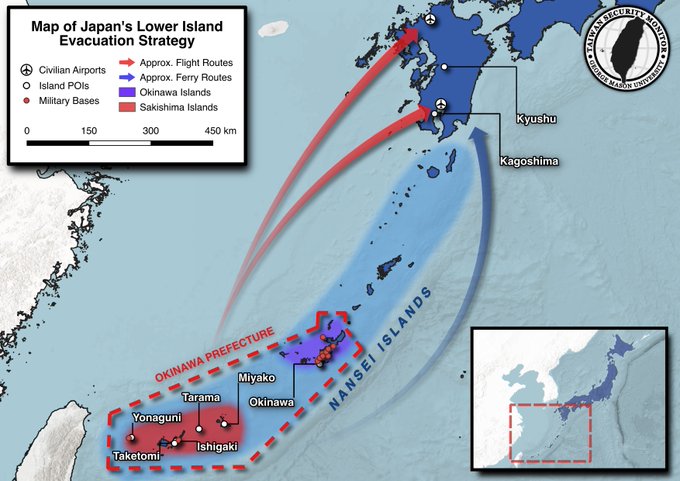
Visualization: Japan’s Lower Island Evacuation Strategy

Author: Ian Struble, Chris Dayton

Research: Olivianna Watkins, Graham Coughlan


In March, the Japanese government announced plans to evacuate up to 120,000 civilians from the Sakishima Islands, part of Okinawa Prefecture, in the event of a Taiwan contingency.

This map is a visualization of those plans, showing the impacted islands and evacuation routes.

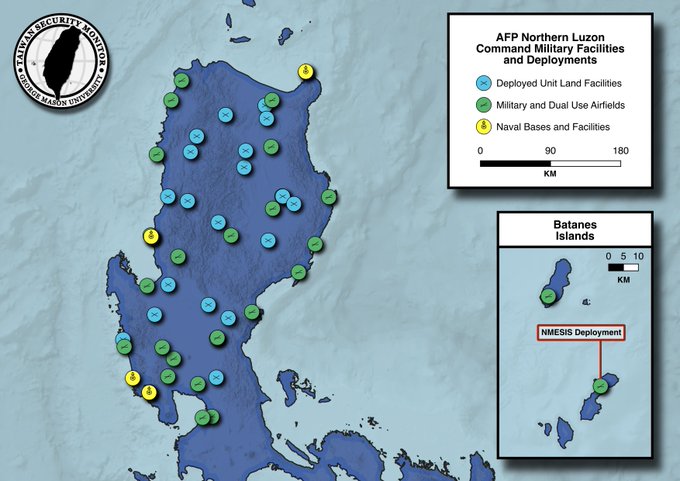
Visualization: AFP Northern Luzon Facilities and Deployments

Author: Chris Dayton, Ian Struble, Ethan Connell


As Balikatan 2025 continues, AFP Chief of Staff Gen. Romeo Brawner recently underscored the “inevitability” of Philippine involvement in a Taiwan conflict, citing 250,000 overseas Filipino workers in Taiwan.

The Northern Luzon Command’s strategic position is pivotal, as joint drills with the US intensify near the Bashi Channel and Luzon Strait.

This map contains all deployed unit land facilities, relevant airfields, and naval bases/facilities.

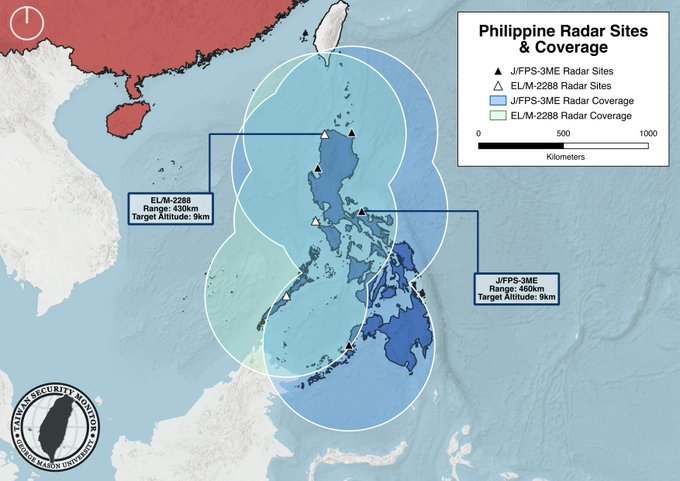
Visualization: Philippine Radar Sites and Coverage

Author: Chris Dayton and Ethan Connell


As part of Balikatan 2025, the Philippine Marine Corps and USMC will be participating in an Integrated Air and Missile Defense event.

This map visualizes the AFP’s air defense infrastructure.

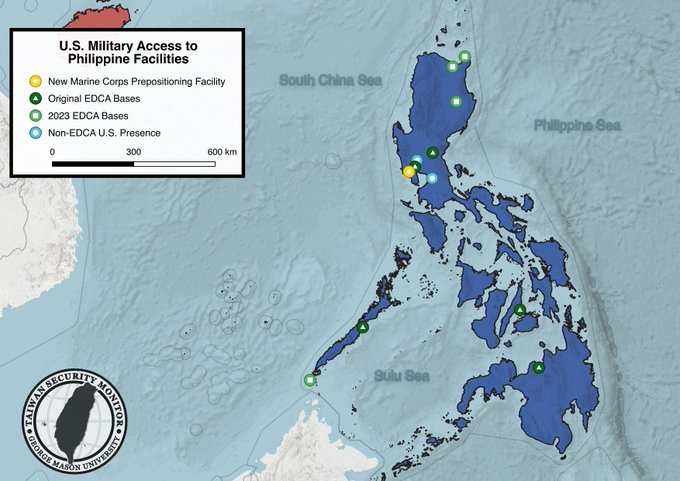
Visualization: U.S. Military Access to Philippine Facilities

Author:ย Chris Dayton and Ethan Connell


Armed Forces of the Philippines Gen. Romeo Brawner Jr. recently gave a speech in which he described the Philippines involvement in a Taiwan contingency as an “inevitability.”

This map visualizes the expanding US military presence in the Philippines.