Author: Joe O’Connor
On Sunday, December 7, the House and Senate Armed Services Committees released their final negotiated text of the National Defense Authorization Act for Fiscal Year 2026, totaling over 3,000 pages. This text, which passed the House in full on Wednesday, December 10th, and is set to be considered by the Senate next week, is the combination of the NDAA bills passed in the House (H.R. 3838) and the Senate (S. 2296), negotiated through a conference committee.
Since the NDAA sets and authorizes U.S. defense policy, examining where and how the bill mentions Taiwan is an important litmus test of what Congress wants the Pentagon to focus on regarding Taiwan’s security. This blog post will be organized into three parts: first, current Taiwan-related provisions in the combined NDAA; second, provisions removed from the Senate version; and third, provisions removed from the House version. This is sourced from the NDAA text and the joint explanatory statement (JES) attached to the NDAA, which explains which provisions were retained and which were removed, and for what purpose.
Combined NDAA Provisions
First, Section 383 requires the Secretary of Defense (hereinafter OSD), along with the JCS and INDOPACOM, to conduct a comprehensive joint mobilization and sustainment readiness study. The study is directed to focus on the ability of the U.S. to react to a “Taiwan Strait contingency,” as well as to evaluate “joint and allied interoperability,” including with Taiwan and other allies. This was adopted from the House version (§ 370A).
Section 1254 directs OSD to develop a 5-year strategy (with a 6-month interim report) to “strengthen multilateral defense against regional aggression in the Indo-Pacific region,” including plans to expand “more frequent maritime operations through the Taiwan Strait and in the South China Sea.” This was adopted from the House version (§ 1315).
Section 1265 modifies the Taiwan Security Cooperation Initiative, initially established by the 2025 NDAA, to add “medical equipment, supplies, and related combat casualty care capabilities” as authorized assistance. This section also authorizes $1 billion from FY26 appropriations to fund TSCI, up from FY25’s authorization of $300 million. This was adopted from the Senate version (§ 1236).
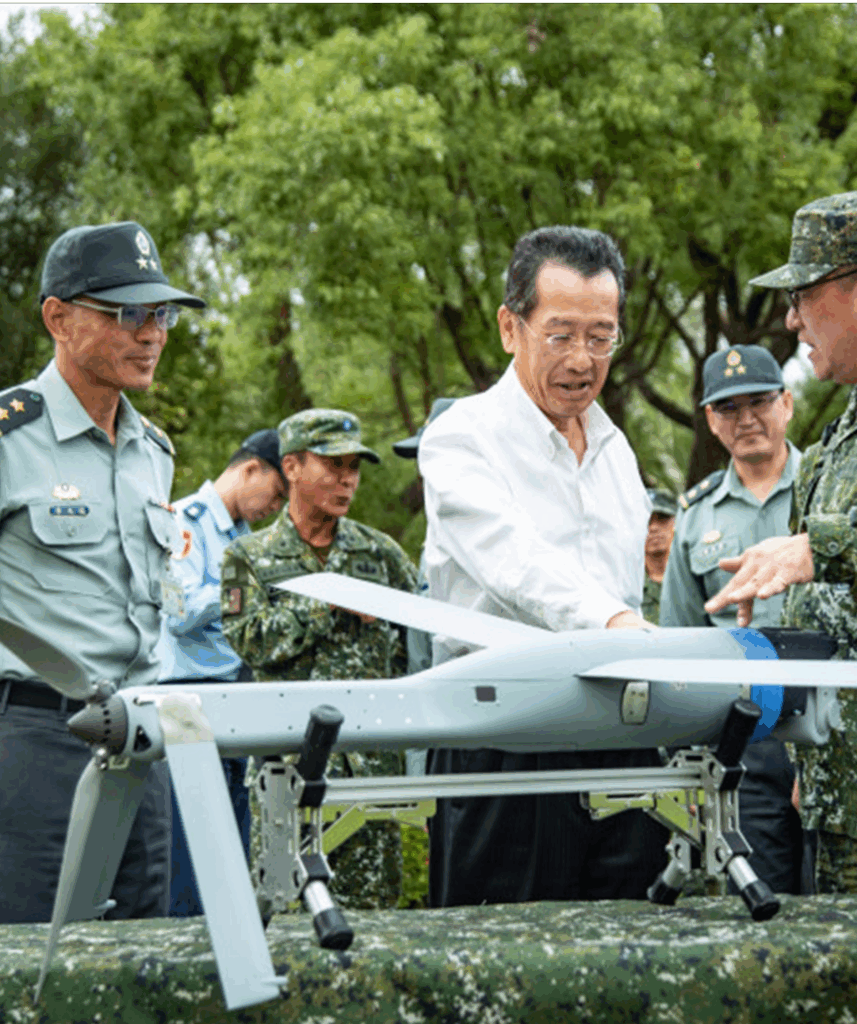
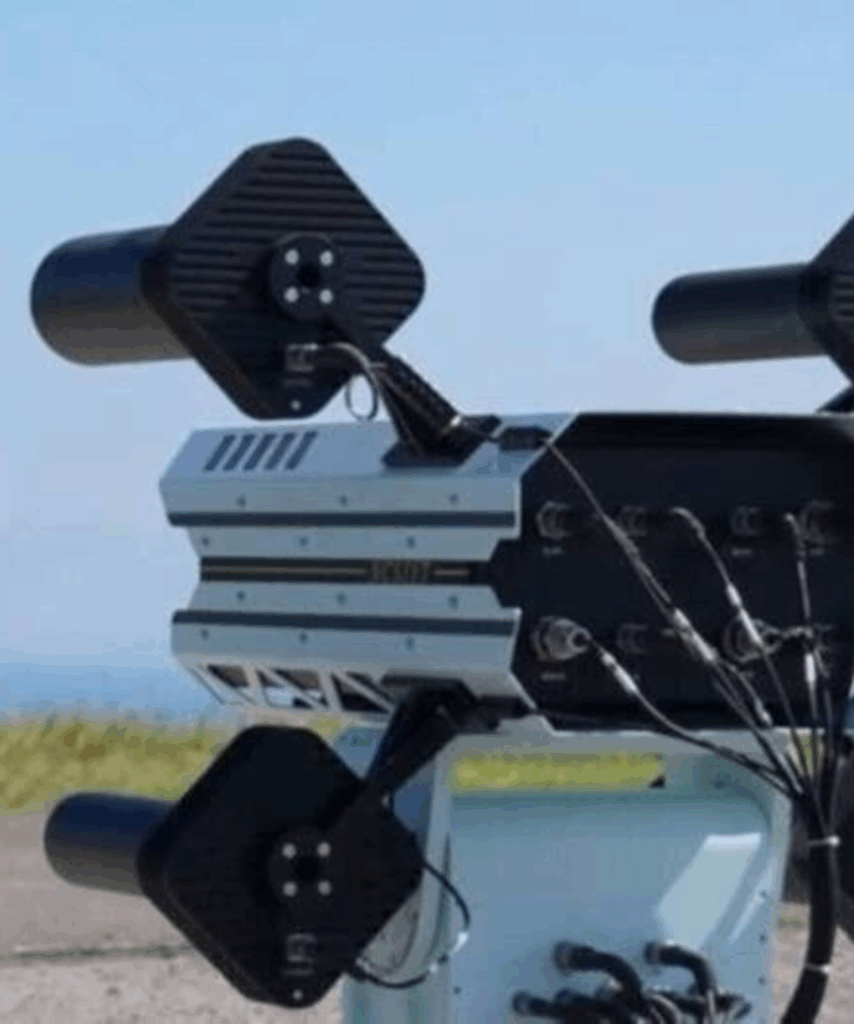
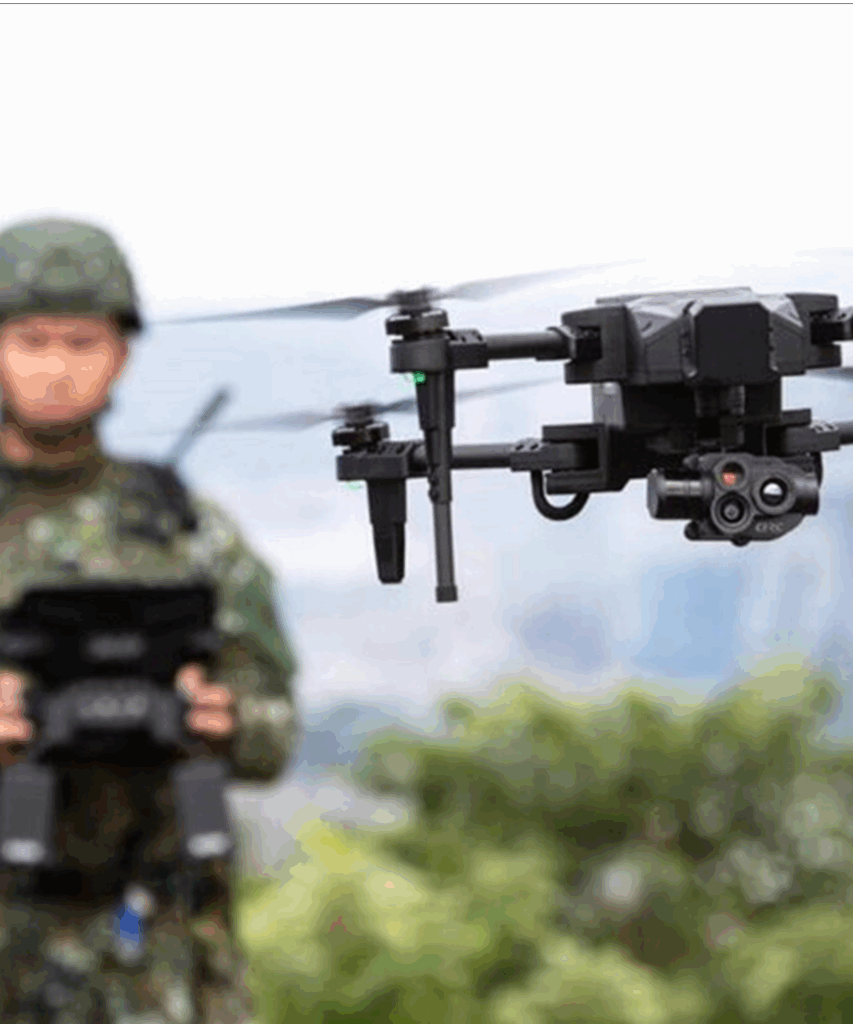
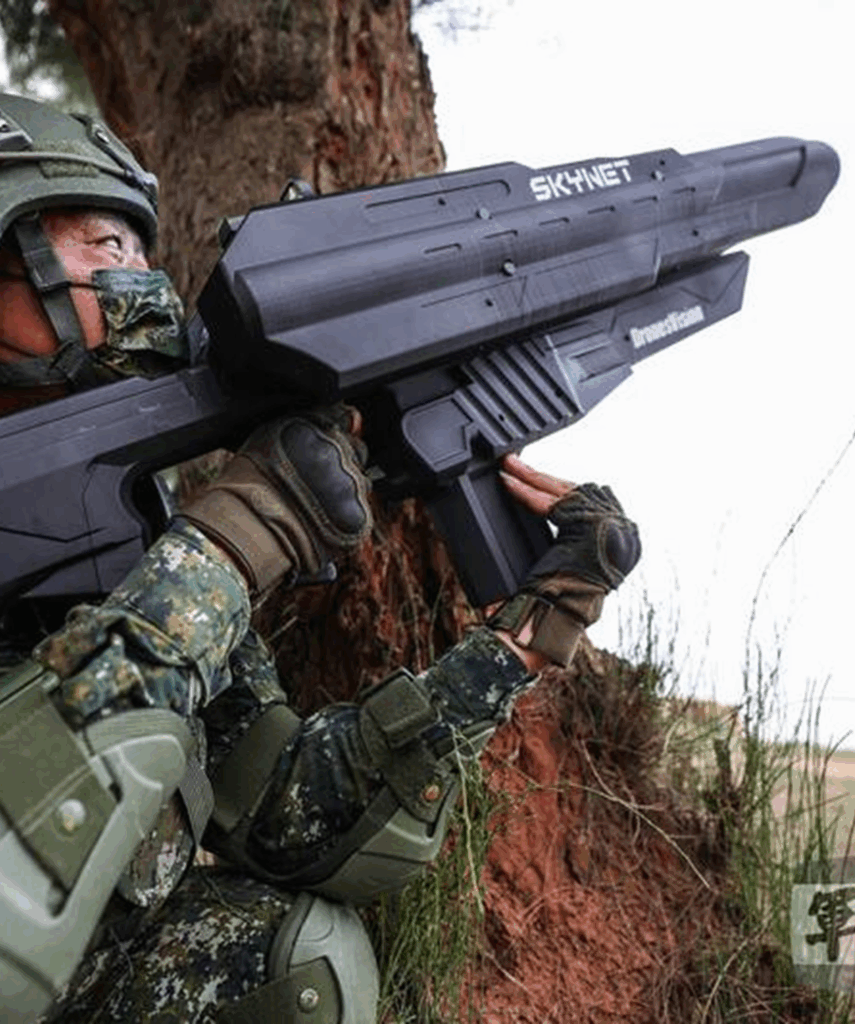
Section 1266 requires OSD to engage with Taiwanese officials on a joint program for fielding “uncrewed systems and counter-uncrewed systems capabilities,” including “co-development and co-production.” This was adopted from the Senate version (§ 1237).
Section 1271 limits 25% of OSD’s travel expenses from being used until certain reports are submitted to the congressional defense committees. These reports include the “Taiwan Security Assistance Roadmap” required by the 2023 NDAA, and a report on the “potential establishment of a regional contingency stockpile for Taiwan,” required by the 2025 NDAA. This was adopted from the Senate version (§ 1234).
Section 7263 requires the Coast Guard Commandant to complete a plan on expanding joint and integrated training between the U.S. Coast Guard and Taiwanese Coast Guard Administration (CGA). This would include the “deploy[ment of] Coast Guard mobile training teams to Taiwan” and “increasing the number of seats” for CGA personnel to take Coast Guard training courses. This was adopted from the Senate version, under the Coast Guard Authorization Act of 2025, designated as Division G of the combined NDAA.
Sections 8301-8305 are known as the “Taiwan Non-Discrimination Act of 2025” and require the United States Governor of the International Monetary Fund to support Taiwan’s bid to join the International Monetary Fund, requiring the Secretary of the Treasury to testify annually on U.S. efforts in that area as well. This was adopted from the Senate version.
Senate Version – Removed Provisions
The NDAA’s JES identifies four provisions from the Senate version that were removed, along with their explanations.
Section 1238 would have required OSD to submit a report to Congress on Taiwan’s critical digital infrastructure capabilities and to identify actions to protect such infrastructure. The JES then “direct[s] the Secretary of Defense” to submit the same report, with nearly identical requirements to those of the Senate. This appears to be phrased into “direct reporting language,” implying that Congress still desires the report, but does not want to codify it into law, owing to the thousands of statutorily-required reports that need managing and frequently go unread or never submitted.
Section 1242 would have established a “strategic partnership on defense industrial priorities between the United States and Taiwan.” In its justification, the JES states that “we include a provision elsewhere in this Act authorizing DIU [the Defense Innovation Unit] to establish regional outreach centers to enable more streamlined interactions,” essentially removing the provision as redundant.
Section 1243 would have directed OSD to invite Taiwan to the Rim of the Pacific (RIMPAC) naval exercise. The JES indicates that “the Commander, U.S. Indo-Pacific Command, has the authority to invite the naval forces of Taiwan to participate,” thus not making the provision necessary.
Section 1260 would have clarified that OSD may assign a Defense Priorities Allocation System rating for foreign military sales, to prioritize sales to Taiwan, South Korea, and the Philippines. The committee explains this removal by saying that the DOD already has the authority to assign a DPAS rating to FMS sales and that clarification is unnecessary.
House Version – Removed Provisions
The NDAA’s JES identifies five provisions from the House version that were removed, along with their explanations.
Section 1320 would have amended a section of the 2022 NDAA addressing conventional and irregular threats facing Taiwan and its capabilities to defend against them. The conference committee removed this provision because the “Taiwan Enhanced Resilience Act,” part of the 2023 NDAA, already addresses reporting requirements.
Section 1322 would have required OSD to report on obstacles to U.S. assistance of Taiwanese procurement and provide policy recommendations. As noted above, the conference committee considered this reporting requirement to be covered by the Taiwan Enhanced Resilience Act.
Section 1324 would have allowed the President to take such actions to support Taiwan’s energy security and ability to withstand a blockade or embargo. The conference committee removed this provision while stating their support for Taiwan, “consistent with the Taiwan Relations Act.”
Sections 1321 and 1323 were also removed, as they were similar to the above-mentioned Senate sections 1242 and 1243, which relate to strategic partnerships on defense industrial priorities and RIMPAC.
Conclusion
It’s clear that much was excised from both House and Senate NDAAs (as is probably the case regularly in reconciliation), but those removed provisions were almost all due to redundancy, mostly in reporting requirements. It is worth noting that the conference committee removed the explicit reference to “strategic partnership on defense industrial priorities,” claiming the DIU could do so. Clearly, however, Senate proposals to co-develop and produce UAS systems with Taiwan won out, as did modification of the Taiwan Security Cooperation Initiative and a plan for U.S.-Taiwanese coast guard training.