Taiwan Security Monitor

Weekly Security Review: 2/2/26

Author: Jaime Ocon


Welcome to the Weekly Security Review, where we highlight key military, security, and political developments around Taiwan in one straightforward summary!

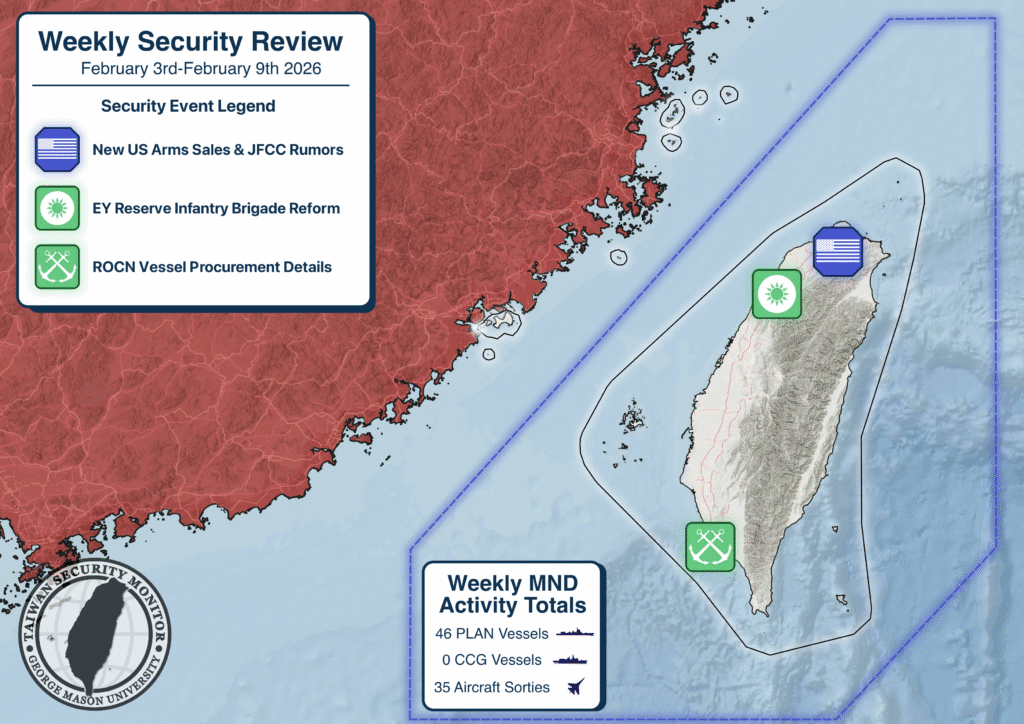
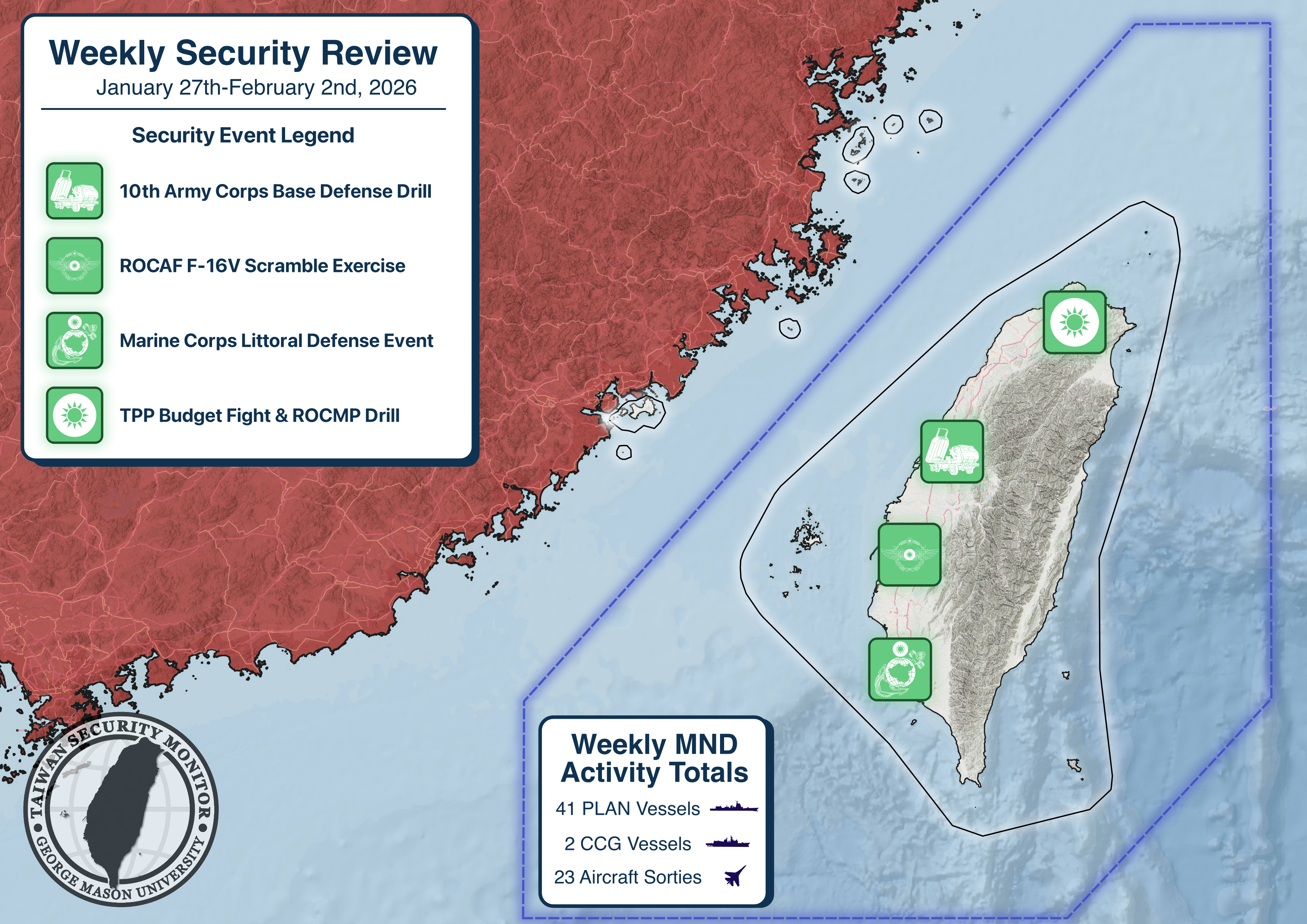
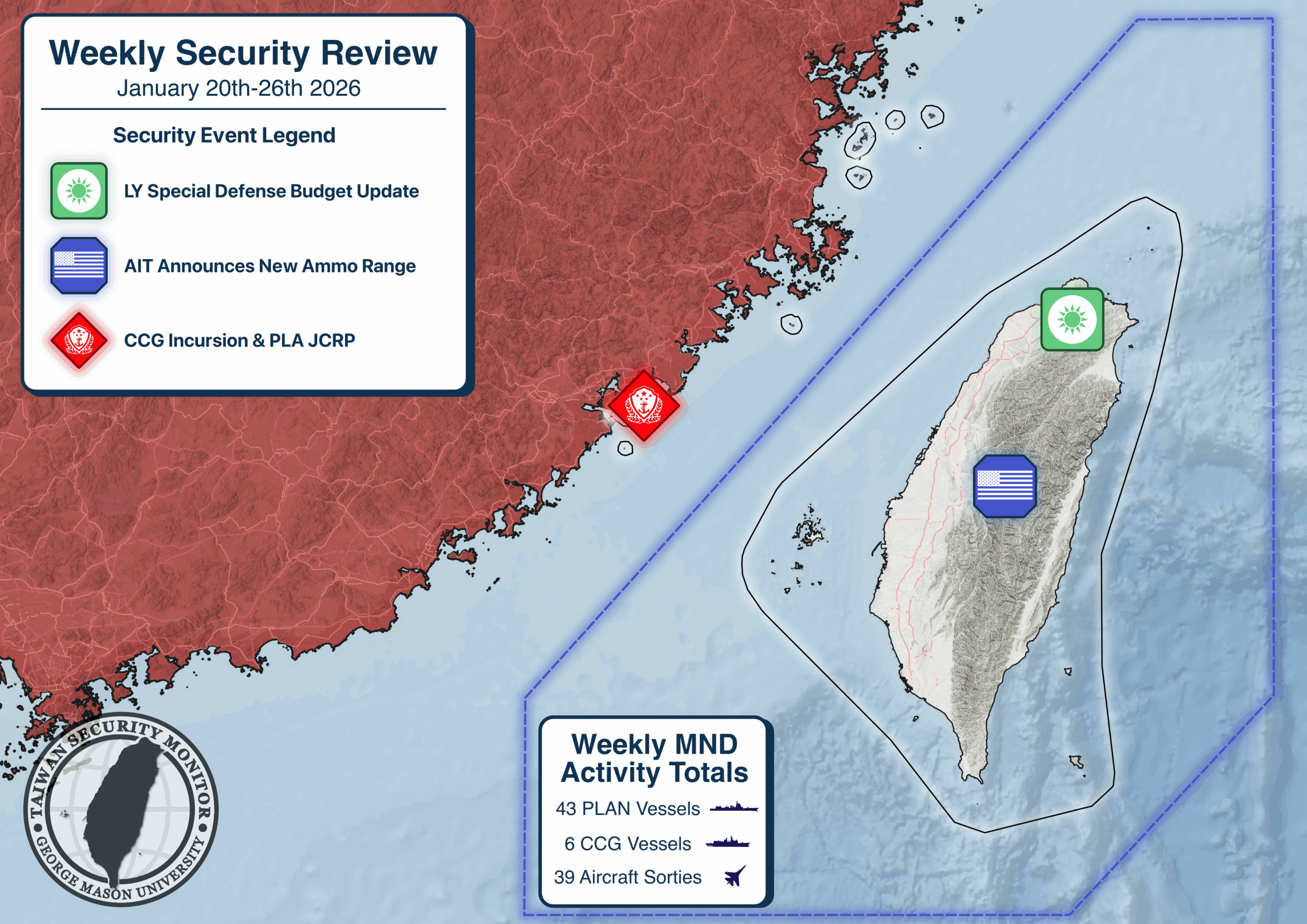
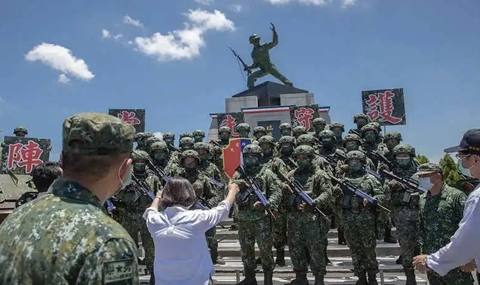
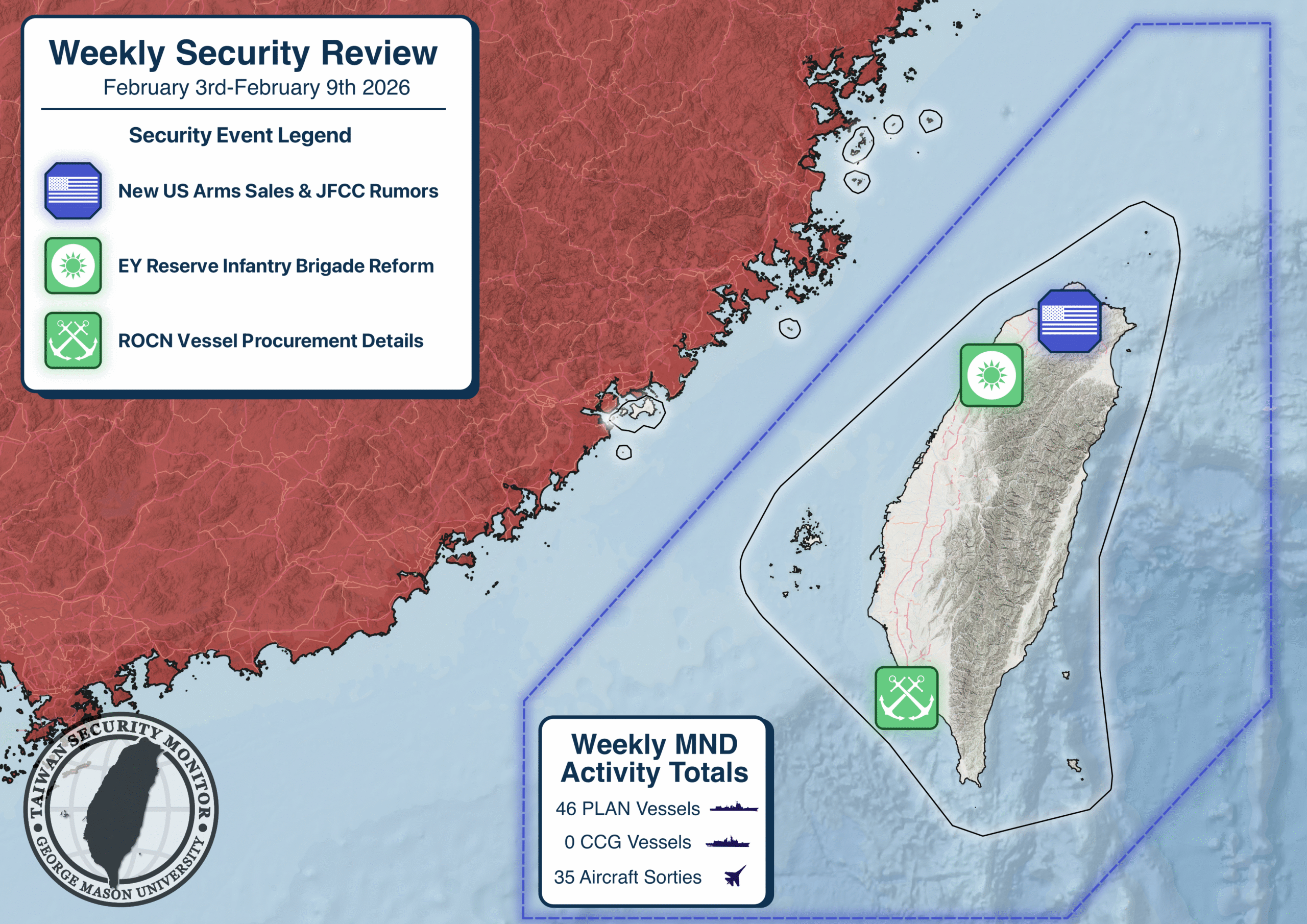
This week, Taiwanโ€™s military conducted nationwide combat readiness drills ahead of the Lunar New Year, military police sharpened urban-warfare and close-quarters combat skills, and opposition lawmakers moved to cut supplementary defense funding.

Military Conducts Lunar New Year Exercises 

Ahead of the Lunar New Year, Taiwanโ€™s military is conducting its annual combat readiness exercises to demonstrate that the armed forces will maintain vigilance and operational preparedness throughout the holiday period. For this iteration, the military held air, land, and sea media demonstrations over three days. Itโ€™s important to mention that there were other LNY exercises conducted away from the cameras in other parts of the country. 

Army Deploys HIMARS, UAVs in Base Defense Drill 

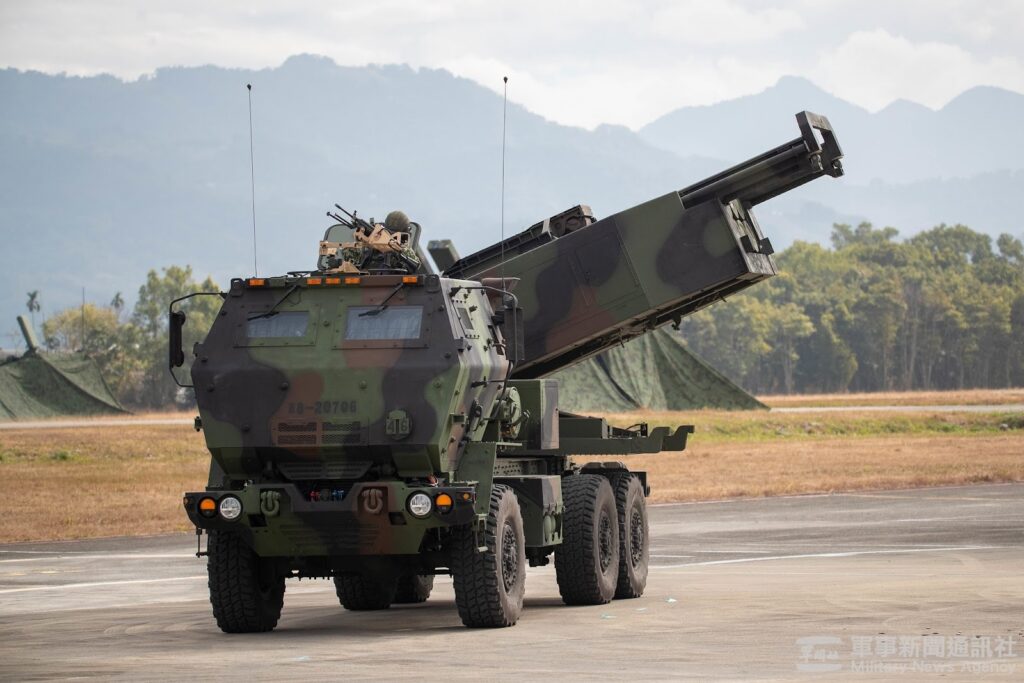
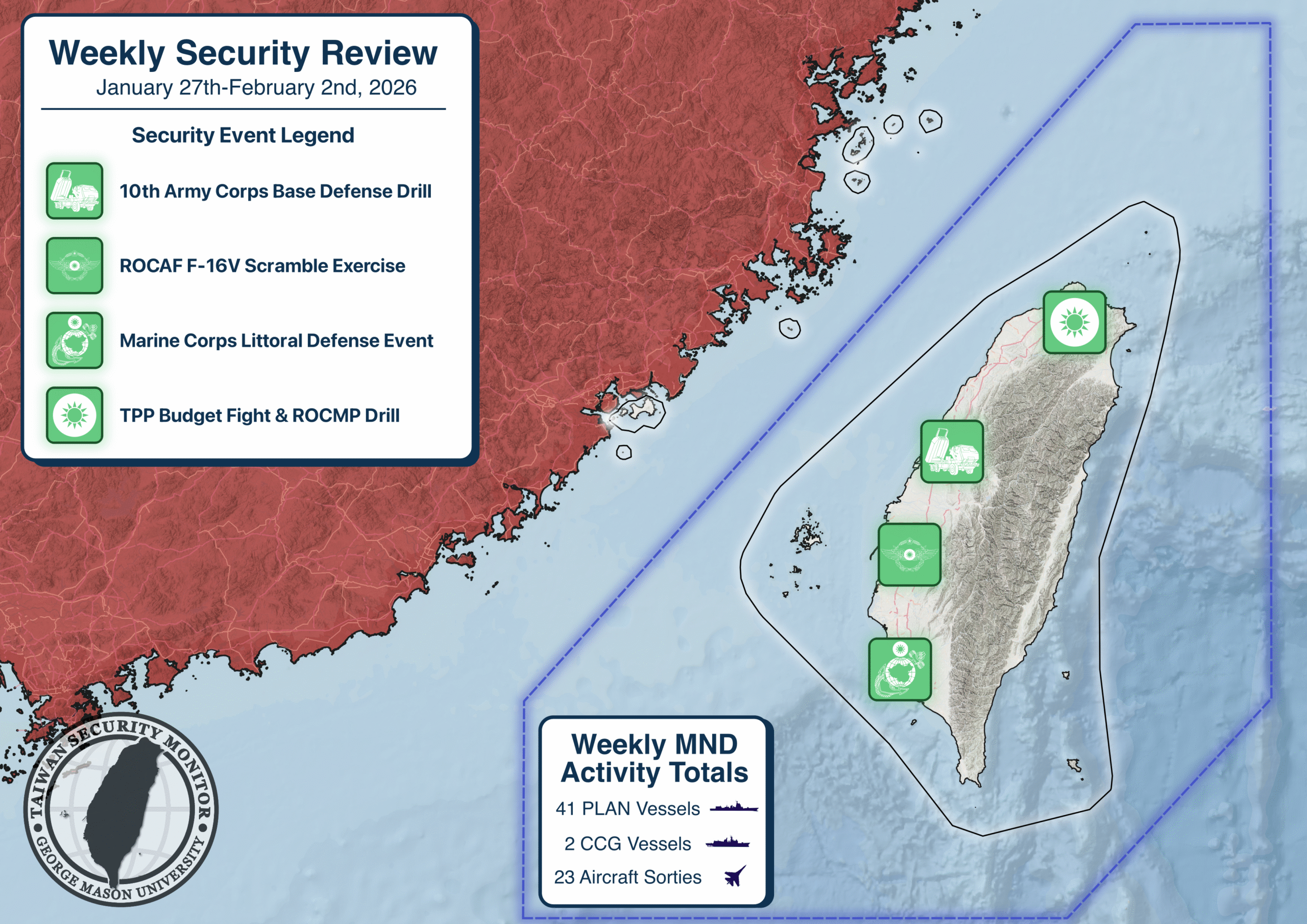
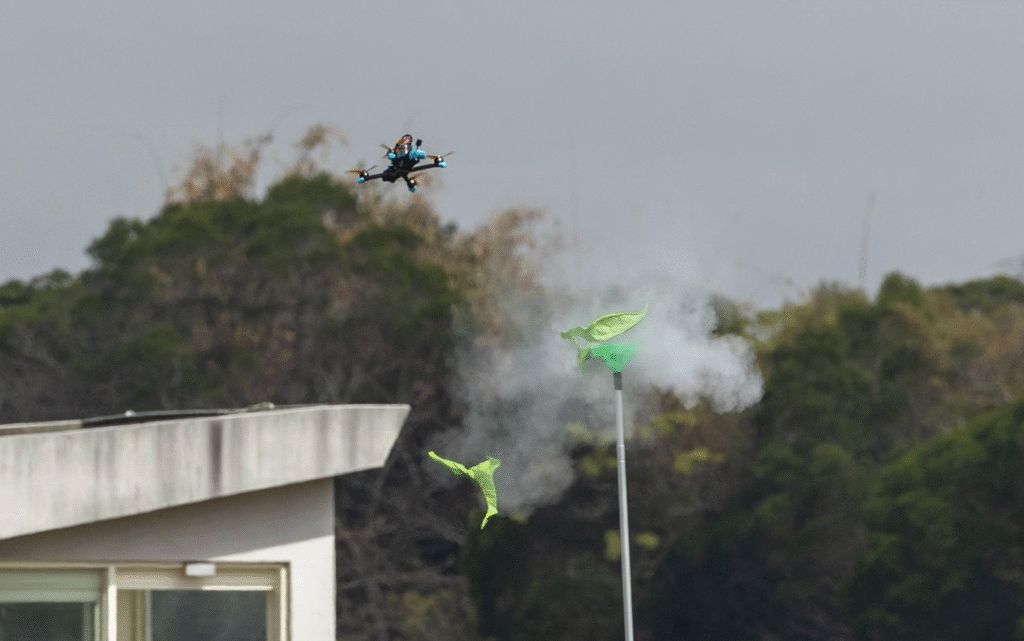
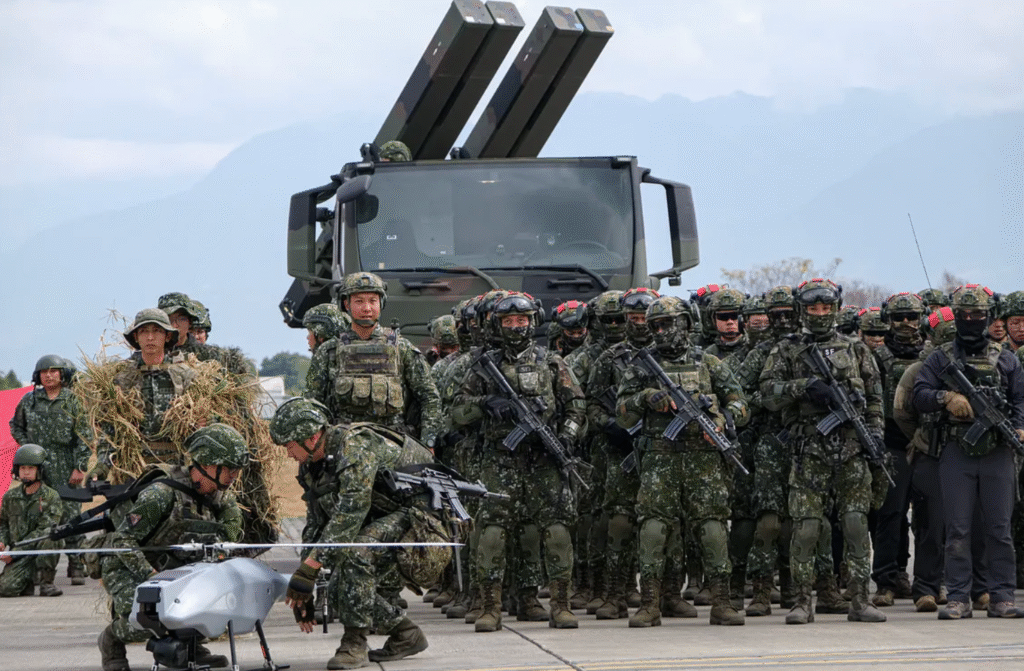
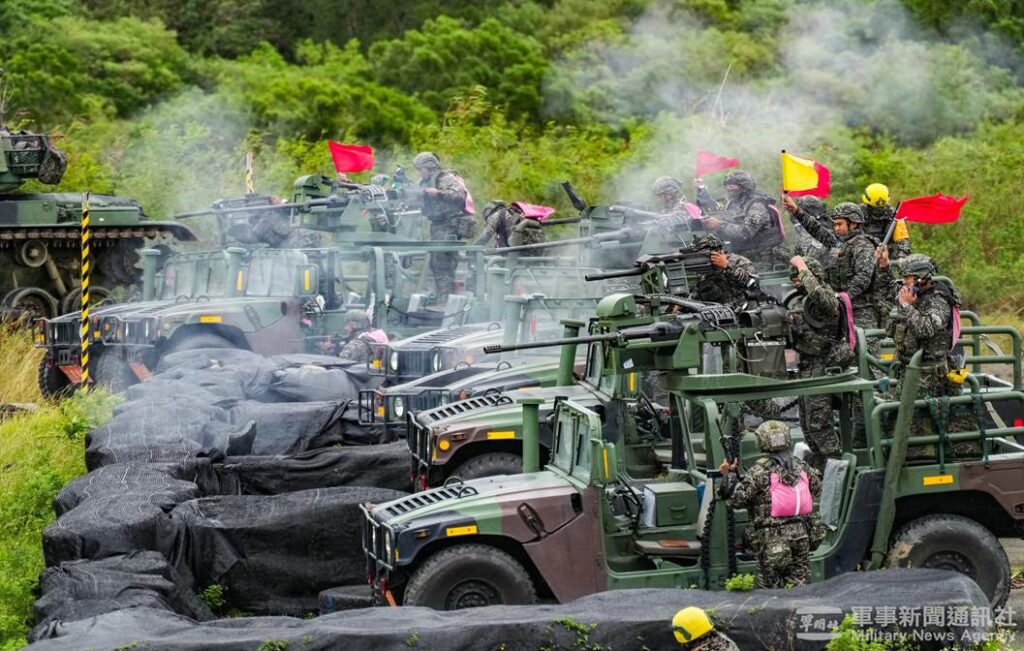
On Tuesday, 27 January, the 10th Army Corps conducted a โ€œrapid combat readinessโ€ scenario in which an opposing force, mostly fifth column operatives, attacked a small military base. The force was equipped with machine guns and used technical-style pickup trucks to launch an assault, with additional forces arriving by helicopter to support the broader attack. Taiwanโ€™s army responded to this scenario by deploying troops from the 586th Armored Brigade, 58th Artillery Command, supported by the 602nd Army Aviation Brigade. Assets used included M60A3 tanks, CM33/34 Clouded Leopard infantry fighting vehicles, Humvees equipped with TOW-2B anti-tank missiles, Land Sword-2 SAM systems, UH-60M Black Hawk helicopters, AH-1W Super Cobra attack helicopters, and, for the first time, HIMARS and small-scale first-person-view (FPV) drones.

The exercises demonstrated small-scale counterinsurgency operations. Further, the MND said the drills were an opportunity for the 58th Artillery Command to test the effectiveness of new equipment. Most notable was the use of new HIMARS systems and FPV drones to provide additional firepower against potential enemy attacks. FPV drones were used to target balloons simulating enemy targets, while HIMARS demonstrated mobile โ€œscoot-and-shootโ€ tactics,  coordinating fire with troops on the ground. The tactic involves friendly forces practicing target engagement before relocating to avoid detection from the enemy.

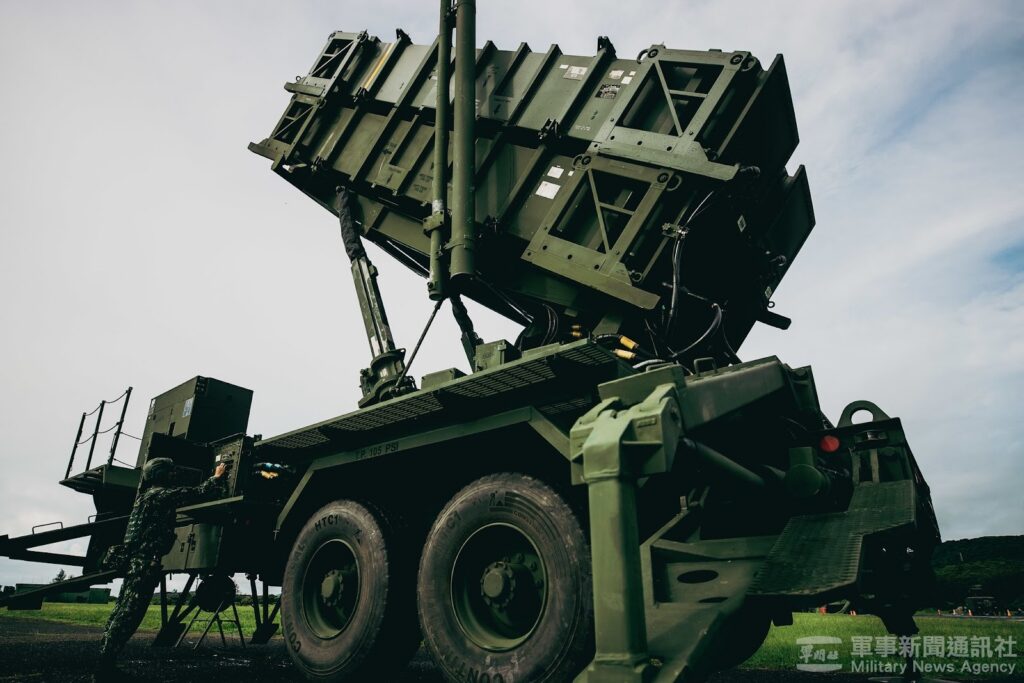
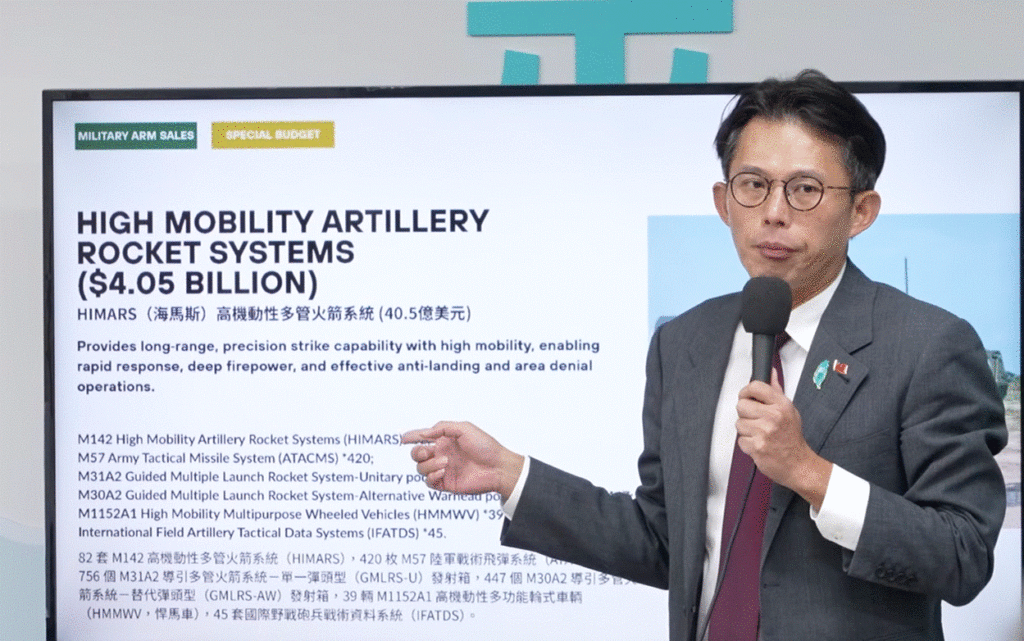
Itโ€™s important to remember that late last year, the U.S. approved the sale of 82 HIMARS systems and 420 ATACMS worth more than $4 billion. Taiwanโ€™s military considers these systems crucial to the islandโ€™s defense, and recent reports indicate the Army could deploy them to the outlying islands, closer to China. You can see our own visualization of that deployment here: 

Air Force Demonstrates F-16V Scramble, Air Defense Operationsย 

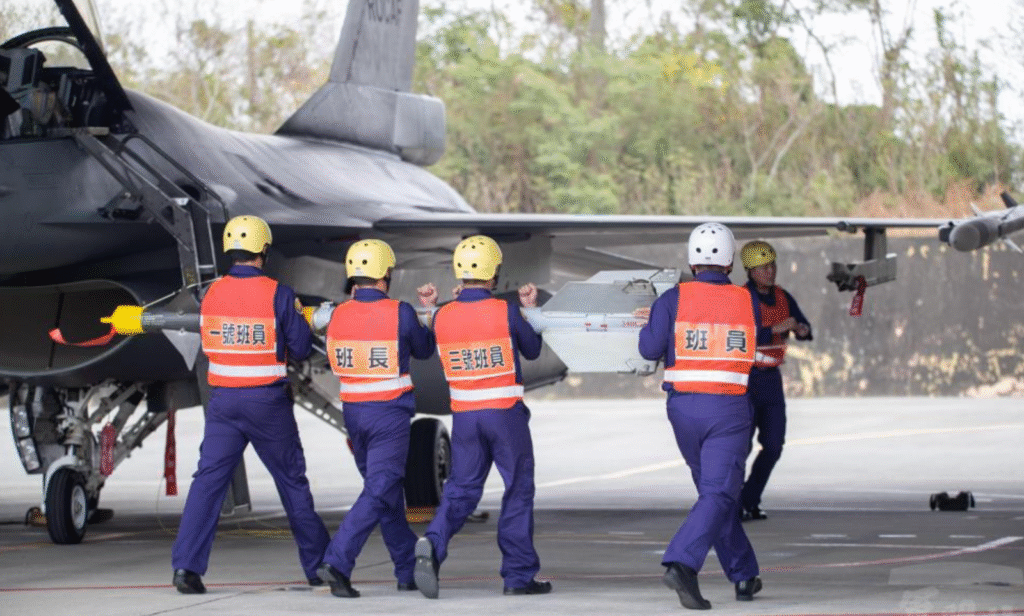
For two consecutive days (27-28 January), the media demonstrations moved south to Chiayi Air Base, home to the 4th Tactical Fighter Wingโ€™s F-16V fighter jets. The exercises began with a demonstration of how pilots scramble to intercept enemy aircraft flying close to the countryโ€™s airspace. From the moment the alarm sounded to take off, the entire procedure reportedly took place in under six minutes. The Air Force also demonstrated various daily maintenance operations, including weaponsโ€‘loading teams mounting different types of missiles, such as AIMโ€‘120 AMRAAMs and AIMโ€‘9 Sidewinders. Officers told the media that โ€œthrough integrated combat turnaround procedures, the aircraft can swiftly transition between airโ€‘toโ€‘air, airโ€‘toโ€‘sea and airโ€‘toโ€‘ground missions, enabling it to respond effectively to the rapidly changing conditions of the battlefieldโ€.ย 

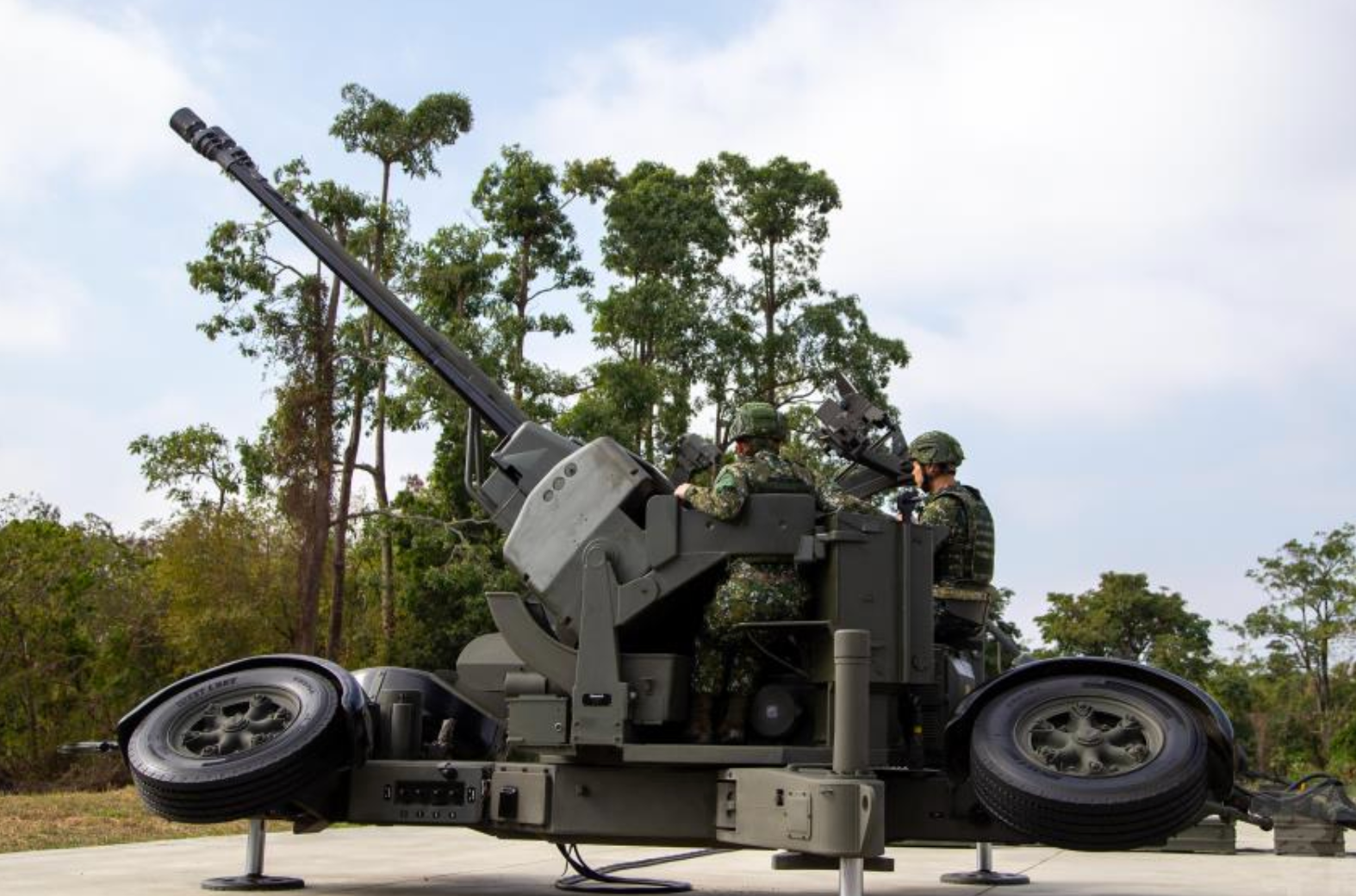
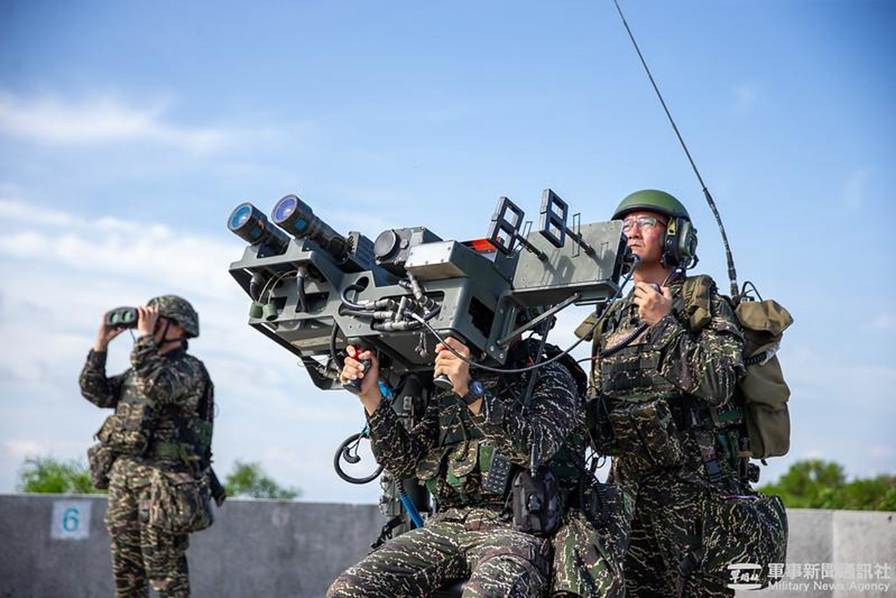
Along with the scramble exercises, units from the Air Forceโ€™s 301st Air Defense and Missile Battalion were also deployed to practice defending the surrounding airspace. Assets deployed included Skyguard GDFโ€‘006 antiโ€‘aircraft guns, Skyguard radar systems, and AIM-7 Sparrow SAM systems. 

Navy, Marines Showcase Coastal Strike and Littoral Defense Capabilities

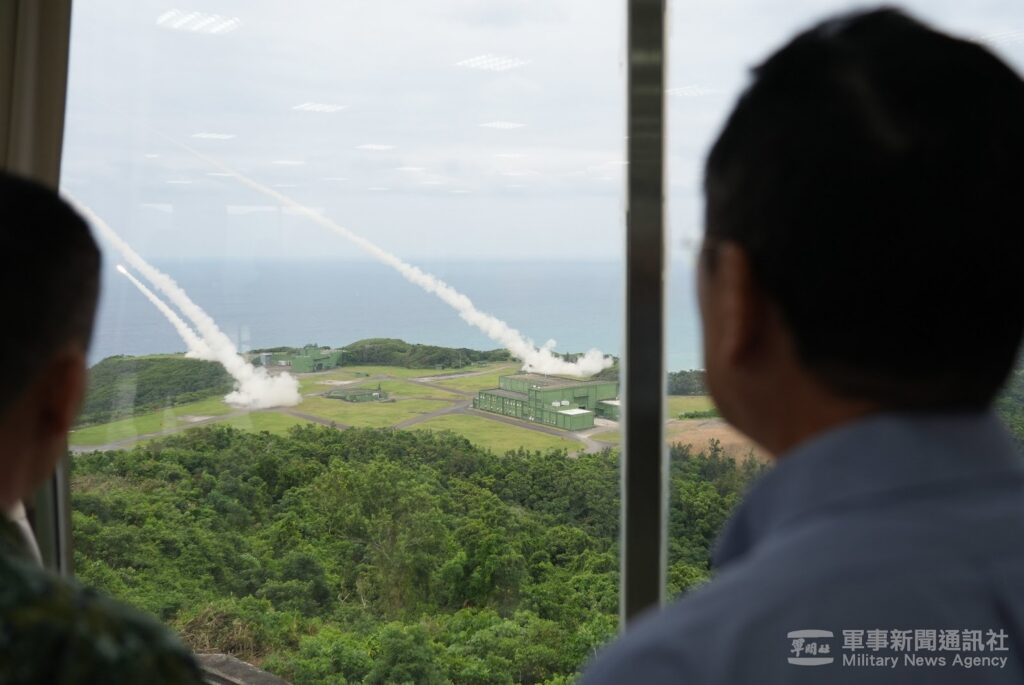
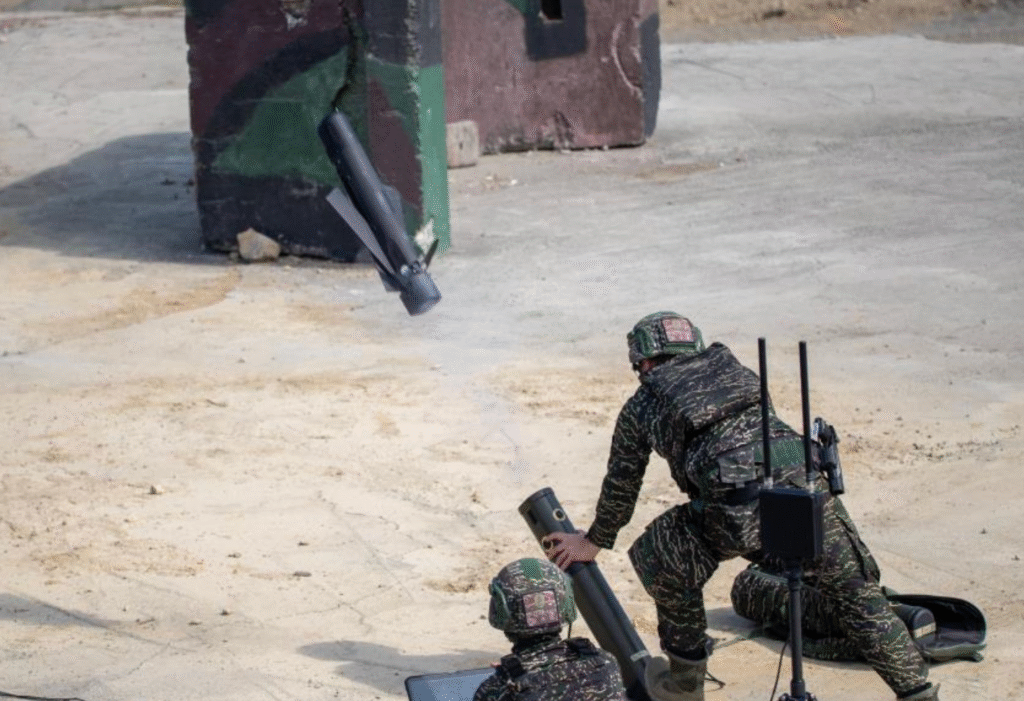
On the last day of the exercises (29 January), the Navy and Marine Corps hosted members of the media to demonstrate how they would defend against enemy vessels attempting to make it ashore. During the demonstration, ROCMC units held the first public live-fire test of the Chien Feng I attack UAV. This is a tube-launched drone that is similar to the American Switchblade system. One drone crashed shortly after takeoff, but the second backup drone launched successfully and struck a maritime target.ย 

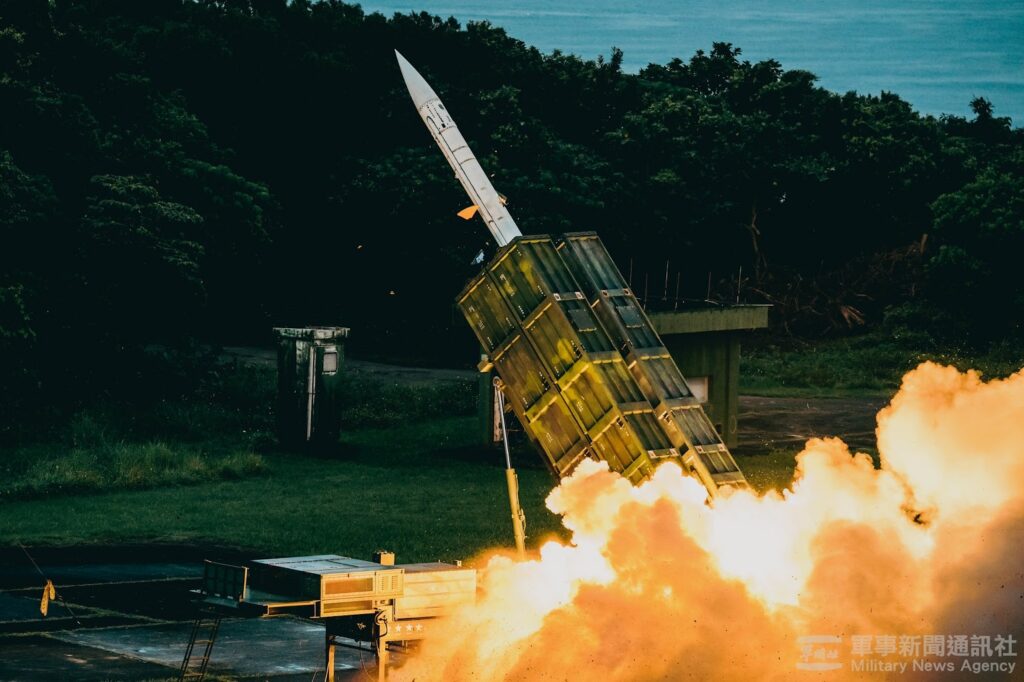
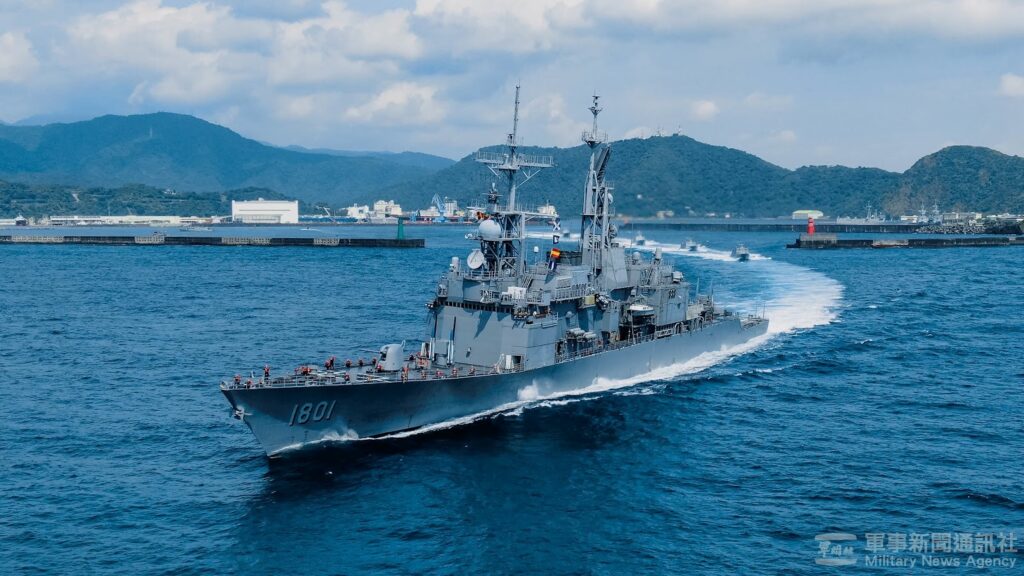
One component of the drill also featured enemy vessels rushing to shore, as Marine units aboard M109 speedboats and Kuang Hua-class missile boats raced to intercept and defend against the attack. In the background and along the shore, Haifeng Brigade mobile anti-ship missile launchers were deployed alongside snipers hidden in the tall grass. The MND says the overall goal of the drill was to demonstrate โ€œintegrated reconnaissance UAVs, mobile radar, and missile unitsโ€ฆexecuting coordinated ISR, strike, and battle damage assessment operationsโ€.

After the exercise, the National Chung-Shan Institute of Science and Technology (NCSIST), which produces the Chin Feng I drone, said the initial crash was due to wing control failure and that reliability improvements are underway. 

Military Police Conducts Urban Defense Drills in Taipei

Taiwanโ€™s military police were also busy this week as some units completed a four-day, three-night training exercise in the capital, Taipei. The drills tested defenses in both urban and mountainous environments, close-quarters battle (CQB), and counter-drone tactics.

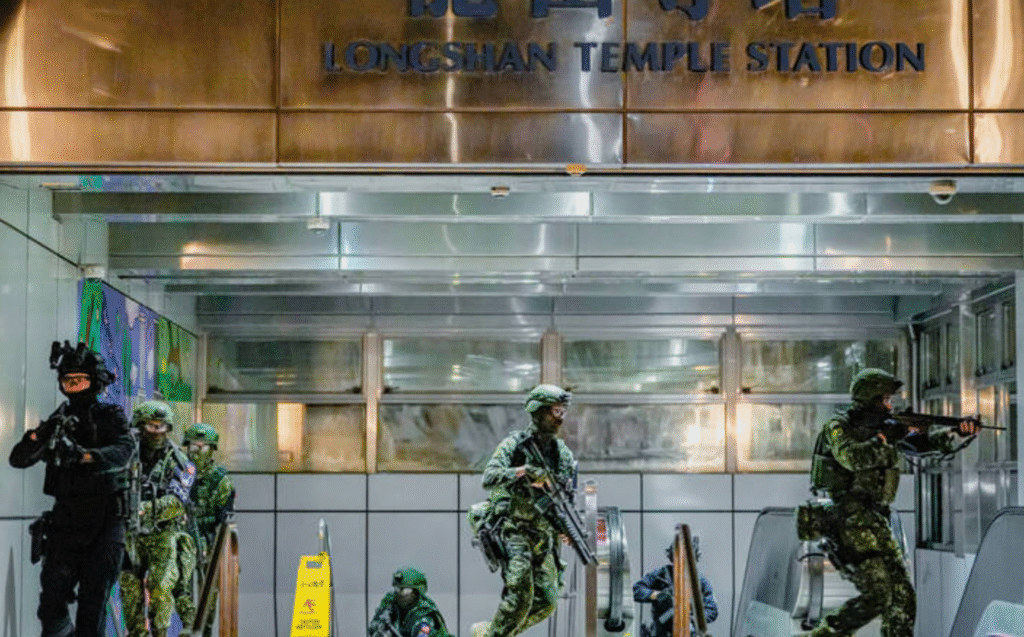
Units from the 211th, 229th, and 332nd Battalions operated under the Military Policeโ€™s 202nd Command. The 211th Battalion, or โ€œIron Guard Battalion,โ€ is responsible for guarding the Presidential Office and other key heads of state in downtown Taipei. Images show military personnel conducting CQB and seizing key positions as they exit Taiwanโ€™s subway system. Other scenarios also included simulated artillery, gas, and drone attacks, forcing troops to shift constantly between underground and surface operations.

During last yearโ€™s annual Han Kuang military exercises, ROCMP troops made headlines as they were filmed using the subway system to transport Stinger and Javelin missiles across the city. The MND says the Military Police play an important role in the countryโ€™s defense, as they would be responsible for protecting key infrastructure from sabotage, terrorism, and other internal attacks.  

TPP Agrees on Initial Passing of Supplemental Budget 

After weeks of back and forth, Taiwanโ€™s Legislative Yuan (LY) has voted to send the Taiwan People’s Party’s (TPP) proposed โ€œnational security and asymmetric warfare procurement billโ€ to committee review.

Originally, the ruling Democratic Progressive Party (DPP) proposed a special supplementary defense budget of roughly US$40 billion, comprising eight major categories of spending. You can find a complete breakdown here. 

The TPPโ€™s alternative proposal lists five line items and caps annual spending at US$12.6 billion, approximately one-third of the MNDโ€™s original request. The TPPโ€™s proposal keeps 5 cases, including additionalย  HIMARS, 60 Paladin self-propelled howitzers, Javelin anti-armor missiles, TOW anti-armor missiles, and ALTIUS loitering munitions. However, the proposal omits Tactical Mission Network software, AH-1W helicopter parts, and Harpoon missile support. Additional funding for production agreements with local arms industries, including the procurement of 200,000 drones and the T-Dome multilayered air defense system, has also been cut.ย 

Taiwanโ€™s MND says the TPPโ€™s proposal lacks supporting measures, and without proper funding, weapon systems and defense procurement would be harder to implement and may have serious long-term repercussions.

Weekly Security Review: 1/26/26

Author: Jaime Ocon

Welcome to the Weekly Security Review, where we highlight key military, security, and political developments around Taiwan in one straightforward summary!

This week, Taiwan unveils details of its record-breaking supplemental defense budget, Washington and Taipei deepen industrial cooperation with a new joint ammunition-testing site, and Chinese forces intensify grey-zone patrols around the country.

Taiwanโ€™s Defense Ministry Discloses Details of Record Supplemental Budget

Taiwanโ€™s Ministry of National Defense (MND) delivered a classified special briefing on the NT$1.25 trillion (US$40 billion) special defense budget to the LYโ€™s Foreign Affairs and National Defense Committee on 19 January. After that briefing, Minister of National Defense Wellington Koo revealed that Taiwan’s military is planning to procure seven categories of weapons systems: precision artillery, long-range strike missiles, air defense and anti-armor missiles, AI-assisted systems, and C5ISR capabilities.

Here is a complete list:

  1. Artillery
    1. M109A7 Paladin Self-Propelled Howitzers: 60 units
    2. Precision Guidance Ammunitionย  Kits: 4,080 rounds
    3. M992A3 Carrier Ammunition Tracked Vehicles: 60 units
    4. M88A2 Recovery Vehicles: 13 units
    5. Howitzer and Associated Equipment
  1. Long-Range Precision Strike Systems
    1. High Mobility Artillery Rocket Systems (HIMARS): 82 launchers
    2. Guided Multiple Launch Rocket System Rocket Pods: 1,203 (756 unitary pods, 447 alternative cluster pods)
    3. Army Tactical Missile System (ATACMS) Missiles: 420
  1. Unmanned Platforms and Counter-UAS Systems
    1. ALTIUS-700M Loitering Munitions: 1,554 units
    2. ALTIUS-600 ISR Systems: 478 units
    3. Various drones: ~200,000 units, including littoral surveillance andย  littoral attack (submersible, bombing, and loitering) types
    4. Unmanned Surface Vessels (USVs): Over 1,000 vessels
    5. Counter-UAS Systems: Various types
  1. Air Defense and Anti-Armor Capabilities
    1. Javelin Anti-Tank missiles: 70 launchers, 1,050 missiles
    2. TOW-2B missiles: 24 launchers, 1,545 missiles
    3. Various Air Defense Missile Systems (including ammunition)
  1. AI Support and C5ISR
    1. AI-Enabled Decision Support Systems
    2. Tactical Network and Rapid Intelligence Sharing Applications
  1. Enhancing Combat Sustainability
    1. Wartime High-Consumption Armament Production Expansion: Establishment or expansion of production lines for ammunition, propellant charges, small-arms primers, new armored vehicle assembly, high-explosives, protective chemical masks, and night-vision devices.
    2. Related Mobile Obstruction Equipment: To enhance battlefield denial capabilities.
    3. Critical Ammunition Procurement: 120mm tank rounds, 105mm tank rounds, 30mm autocannon rounds, 155mm propellant charges, and high-explosives.
  1. Taiwanโ€“U.S. Joint Development and Procurement Cooperation
    1. Acquisition of emerging technology systems to enhance operational resilience and strengthen asymmetric warfare capabilities.

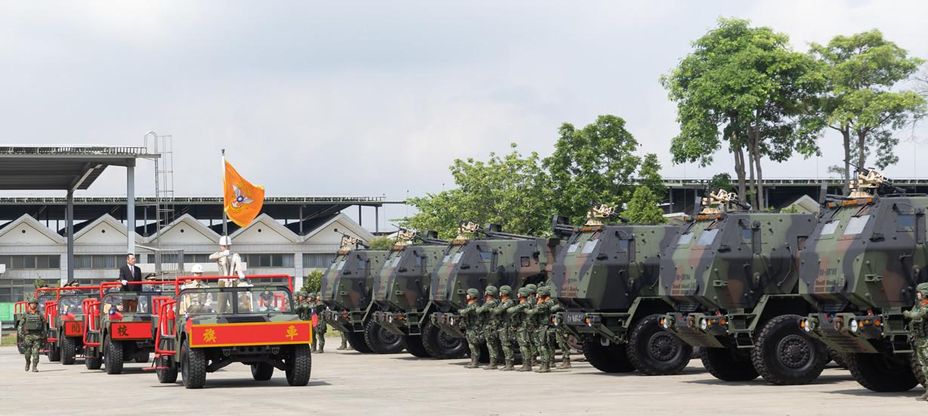
Defense Minister Wellington Koo oversees the first ROCA HIMARS battalion.

The special budget, officially referred to as the Special Act for the Procurement Program to Strengthen Defense Resilience and Asymmetric Capabilities, provides appropriations worth NT$1.25 trillion (US$40 billion) to fund various U.S. weapon systems and equipment. Back in November, Taiwanโ€™s MND and the ruling Democratic Progressive Party (DPP) managed to pass this bill, separate from the general budget, through the Executive Yuan. However, there have been six attempts to pass the finalized act in the LY, all shut down by the opposition Kuomintang (KMT) and Taiwan Peopleโ€™s Party (TPP) due to a lack of oversight and demands that President Lai Ching-te provide more information on the budget’s content. Opposition lawmakers have been quite stern with their demands, declaring that they will not vote on the spending plans until Lai briefs the LY and responds to questions. President Lai continues to label these requests as unconstitutional, citing a 2024 Constitutional Court ruling that declared an opposition-backed legal revision, which would have mandated the President provide real-time responses to lawmakers’ questions, as unlawful.

Minister of National Defense Wellington Koo has already answered questions from the LY, and the MND says the spending plan would help construct a comprehensive defense system to build a โ€œTaiwan Shield.” While a significant portion would be used to pay for U.S. weapon systems, another part of the special budget would introduce advanced technology and AI to accelerate Taiwanโ€™s kill chain. MND officials also stated that it needs those funds to strengthen the domestic defense industry and develop a โ€œnon-redโ€ (non-China-dependent) supply chain.

On top of that, in December, more than $11 billion in U.S. arms and equipment was approved for sale, and it is still unclear whether Taiwan needs these funds to start paying for that package.

If you’re interested in the status of U.S. arms sales to Taiwan, check out our Taiwan Arms Sales Backlog for a complete overview of publicly available data.

ROCMC units use a Javelin system during the Han Kuang exercises in 2025.

AIT, INDSR Announce Joint Medium-Caliber Ammunition Testing and Production Site

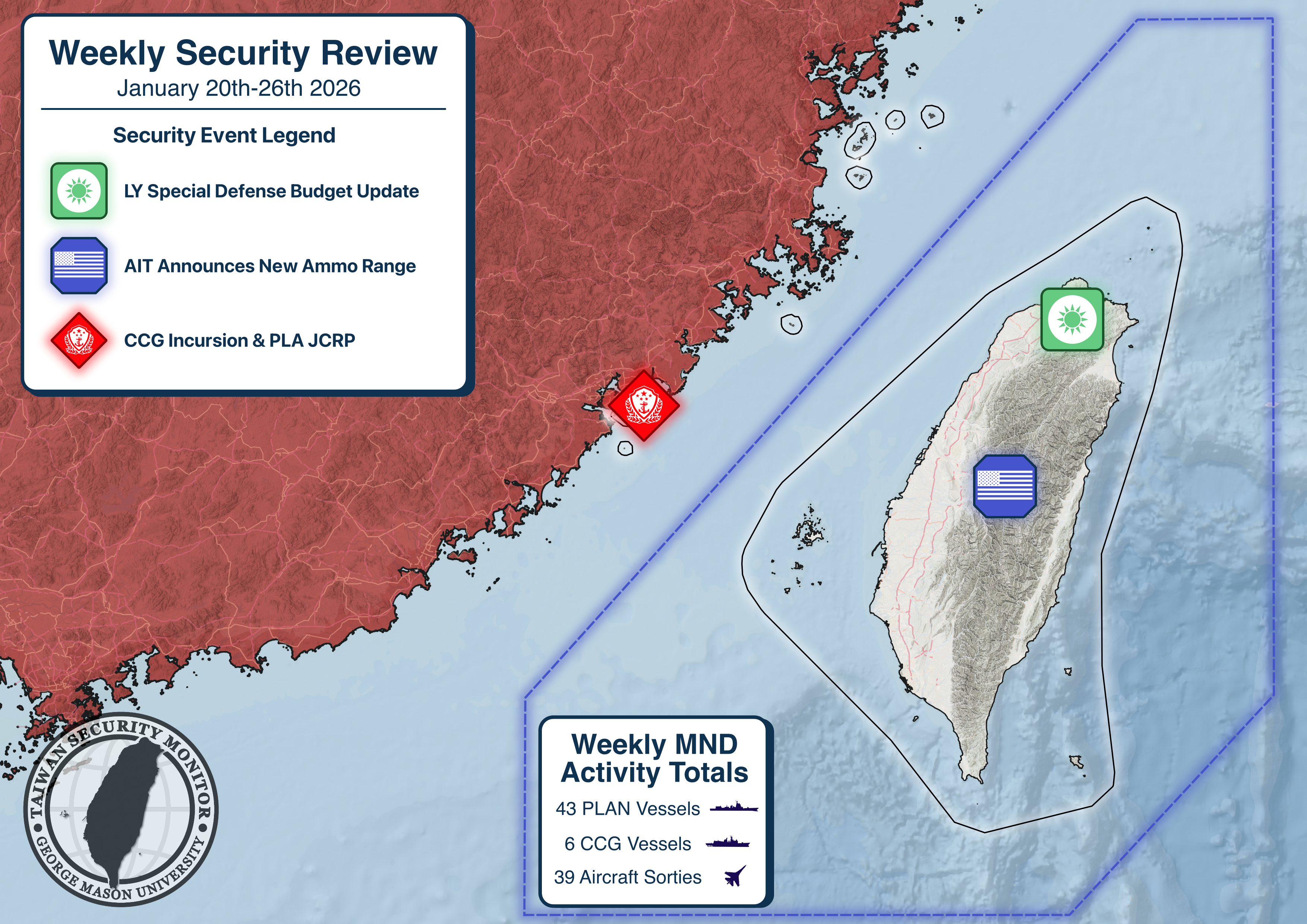
The Director of the American Institute in Taiwan (AIT), Raymond Greene, revealed that U.S. defense contractor Northrop Grumman has established a โ€œmedium-caliber ammunition test rangeโ€ in Taiwan. AIT is the de facto embassy in Taiwan and manages all unofficial relationships between the two sides. Director Greene made the announcement at a forum with the Institute for National Defense and Security Research (INDSR), Taiwanโ€™s top security think-tank, on 22 January. The facility would allow Taiwanโ€™s MND to test ammunition in accordance with global industry standards and, through technology transfer and expert training, advance the countryโ€™s indigenous defense research and development projects.

The complete speech is here: https://www.ait.org.tw/speech-by-ait-dir-greene-at-indsr-seminar/

AIT Director, Raymond Greene, speaks at a forum in Taipei.

The announcement is the latest sign of stronger U.S.-Taiwan defense cooperation, as both actors work with Taiwanโ€™s private sector to expand the islandโ€™s domestic defense industrial base. Just last week, the head of the MNDโ€™s Armaments Bureau said Taiwanโ€™s military has already started working with the U.S. to co-produce 155mm howitzer shells. The MND has stated, โ€œIf successful, this will then be expanded to other weapons and munitions.โ€ Other companies, like Anduril, have also announced plans to co-produce low-cost cruise missiles on the island, potentially providing a cheaper, faster way for Taiwan to arm itself.

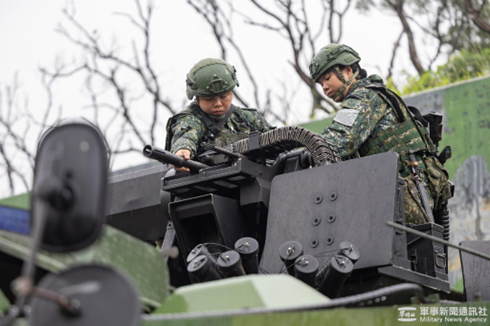
Various ROC units load ammunition into vehicles and aircraft.

This isn’t the first time Northrop Grumman has invested in Taiwanโ€™s domestic production capabilities; in 2024, it committed to investing US$100 million annually in opportunities for Taiwan to become part of its global supply chain. Northrop Grumman, along with Lockheed Martin and Raytheon, has a long history of supplying Taiwan with weapons and equipment. E-2K Hawkeye early-warning aircraft, APG-83 radar systems for the F-16V fighter jets, and ammunition for 30 mm chain guns mounted on Clouded Leopard armored vehicles are just a few of those systems.

China Sustains Gray-Zone Military and Law Enforcement Operations Around Taiwan

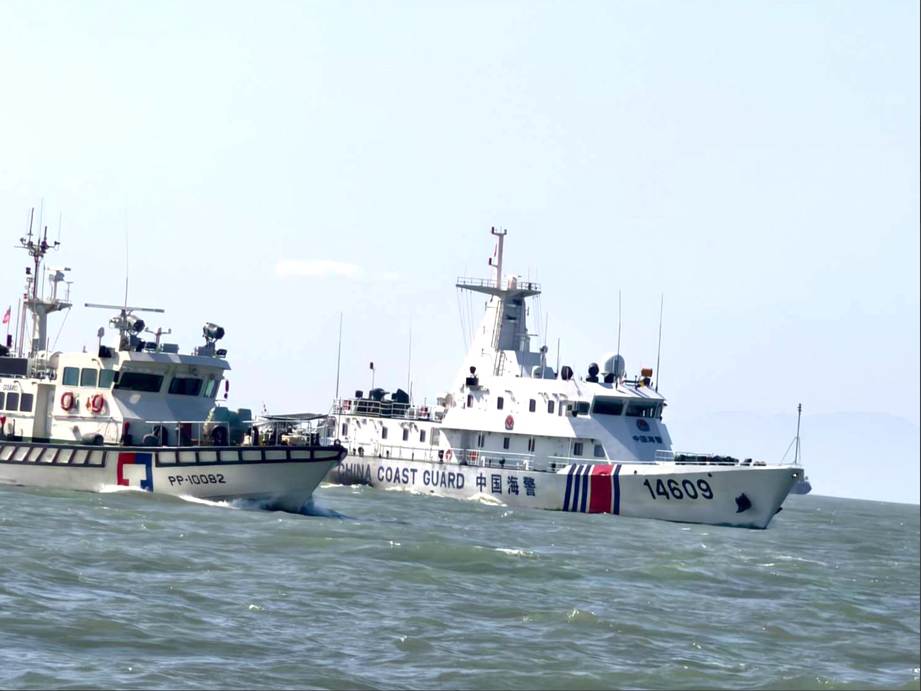
For the 4th time this month, Taiwanโ€™s Coast Guard reported that multiple China Coast Guard vessels entered the restricted waters around Kinmen.

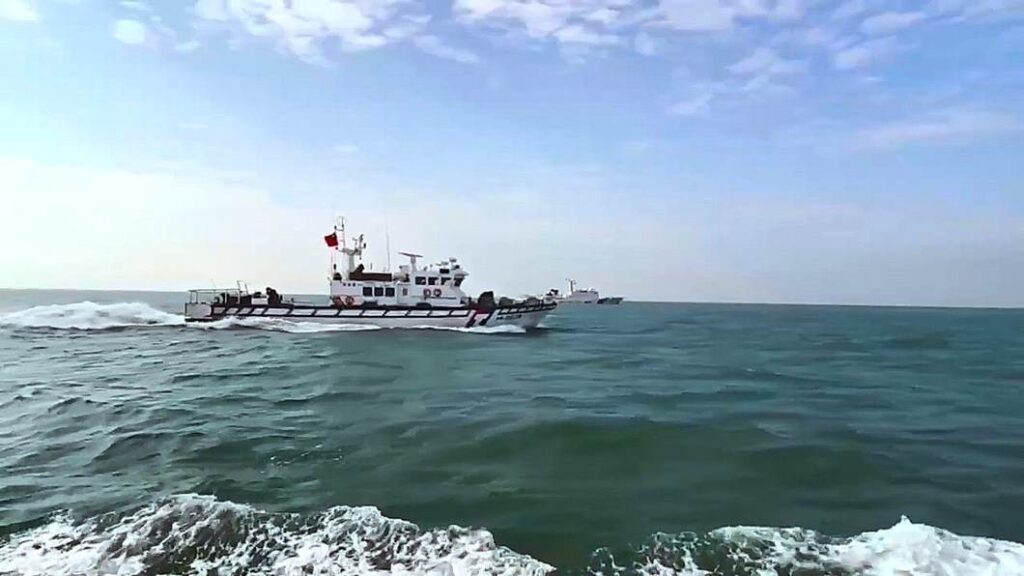
In the morning of 24 January, four Chinese vessels (hull no. 14529, 14605, 14603, and 14533) entered Kinmenโ€™s restricted waters in two-ship formations, one group approaching from the southeast of Liaoluo, the other from south of Lieyu. Taiwan dispatched its own ships and broadcast radio warnings in both Mandarin Chinese and English. Roughly three hours later, the Chinese vessels left the area.

A Taiwanese patrol boat shadows a Chinese Coast Guard ship in the distance near Kinmen.

In an official statement, Taiwanโ€™s Coast Guard Administration (CGA) accused Beijing of repeatedly exploiting false โ€œlaw enforcement patrolsโ€ to justify incursions into Kinmenโ€™s restricted waters. Taiwanโ€™s CGA says Chinaโ€™s maneuvers are โ€œroutine harassmentโ€ that erodes cross-strait stability and threatens regional peace.

Earlier this week, the PLA Air Force (PLAAF) and PLA Navy (PLAN) also stepped up their presence around Taiwan, sending 23 sorties of various types to conduct a Joint Combat Readiness Patrol. The group of planes, which included PLAAF J-10 fighter jets, H-6K bombers, and KJ-500 Early Warning and Command aircraft, was detected breaching Taiwanโ€™s air defense identification zone (ADIZ) at 1040 on 23 January. 17 out of 23 sorties crossed the median line of the Taiwan Strait and entered the northern, central, and southwestern ADIZ.

Taiwan Security Monitor operates a number of real-time trackers. For more information on PLA and CCG movements, you can find them here.

Weekly Security Review: 1/19/26

Author: Jaime Ocon


Welcome to the Weekly Security Review, where we highlight key military, security, and political developments around Taiwan in one straightforward summary!

This week, a Chinese drone breaches Taiwanโ€™s airspace for the first time, the Marine Corps brings back a long-dormant unit, an opposition party challenges the governmentโ€™s record defense budget, and investigators scramble to retrieve an F-16โ€™s black box.

PLA Reconnaissance Drone Breaches Taiwanโ€™s Airspace Near Dongsha Island

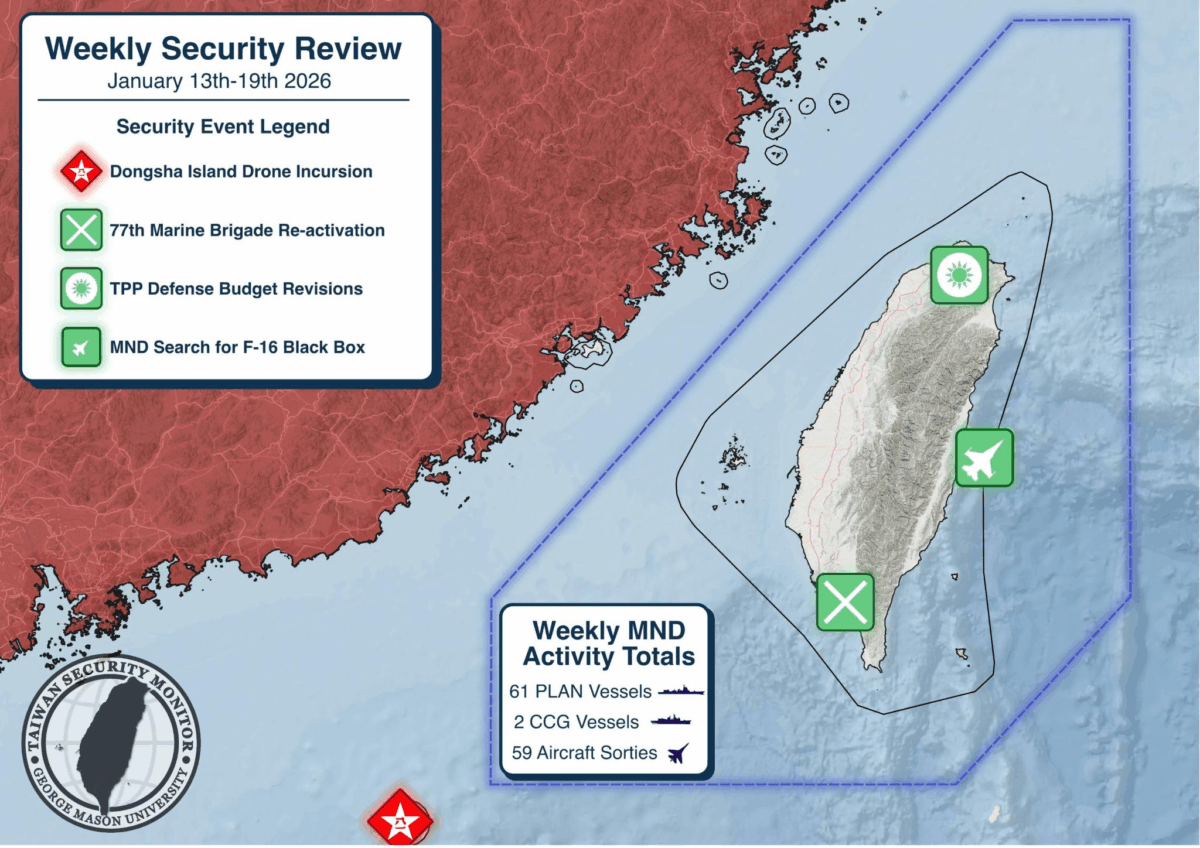
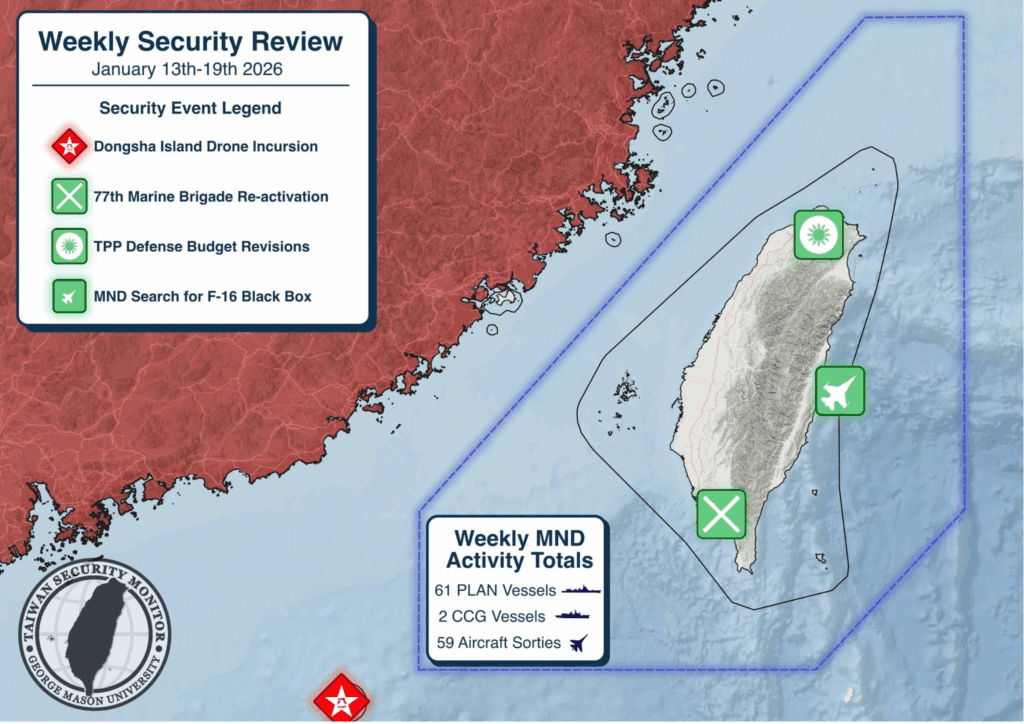
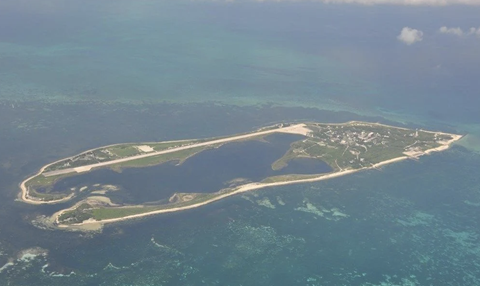
We start this week with some concerning news from Taiwanโ€™s Ministry of National Defense (MND), which reported that a Chinese Peopleโ€™s Liberation Army (PLA) reconnaissance drone breached airspace over Dongsha Island on Saturday, 17 January. This is the first publicly disclosed instance of a PLA air asset breaching Taiwanโ€™s airspace, though notably, Dongsha is an outlying island and farther away in the South China Sea. Taiwanโ€™s military said it issued radio warnings at 0541 when the drone was first detected, but by 0544 the aircraft had already entered the islandโ€™s airspace. By 0548, the drone had left the area after continued radio warnings on international channels. In a statement, Taiwanโ€™s MND says that the PLAโ€™s behavior was โ€œhighly provocative and irresponsible,โ€ adding that it undermined regional peace and violated international law. The PLA Southern Theater Command responded and said the drone was conducting โ€œnormal flight training in the airspace near Chinaโ€™s Dongsha Island,โ€ and that the operation was โ€œentirely justified and lawful.โ€ China and Taiwan both claim Dongsha Island, also known as Pratas Island, as their own, but Taiwan administers the island, where it has built a runway and hosts a small garrison of some 500 marines.

Left: Aerial image of Dongsha Island, Right: Former President Tsai Ing-wen visits marines based in Dongsha

In the same statement mentioned above, the MND said the drone was flying outside the range of the garrisonโ€™s air-defense weapons. This is concerning, but publicly available information shows that these Marines from the 99th Brigade are not heavily armed. These Marines are equipped with 120mm mortars, 40mm anti-air autocannons, dual-mounted Stinger missiles, and Kestrel anti-armor rocket launchers.  Commanders are authorized to fire back at potential enemy troops if communications are cut off from the main island.

However, harassment of Taiwanโ€™s outlying islands, especially Dongsha, is not new. Chinese maritime law enforcement and PLAN vessels are frequently spotted operating in the waters near Taiwanโ€™s claims. Just this past week, on 14 January, Taiwanโ€™s Coast Guard Administration spotted a Chinese Coast Guard ship operating just outside Dongsha Islandโ€™s restricted waters. It was on track to breach restricted waters until Taiwan dispatched two patrol ships, Yunlin and Kaohsiung, to intercept and drive the ships away. Saturdayโ€™s report of a drone breaching Taiwanese airspace, paired with the militaryโ€™s acknowledgment that it lacked the capability to shoot it down, is concerning, to put it mildly. It suggests we may see more incidents like this as Beijing probes for gaps in Taiwanโ€™s defenses and expands its gray-zone playbook.

Taiwan Re-Activates Marine Brigade for Extra Infrastructure Security

Taiwanโ€™s military is mulling reactivating the 77th Marine Brigade, a unit downgraded in 2014 to the current Air Defense and Base Guard Group, with military officials saying it will be modeled on US forces tasked with coastal defense and rapid deployment. The unitโ€™s planned equipment package includes U.S.-standard M4A1 rifles, M4โ€ฏrecoilless rifles for antiโ€‘armor tasks, and manโ€‘portable Stinger missiles. The MND says the emphasis for this group of soldiers is mobility and precision rather than heavy armor capabilities. The brigade is also expected to incorporate layered counterโ€‘drone capabilities, employing both โ€œsoftโ€‘killโ€ electronic warfare and โ€œhardโ€‘killโ€ kinetic defenses. Officials say this decision was made after recognizing the variety of unmanned threats posed by the PLA and as Taiwan continues to modernize its amphibious warfare tactics.

Taiwanโ€™s 99th Marine Brigade conducts combined arms training

Currently, Taiwan has two Marine brigades: the 66th Brigade in the north and the 99th Brigade in the south. According to the MND, the 77th Brigade will oversee the defense of Taiwanโ€™s four principal naval hubs (Zuoying,โ€ฏSuโ€™ao,โ€ฏKeelung, andโ€ฏMagong), along with several coastal missile bases. Officials say the new brigade creates a more flexible, regionally distributed force capable of rapid response and sustained littoral defense against potential PLA incursions.

Recently, the 66th Marine Brigade underwent comprehensive changes, the first being a major transfer from its original base near Tamsui District, New Taipei, to Songshan Airport in Taipei. MND officials said that this redeployment was meant to bolster the security of critical infrastructure within the capital and protect key sites like the MND HQ, Presidential Office, and Legislative Yuan. The brigade is now a strategic reserve force directly under the General Staff Headquarters and will conduct operations alongside the 202nd Military Police Command, also headquartered in Taipei.  Additionally, the Marinesโ€™ M60A3 tank battalion and M109A2 self-propelled artillery battalion are also being gradually phased out and converted into a โ€œdrone firepower unitโ€ to establish more sophisticated intelligence, surveillance, and reconnaissance capabilities to supplement long-range strike operations.

I mention these changes to the 66th because Taiwanese defense planners have really tried to figure out what to do with their force of roughly 10,000. I believe more changes are coming as 2026 introduces the โ€œLittoral Commandโ€ for the Navy and as more Haifeng anti-ship missile brigades come online. Letโ€™s see how things go for the 77th.

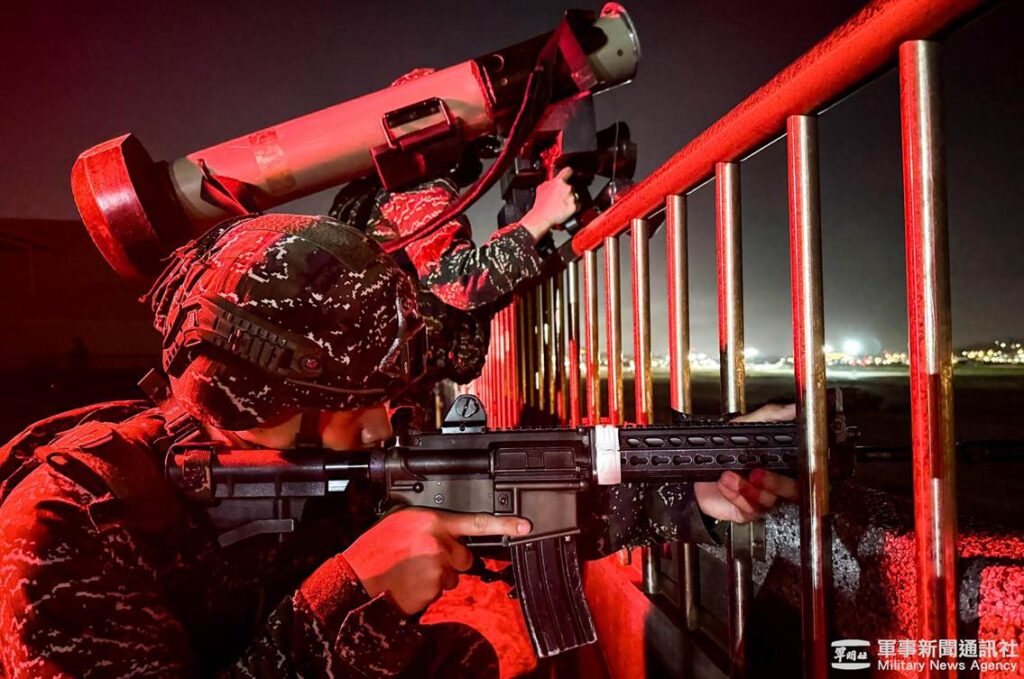
Soldiers from the 66th Marine Brigade operate a dual-mounted Stinger in Taipei

TPP Proposes Revised Defense Budget (link to original story)

On 15 January, the chairman of the opposition Taiwan Peopleโ€™s Party (TPP), Huang Kuo-chang, said the TPP will propose an alternative special defense budget compared to the one currently drafted by the ruling Democratic Progressive Party (DPP). The announcement comes after Huang returned from a one-day trip to Washington, where he reportedly met with State Department, AIT, and NSC officials.

According to Huang, the TPP is concerned about the lack of clarity in the governmentโ€™s proposed NT$1.25 trillion (US$39.5 billion) special defense budget, especially given the size of the most recent defense package. He claims that U.S. officials โ€œagreedโ€ with him and added that in his proposed bill, a large proportion of the funds would not go toward U.S. arms purchases. Huang says this trip has hardened his stance on the budget, and the TPP will wait for a closed-door briefing from the Ministry of National Defense next week before submitting its own proposal.

Taiwan Peopleโ€™s Party (TPP), Huang Kuo-chang gives a briefing in Taipei on a possible U.S. arms sale.

This comes as the TPP and Kuomintang (KMT) have worked to block the special budget at least six times. The DPP says their budget would be used to finance the next wave of military modernization and help pay for a series of recent U.S. arms packages worth more than $11 billion. The MND says that โ€œat least fourโ€ U.S. arms packages will be notified to Congress in the near future, which puts even more pressure on the Lai administration to find a way to pay for these systems and equipment.

Military Deploys Retrieval Team to Recover Black Box from Crashed F-16

The Air Force says it has pinpointed the location of the black box from an F-16 that crashed last week during a routine nighttime training exercise. Search and rescue operations are still ongoing for the pilot, and the aircraft has yet to be located.

Earlier this week, Air Force personnel detected small, intermittent signals coming from the flight recorder near the crash site. The MND is now seeking assistance from Singaporean and Japanese salvage companies for the retrieval mission, as Taiwan lacks the capacity to conduct deep-sea salvage operations.

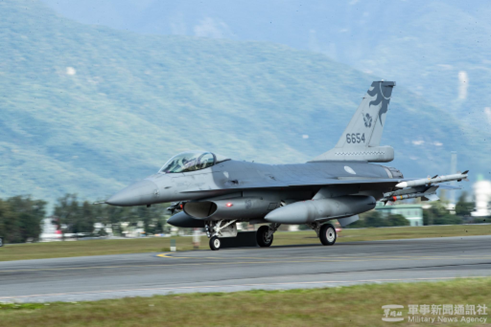
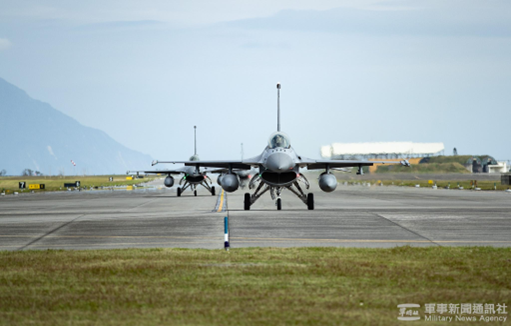
In response to the crash, Taiwan grounded its entire fleet of F-16s for inspection as part of the overall investigation into the crash. The aircraft have since returned to service, and the MND posted these photos of the first flight operations after the incident.

ROCAF F-16โ€™s prepare for takeoff at Hualien Air Force Base.

Taiwanโ€™s Response to “Justice Mission-2025”

Author: Jaime Ocon


Taiwanโ€™s response to Chinaโ€™s โ€œJustice Mission-2025โ€ was less about matching PLA moves and more about controlling the narrative and information environment. Taiwanโ€™s Ministry of National Defense (MND), Coast Guard Administration (CGA), and Presidential Office moved quickly to reassure the public by framing the drills as coercive and to signal readiness through press conferences and real-time activity updates. Taiwan also tried to preempt Beijingโ€™s psychological operations by debunking blockade claims, clarifying live-fire and warning-system protocols, and pushing back on rumors of territorial air/sea space intrusions, drones, reservist mobilization, and air and maritime safety.

Initial Responses from the Defense Ministry

On December 29, after the PLA Eastern Theater Command had announced live-fire drills, and as PLAN assets had already begun moving into position, Taiwanโ€™s MND reported at 0950 that the ETC was conducting live-fire exercises in the waters and airspace around the Taiwan Strait.

The MND stated that in the days leading up to the drills announcement, the PLA was continuously carrying out military harassment and cognitive operations around Taiwan and the Indoโ€‘Pacific, heightening regional tensions. These operations included China Coast Guard (CCG) ships breaching restricted waters in the outlying islands of Kinmen and PLA UAVs wrapping around the southern portion of Taiwanโ€™s mainland.

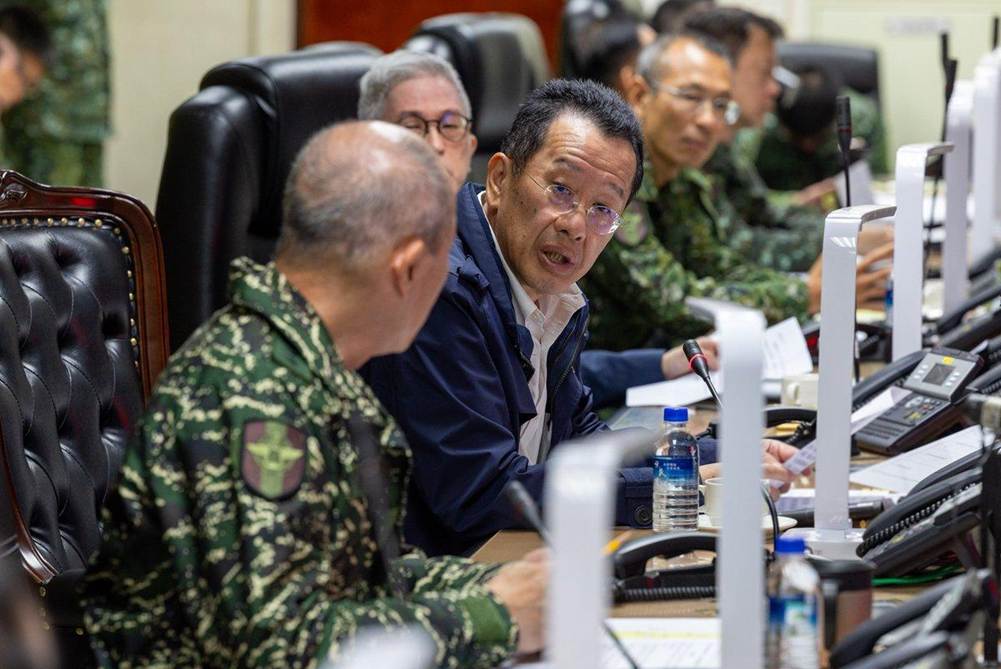
Defense Minister Wellington Koo speaks with members of the Joint Chiefs of Staff

In response to the exercises, Taiwanโ€™s military raised its alert level, directing all personnel to maintain a โ€œhigh level of vigilance,โ€ remain fully prepared, and โ€œact to safeguard national sovereignty and the security of the homeland.โ€ The MND established an emergency operations center to implement rules of engagement and authorization procedures at strategic, operational, and tactical levels to monitor and, if necessary, intercept PLA activity. It was also announced that Taiwanโ€™s armed forces would conduct โ€œimmediate combat exercisesโ€ across the country for an unspecified period.

Local media reported that Mirage-2000 fighter jets had scrambled from Hsinchu Air Base shortly thereafter, and that the MND repositioned additional assets, including F-CK-1s, F-16s, and P-3C aircraft, to Hualien Air Base. A portion of Taiwanโ€™s F-16s were ordered to maintain a high state of readiness and were equipped with AGM-84 Harpoon anti-ship missiles.

Taiwanโ€™s Coast Guard

Shortly after the ETC announced Justice Mission-2025, Taiwanโ€™s CGA detected four Chinese Coast Guard (CCG) vessels approaching Taiwanโ€™s northern and eastern waters. PLA Navy (PLAN) surface combatants were also dispatched to maritime exercise zones announced by the PLA. In response, the CGA deployed its own patrol vessels and established an emergency response center to work jointly with the MND on information sharing and countermeasures.

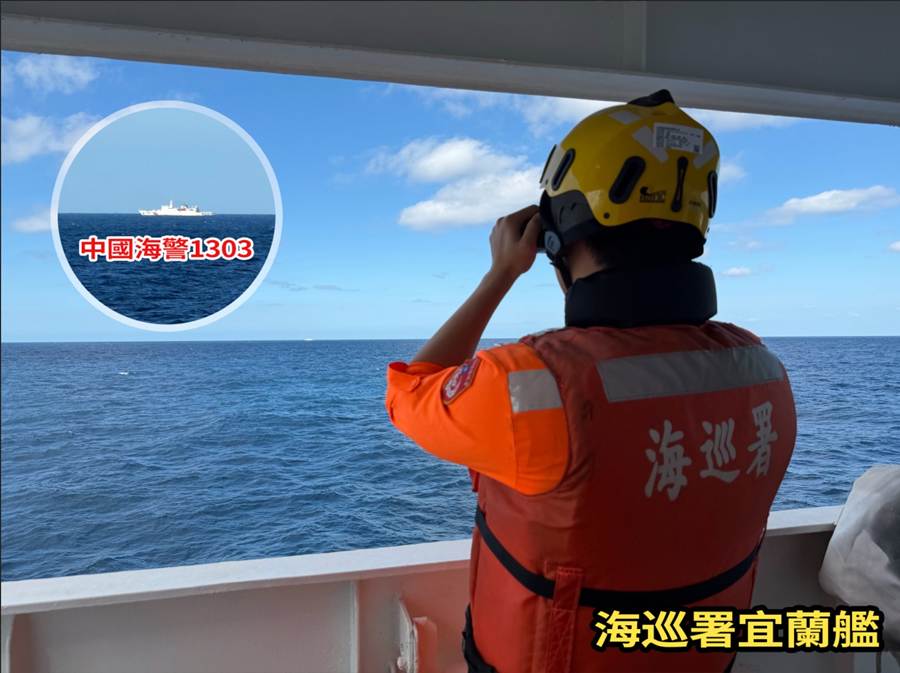
Taiwan CG ship โ€œYilanโ€ shadows Chinese Coast Guard Vessel 1303 in the distance.

Presidential Office

While the MND and CGA mobilized their operational response, Taiwanโ€™s Presidential Office condemned the drills, calling them a โ€œdirect challenge to international law and order and a violation of international normsโ€.

In the statement, Taiwanโ€™s Presidential Office said Beijing is using military intimidation to threaten neighboring countries and risks becoming a troublemaker that undermines regional peace. Taiwan continued urging China to act rationally, exercise selfโ€‘restraint, avoid misjudgment, and immediately halt irresponsible provocations.

First Images

The first images of CCG vessels came from Taiwanโ€™s CGA, as CGA vessel Yilan intercepted CCG vessel 1303 approximately 23 nautical miles northwest of the Pengjia Islets. Another CGA vessel, the Taoyuan, trailed CCG 1306 just 30 nautical miles from Hualien, off Taiwanโ€™s east coast. Linked here is a video of the reported activity and radio warnings from Taiwan.

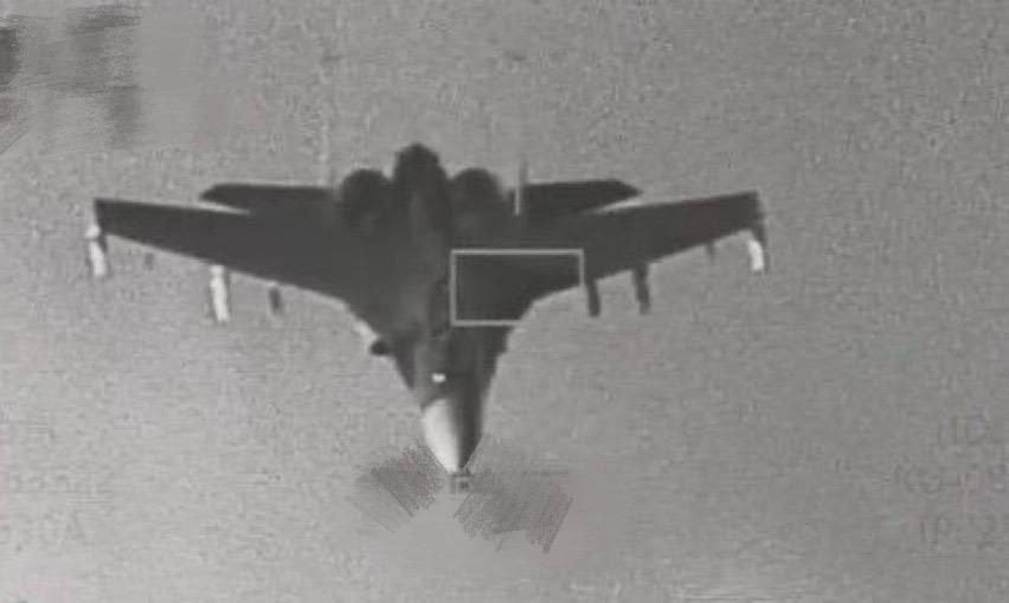
Taiwanese F-16s also captured images of various PLA aircraft operating around Taiwan.

Taiwanโ€™s MND Holds Day 1 Press Conference

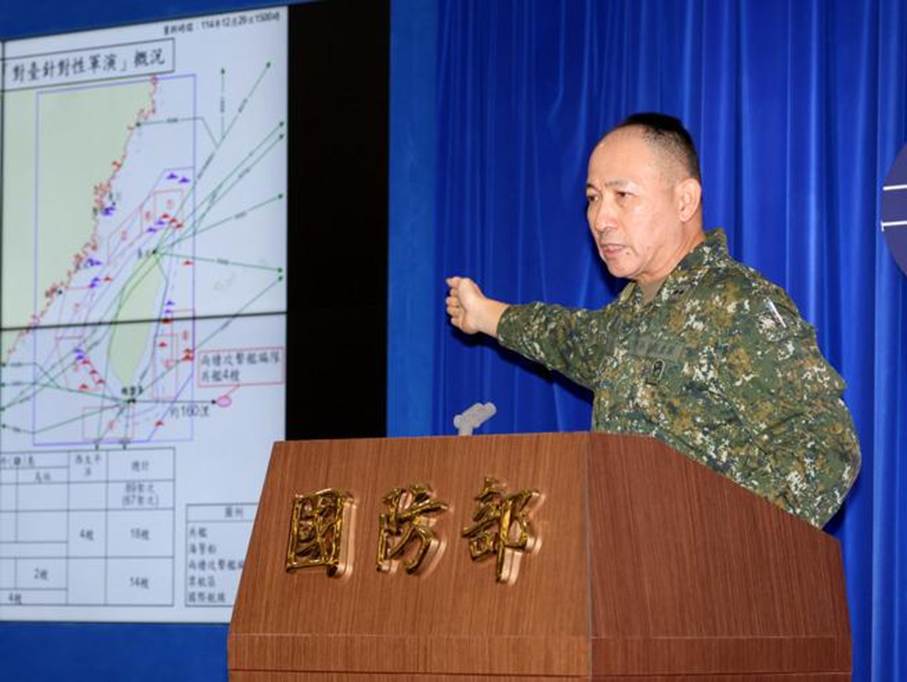
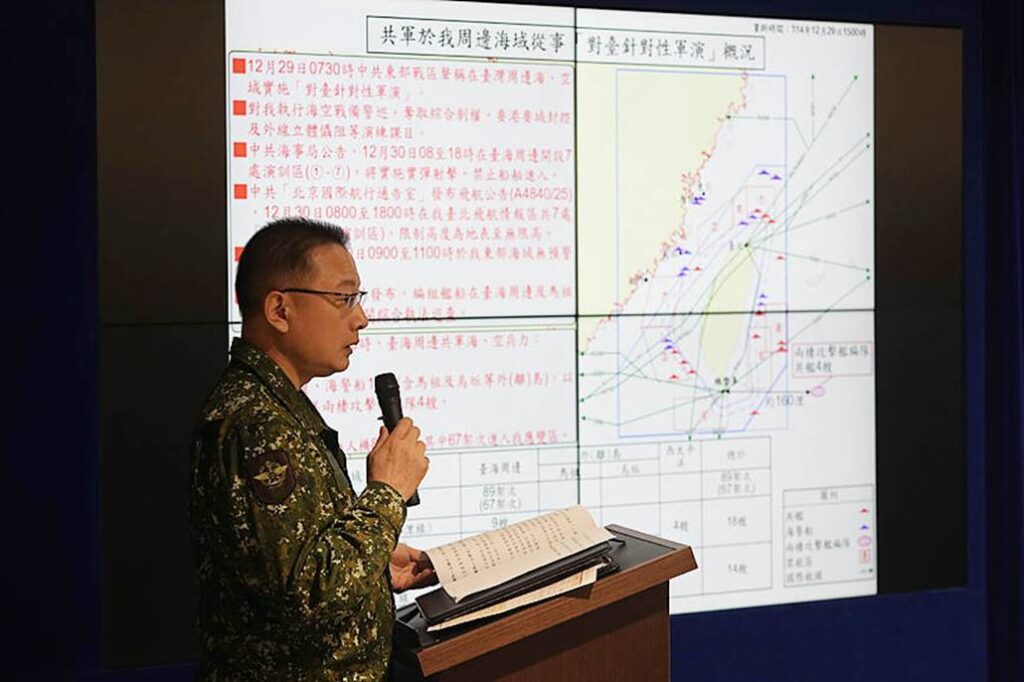
At 1630 on December 29, Taiwanโ€™s MND held an emergency press conference to provide more information on the scale and specifics of Chinaโ€™s large-scale exercise. The MND reported that it identified 89 PLAAF military aircraft and drones operating in the area, 67 of which entered Taiwan’s Air Defense Identification Zone (ADIZ), during the first seven and a half hours of the exercise. It had also tracked 18 PLAN and 14 CCG surface ships operating around Taiwan, along with a Type 075 Amphibious Assault ship and three escort vessels sailing 160 nautical miles southeast of Taiwan.

Taiwan’s MND noted that the announced exercise zones in the south, east near Taitung, west near Penghu, and north all overlapped into Taiwan’s restricted territorial waters. That said, it clarified that no PLAN or CCG vessels had entered the restricted 12 nautical mile barrier. Finally, the MND reported that although the PLA had not conducted live-fire exercises on the first day of Justice Mission-2025, it was tracking the PLAโ€™s Rocket Forces for signs that it might conduct such drills in the coming days.

Taiwanese intelligence officers explain Chinese military movements in a press conference.

Aviation authorities reported that 857 flights and more than 100,000 travelers were affected by Chinaโ€™s exercises. Roughly 74 domestic flights to Kinmen and Matsu were cancelled, affecting about 6,000 passengers. Media questions prompted Taiwan’s military to admit that the transition time between Chinaโ€™s routine training and large-scale exercises has shortened, increasing pressure on the country.

Day 2

Taiwanโ€™s CGA released a statement early on the second day of โ€œJustice Mission-2025โ€ confirming that 14 CCG vessels were still operating near Taiwan and in the restricted maritime zones near Matsu, Kinmen, Wuqiu, and Dongsha (Pratas). The CGA responded by dispatching 14 of its own vessels to designated sectors, pairing each Chinese vessel with a โ€œone-to-one shadowing formationโ€ to monitor and attempt to repel CCG ships.

Total PLA activity from the MNDโ€™s daily ADIZ report showed that from 0900 on December 29 to 0900 on December 30, 130 PLA aircraft and 22 naval and coast guard vessels had operated in the region. 90 of these aircraft breached the ADIZ median line, the 2nd most since China conducted its Joint Sword-2024 B exercises in October 2024.

At 1130, the MND reported that approximately two and a half hours earlier, PLA rocket artillery units in Fujian Province conducted live-fire exercises targeting the northernmost exercise zone, with impact zones scattered around Taiwanโ€™s 24-nautical-mile line. Taiwanโ€™s CGA later clarified that 7 PCH-191 rockets were fired into Zones 1 and 2.

Taiwan and Chinese Coast Guard ships sailing side by side in waters near Matsu.

Taiwanese Minister of National Defense Wellington Koo (Gu Lixiong) reported that the military, under the Presidentโ€™s directive of โ€œno escalation, no provocation,โ€ would stay on standby and continue to monitor and intercept Chinese assets approaching Taiwanโ€™s maritime and air domain. In a press release, Koo also stated he would remain at the Joint Operations Command Center in Taipei with senior officers to maintain full situational awareness and monitor the readiness of reconnaissance, radar, and air defense units. Taiwanโ€™s CGA also released a statement denouncing Chinaโ€™s state mediaโ€™s claim of a blockade of four Taiwanese ports. The CGA flagged this reporting as false information intended to mislead public opinion. It further said that all ships heading towards Taiwanese waters would be intercepted to ensure the border is protected. All normal maritime operations continued as usual.

Taiwanโ€™s President Lai Ching-te released a statement condemning the live-fire drills, stating that โ€œthe country continues to face various forms of harassment and influence operations, emphasizing that Taiwan will not escalate tensions or provoke confrontation but will act responsibly to maintain stabilityโ€. Lai criticized the Chinese Communist Party for its efforts to amplify military pressure, remarking that such behavior is unworthy of a responsible major power.

Taiwanโ€™s MND Holds Day 2 Press Conference

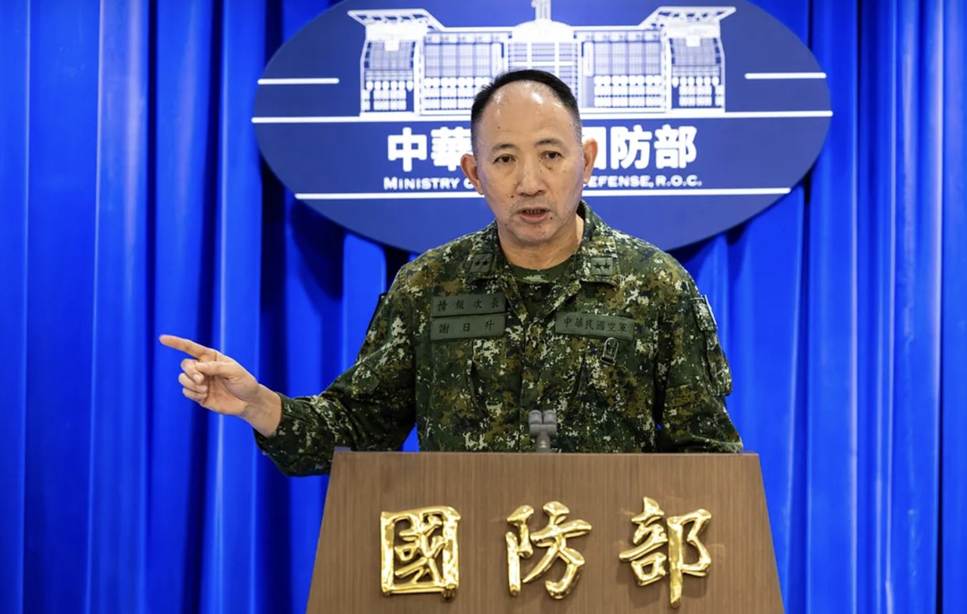
Taiwanโ€™s MND held a second-day press conference on the exercises, reporting that it had detected 27 rocket impacts in zones 1 and 3, 71 PLA aircraft (35 entering Taiwanโ€™s ADIZ), 15 CCG ships, 13 PLA Navy ships, and one amphibious assault group consisting of a Type 075 and three additional vessels as of December 30 at 1500. The MND also stressed that it had not observed the PLA launching Dongfeng missiles; that no PLA or CCG ships entered Taiwanโ€™s territorial waters; and that Chinese operations in the โ€œZone 8โ€ off of Taiwanโ€™s east coast had concluded by noon.

Taiwanese intel officers answer questions from the media on Day 2 of โ€œJustice Mission-2025โ€

The MND also issued clarifying information regarding the two waves of live-fire rocket launches. The first salvo at 0900 comprised 17 rockets launched from Pingtan, Fujian, which landed about 70 nautical miles northeast of Keelung, outside 24 nautical miles and without overflying Taiwan. PLA units fired a second salvo of 10 rockets from Shishi, Quanzhou at approximately 0100. These rockets splashed down about 50 nautical miles southwest of Tainan. Taiwanโ€™s military also took advantage of the press conference to clarify some grey-zone and psychological warfare concerns. It stated that reports that a Chinese drone breached territorial airspace to photograph Taipei 101 were false, noting that all drones remained outside the 24-nautical-mile limit. The clarification came after โ€‹โ€‹Chinese outlets circulated a detailed photo of Taipeiโ€™s urban landscape and claimed it was taken by a PLA TB-001 drone, prompting online discussion. The military said that, in addition to kinetic activity, Beijing was pairing its exercises with cognitive warfare and invited people interested in photography and video editing to help analyze imagery and counter Chinese disinformation.

An alleged image captured from a Chinese TB-001 showing Taipei 101, claiming to breach Taiwanโ€™s territorial airspace.

Taiwanese reporters also pressed the MND as to whether rocket or missile launches might trigger activation of the national emergency warning system. The MND emphasized that established protocols govern both air alerts and live-fire contingencies: if rockets or missiles pass through Taiwanโ€™s territorial airspace, the JAOC would issue mobile alerts through the Airborne Threat Warning System. If assessments indicate that projected impact areas could endanger Taiwan or Penghu, commanders are authorized to sound air-raid sirens, issue public warnings, and order appropriate countermeasures.

Regarding reports that the MND was activating reservists, the military clarified that immediate combat readiness drills automatically activate air and naval combat units. Only ground units tasked with securing key infrastructure as well as command posts, response centers, and support elements recalled personnel, and only those needed based on preplanned structures and mission needs.

The MND emphasized that since 2022, PLA exercises have integrated cognitive warfare by combining military and non-military means to shape perceptions in Taiwan, among allies, PRC domestic audiences, and third countries with minimal cost. Examples include distributing pre-packaged and heavily edited media alongside military drills to create the illusion that certain exercises are larger than they are. Taiwanโ€™s military reiterated that its joint Intelligence, Surveillance, and Reconnaissance systems had already detected abnormal PLA movements ahead of this drill, allowing preparations before the public announcement. Even after Beijing declares an end to the exercises, Taiwanโ€™s forces would continue monitoring deployments, training patterns, and overall posture to avoid readiness gaps. Chinaโ€™s โ€˜Justice-Mission 2025โ€™ would conclude later that day.

National Security Bureau Conducts Review

On 1/8, about a week after Chinaโ€™s drills, Taiwanโ€™s National Security Bureau (NSB) was called to submit a report to the Legislative Yuan.

Taiwanโ€™s NSB said that China’s exercises around Taiwan were part of a campaign to counter growing international support for the island. NSB officials added that the drills could also have been an attempt to divert attention from Beijing’s economic situation. NSB officials said the drills have a clear political intent: to push back in the international arena against democratic partners’ support for Taiwan. The report also confirmed that the exercises were the most expansive to date in terms of geographic scope. The drills are part of a broader โ€œhybridโ€ pressure campaign combining military intimidation and economic coercion against Taiwan,

Taiwanโ€™s military shows a map of โ€œJustice Mission-2025โ€ military activity

Sentiment Among the Political Parties

Taiwanโ€™s ruling Democratic Progressive Party (DPP) condemned Chinaโ€™s exercises and used the moment to criticize KMT chairwoman Cheng Li-wun (้„ญ้บ—ๆ–‡), accusing her of prioritizing cross-strait political engagement, specifically the prospect of meeting Chinese President Xi Jinping in Beijing, over Taiwanโ€™s security. Cheng argued such a meeting would be โ€œstrategically significant,โ€ but the DPP countered that the KMTโ€™s approach puts relations with Beijing ahead of deterrence and defense readiness.

In a separate statement, Cheng blamed Chinaโ€™s military pressure on what she called the Lai administrationโ€™s โ€œwrong cross-strait policies.โ€ She said the DPPโ€™s confrontational posture was raising security risks while failing to deliver tangible improvements for Taiwanโ€™s forces, including better troop conditions and compensation.

The Taiwan Peopleโ€™s Party (TPP) also condemned the drills, arguing they do nothing to promote regional stability and instead deepen cross-strait tensions. Echoing the DPP and the Presidential Office, TPP officials urged Beijing to halt military activities they said undermine stability in the Taiwan Strait.

Members of Taiwanโ€™s DPP protest the exclusion of a defense budget bill during a Legislative Session.

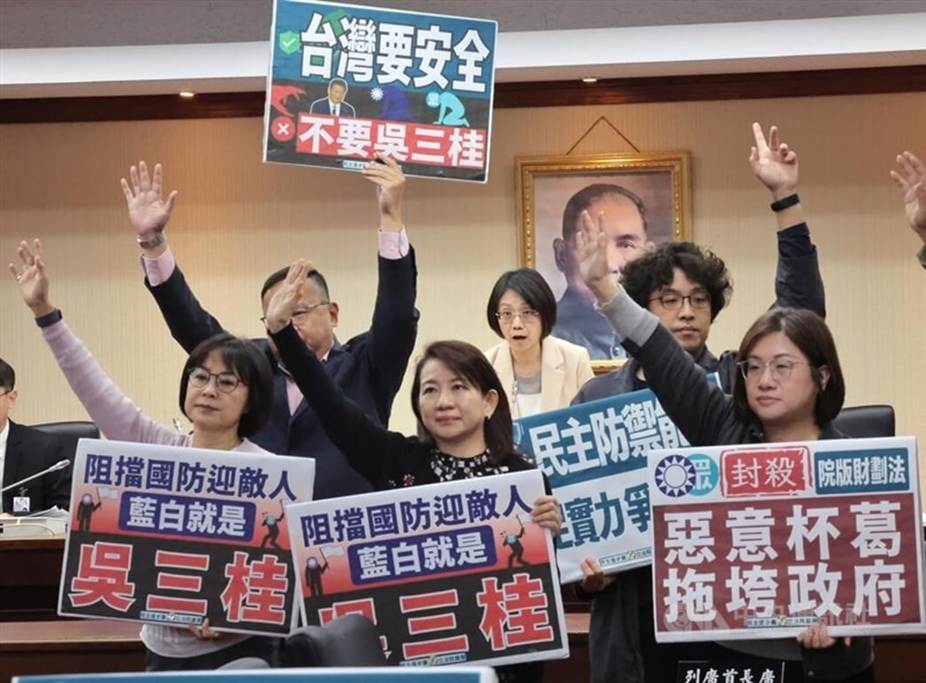
These exchanges are unfolding amid heightened domestic polarization, especially over defense spending. For the fifth time, and during the second day of โ€œJustice Mission 2025,โ€ opposition lawmakers blocked a proposed special defense budget of US$39.8 billion. The DPP argues the package is needed to fund new U.S. weapons, equipment, and training, while the KMT insists President Lai must brief the legislature in person before lawmakers consider the plan, arguing that a short summary is insufficient. The KMT and TPP have also advanced a motion to initiate impeachment proceedings, while the DPP accuses the opposition of using fiscal procedures in an unconstitutional way.

Chinaโ€™s โ€œJustice Mission 2025โ€ drills intensified pressure in an already fraught Taiwan security environment. The exercise, Beijingโ€™s sixth large-scale drill of this kind since 2022, saw dozens of PLAN and PLAAF assets rapidly converge around the island and showcased an increasingly sophisticated rehearsal of Taiwan-focused operations. The key question now is whether these developments will galvanize support for passing Taiwanโ€™s defense budget, or instead strengthen calls to dial back steps seen as likely to provoke Beijing.

Weekly Security Review: 1/12/26

Author: Jaime Ocon

Happy New Year! Welcome to the first Weekly Security Review of 2026, where we highlight key military, security, and political developments around Taiwan in one straightforward summary!

For those of you subscribed to my Defending Taiwan substack, thank you for your continued support โ€” Iโ€™ll be posting here from now on!

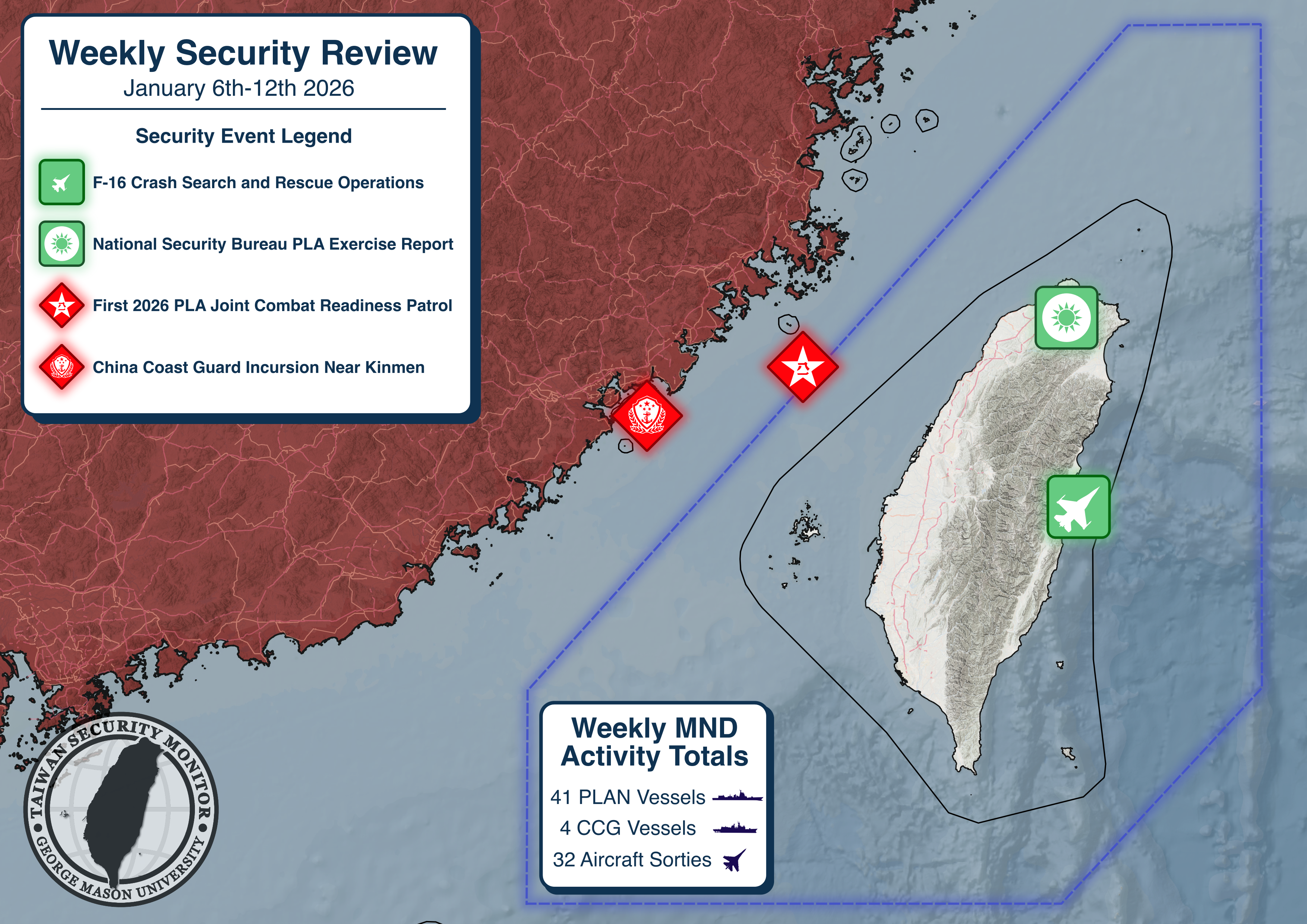
This week, an F-16 pilot is feared dead after crashing into the sea during a routine nighttime training. The National Security Bureau revealed more information regarding the recently concluded Justice Mission-2025 exercise, the PLA conducted its first โ€œJoint Combat Readiness Patrolโ€ of 2026, and several China Coast Guard vessels briefly entered Kinmenโ€™s restricted waters.

Military โ€œNot Losing Hopeโ€ as Search Continues After F-16V Crash

An ROCAF F-16V, serial no. 6700 of the 5th Tactical Fighter Wing in Hualien, crashed into the waters east of Taiwan during a routine nighttime training exercise late on Tuesday (6 January). The military is still unaware whether or not the pilot, Captain Hsin Po-yi (่พ›ๆŸๆฏ…), ejected from the aircraft, despite noticing he was โ€œpreparing to eject, eject, ejectโ€. The Air Force lost radar contact with the fighter jet at 1928, and no transponder signal from an ejection seat has been found.

Coast Guard personnel conduct nighttime search and rescue operations

Rescue efforts have been slowly expanding as Army and National Airborne Service Corps Black Hawk helicopters conduct frequent low-altitude search flights over waters off Taitung and Hualien. Meanwhile, vessels from the Coast Guard Administration (CGA) continue 24/7 search-and-rescue operations. As of 9 a.m. Friday (9 January), the Navy and CGA dispatched a total of 22 vessels, involving roughly 300 ground personnel and 30 aircraft sorties, including 2 UAVs. Taiwanโ€™s fleet of F-16s was grounded for inspection following the crash, but is now back in service.

A press conference from the Air Force revealed that audio logs indicate the pilot lost contact with his formation at 1927 after flying into clouds. Flight conditions showed visibility at 9km, with light rain. Capt. Hsin then reported that his altitude was continuing to drop and that he would eject from his aircraft. That was roughly eight seconds before its radar signal vanished at an altitude of 1700ft and roughly 36 nautical miles (66.6 kilometers) south of Hualien Air Force Base.

Local media have speculated that an engine may have exploded, citing nearby dashcam footage that appears to show a fireball descending in the vicinity of the crash site. Others have suggested a possible software issue involving the aircraftโ€™s Modular Mission Computer (MMC). The military has not yet identified the cause and says it is conducting a full investigation.

Minister of National Defense  Wellington Koo oversees search and rescue efforts for a missing F-16V pilot

In response to Tuesdayโ€™s crash, Minister of National Defense Wellington Koo announced that the Air Force would move quickly to install Automatic Ground Collision Avoidance Systems (Auto-GCAS) on all of its F-16V jets by next year. Taiwan has the largest fleet of F-16s deployed in Asia, with 141 upgraded F-16A/Bs and 66 newer F-16V Block 70s expected to arrive starting this year. Tuesdayโ€™s incident is the latest in a series of unfortunate training accidents that have not only resulted in lost aircraft but have also taken the lives of a handful of armed service members. Below is a list of recent F-16 accidents:

  • August 1999: Aircraft suffers a likely mechanical failure during training, the pilot ejects safely, and the jet crashes.
  • March 2008: Aircraft crashes into the sea during a nighttime training mission near Hualien; pilot Ting Shih-pao (ไธไธ–ๅฏถ) is later formally declared dead.
  • May 2013: Aircraft crashes into the sea near Chiayi during a training mission; the pilot ejects safely, and the jet crashes.
  • January 2016: Pilot Kao Ting-cheng (้ซ˜้ผŽ็จ‹) killed in a crash during a training exercise at Luke Air Force Base in the United States.
  • June 2018: Aircraft crashes into Wufen Mountain in Keelung City during Han Kuang military exercises, pilot Wu Yen-ting killed.
  • November 2020: Aircraft disappears from radar shortly after takeoff from Hualien Air Base, pilot Chiang Cheng-chih (่”ฃๆญฃๅฟ—) later formally declared dead.
  • January 2022: Aircraft crashes into the sea during a ground-attack training mission at Shuixi Shooting Range near Chiayi Air Base, pilot Andy Chen (้™ณๅฅ•) killed.

NSB Report of Chinaโ€™s โ€œJustice Mission-2025โ€

On 8 January, Taiwanโ€™s National Security Bureau (NSB) submitted a report and testified to the Legislative Yuan regarding Chinaโ€™s recent JusticeMission-2025 military exercises. The full public report can be found here: NSB Report, Justice-Mission 2025

In short, the NSB  told lawmakers that Chinaโ€™s โ€œJustice Mission-2025โ€ drills were intended to counter growing international support for Taiwan and possibly distract from Beijingโ€™s economic difficulties. The exercises involved dozens of rocket launches and a large-scale deployment of warships and aircraft, disrupting Taiwanโ€™s air traffic and raising concerns among regional and Western partners. The drills were among the most expansive to date in terms of geographic coverage and were intended to advance a political goal of pushing back against support from democratic countries.  The NSB said that Beijing wanted to redirect domestic discontent in China into nationalist sentiment under the banner of โ€œresisting external interference.โ€โ€‹

Legislators in the LY question Defense and National Security officials

In the report, the NSB also highlighted that recent statements by Japanese Prime Minister Sanae Takaichi, including concerns that an attack on Taiwan could constitute an existential threat to Japan, could have added to Beijingโ€™s efforts to reassert its claims in the region.

The report described Chinaโ€™s heavy use of information operations and cyber activity during the drills, ranging from state-media narratives and AI-generated content to coordinated โ€œtroll armies.โ€ The NSB said these networks produced more than 19,000 inflammatory posts from nearly 800 accounts over five days, aiming to erode confidence in Taiwanโ€™s military and sow doubt about U.S. support. It also reported more than two million cyberattacks on government systems in the first two days of the exercises, and identified PLA-linked groups, such as APT24 and BlackTech, as key actors.

According to the NSB, Beijing is increasingly synchronizing cyber operations with military exercises to weaken public morale and degrade Taiwanโ€™s information environment by amplifying fear and uncertainty.

Chinaโ€™s First Joint Combat Readiness Patrol of 2026

Also on 8 January, the MND reported the 1st PLA Joint Combat Readiness Patrol of 2026. Starting from 1456, a total of 21 PLAAF aircraft, including J-10 fighters, H-6K bombers, KJ-500 early warning aircraft, and UAVs, were detected operating around Taiwan. 19 of the aircraft crossed the median line of the Taiwan Strait and its Air Defense Identification Zone (ADIZ). Taiwanโ€™s military added that these aircraft operated in coordination with Chinese naval vessels and harassed Taiwanโ€™s surrounding air and maritime areas.

Taiwanโ€™s military said it employed joint intelligence, surveillance, and reconnaissance measures to maintain close oversight of the situation and dispatched aircraft, naval vessels, and land-based missile systems as a response. Both in 2024 and 2025, the PLA conducted 40 combat readiness patrols, typically taking place every other week.

Earlier in 2025, an intelligence officer explained that the phrase โ€œJoint Combat Readiness Patrolโ€ (่ฏๅˆๆˆฐๅ‚™่ญฆๅทก) is used by the MND to signal a difference from the PLAโ€™s routine patrols around Taiwan. Colonel Hu Zhong-hua, deputy director of the MNDโ€™s Intelligence Research Center, said the ministry defines Joint Combat Readiness Patrols as PLA joint training that involves coordinated activities from both sea and air forces, and is derived from gathering years of PLA behavior and patterns.

China Coast Guard Incursion into Kinmenโ€™s Restricted Waters

Finally, this week also marked the yearโ€™s first incursion by China Coast Guard (CCG) vessels into the restricted waters surrounding the outlying island of Kinmen. Four CCG vessels were detected by Taiwanโ€™s Coast Guard Administration (CGA) at 1400 local on 6 December. These vessels entered Kinmenโ€™s restricted waters at 1510 before exiting two hours later at 1712.

Taiwanโ€™s CGA deployed its own vessels to conduct parallel shadowing throughout the incursion, which it condemned as an instance of Beijingโ€™s strategy of gray-zone harassment towards Taiwan.