Taiwan Security Monitor

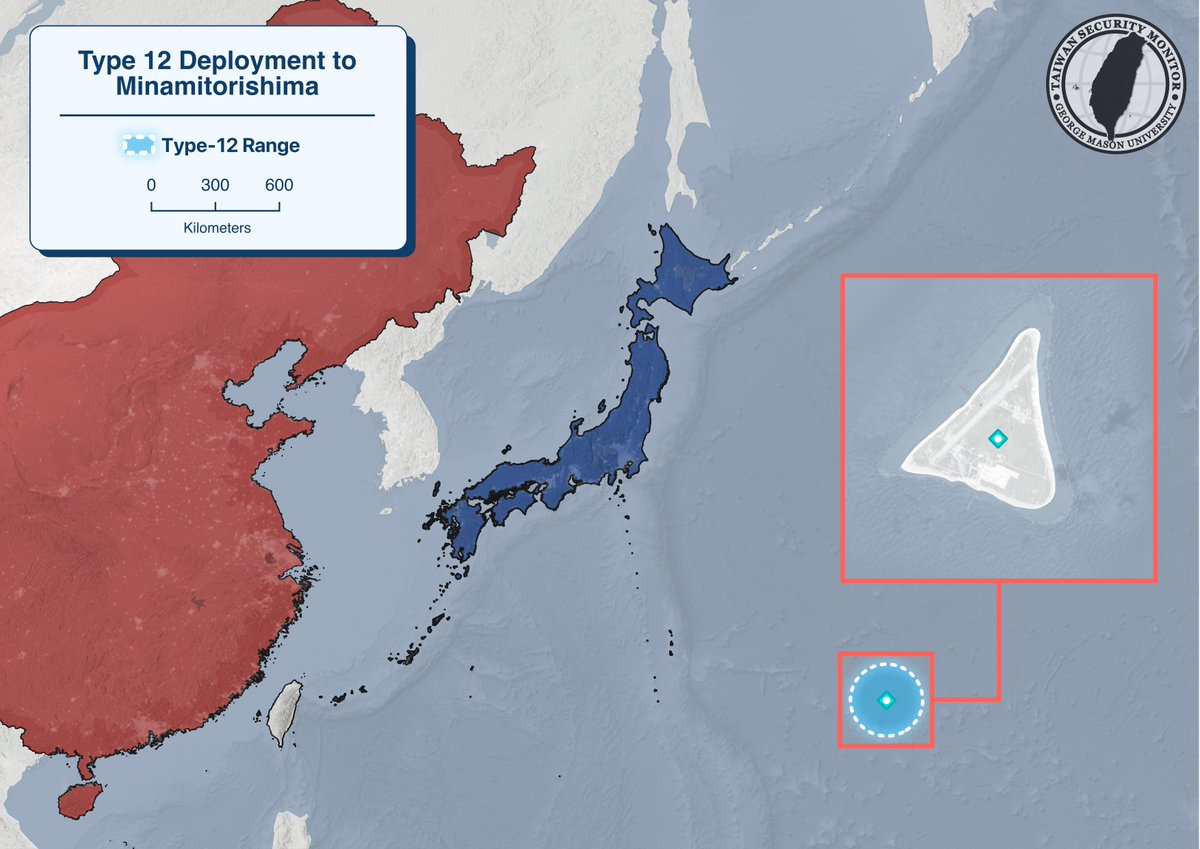
Visualization: Type-12 Deployment to Minamitorishima


Author: Chris Dayton


Japanโ€™s Defense Ministry is moving a GSDF Type-12 surface-to-ship missile launcher and targeting drones to Minamitorishima, Japanโ€™s easternmost island, as it prepares to establish a Pacific-side firing range. The project would mark Japanโ€™s first deployment of surface-to-ship missile infrastructure to the remote island, roughly 2,000 km southeast of Honshu, with live-fire drills expected to begin in FY2027. Above is our visualization of the Type 12’s deployment and operational range on Minamitorishima.
Everything To Know About Taiwanโ€™s New Littoral Combat Command

Author: Noah Reed & Chris Dayton


On July 1, 2026, Taiwan will formally stand up the Littoral Combat Command (ๆฟฑๆตทไฝœๆˆฐๆŒ‡ๆฎ้ƒจ, LCC), integrating the Republic of China Navyโ€™s (ROCN) anti-ship missile, coastal and mobile radar, and unmanned systems into one unified force. The LCCโ€™s headquarters will reportedly be located along Taiwanโ€™s west coast in Huwei Township, Yunlin County. Taiwanese President Lai Ching-te is expected to preside over the establishment ceremony.[i]

Once established, the LCC will be responsible for the defense of the seas surrounding Taiwan and the outlying islands. While most of its assets will reside on Taiwan proper, the LCC will inherit several anti-ship and radar positions on the Penghu and Matsu Islands.

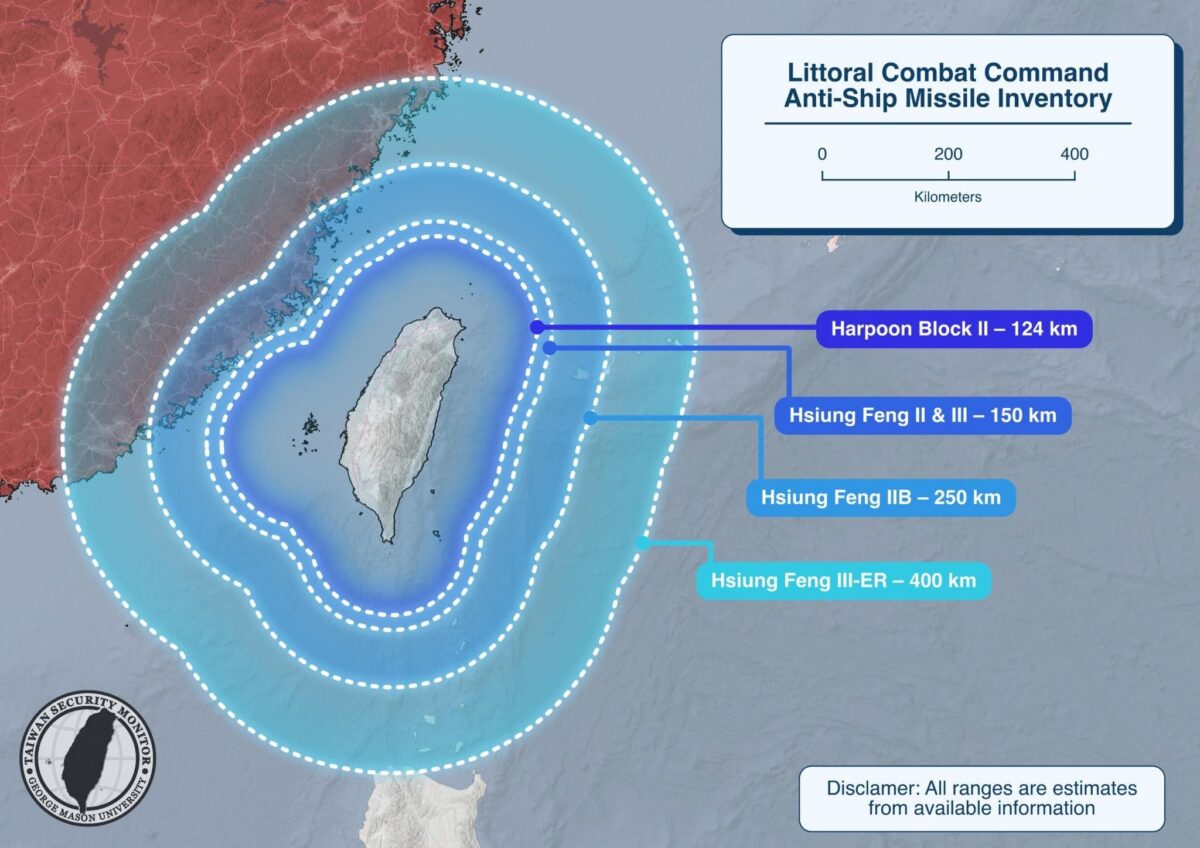
Map: Visualization of LCC Anti-Ship Missile Inventory & Estimated Ranges.

Organization

The LCC will absorb several older ROCN units,[ii] including the Hai Feng Group (ๆตท้‹’ๅคง้šŠ) and the Ocean Surveillance and Reconnaissance Command (ๆตทๆด‹็›ฃๅตๆŒ‡ๆฎ้ƒจ). The Hai Feng Group was previously responsible for the operation of stationary and mobile anti-ship missiles (the Hsiung Feng II & III), while the Ocean Surveillance and Reconnaissance Command was responsible for stationary and mobile radar systems and reconnaissance UAVs.

Notably, the LCC will not incorporate the ROCNโ€™s 131st Fleet, which is comprised of missile boats, despite earlier reporting.[iii] This change was apparently due to a reassessment of operational requirements from the ROCN, which concluded that the missile boat and minelaying fleets did not require integration into the LCC.

The Hai Feng Group, which was previously organized into fixed and mobile batteries assigned under a battalion system, will be reorganized into four anti-ship strike groups: northern, central, southern, and eastern.[iv] Each of these strike groups will have both fixed-site and mobile launch units. The exact distribution of assets between the strike groups is unclear at present.

Security for fixed and mobile anti-ship missile launchers when deployed will be provided by the Republic of China Marine Corps (ROCMC), likely from the ROCMCโ€™s Air Defense and Security Group.[v]

Equipment

Procurement and delivery of anti-ship missiles, particularly RGM-84L-4 Harpoon Block II missiles and their associated systems, were among the issues that impacted the LCCโ€™s establishment timeline. At present, Taiwan is reported to have only 32 launchers and 128 missiles, although delivery of additional purchased Harpoon systems is expected before the end of 2026.[vi]

Anti-Ship Missile SystemReported Maximum Range
Harpoon Block II124km[vii]
Hsiung Feng-II140-150km[viii]
Hsiung Feng-III150-200km[ix]
Hsiung Feng-IIB250km[x]
Hsiung Feng III-ER400km[xi]

Figure: Table of Anti-Ship Missiles in LCCโ€™s Inventory.

Taiwanese defense officials have claimed that, once the remainder of the Harpoon missiles are delivered, Taiwan will have the โ€œworldโ€™s densest anti-ship missile networkโ€ with an inventory totaling more than 1,400 missiles.[xii] The LCCโ€™s inauguration is intended to improve the dispersal and survivability of Taiwanโ€™s missile inventory.


[i] ๆˆดๅฟ—ๆš. ๆตท่ปๆฟฑๆตทไฝœๆˆฐๆŒ‡ๆฎ้ƒจ7ๆœˆ1ๆ—ฅๆญฃๅผ็ทจๆˆ ่ฝ่…ณๅœจ้›ฒๆž—่™Žๅฐพ. China Times. 13 May 2026. https://www.chinatimes.com/realtimenews/20260513001103-260417?chdtv.

[ii] ๆธธๅ‡ฑ็ฟ”.  ๅผทๅŒ–ๅˆถๆตทๆˆฐๅŠ›ใ€€ๆตท่ปๆฟฑๆตทไฝœๆˆฐๆŒ‡ๆฎ้ƒจ่ฆๅŠƒ7ๆœˆ็ทจๆˆ. CNA. 21 January 2026. https://www.cna.com.tw/news/aipl/202601210266.aspx.

[iii] ็พ…ๆทปๆ–Œ. ๆฟฑๆตทไฝœๆˆฐๆŒ‡ๆฎ้ƒจ7ๆœˆ1ๆ—ฅ็ทจๆˆๅ•Š๏ผใ€Œๅ…‰ๅ…ญใ€้ฃ›ๅฝˆๅฟซ่‰‡้ƒจ้šŠๆฒ’ๆœ‰็งปๆ’ฅ. Liberty Times. 11 May 2026. https://def.ltn.com.tw/article/breakingnews/5433189.

[iv] ๆธธๅ‡ฑ็ฟ”.  ๅผทๅŒ–ๅˆถๆตทๆˆฐๅŠ›ใ€€ๆตท่ปๆฟฑๆตทไฝœๆˆฐๆŒ‡ๆฎ้ƒจ่ฆๅŠƒ7ๆœˆ็ทจๆˆ. CNA. 21 January 2026. https://www.cna.com.tw/news/aipl/202601210266.aspx.

[v] ๆฅŠไป็ฟ”. ๆฟฑๆŒ‡้ƒจ7/1ๆญฃๅผๆˆ็ซ‹ ้˜ฒ่ญฆ็พคๆšซไธๅพฉ็ทจใ€Œ77ๆ—…ใ€. RTI. 22 January 2026. https://www.rti.org.tw/news?uid=3&pid=187799.

[vi] Joe Oโ€™Connor et al. Taiwan Arms Sale Backlog, April 2026 Update. May 2026. https://tsm.schar.gmu.edu/taiwan-arms-sale-backlog-april-2026-update/.

[vii] Taiwanese officials have claimed during testimony in the Legislative Yuan that the Harpoon missile Taiwan is acquiring has a greater range than their base models. Reportedly, the range is equal to that of Hsiung Feng II/III. LY Testimony. https://ivod.ly.gov.tw/Demand/Speech/145886.

[viii] ๅ‘‚ๆฌฃๆ†“. ่ˆชๆฏๆฎบๆ‰‹้›„ไธ‰้ฃ›ๅฝˆ ๅ…ท่ถ…้Ÿณ้€Ÿ้ฃฝๅ’Œๆ”ปๆ“ŠๅŠ›. CNA. 1 July 2016. https://www.cna.com.tw/news/aipl/201607010225.aspx.

[ix] ๆธธๅ‡ฑ็ฟ” and ็Ž‹ๆšๅฎ‡. ้›„ไธ‰ๅขž็จ‹ๅž‹ๅฐ‡้‡็”ข ๆๅ‡ๅˆถๆตทๆˆฐๅŠ›. CNA. 16 September 2021. https://www.cna.com.tw/news/aipl/202109160301.aspx.

[x] Matthew Strong.  Taiwan military to produce Hsiung Feng II B anti-ship missile in 2021. Taiwan News. 2 January 2020. https://www.taiwannews.com.tw/news/3848970

[xi] ๅณๆ›ธ็ทฏ. ็ธฝ็ตฑ่ฆ–ๅฐŽๆตท่ป้›„้ขจ้ฃ›ๅฝˆๆฉŸๅ‹•้ƒจ็ฝฒใ€€้›„ไธ‰ๅขž็จ‹ๅž‹้ฃ›ๅฝˆ็พ่บซ. CNA. 15 July, 2025. https://www.cna.com.tw/news/aipl/202507150097.aspx.

[xii] Keoni Everington. Taiwan expected to have worldโ€™s highest density of anti-ship missiles by year end. 11 March 2026. https://www.taiwannews.com.tw/news/6318299.

Visualization: NCSIST Anti-Ship Missile Range


Author: Chris Dayton


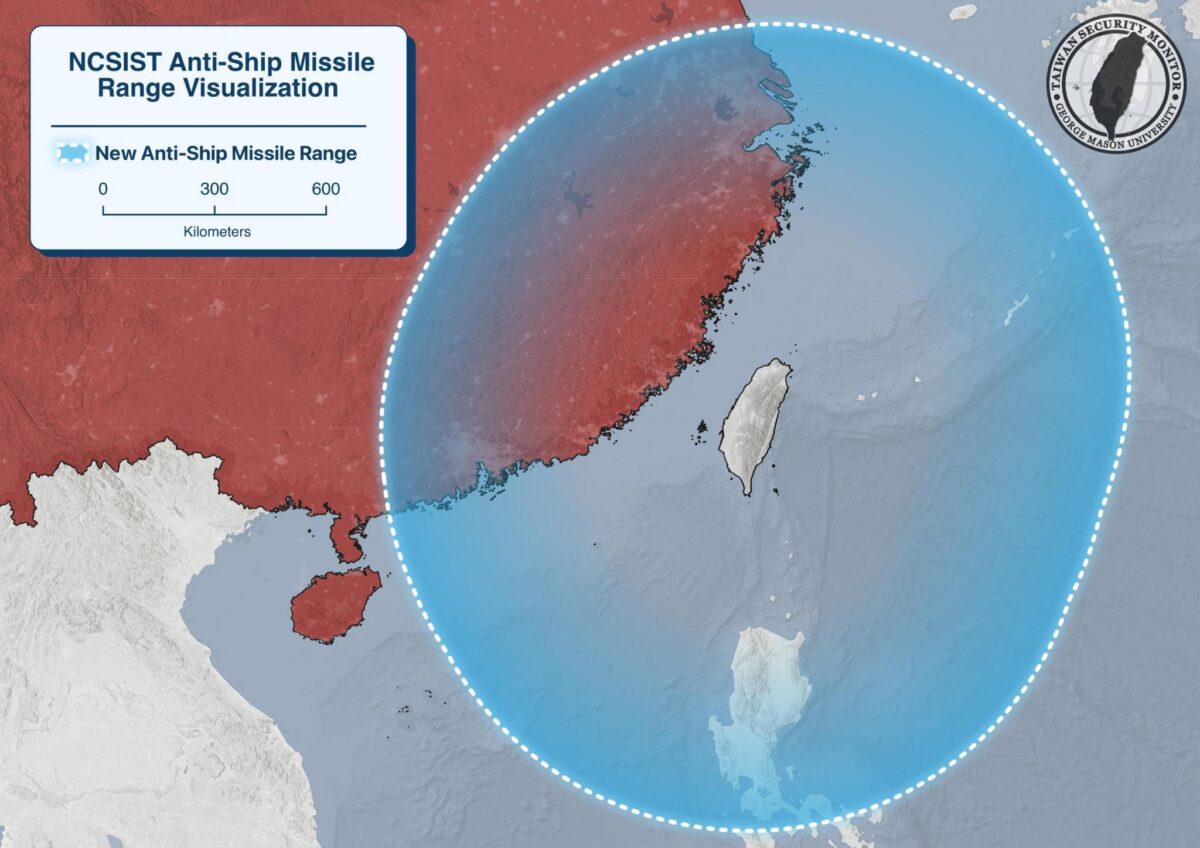
Taiwan’s NCSIST has developed a new long-range anti-ship cruise missile, per Liberty Times. The system, which currently does not have a name, is estimated to have a range of around 900-1,000km and is similar to the United States’ AGM-158 missile. Our visualization shows the estimated range of the new missile.

Visualization: Potential US Missile Deployment Locations in the Philippines

Authors: Chris Dayton & Ethan Connell

Per USNI News, U.S. and Philippine defense officials have committed to increasing missile and drone deployments across the archipelago as part of broader First Island Chain deterrence efforts, with recent rotations spotlighting Northern Luzon and the Batanes areas nearest Taiwan. Above is our visualization of potential U.S. missile deployment locations in the Philippines and the approximate engagement envelopes for NMESIS (180 km), Typhon/MRC (450 km), and HIMARS (500 km).

Visualization: New Philippine Navy Monitoring Detatchment at Tubbahta Reef

Authors: Chris Dayton & Ethan Connell


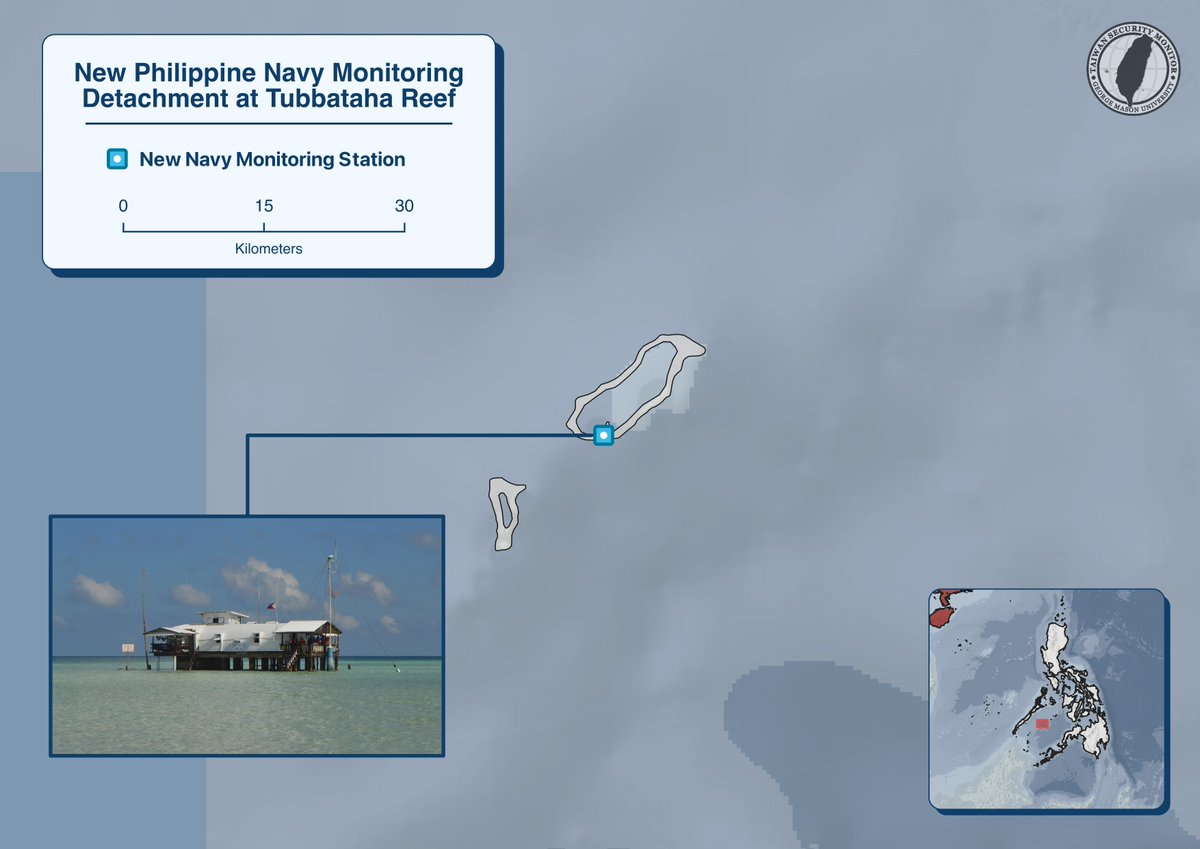
The Philippine Navyโ€™s Western Naval Command will stand up a Naval Monitoring Detachment at Tubbataha Reefs Natural Park, with the stated goal of improving patrol, surveillance, and rapid-response coverage of Chinese naval activity in the Sulu Sea, while also supporting the reef’s protection against illegal activity. Above is our visualization of the detachment’s proposed location:

Visualization: Taiwan’s Varied Aircraft Protection


Authors: Chris Dayton & Noah Reed


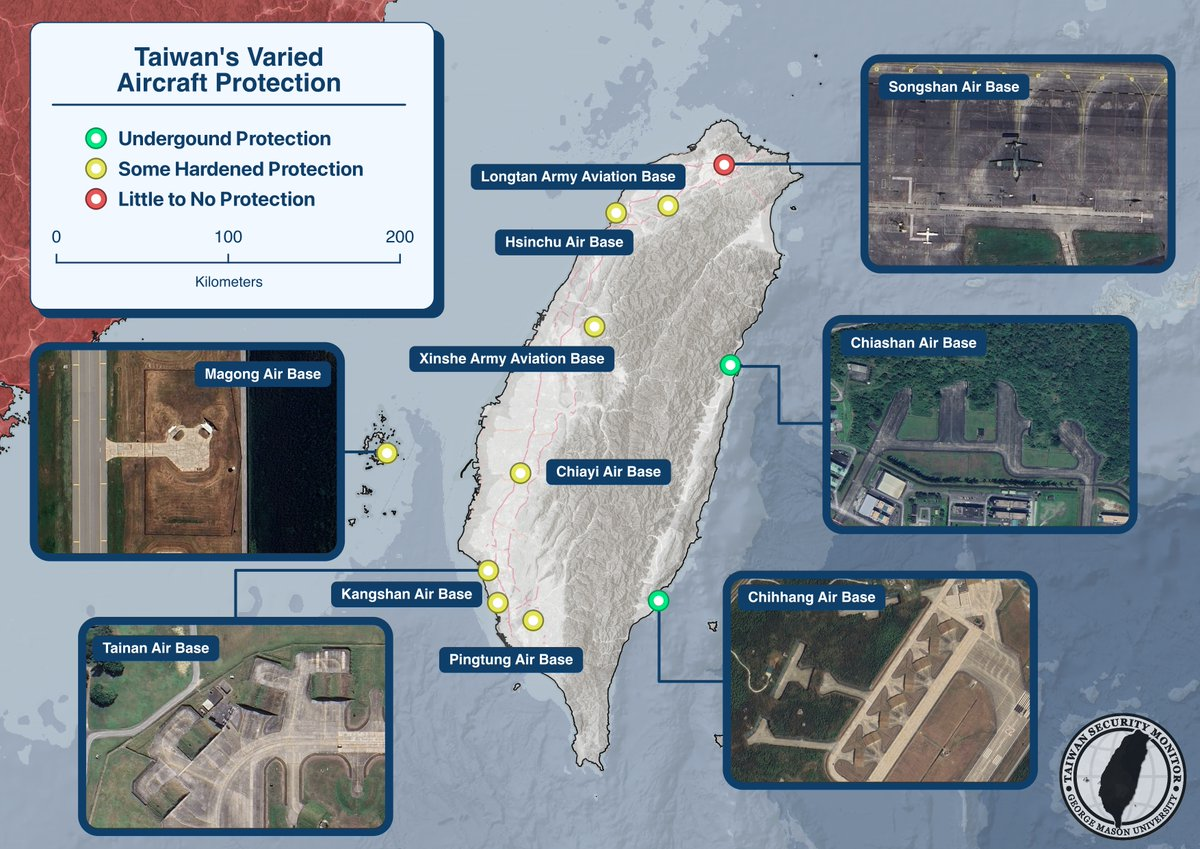
Recent drone attacks on airfields in global conflicts have placed a heightened focus on aircraft protection at Taiwanโ€™s major military bases. Improving ROCAF survivability is now a priority for the MND, with plans to significantly expand hardened shelters at Chihhang AFB by 2028 to protect future F-16C/D Block 70 fighters. Above is our visualization of the level of hardened protection at each of Taiwanโ€™s airbases.

Visualization: Planned HIMARS Deployments on Outlying Islands

Author: Chris Dayton


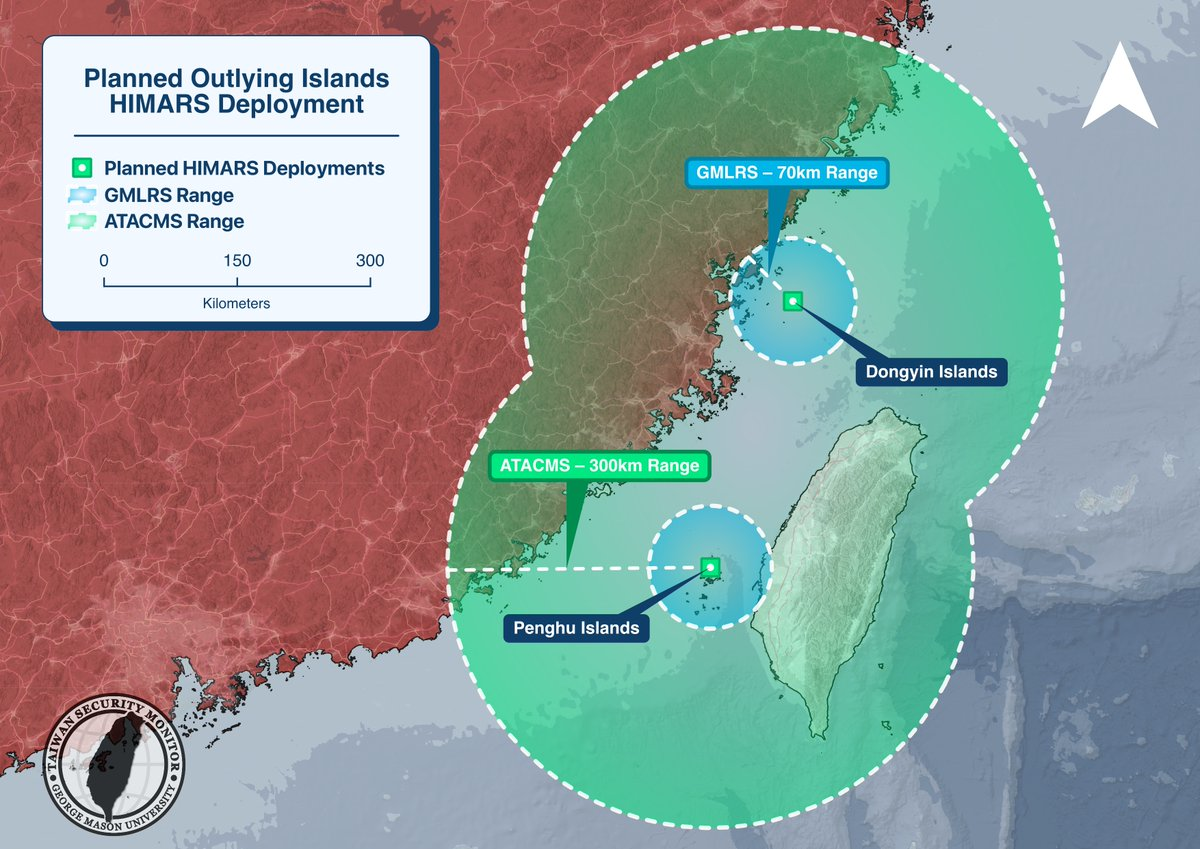
Taiwan’s military reportedly plans to deploy its recently acquired HIMARS launcher platforms to its outlying islands of Penghu and Dongyin, a move that could put many of China’s coastal naval facilities and airfields in Fujian and Zhejiang provinces within range of Taiwanese missiles. This comes after reports that Taiwan intends to expand its M142 HIMARS inventory to 111 launchers in future material purchases from the United States. Our visualization shows possible deployment locations and the operational range of HIMARS munitions in Taiwan’s inventory.

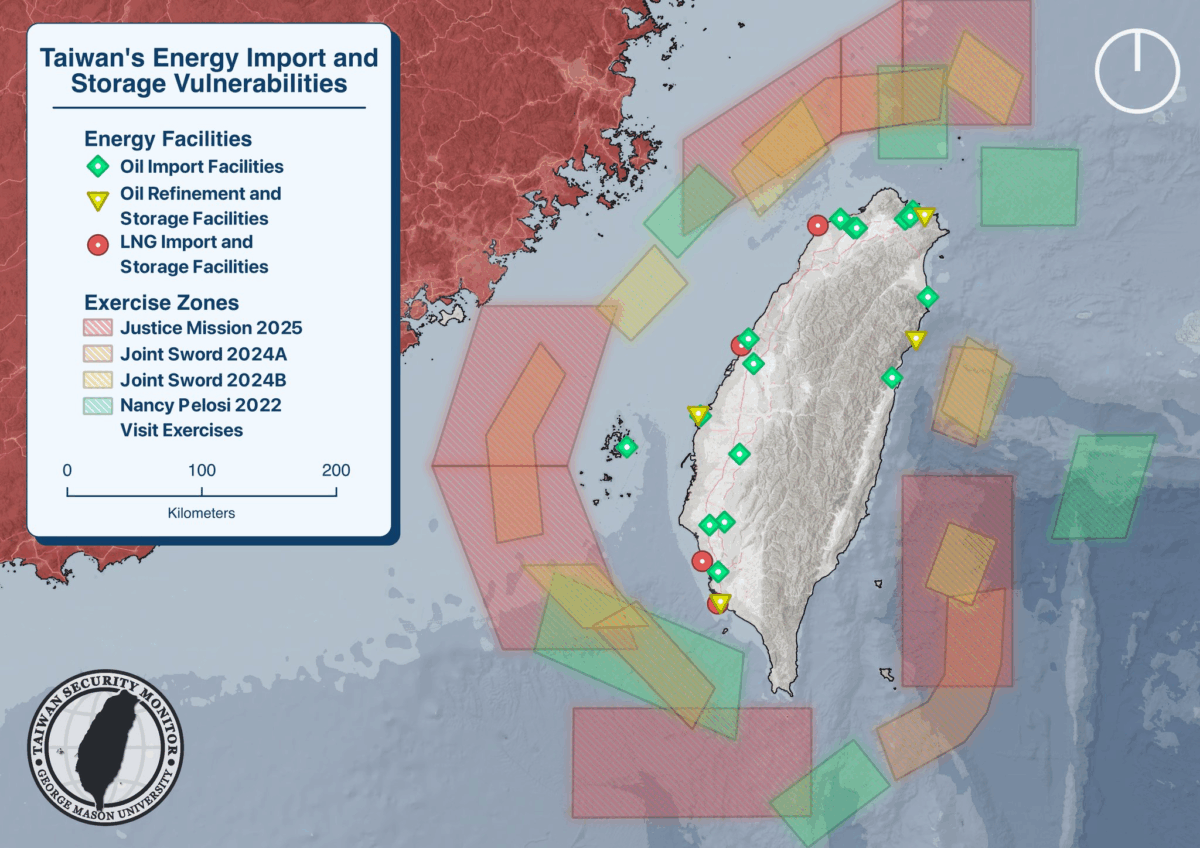
Visualization: Taiwan’s Energy Import and Storage Vulnerabilities

Author: Chris Dayton


During the recent Justice Mission-2025 exercises around Taiwan, a key focus was rehearsing a blockade of Taiwanโ€™s major energy import facilities. Taiwan imports nearly 96% of its energy, primarily oil and LNG.

Our visualization shows the locations of Taiwan’s energy import and distribution facilities alongside live-fire zones from recent joint exercises around the island.

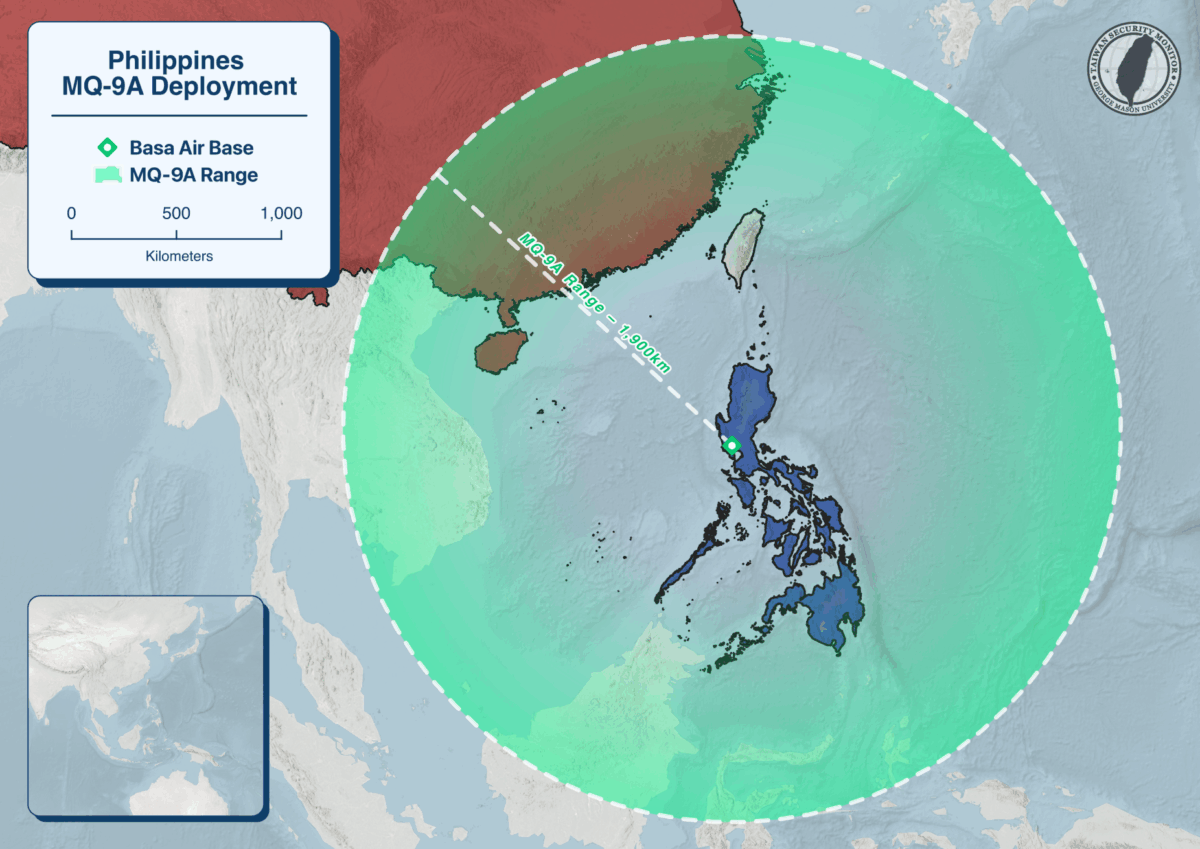
Visualization: Philippines MQ-9A Deployment

Author: Chris Dayton


Per Aaron-Matthew Lariosa, the U.S. Marine Corps temporarily deployed a unit of MQ-9A drones to Basa Air Base in the Philippines beginning in 2024, supporting Philippine intelligence collection in the South China Sea and providing surveillance assistance of maritime threats.

Above is our visualization of Marine Unmanned Aerial Vehicle Squadron (VMU) 1’s deployment and the MQ-9A’s operational range:

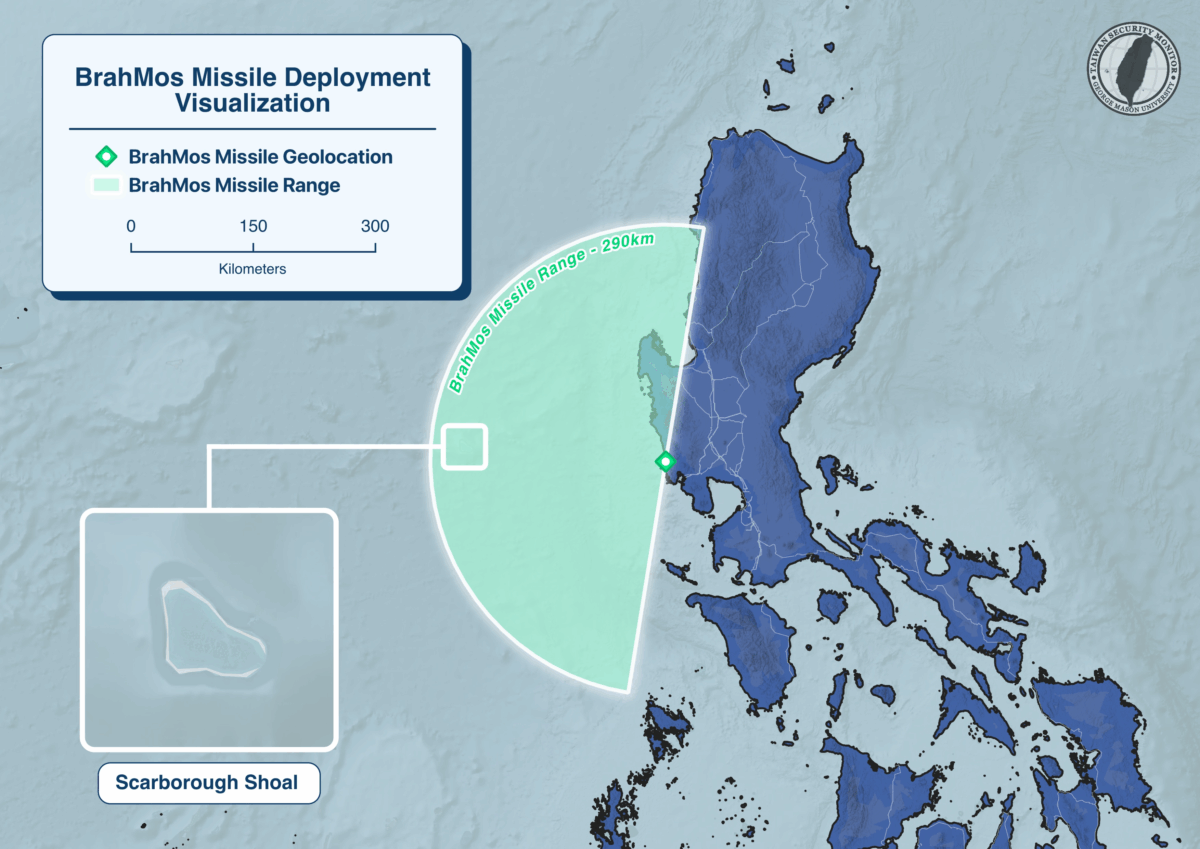
    Visualization: Brahmos Missile Deployment

    Author:ย Chris Dayton, Ethan Connell


    The Philippine Marine Corps publicly unveiled its BrahMos cruise missile coastal defense system at a Marine Corps Coastal Defense Regiment facility in Zambales.

    Above is our visualization of the BrahMos system’s deployment site and reported operational range.