Taiwan Security Monitor

Weekly Security Review: 2/2/26

Author: Jaime Ocon


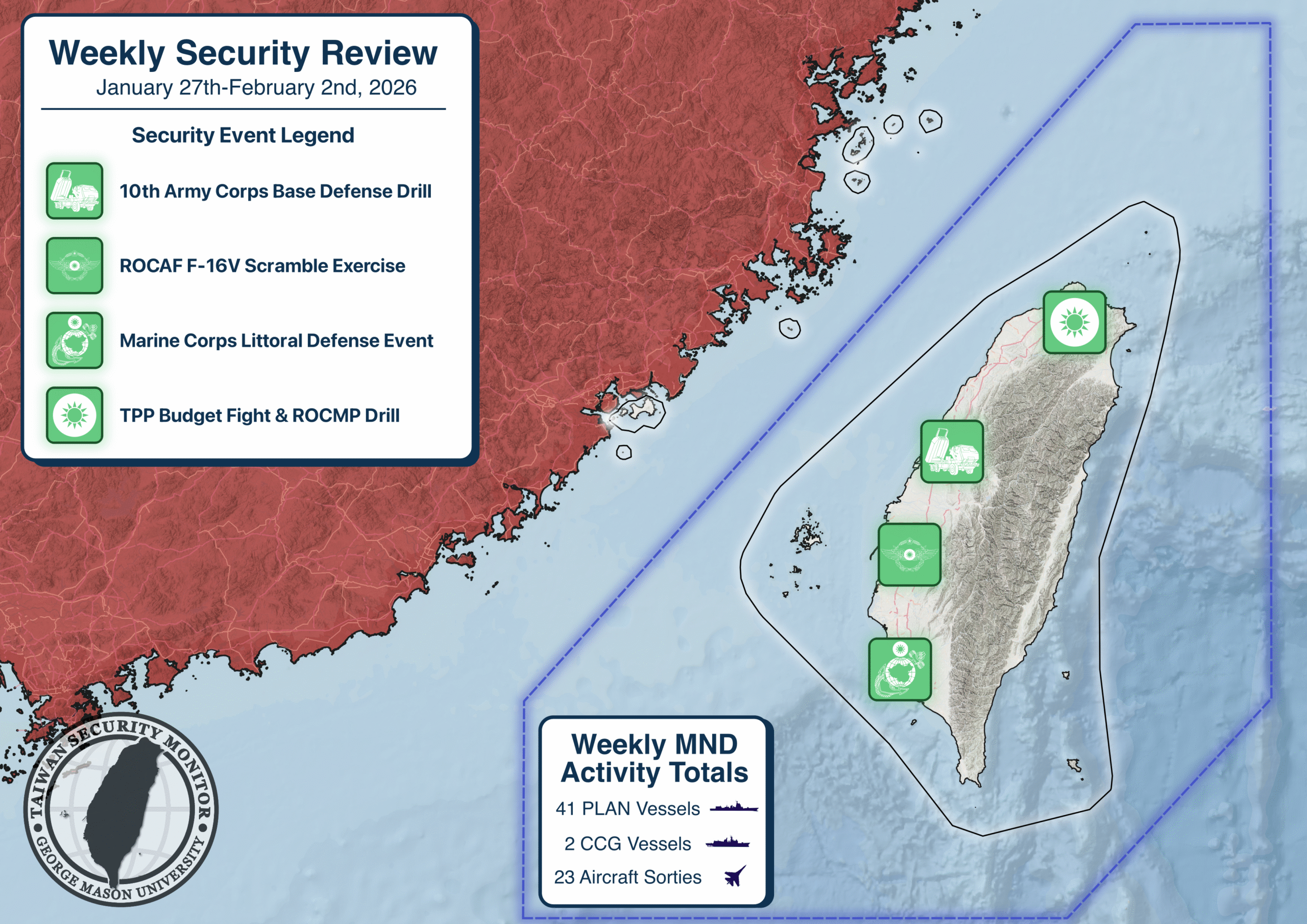
Welcome to the Weekly Security Review, where we highlight key military, security, and political developments around Taiwan in one straightforward summary!

This week, Taiwanโ€™s military conducted nationwide combat readiness drills ahead of the Lunar New Year, military police sharpened urban-warfare and close-quarters combat skills, and opposition lawmakers moved to cut supplementary defense funding.
Military Conducts Lunar New Year Exercises 

Ahead of the Lunar New Year, Taiwanโ€™s military is conducting its annual combat readiness exercises to demonstrate that the armed forces will maintain vigilance and operational preparedness throughout the holiday period. For this iteration, the military held air, land, and sea media demonstrations over three days. Itโ€™s important to mention that there were other LNY exercises conducted away from the cameras in other parts of the country. 

Army Deploys HIMARS, UAVs in Base Defense Drill 

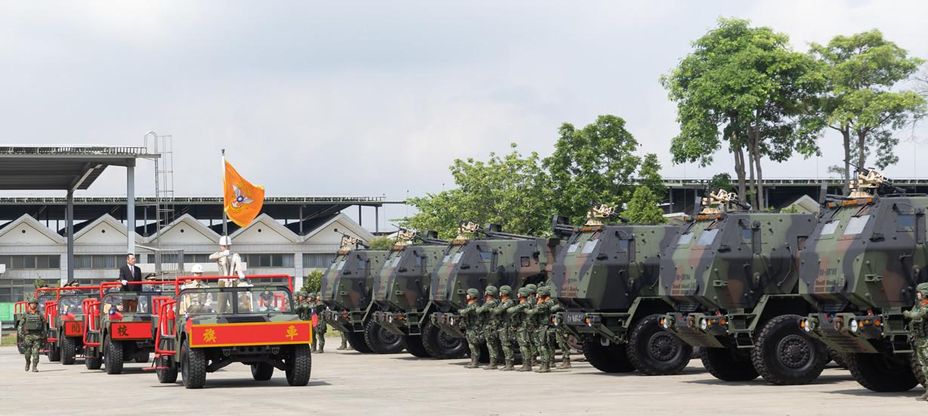
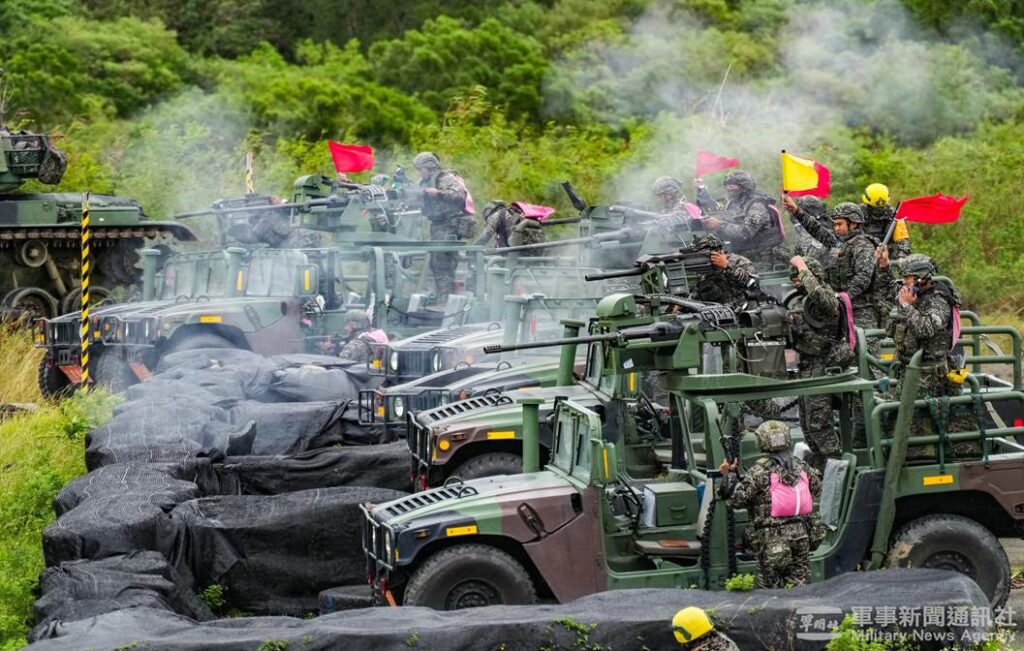
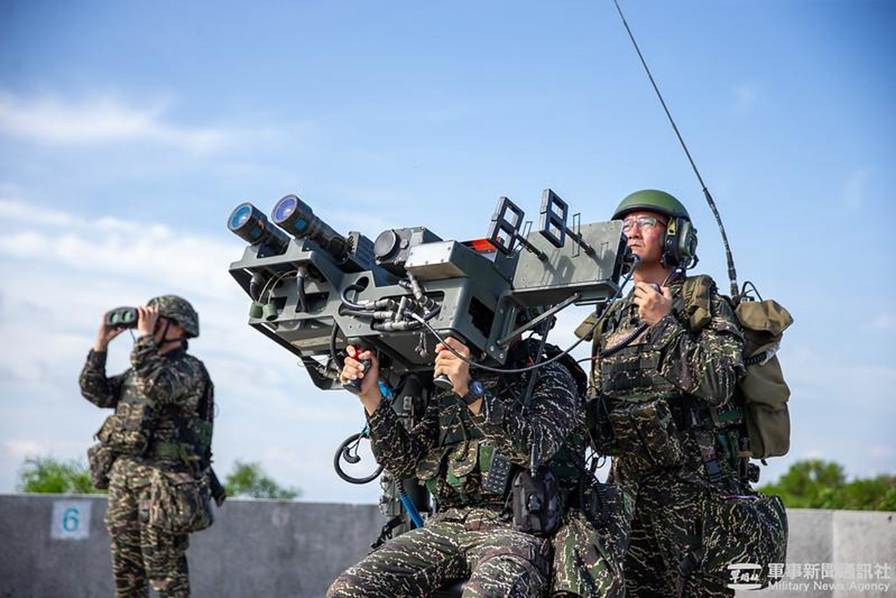
On Tuesday, 27 January, the 10th Army Corps conducted a โ€œrapid combat readinessโ€ scenario in which an opposing force, mostly fifth column operatives, attacked a small military base. The force was equipped with machine guns and used technical-style pickup trucks to launch an assault, with additional forces arriving by helicopter to support the broader attack. Taiwanโ€™s army responded to this scenario by deploying troops from the 586th Armored Brigade, 58th Artillery Command, supported by the 602nd Army Aviation Brigade. Assets used included M60A3 tanks, CM33/34 Clouded Leopard infantry fighting vehicles, Humvees equipped with TOW-2B anti-tank missiles, Land Sword-2 SAM systems, UH-60M Black Hawk helicopters, AH-1W Super Cobra attack helicopters, and, for the first time, HIMARS and small-scale first-person-view (FPV) drones.
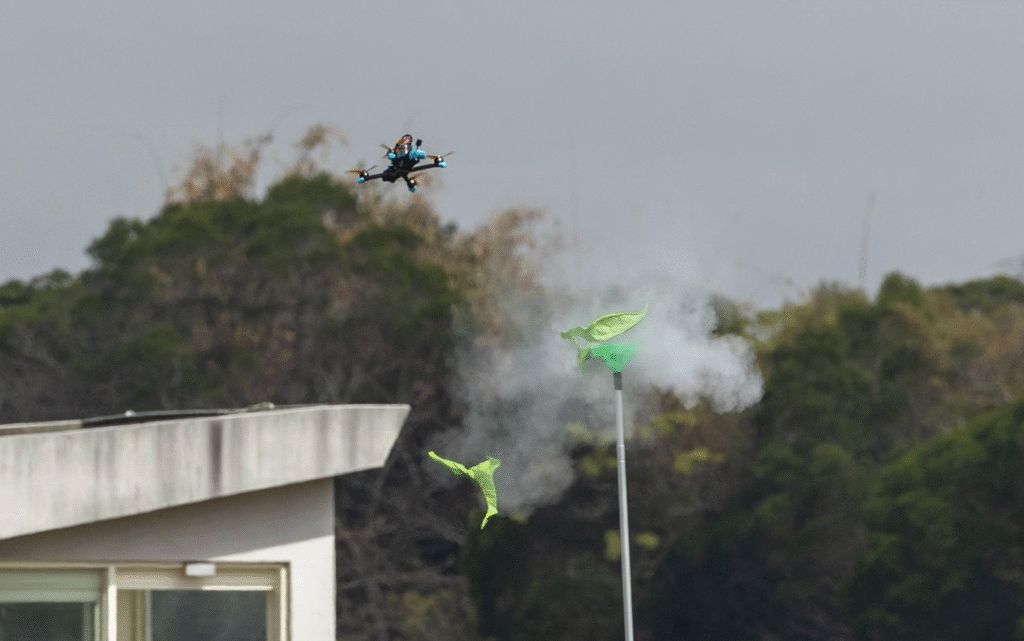
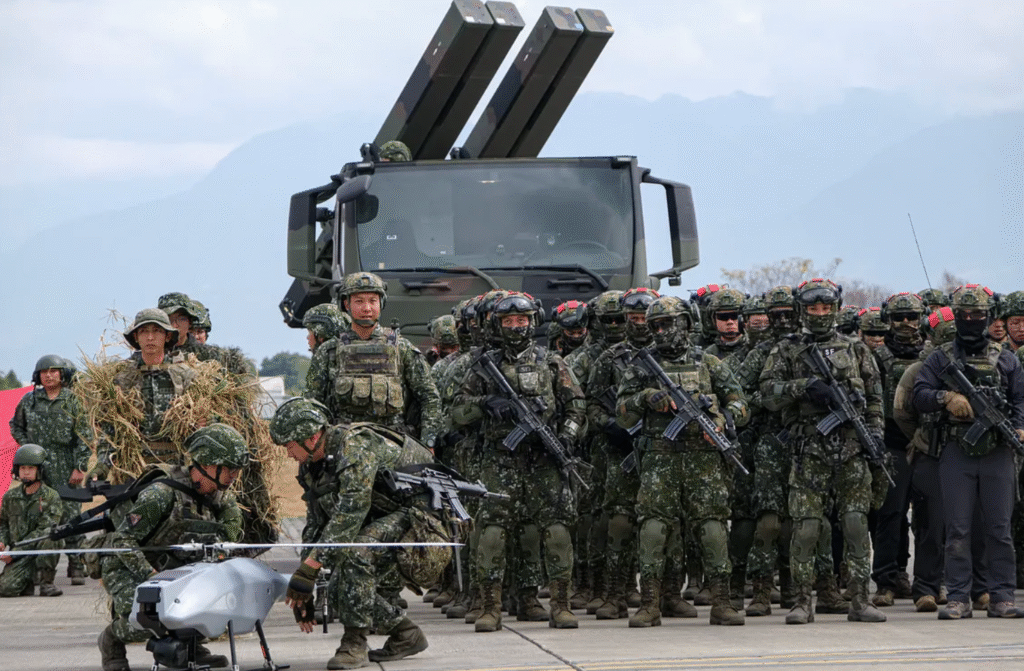
The exercises demonstrated small-scale counterinsurgency operations. Further, the MND said the drills were an opportunity for the 58th Artillery Command to test the effectiveness of new equipment. Most notable was the use of new HIMARS systems and FPV drones to provide additional firepower against potential enemy attacks. FPV drones were used to target balloons simulating enemy targets, while HIMARS demonstrated mobile โ€œscoot-and-shootโ€ tactics,  coordinating fire with troops on the ground. The tactic involves friendly forces practicing target engagement before relocating to avoid detection from the enemy.

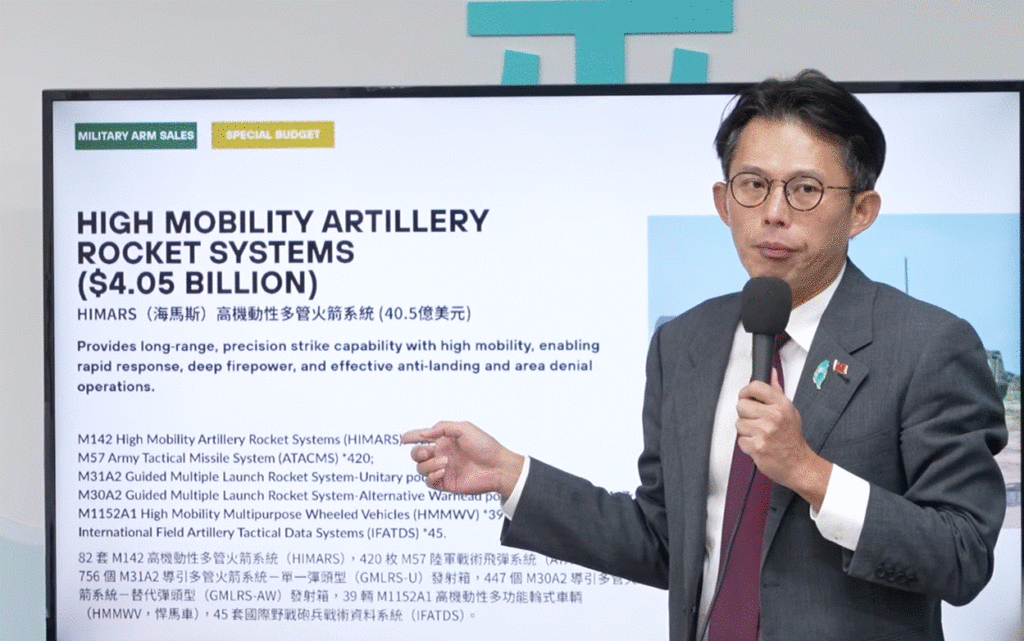
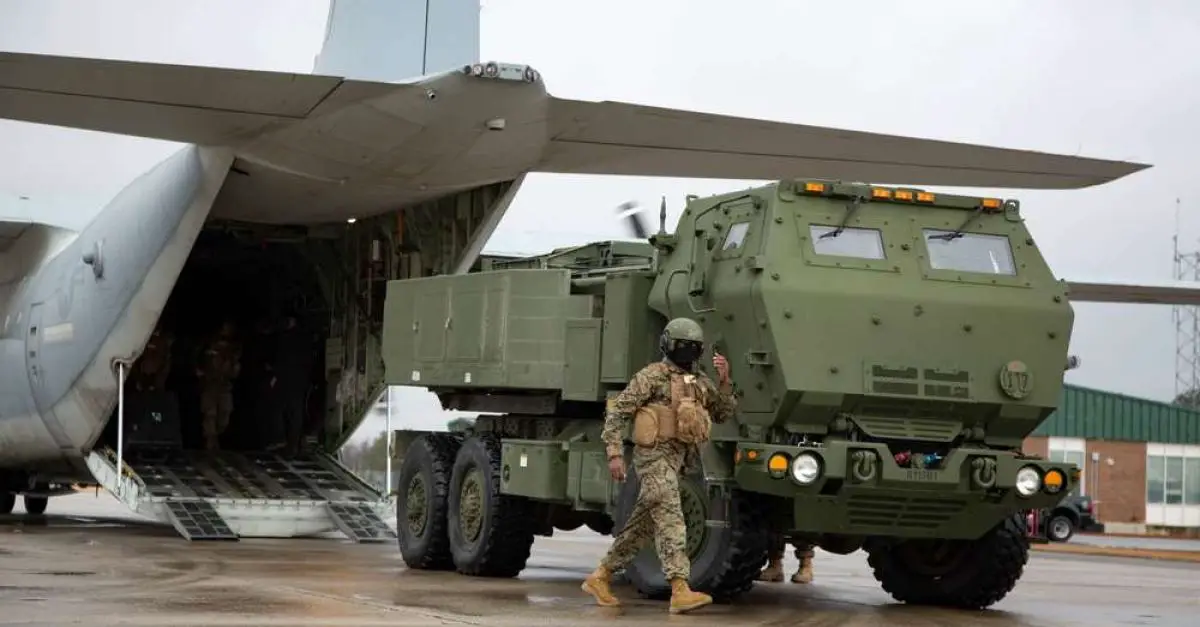
Itโ€™s important to remember that late last year, the U.S. approved the sale of 82 HIMARS systems and 420 ATACMS worth more than $4 billion. Taiwanโ€™s military considers these systems crucial to the islandโ€™s defense, and recent reports indicate the Army could deploy them to the outlying islands, closer to China. You can see our own visualization of that deployment here: 

Air Force Demonstrates F-16V Scramble, Air Defense Operationsย 

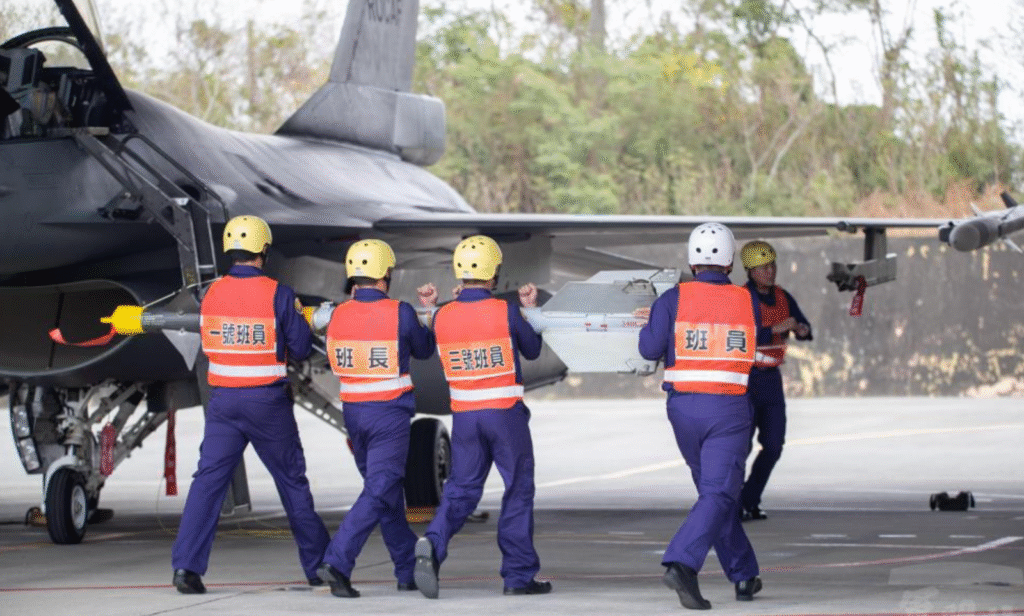
For two consecutive days (27-28 January), the media demonstrations moved south to Chiayi Air Base, home to the 4th Tactical Fighter Wingโ€™s F-16V fighter jets. The exercises began with a demonstration of how pilots scramble to intercept enemy aircraft flying close to the countryโ€™s airspace. From the moment the alarm sounded to take off, the entire procedure reportedly took place in under six minutes. The Air Force also demonstrated various daily maintenance operations, including weaponsโ€‘loading teams mounting different types of missiles, such as AIMโ€‘120 AMRAAMs and AIMโ€‘9 Sidewinders. Officers told the media that โ€œthrough integrated combat turnaround procedures, the aircraft can swiftly transition between airโ€‘toโ€‘air, airโ€‘toโ€‘sea and airโ€‘toโ€‘ground missions, enabling it to respond effectively to the rapidly changing conditions of the battlefieldโ€.ย 

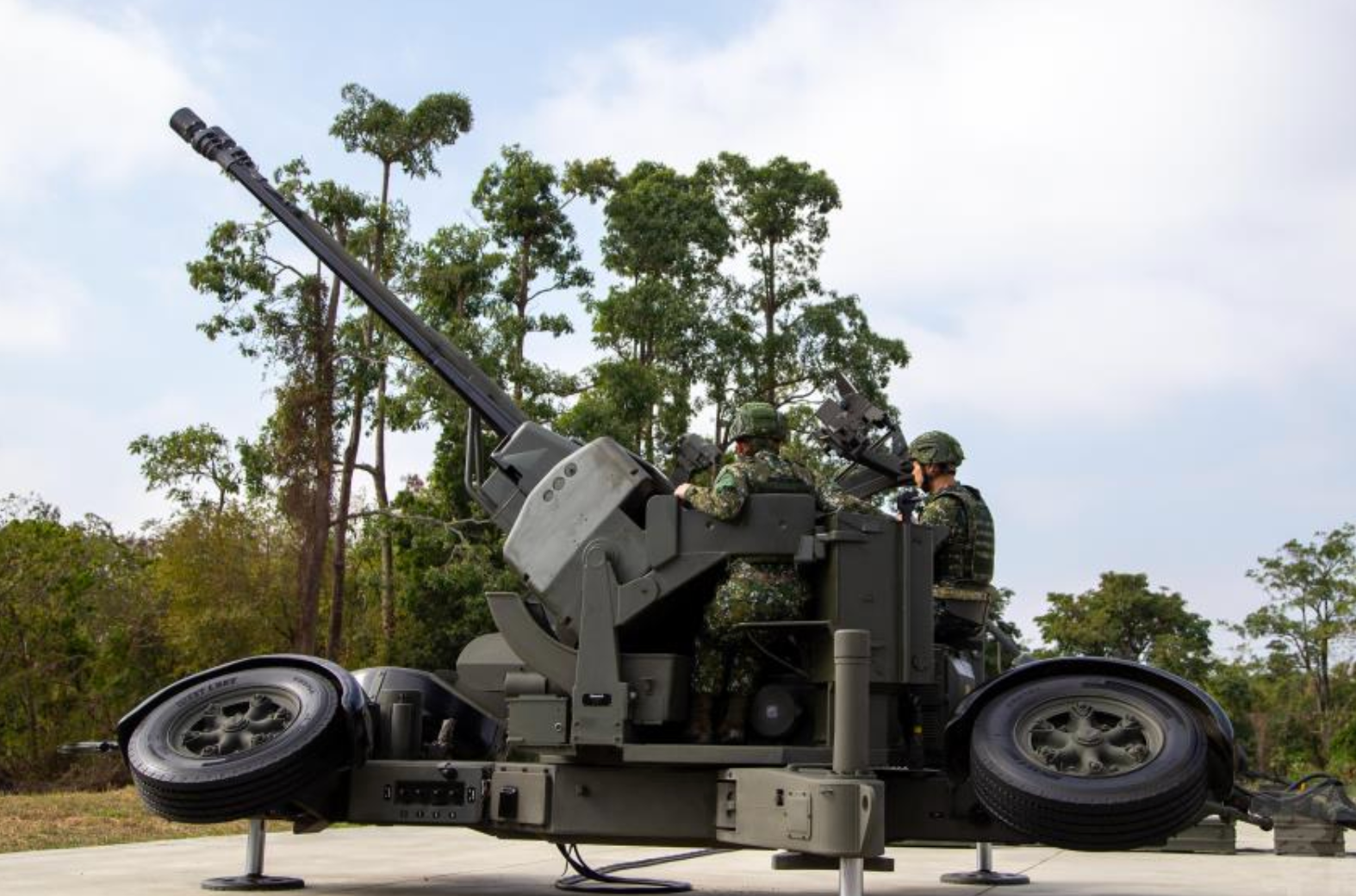
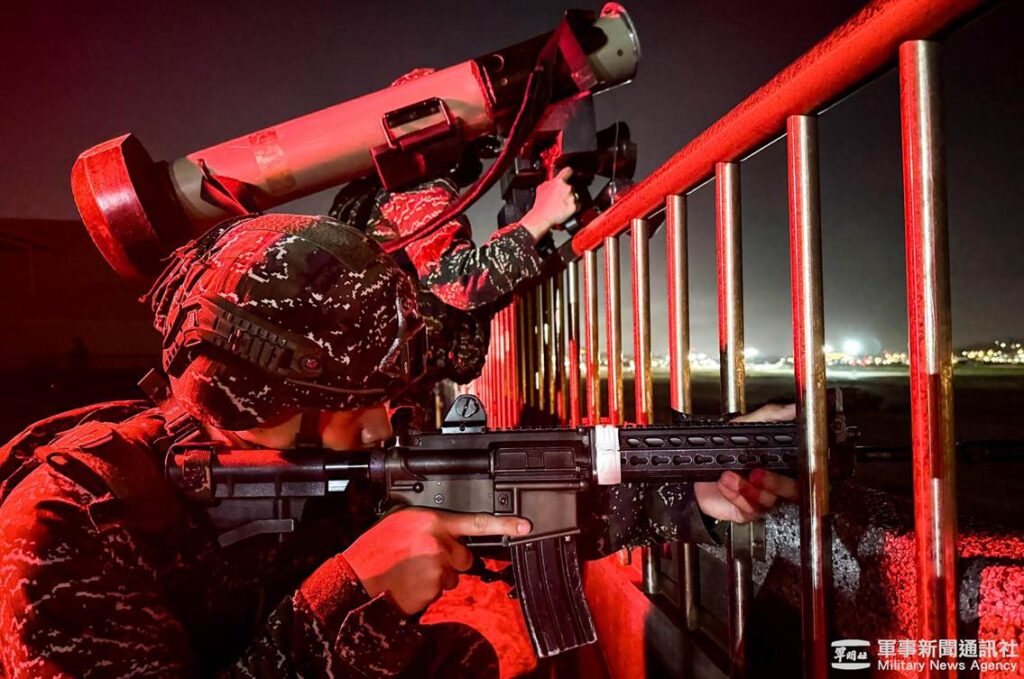
Along with the scramble exercises, units from the Air Forceโ€™s 301st Air Defense and Missile Battalion were also deployed to practice defending the surrounding airspace. Assets deployed included Skyguard GDFโ€‘006 antiโ€‘aircraft guns, Skyguard radar systems, and AIM-7 Sparrow SAM systems. 

Navy, Marines Showcase Coastal Strike and Littoral Defense Capabilities

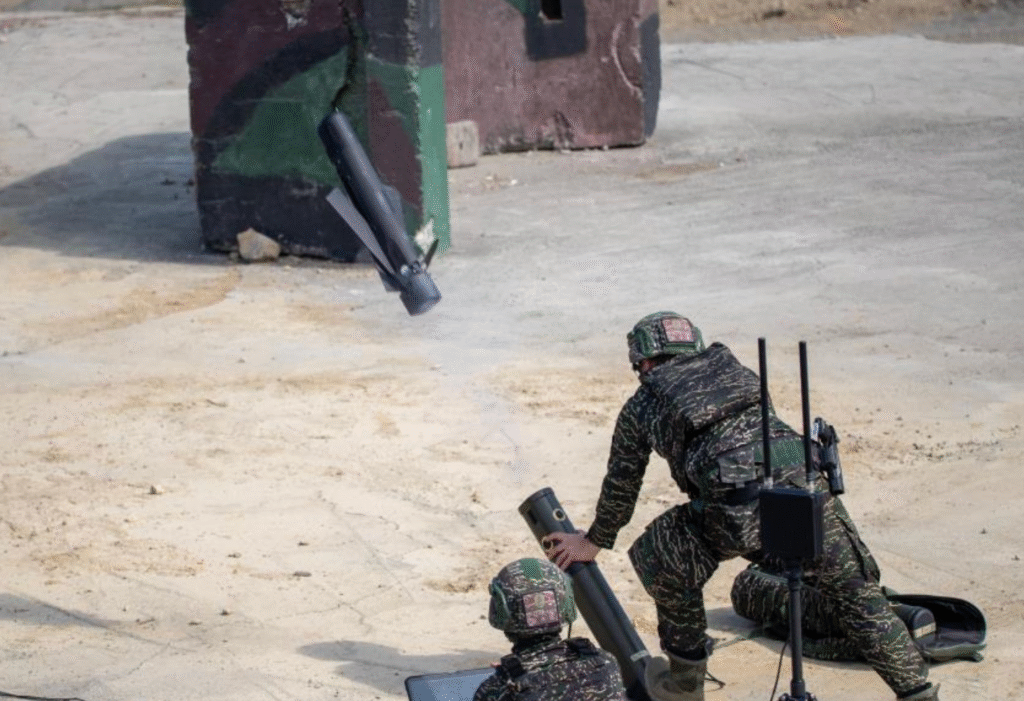
On the last day of the exercises (29 January), the Navy and Marine Corps hosted members of the media to demonstrate how they would defend against enemy vessels attempting to make it ashore. During the demonstration, ROCMC units held the first public live-fire test of the Chien Feng I attack UAV. This is a tube-launched drone that is similar to the American Switchblade system. One drone crashed shortly after takeoff, but the second backup drone launched successfully and struck a maritime target.ย 

One component of the drill also featured enemy vessels rushing to shore, as Marine units aboard M109 speedboats and Kuang Hua-class missile boats raced to intercept and defend against the attack. In the background and along the shore, Haifeng Brigade mobile anti-ship missile launchers were deployed alongside snipers hidden in the tall grass. The MND says the overall goal of the drill was to demonstrate โ€œintegrated reconnaissance UAVs, mobile radar, and missile unitsโ€ฆexecuting coordinated ISR, strike, and battle damage assessment operationsโ€.

After the exercise, the National Chung-Shan Institute of Science and Technology (NCSIST), which produces the Chin Feng I drone, said the initial crash was due to wing control failure and that reliability improvements are underway. 
Military Police Conducts Urban Defense Drills in Taipei

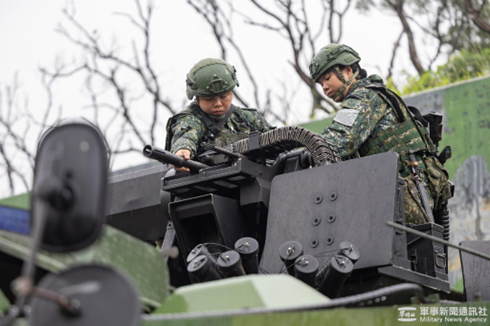
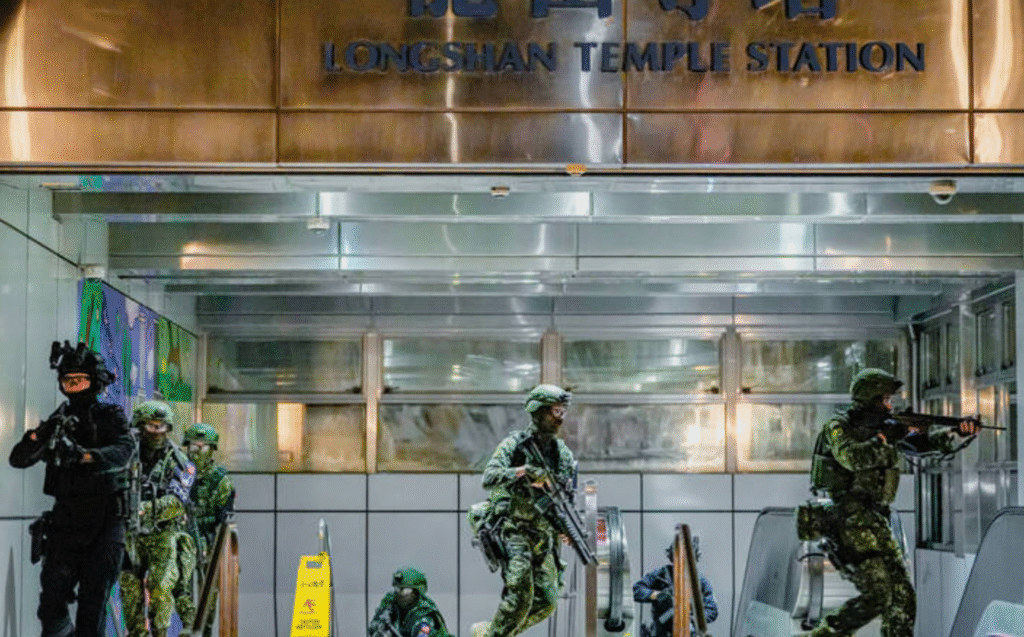
Taiwanโ€™s military police were also busy this week as some units completed a four-day, three-night training exercise in the capital, Taipei. The drills tested defenses in both urban and mountainous environments, close-quarters battle (CQB), and counter-drone tactics.

Units from the 211th, 229th, and 332nd Battalions operated under the Military Policeโ€™s 202nd Command. The 211th Battalion, or โ€œIron Guard Battalion,โ€ is responsible for guarding the Presidential Office and other key heads of state in downtown Taipei. Images show military personnel conducting CQB and seizing key positions as they exit Taiwanโ€™s subway system. Other scenarios also included simulated artillery, gas, and drone attacks, forcing troops to shift constantly between underground and surface operations.

During last yearโ€™s annual Han Kuang military exercises, ROCMP troops made headlines as they were filmed using the subway system to transport Stinger and Javelin missiles across the city. The MND says the Military Police play an important role in the countryโ€™s defense, as they would be responsible for protecting key infrastructure from sabotage, terrorism, and other internal attacks.  
TPP Agrees on Initial Passing of Supplemental Budget 

After weeks of back and forth, Taiwanโ€™s Legislative Yuan (LY) has voted to send the Taiwan People’s Party’s (TPP) proposed โ€œnational security and asymmetric warfare procurement billโ€ to committee review.

Originally, the ruling Democratic Progressive Party (DPP) proposed a special supplementary defense budget of roughly US$40 billion, comprising eight major categories of spending. You can find a complete breakdown here. 

The TPPโ€™s alternative proposal lists five line items and caps annual spending at US$12.6 billion, approximately one-third of the MNDโ€™s original request. The TPPโ€™s proposal keeps 5 cases, including additionalย  HIMARS, 60 Paladin self-propelled howitzers, Javelin anti-armor missiles, TOW anti-armor missiles, and ALTIUS loitering munitions. However, the proposal omits Tactical Mission Network software, AH-1W helicopter parts, and Harpoon missile support. Additional funding for production agreements with local arms industries, including the procurement of 200,000 drones and the T-Dome multilayered air defense system, has also been cut.ย 

Taiwanโ€™s MND says the TPPโ€™s proposal lacks supporting measures, and without proper funding, weapon systems and defense procurement would be harder to implement and may have serious long-term repercussions.
Justice Missionโ€“2025: The Narrative Battle Inside Chinaโ€™s Latest Taiwan Exercise

Author: Jonathan Walberg


When the Peopleโ€™s Liberation Armyโ€™s Eastern Theater Command launched its Justice Missionโ€“2025 exercises around Taiwan on December 29th, the visible indicators were familiar: joint air and naval maneuvers,[1] expanded operating zones, and calibrated signaling toward Taipei and external actors.[2] What distinguished this iteration was not just the scale or geometry of the activity, but the depth and coherence of the narrative campaign that unfolded alongside it.

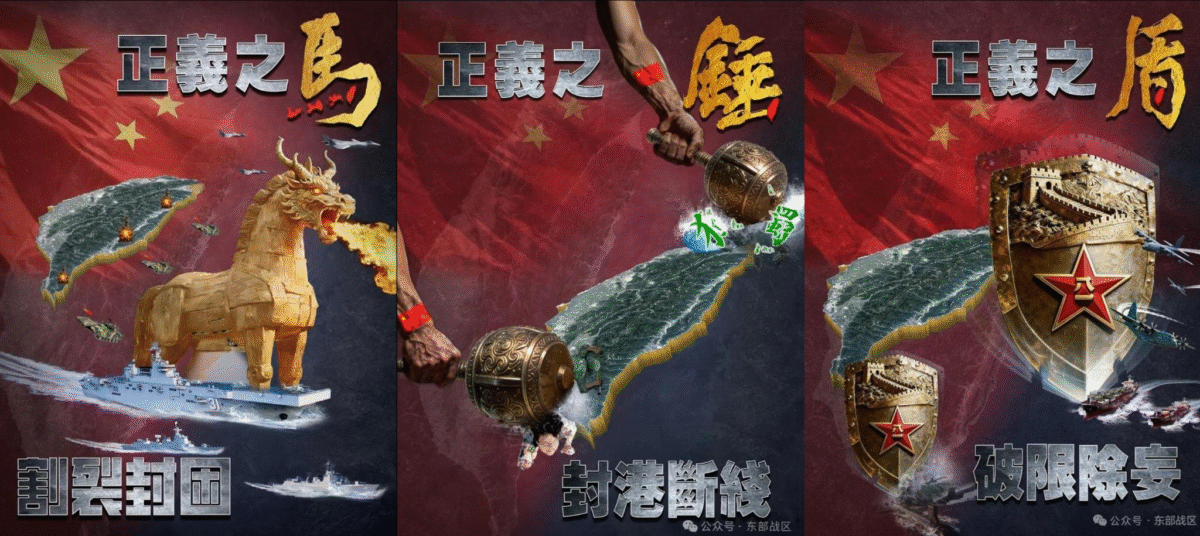
Rather than treating messaging as post hoc propaganda, Beijing used Justice Missionโ€“2025 to actively storyboard a theory of coercion in real time. A coordinated series of posters released through PLA and affiliated channels visually depicted how Beijing intends to punish pro-independence forces; why such punishment is legitimate, and why resistance is futile. In the days immediately following the exercise, Taiwan Affairs Office (TAO) press conferences reinforced and formalized those same narrative frames through authoritative political language.

Taken together, the posters and follow-on statements show how China increasingly integrates narrative warfare with military signaling to shape Taiwanese and American expectations about legitimacy, inevitability, escalation, and identity.

Justice as the Organizing Frame of the Exercise

The narrative architecture of Justice Missionโ€“2025 begins with the exercise name itself: โ€œJustice Missionโ€“2025โ€ (ๆญฃไน‰ไฝฟๅ‘ฝโ€“2025). The term zhengyi (justice or righteousness) is used to morally pre-legitimize the operation. The exercise is framed not as discretionary pressure or political signaling, but as enforcement of an already rightful order. Beijingโ€™s message is that the mission is โ€œjustice,โ€ and resistance is implicitly illegitimate.

The narrative architecture of Justice Missionโ€“2025 begins with the exercise name itself: โ€œJustice Missionโ€“2025โ€ (ๆญฃไน‰ไฝฟๅ‘ฝโ€“2025). The term zhengyi (justice or righteousness) is used to morally pre-legitimize the operation. The exercise is framed not as discretionary pressure or political signaling, but as enforcement of an already rightful order. Beijingโ€™s message is that the mission is โ€œjustice,โ€ and resistance is implicitly illegitimate.

This framing was reinforced with a reiteration of messaging on โ€œHow to Curb โ€˜Independence.โ€ The phrasing is revealing. Instead of depicting a political dispute between two actors, the problem is framed as a technical control challenge: how to suppress or restrain a condition. โ€œIndependenceโ€ becomes something mechanical to be constrained rather than a societal preference or political identity. Taiwan itself is rendered visually as an objectโ€”cut by cables, fractured into segments, encircled by forcesโ€”reinforcing a systems-control worldview rather than a political one.

The TAO immediately echoed this framing after the exercise. Responding directly to Justice Missionโ€“2025, a spokesperson described the PLAโ€™s actions as โ€œa necessary and just measure to safeguard national sovereignty and territorial integrityโ€ and โ€œa stern warningโ€ to โ€œTaiwan independenceโ€ and โ€œexternal interference.โ€[4] The political language locks in the moral logic embedded in the posters: coercion is corrective, not escalatory.

Shield and Sword: Encoding Enforcement Logic

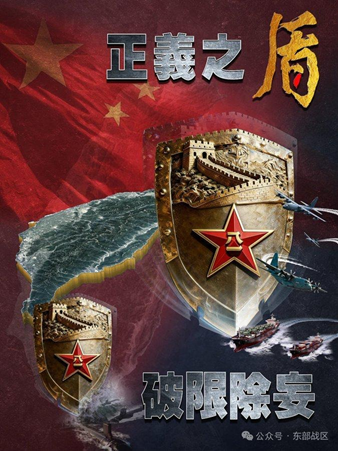
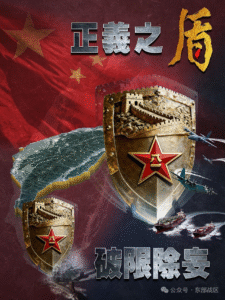
Several of the exercise posters establish a clear moral dualism between protection and punishment. โ€œShield of Justiceโ€ (ๆญฃไน‰ไน‹็›พ) depicts PLA symbolism forming a protective barrier over Taiwan, visually communicating that China is acting as a stabilizing force safeguarding rightful order.[5] This poster also features a shield bearing the Great Wall of China forcing American C-130s to turn away from Taiwan. The messaging here is clear: To the people of Taiwan, America wonโ€™t be able to come to your aid. To Washington, your efforts to intervene in a contingency will be futile compared to the โ€˜great powerโ€™ of China, as shown through the symbolism of the Great Wall.

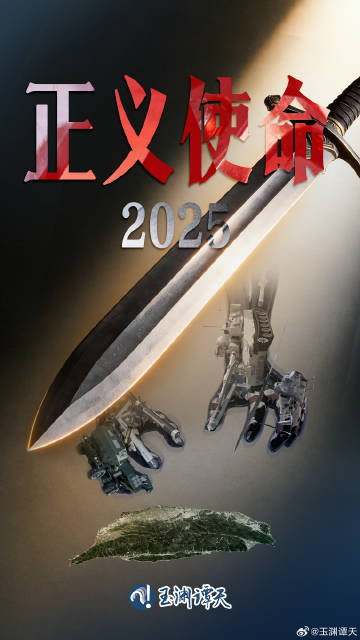
Building off of this messaging is another poster titled โ€œSword of Justiceโ€ (ๆญฃไน‰ไน‹ๅ‰‘), which depicts a blade striking downward into the island.[6] Justice is not passive; it enforces compliance. Punishment is portrayed as morally righteous rather than coercive. Together, the shield-and-sword motif communicates a simple conditional logic: alignment brings protection, resistance brings righteous force.

This same logic surfaced in TAO messaging tied to the exercise. Officials accused the Lai administration of โ€œrecklessly colluding with external forces,โ€ โ€œselling out Taiwan,โ€ and pushing the island toward confrontation, while warning that such actions โ€œwill be firmly struck down.โ€[7] The sword imagery becomes political language: punishment is framed as an unavoidable consequence rather than a choice. Another TAO briefing extended the sword narrative outward toward external actors, warning that any country or force that โ€œplays with fire on the Taiwan question will inevitably pay a price,โ€ reinforcing deterrence signaling that accompanied the exerciseโ€™s expanded operational footprint.[8]

Systemic Isolation: Ports, Cables, and Everyday Vulnerability

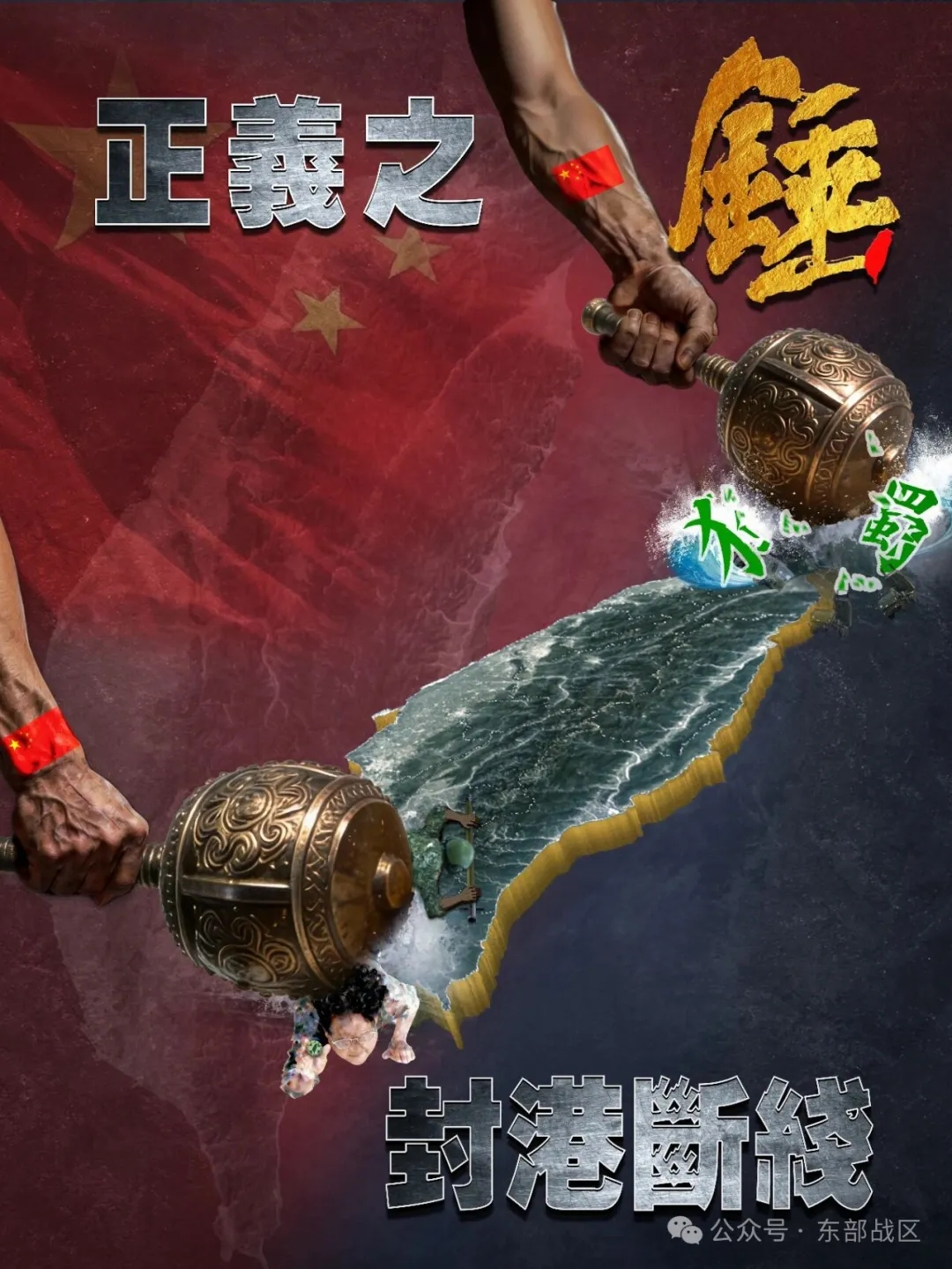
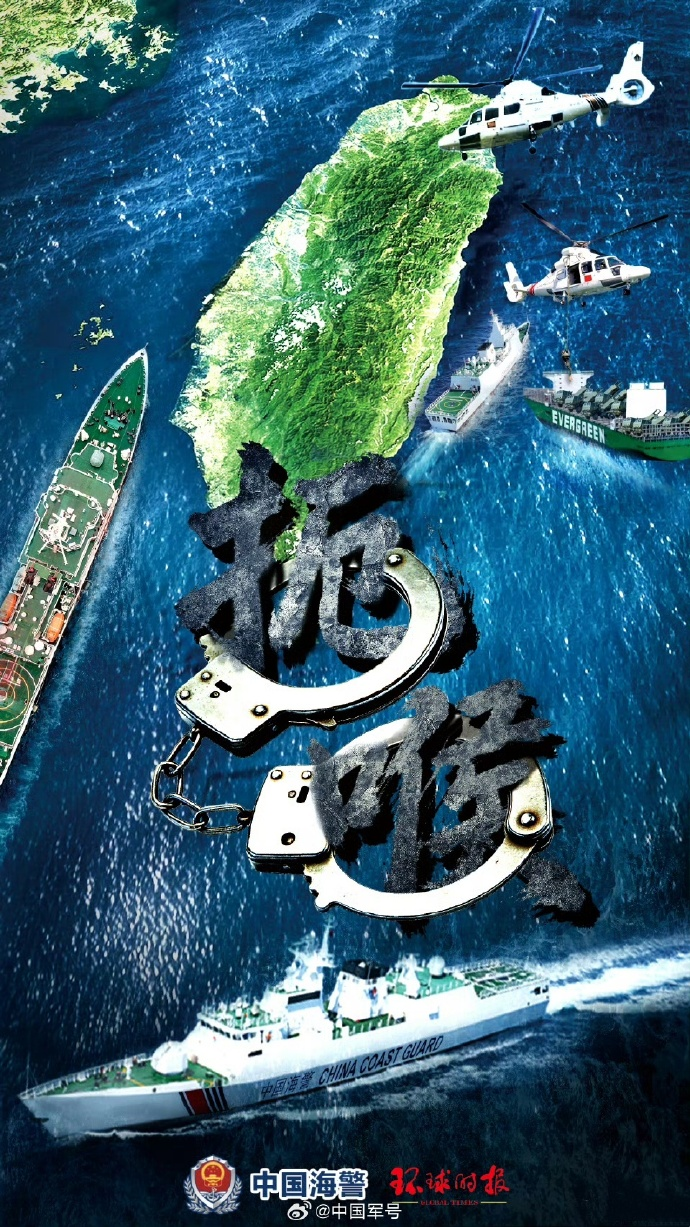
One of the most analytically important themes of the Justice Missionโ€“2025 posters is the emphasis on systemic isolation rather than battlefield confrontation. โ€œSeal Ports, Cut Linesโ€ (ๅฐๆธฏๆ–ญ็บฟ) depicts hammers crushing Taiwan in the North and South, and maritime access constrained.[9] Another poster shows handcuffs on the island, and Chinese Coast Guard vessels โ€œchoking offโ€ Taiwanโ€™s ports.[10] In this messaging, Taiwanโ€™s vulnerability is framed not primarily in terms of military defeat, but in terms of disrupted connectivity: data flows, trade routes, energy supply, logistics, and digital lifelines.

This logic is paired with a carefully calibrated assurance. The posters and TAO statements consistently distinguish between โ€œTaiwan independence forcesโ€ and the broader population, framing coercion as corrective rather than collective. This is a classic coercive move: threats are made credible by being conditional, while reassurance is offered to those willing to disengage from the targeted behavior. The message is not that Taiwan as a society must be destroyed, but that normalcy will return once pro-independence leadership is rejected.

This imagery subtly shifts the imagined battlespace away from amphibious invasion toward persistent, incremental coercion applied against civilian infrastructure and economic normalcy. The message is that pressure can be sustained below traditional thresholds of war while still imposing cumulative strategic effects.

Post-exercise TAO messaging reinforced this normalization logic through law-enforcement framing. In a briefing addressing mainland China Coast Guard activity near Kinmen, the spokesperson asserted that there are โ€œfundamentally no such things as so-called โ€˜restricted watersโ€™โ€ and that patrols are conducted โ€œin accordance with the lawโ€ to maintain navigation order and protect fishermen.[11] Maritime pressure is reframed as routine governance rather than escalation.

This political framing directly complements posters featuring handcuffs and Coast Guard imagery. Together, they normalize gray-zone pressure as administrative control rather than crisis behavior, as well as push the norm of Chinese ships being able to interdict vessels heading to Taiwanโ€™s ports.[12]

Deter Externally, Contain Internally: Managing Escalation

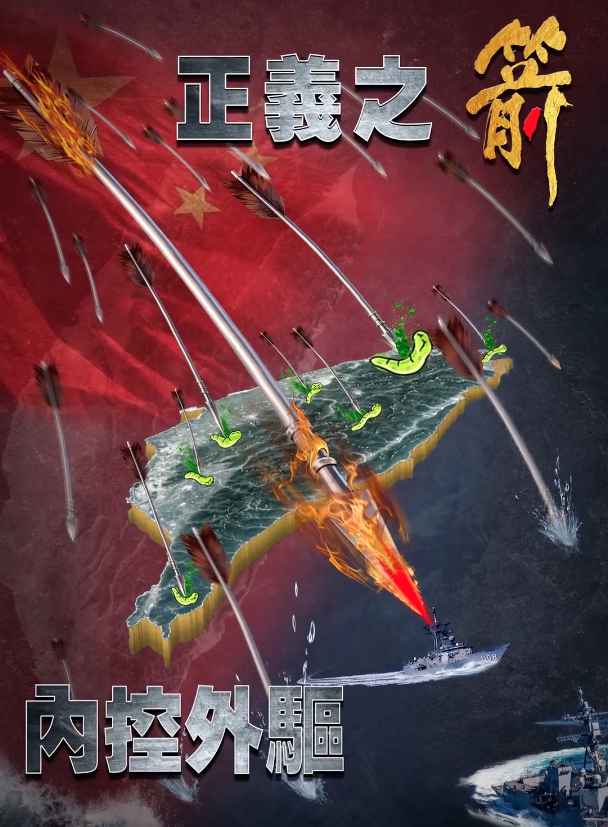
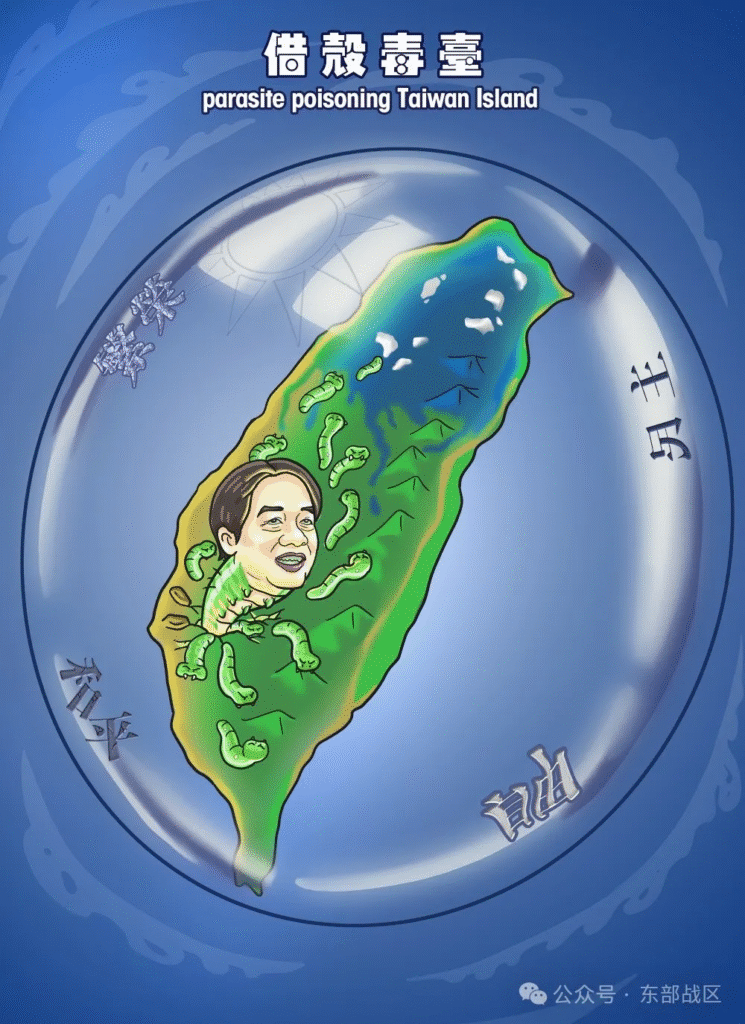
Another poster cluster encodes escalation management logic. โ€œCounter External Influenceโ€ (ๅๆŽงๅค–่ฐƒ) sits above a set of arrows in flight at Taiwan, implicitly threatening the Taiwanese people.[13] The arrows are piercing green worms, a reference to an earlier 2025 poster displaying Taiwan President Lai Ching-te as a green worm.[14] The imagery reflects not operational anti-access in the narrow military sense, but a narrative adaptation of anti-access logic. Rather than depicting missiles denying airspace or sinking ships, the posters show arrows striking Taiwan itself, signaling that foreign involvement will translate into intensified pressure on the island. The intended audience is therefore not primarily external militaries, but Taiwanese observers being warned that outside intervention will not insulate them from coercion. In this sense, the messaging exploits both Taiwanese vulnerability and U.S. preoccupation with anti-access scenarios, emphasizing political consequences over operational mechanisms.

Language from the TAO tied directly to Justice Missionโ€“2025 reinforced this precise logic. Officials emphasized that the PLAโ€™s actions target โ€œseparatist activities and external interferenceโ€”not the people of Taiwan,โ€ while urging Taiwanese citizens to recognize the danger of their leadershipโ€™s course and oppose independence.[15] The narrative pressures Taiwan internally while attempting to reduce reputational costs externally.

Precision and Exposure: Targeting Critical Nodes

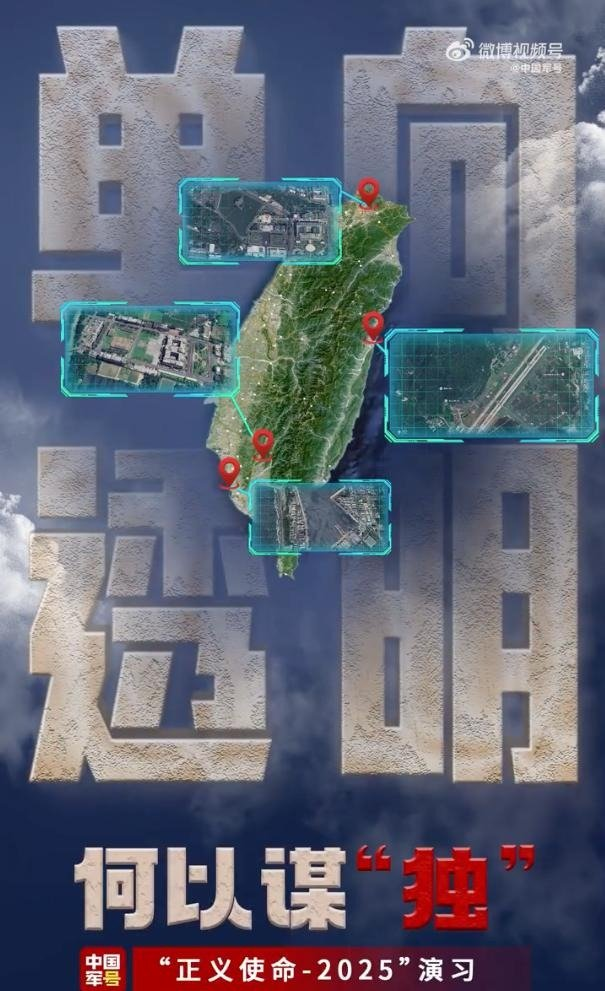
Several posters emphasize surveillance and precision dominance. โ€œLock the islandโ€ (้”ๅฒ›) overlays Taiwan with targeting graphics and highlighted infrastructure nodes. Below it, the message of โ€œHow could you possibly pursue โ€˜independenceโ€™?โ€ (ไฝ•ไปฅ่ฐ‹โ€œ็‹ฌโ€ )[16]. The narrative message is omniscience: critical systems are known, mapped, and vulnerable. Coercion is framed as precise and technologically controlled rather than indiscriminate. Beijing intentionally couples its supposed revelation of Taiwanese capabilities in an attempt to puncture the hope the Taiwanese have in their own military. 

This reinforces deterrence through perceived exposure rather than sheer destructive threat. Psychologically, it compresses uncertainty and signals that escalation pathways are already mapped.

Narrative Warfare as Operational Preparation

Justice Missionโ€“2025 demonstrates that China increasingly treats exercises as integrated narrative operations rather than isolated military demonstrations. The posters storyboarded a coercive pathway: justice and legitimacy; suppression of independence; protection and punishment; systemic isolation; escalation control; precision targeting; and administrative normalization. The TAO then formalized that storyboard into authoritative political language.

The objective is not merely intimidation. It is expectation management: normalizing coercion, relocating blame, compressing escalation timelines, and psychologically conditioning audiences toward acceptance of pressure as lawful and inevitable through calibrated threats and assurances that deliberately play to existing fears: Taiwanese fears of isolation and cutoff, accommodationist hopes that restraint will restore normalcy, and external concerns that China can exploit anti-access dynamics to keep interveners out.

For analysts and policymakers, the implication is methodological as well as strategic. Monitoring aircraft counts and maritime tracks alone no longer captures the full signaling environment. Visual messaging, slogan sequencing, and political language now provide early indicators of how Beijing conceptualizes coercive pathways and escalation control.

Justice Missionโ€“2025 illustrates how narrative warfare is being embedded directly into Chinaโ€™s military signaling toolkit, shaping how future coercion will be interpreted long before a crisis unfolds.


[1] https://x.com/TaiwanMonitor/status/2005636702183039129?s=20

[2] https://tsm.schar.gmu.edu/visualization-historical-pla-exercise-zones-2022-2025/

[3] https://x.com/TaiwanMonitor/status/2005431801721094379?s=20

[4] https://tsm.schar.gmu.edu/taiwan-affairs-office-the-plas-military-operations-are-a-solemn-warning-to-taiwan-independence-separatist-forces-and-external-interference-forces/

[5] https://x.com/TaiwanMonitor/status/2005453180860084427?s=20

[6] https://x.com/TaiwanMonitor/status/2005456163249192993?s=20

[7] https://tsm.schar.gmu.edu/taiwan-affairs-office-any-taiwan-independence-separatist-actions-will-never-be-tolerated-and-will-be-met-with-severe-punishment/

[8] https://tsm.schar.gmu.edu/taiwan-affairs-office-any-country-or-force-that-plays-with-fire-on-the-taiwan-question-will-inevitably-pay-a-price/

[9] https://x.com/TaiwanMonitor/status/2005807062735790564?s=20

[10] https://x.com/TaiwanMonitor/status/2005837836851855481?s=20

[11] https://tsm.schar.gmu.edu/taiwan-affairs-office-the-coast-guard-is-conducting-law-enforcement-patrols-in-the-relevant-waters-to-safeguard-the-lives-and-property-of-fishermen-on-both-sides-of-the-taiwan-strait/

[12] https://x.com/TaiwanMonitor/status/2005837836851855481?s=20

[13] https://x.com/TaiwanMonitor/status/2005456163249192993?s=20

[14] https://www.globaltimes.cn/page/202504/1331297.shtml

[15] https://tsm.schar.gmu.edu/taiwan-affairs-office-the-plas-military-operations-are-a-solemn-warning-to-taiwan-independence-separatist-forces-and-external-interference-forces/

[16] https://x.com/TaiwanMonitor/status/2005473337783492633?s=20

Weekly Security Review: 1/26/26

Author: Jaime Ocon

Welcome to the Weekly Security Review, where we highlight key military, security, and political developments around Taiwan in one straightforward summary!

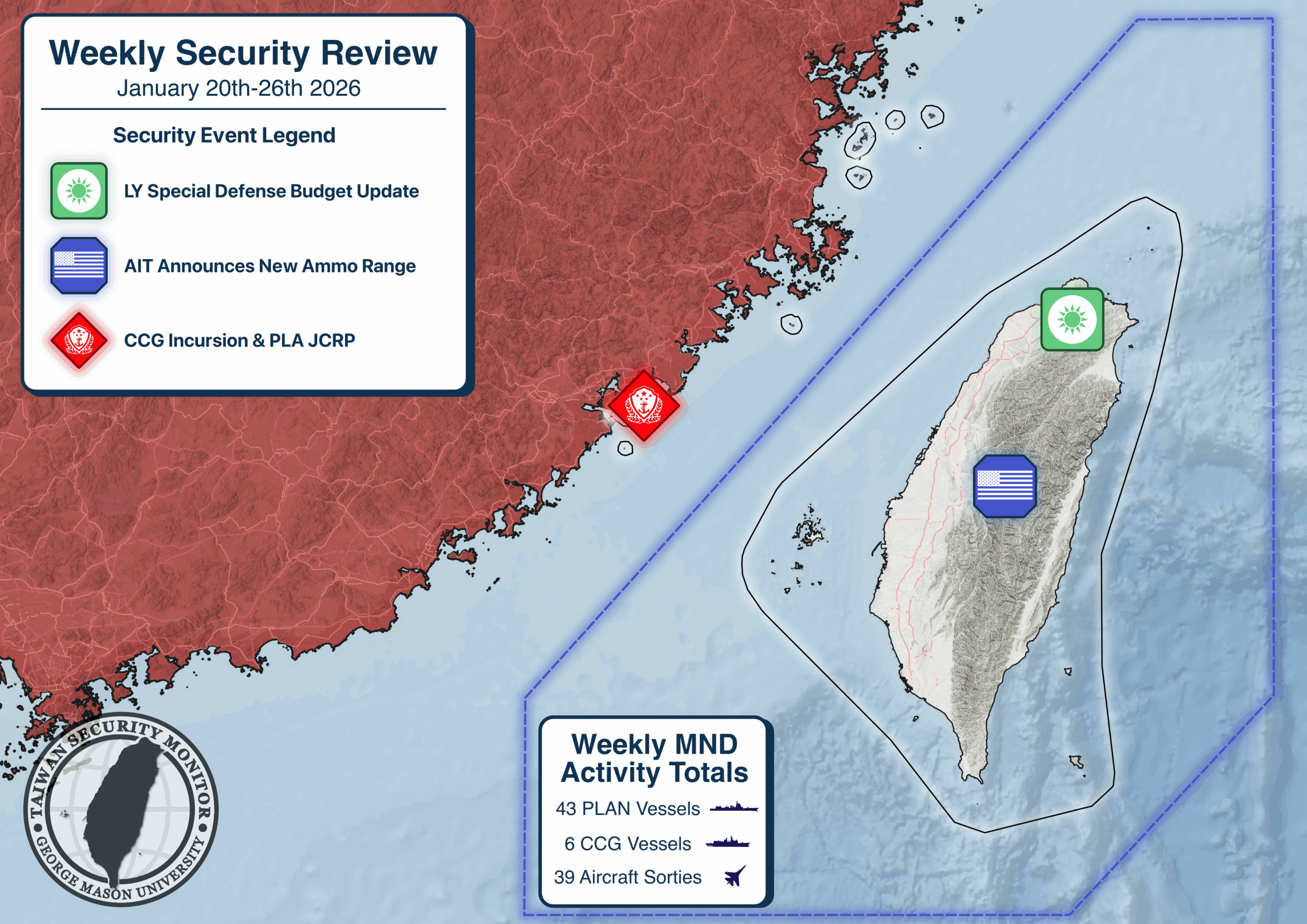
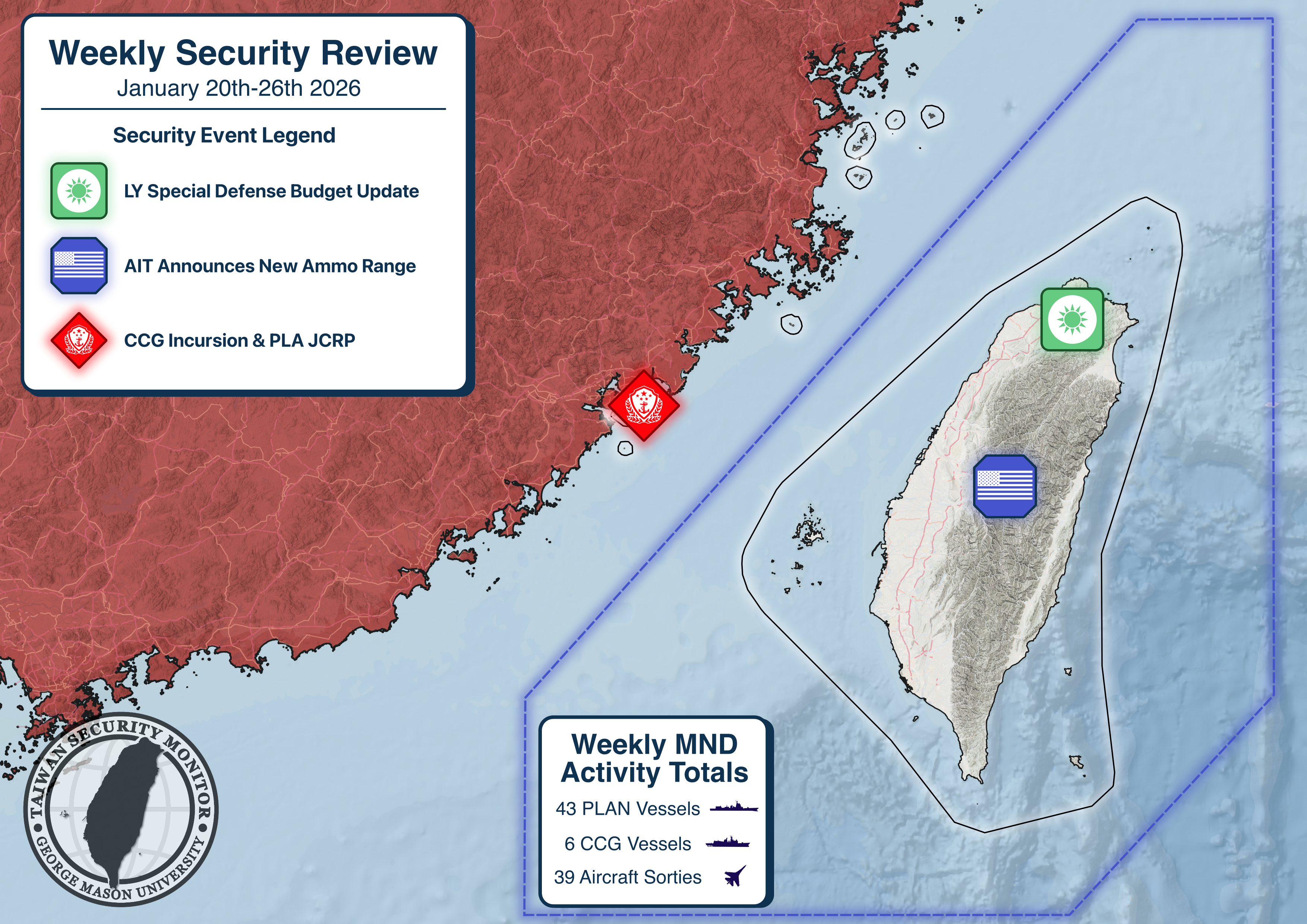
This week, Taiwan unveils details of its record-breaking supplemental defense budget, Washington and Taipei deepen industrial cooperation with a new joint ammunition-testing site, and Chinese forces intensify grey-zone patrols around the country.

Taiwanโ€™s Defense Ministry Discloses Details of Record Supplemental Budget

Taiwanโ€™s Ministry of National Defense (MND) delivered a classified special briefing on the NT$1.25 trillion (US$40 billion) special defense budget to the LYโ€™s Foreign Affairs and National Defense Committee on 19 January. After that briefing, Minister of National Defense Wellington Koo revealed that Taiwan’s military is planning to procure seven categories of weapons systems: precision artillery, long-range strike missiles, air defense and anti-armor missiles, AI-assisted systems, and C5ISR capabilities.

Here is a complete list:

  1. Artillery
    1. M109A7 Paladin Self-Propelled Howitzers: 60 units
    2. Precision Guidance Ammunitionย  Kits: 4,080 rounds
    3. M992A3 Carrier Ammunition Tracked Vehicles: 60 units
    4. M88A2 Recovery Vehicles: 13 units
    5. Howitzer and Associated Equipment
  1. Long-Range Precision Strike Systems
    1. High Mobility Artillery Rocket Systems (HIMARS): 82 launchers
    2. Guided Multiple Launch Rocket System Rocket Pods: 1,203 (756 unitary pods, 447 alternative cluster pods)
    3. Army Tactical Missile System (ATACMS) Missiles: 420
  1. Unmanned Platforms and Counter-UAS Systems
    1. ALTIUS-700M Loitering Munitions: 1,554 units
    2. ALTIUS-600 ISR Systems: 478 units
    3. Various drones: ~200,000 units, including littoral surveillance andย  littoral attack (submersible, bombing, and loitering) types
    4. Unmanned Surface Vessels (USVs): Over 1,000 vessels
    5. Counter-UAS Systems: Various types
  1. Air Defense and Anti-Armor Capabilities
    1. Javelin Anti-Tank missiles: 70 launchers, 1,050 missiles
    2. TOW-2B missiles: 24 launchers, 1,545 missiles
    3. Various Air Defense Missile Systems (including ammunition)
  1. AI Support and C5ISR
    1. AI-Enabled Decision Support Systems
    2. Tactical Network and Rapid Intelligence Sharing Applications
  1. Enhancing Combat Sustainability
    1. Wartime High-Consumption Armament Production Expansion: Establishment or expansion of production lines for ammunition, propellant charges, small-arms primers, new armored vehicle assembly, high-explosives, protective chemical masks, and night-vision devices.
    2. Related Mobile Obstruction Equipment: To enhance battlefield denial capabilities.
    3. Critical Ammunition Procurement: 120mm tank rounds, 105mm tank rounds, 30mm autocannon rounds, 155mm propellant charges, and high-explosives.
  1. Taiwanโ€“U.S. Joint Development and Procurement Cooperation
    1. Acquisition of emerging technology systems to enhance operational resilience and strengthen asymmetric warfare capabilities.

Defense Minister Wellington Koo oversees the first ROCA HIMARS battalion.

The special budget, officially referred to as the Special Act for the Procurement Program to Strengthen Defense Resilience and Asymmetric Capabilities, provides appropriations worth NT$1.25 trillion (US$40 billion) to fund various U.S. weapon systems and equipment. Back in November, Taiwanโ€™s MND and the ruling Democratic Progressive Party (DPP) managed to pass this bill, separate from the general budget, through the Executive Yuan. However, there have been six attempts to pass the finalized act in the LY, all shut down by the opposition Kuomintang (KMT) and Taiwan Peopleโ€™s Party (TPP) due to a lack of oversight and demands that President Lai Ching-te provide more information on the budget’s content. Opposition lawmakers have been quite stern with their demands, declaring that they will not vote on the spending plans until Lai briefs the LY and responds to questions. President Lai continues to label these requests as unconstitutional, citing a 2024 Constitutional Court ruling that declared an opposition-backed legal revision, which would have mandated the President provide real-time responses to lawmakers’ questions, as unlawful.

Minister of National Defense Wellington Koo has already answered questions from the LY, and the MND says the spending plan would help construct a comprehensive defense system to build a โ€œTaiwan Shield.” While a significant portion would be used to pay for U.S. weapon systems, another part of the special budget would introduce advanced technology and AI to accelerate Taiwanโ€™s kill chain. MND officials also stated that it needs those funds to strengthen the domestic defense industry and develop a โ€œnon-redโ€ (non-China-dependent) supply chain.

On top of that, in December, more than $11 billion in U.S. arms and equipment was approved for sale, and it is still unclear whether Taiwan needs these funds to start paying for that package.

If you’re interested in the status of U.S. arms sales to Taiwan, check out our Taiwan Arms Sales Backlog for a complete overview of publicly available data.

ROCMC units use a Javelin system during the Han Kuang exercises in 2025.

AIT, INDSR Announce Joint Medium-Caliber Ammunition Testing and Production Site

The Director of the American Institute in Taiwan (AIT), Raymond Greene, revealed that U.S. defense contractor Northrop Grumman has established a โ€œmedium-caliber ammunition test rangeโ€ in Taiwan. AIT is the de facto embassy in Taiwan and manages all unofficial relationships between the two sides. Director Greene made the announcement at a forum with the Institute for National Defense and Security Research (INDSR), Taiwanโ€™s top security think-tank, on 22 January. The facility would allow Taiwanโ€™s MND to test ammunition in accordance with global industry standards and, through technology transfer and expert training, advance the countryโ€™s indigenous defense research and development projects.

The complete speech is here: https://www.ait.org.tw/speech-by-ait-dir-greene-at-indsr-seminar/

AIT Director, Raymond Greene, speaks at a forum in Taipei.

The announcement is the latest sign of stronger U.S.-Taiwan defense cooperation, as both actors work with Taiwanโ€™s private sector to expand the islandโ€™s domestic defense industrial base. Just last week, the head of the MNDโ€™s Armaments Bureau said Taiwanโ€™s military has already started working with the U.S. to co-produce 155mm howitzer shells. The MND has stated, โ€œIf successful, this will then be expanded to other weapons and munitions.โ€ Other companies, like Anduril, have also announced plans to co-produce low-cost cruise missiles on the island, potentially providing a cheaper, faster way for Taiwan to arm itself.

Various ROC units load ammunition into vehicles and aircraft.

This isn’t the first time Northrop Grumman has invested in Taiwanโ€™s domestic production capabilities; in 2024, it committed to investing US$100 million annually in opportunities for Taiwan to become part of its global supply chain. Northrop Grumman, along with Lockheed Martin and Raytheon, has a long history of supplying Taiwan with weapons and equipment. E-2K Hawkeye early-warning aircraft, APG-83 radar systems for the F-16V fighter jets, and ammunition for 30 mm chain guns mounted on Clouded Leopard armored vehicles are just a few of those systems.

China Sustains Gray-Zone Military and Law Enforcement Operations Around Taiwan

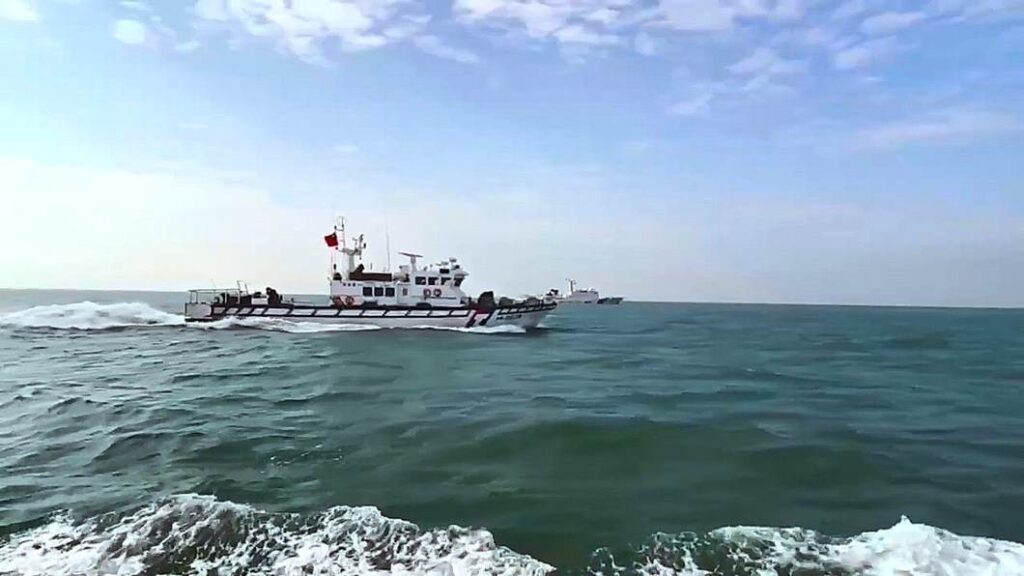
For the 4th time this month, Taiwanโ€™s Coast Guard reported that multiple China Coast Guard vessels entered the restricted waters around Kinmen.

In the morning of 24 January, four Chinese vessels (hull no. 14529, 14605, 14603, and 14533) entered Kinmenโ€™s restricted waters in two-ship formations, one group approaching from the southeast of Liaoluo, the other from south of Lieyu. Taiwan dispatched its own ships and broadcast radio warnings in both Mandarin Chinese and English. Roughly three hours later, the Chinese vessels left the area.

A Taiwanese patrol boat shadows a Chinese Coast Guard ship in the distance near Kinmen.

In an official statement, Taiwanโ€™s Coast Guard Administration (CGA) accused Beijing of repeatedly exploiting false โ€œlaw enforcement patrolsโ€ to justify incursions into Kinmenโ€™s restricted waters. Taiwanโ€™s CGA says Chinaโ€™s maneuvers are โ€œroutine harassmentโ€ that erodes cross-strait stability and threatens regional peace.

Earlier this week, the PLA Air Force (PLAAF) and PLA Navy (PLAN) also stepped up their presence around Taiwan, sending 23 sorties of various types to conduct a Joint Combat Readiness Patrol. The group of planes, which included PLAAF J-10 fighter jets, H-6K bombers, and KJ-500 Early Warning and Command aircraft, was detected breaching Taiwanโ€™s air defense identification zone (ADIZ) at 1040 on 23 January. 17 out of 23 sorties crossed the median line of the Taiwan Strait and entered the northern, central, and southwestern ADIZ.

Taiwan Security Monitor operates a number of real-time trackers. For more information on PLA and CCG movements, you can find them here.

Weekly Security Review: 1/19/26

Author: Jaime Ocon


Welcome to the Weekly Security Review, where we highlight key military, security, and political developments around Taiwan in one straightforward summary!

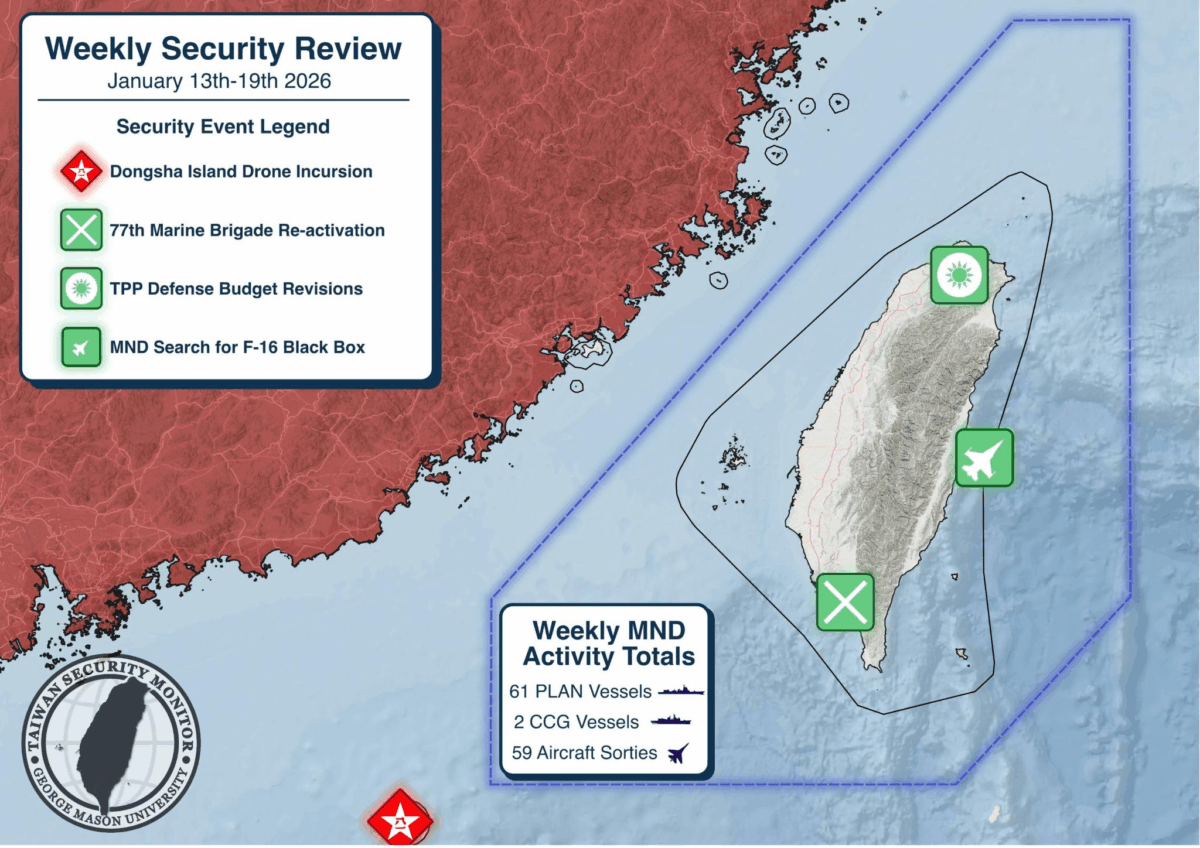
This week, a Chinese drone breaches Taiwanโ€™s airspace for the first time, the Marine Corps brings back a long-dormant unit, an opposition party challenges the governmentโ€™s record defense budget, and investigators scramble to retrieve an F-16โ€™s black box.

PLA Reconnaissance Drone Breaches Taiwanโ€™s Airspace Near Dongsha Island

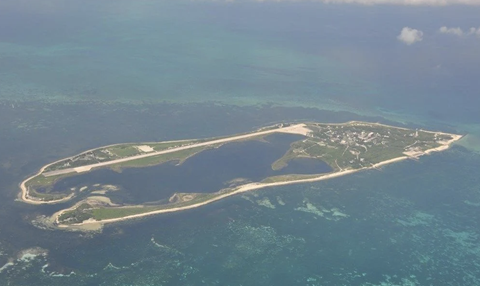
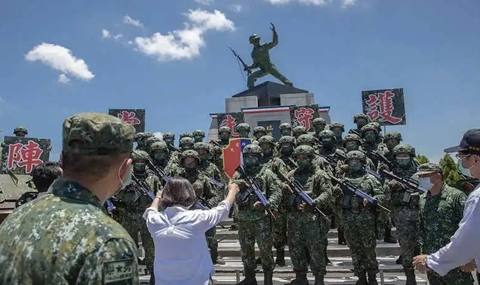
We start this week with some concerning news from Taiwanโ€™s Ministry of National Defense (MND), which reported that a Chinese Peopleโ€™s Liberation Army (PLA) reconnaissance drone breached airspace over Dongsha Island on Saturday, 17 January. This is the first publicly disclosed instance of a PLA air asset breaching Taiwanโ€™s airspace, though notably, Dongsha is an outlying island and farther away in the South China Sea. Taiwanโ€™s military said it issued radio warnings at 0541 when the drone was first detected, but by 0544 the aircraft had already entered the islandโ€™s airspace. By 0548, the drone had left the area after continued radio warnings on international channels. In a statement, Taiwanโ€™s MND says that the PLAโ€™s behavior was โ€œhighly provocative and irresponsible,โ€ adding that it undermined regional peace and violated international law. The PLA Southern Theater Command responded and said the drone was conducting โ€œnormal flight training in the airspace near Chinaโ€™s Dongsha Island,โ€ and that the operation was โ€œentirely justified and lawful.โ€ China and Taiwan both claim Dongsha Island, also known as Pratas Island, as their own, but Taiwan administers the island, where it has built a runway and hosts a small garrison of some 500 marines.

Left: Aerial image of Dongsha Island, Right: Former President Tsai Ing-wen visits marines based in Dongsha

In the same statement mentioned above, the MND said the drone was flying outside the range of the garrisonโ€™s air-defense weapons. This is concerning, but publicly available information shows that these Marines from the 99th Brigade are not heavily armed. These Marines are equipped with 120mm mortars, 40mm anti-air autocannons, dual-mounted Stinger missiles, and Kestrel anti-armor rocket launchers.  Commanders are authorized to fire back at potential enemy troops if communications are cut off from the main island.

However, harassment of Taiwanโ€™s outlying islands, especially Dongsha, is not new. Chinese maritime law enforcement and PLAN vessels are frequently spotted operating in the waters near Taiwanโ€™s claims. Just this past week, on 14 January, Taiwanโ€™s Coast Guard Administration spotted a Chinese Coast Guard ship operating just outside Dongsha Islandโ€™s restricted waters. It was on track to breach restricted waters until Taiwan dispatched two patrol ships, Yunlin and Kaohsiung, to intercept and drive the ships away. Saturdayโ€™s report of a drone breaching Taiwanese airspace, paired with the militaryโ€™s acknowledgment that it lacked the capability to shoot it down, is concerning, to put it mildly. It suggests we may see more incidents like this as Beijing probes for gaps in Taiwanโ€™s defenses and expands its gray-zone playbook.

Taiwan Re-Activates Marine Brigade for Extra Infrastructure Security

Taiwanโ€™s military is mulling reactivating the 77th Marine Brigade, a unit downgraded in 2014 to the current Air Defense and Base Guard Group, with military officials saying it will be modeled on US forces tasked with coastal defense and rapid deployment. The unitโ€™s planned equipment package includes U.S.-standard M4A1 rifles, M4โ€ฏrecoilless rifles for antiโ€‘armor tasks, and manโ€‘portable Stinger missiles. The MND says the emphasis for this group of soldiers is mobility and precision rather than heavy armor capabilities. The brigade is also expected to incorporate layered counterโ€‘drone capabilities, employing both โ€œsoftโ€‘killโ€ electronic warfare and โ€œhardโ€‘killโ€ kinetic defenses. Officials say this decision was made after recognizing the variety of unmanned threats posed by the PLA and as Taiwan continues to modernize its amphibious warfare tactics.

Taiwanโ€™s 99th Marine Brigade conducts combined arms training

Currently, Taiwan has two Marine brigades: the 66th Brigade in the north and the 99th Brigade in the south. According to the MND, the 77th Brigade will oversee the defense of Taiwanโ€™s four principal naval hubs (Zuoying,โ€ฏSuโ€™ao,โ€ฏKeelung, andโ€ฏMagong), along with several coastal missile bases. Officials say the new brigade creates a more flexible, regionally distributed force capable of rapid response and sustained littoral defense against potential PLA incursions.
Recently, the 66th Marine Brigade underwent comprehensive changes, the first being a major transfer from its original base near Tamsui District, New Taipei, to Songshan Airport in Taipei. MND officials said that this redeployment was meant to bolster the security of critical infrastructure within the capital and protect key sites like the MND HQ, Presidential Office, and Legislative Yuan. The brigade is now a strategic reserve force directly under the General Staff Headquarters and will conduct operations alongside the 202nd Military Police Command, also headquartered in Taipei.  Additionally, the Marinesโ€™ M60A3 tank battalion and M109A2 self-propelled artillery battalion are also being gradually phased out and converted into a โ€œdrone firepower unitโ€ to establish more sophisticated intelligence, surveillance, and reconnaissance capabilities to supplement long-range strike operations.
I mention these changes to the 66th because Taiwanese defense planners have really tried to figure out what to do with their force of roughly 10,000. I believe more changes are coming as 2026 introduces the โ€œLittoral Commandโ€ for the Navy and as more Haifeng anti-ship missile brigades come online. Letโ€™s see how things go for the 77th.

Soldiers from the 66th Marine Brigade operate a dual-mounted Stinger in Taipei

TPP Proposes Revised Defense Budget (link to original story)

On 15 January, the chairman of the opposition Taiwan Peopleโ€™s Party (TPP), Huang Kuo-chang, said the TPP will propose an alternative special defense budget compared to the one currently drafted by the ruling Democratic Progressive Party (DPP). The announcement comes after Huang returned from a one-day trip to Washington, where he reportedly met with State Department, AIT, and NSC officials.

According to Huang, the TPP is concerned about the lack of clarity in the governmentโ€™s proposed NT$1.25 trillion (US$39.5 billion) special defense budget, especially given the size of the most recent defense package. He claims that U.S. officials โ€œagreedโ€ with him and added that in his proposed bill, a large proportion of the funds would not go toward U.S. arms purchases. Huang says this trip has hardened his stance on the budget, and the TPP will wait for a closed-door briefing from the Ministry of National Defense next week before submitting its own proposal.

Taiwan Peopleโ€™s Party (TPP), Huang Kuo-chang gives a briefing in Taipei on a possible U.S. arms sale.

This comes as the TPP and Kuomintang (KMT) have worked to block the special budget at least six times. The DPP says their budget would be used to finance the next wave of military modernization and help pay for a series of recent U.S. arms packages worth more than $11 billion. The MND says that โ€œat least fourโ€ U.S. arms packages will be notified to Congress in the near future, which puts even more pressure on the Lai administration to find a way to pay for these systems and equipment.

Military Deploys Retrieval Team to Recover Black Box from Crashed F-16

The Air Force says it has pinpointed the location of the black box from an F-16 that crashed last week during a routine nighttime training exercise. Search and rescue operations are still ongoing for the pilot, and the aircraft has yet to be located.

Earlier this week, Air Force personnel detected small, intermittent signals coming from the flight recorder near the crash site. The MND is now seeking assistance from Singaporean and Japanese salvage companies for the retrieval mission, as Taiwan lacks the capacity to conduct deep-sea salvage operations.

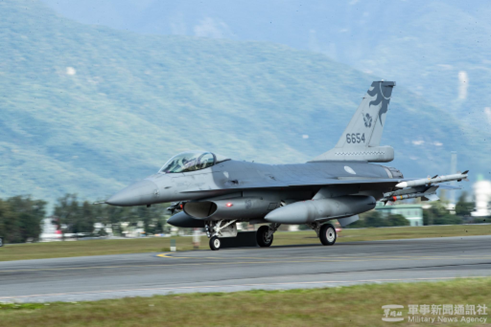
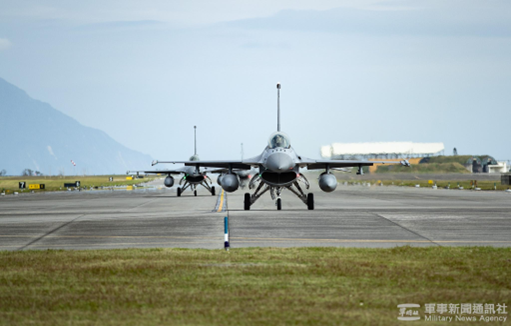
In response to the crash, Taiwan grounded its entire fleet of F-16s for inspection as part of the overall investigation into the crash. The aircraft have since returned to service, and the MND posted these photos of the first flight operations after the incident.

ROCAF F-16โ€™s prepare for takeoff at Hualien Air Force Base.

Taiwanโ€™s Response to “Justice Mission-2025”

Author: Jaime Ocon


Taiwanโ€™s response to Chinaโ€™s โ€œJustice Mission-2025โ€ was less about matching PLA moves and more about controlling the narrative and information environment. Taiwanโ€™s Ministry of National Defense (MND), Coast Guard Administration (CGA), and Presidential Office moved quickly to reassure the public by framing the drills as coercive and to signal readiness through press conferences and real-time activity updates. Taiwan also tried to preempt Beijingโ€™s psychological operations by debunking blockade claims, clarifying live-fire and warning-system protocols, and pushing back on rumors of territorial air/sea space intrusions, drones, reservist mobilization, and air and maritime safety.

Initial Responses from the Defense Ministry

On December 29, after the PLA Eastern Theater Command had announced live-fire drills, and as PLAN assets had already begun moving into position, Taiwanโ€™s MND reported at 0950 that the ETC was conducting live-fire exercises in the waters and airspace around the Taiwan Strait.

The MND stated that in the days leading up to the drills announcement, the PLA was continuously carrying out military harassment and cognitive operations around Taiwan and the Indoโ€‘Pacific, heightening regional tensions. These operations included China Coast Guard (CCG) ships breaching restricted waters in the outlying islands of Kinmen and PLA UAVs wrapping around the southern portion of Taiwanโ€™s mainland.

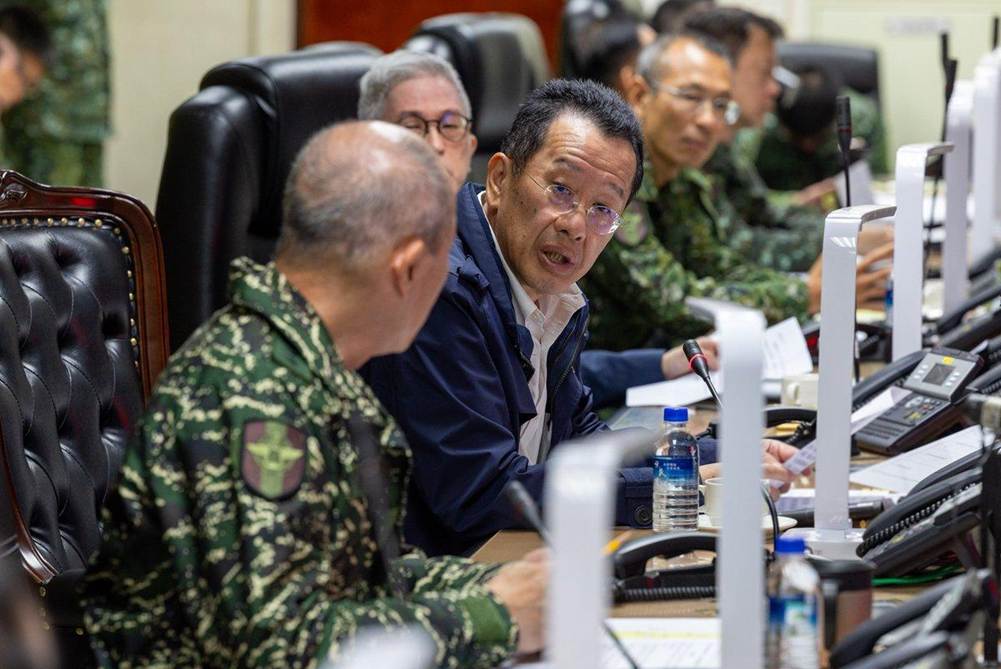
Defense Minister Wellington Koo speaks with members of the Joint Chiefs of Staff

In response to the exercises, Taiwanโ€™s military raised its alert level, directing all personnel to maintain a โ€œhigh level of vigilance,โ€ remain fully prepared, and โ€œact to safeguard national sovereignty and the security of the homeland.โ€ The MND established an emergency operations center to implement rules of engagement and authorization procedures at strategic, operational, and tactical levels to monitor and, if necessary, intercept PLA activity. It was also announced that Taiwanโ€™s armed forces would conduct โ€œimmediate combat exercisesโ€ across the country for an unspecified period.

Local media reported that Mirage-2000 fighter jets had scrambled from Hsinchu Air Base shortly thereafter, and that the MND repositioned additional assets, including F-CK-1s, F-16s, and P-3C aircraft, to Hualien Air Base. A portion of Taiwanโ€™s F-16s were ordered to maintain a high state of readiness and were equipped with AGM-84 Harpoon anti-ship missiles.

Taiwanโ€™s Coast Guard

Shortly after the ETC announced Justice Mission-2025, Taiwanโ€™s CGA detected four Chinese Coast Guard (CCG) vessels approaching Taiwanโ€™s northern and eastern waters. PLA Navy (PLAN) surface combatants were also dispatched to maritime exercise zones announced by the PLA. In response, the CGA deployed its own patrol vessels and established an emergency response center to work jointly with the MND on information sharing and countermeasures.

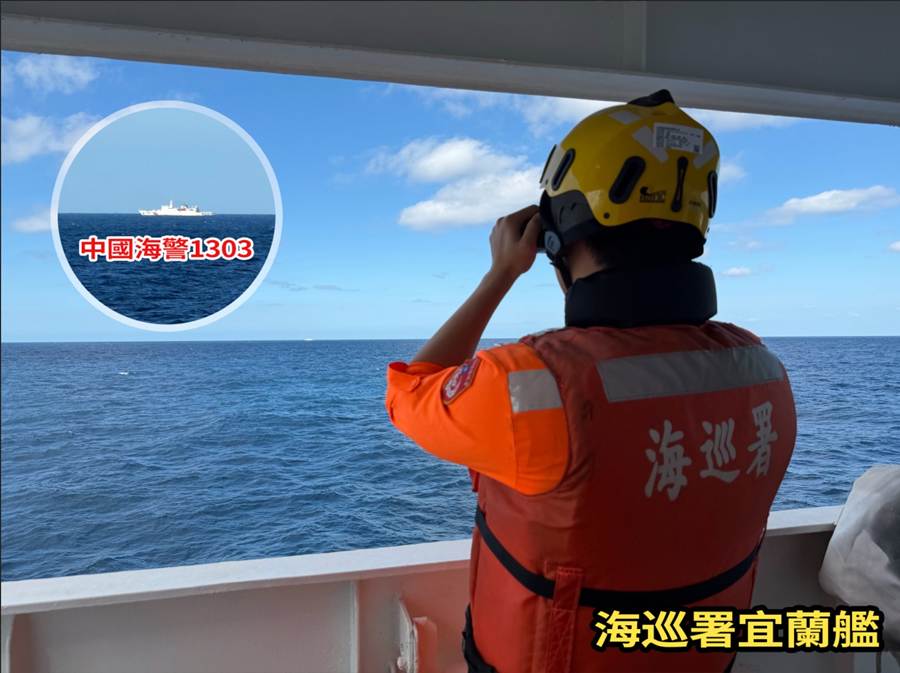
Taiwan CG ship โ€œYilanโ€ shadows Chinese Coast Guard Vessel 1303 in the distance.

Presidential Office

While the MND and CGA mobilized their operational response, Taiwanโ€™s Presidential Office condemned the drills, calling them a โ€œdirect challenge to international law and order and a violation of international normsโ€.

In the statement, Taiwanโ€™s Presidential Office said Beijing is using military intimidation to threaten neighboring countries and risks becoming a troublemaker that undermines regional peace. Taiwan continued urging China to act rationally, exercise selfโ€‘restraint, avoid misjudgment, and immediately halt irresponsible provocations.

First Images

The first images of CCG vessels came from Taiwanโ€™s CGA, as CGA vessel Yilan intercepted CCG vessel 1303 approximately 23 nautical miles northwest of the Pengjia Islets. Another CGA vessel, the Taoyuan, trailed CCG 1306 just 30 nautical miles from Hualien, off Taiwanโ€™s east coast. Linked here is a video of the reported activity and radio warnings from Taiwan.

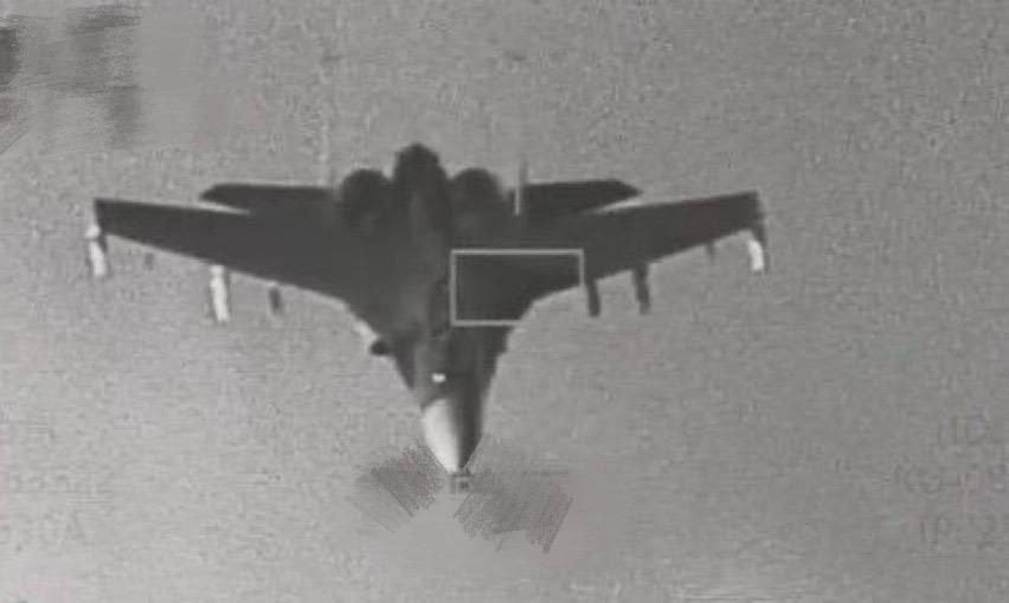
Taiwanese F-16s also captured images of various PLA aircraft operating around Taiwan.

Taiwanโ€™s MND Holds Day 1 Press Conference

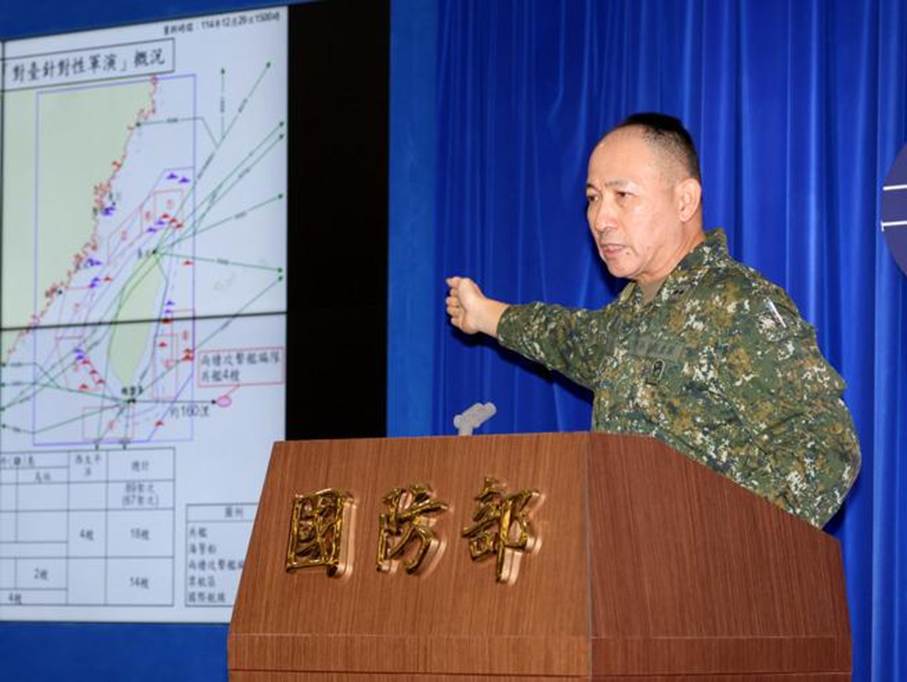
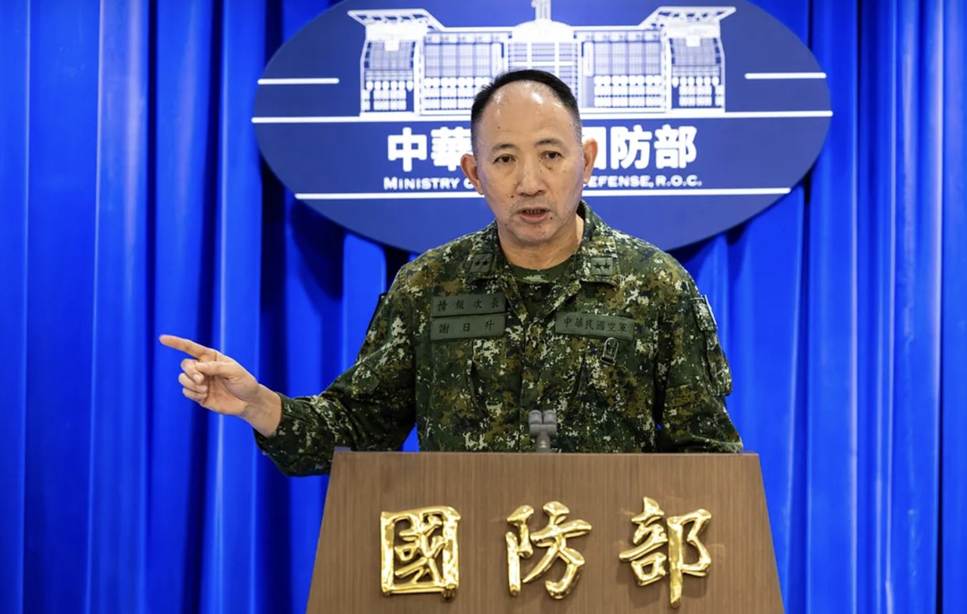
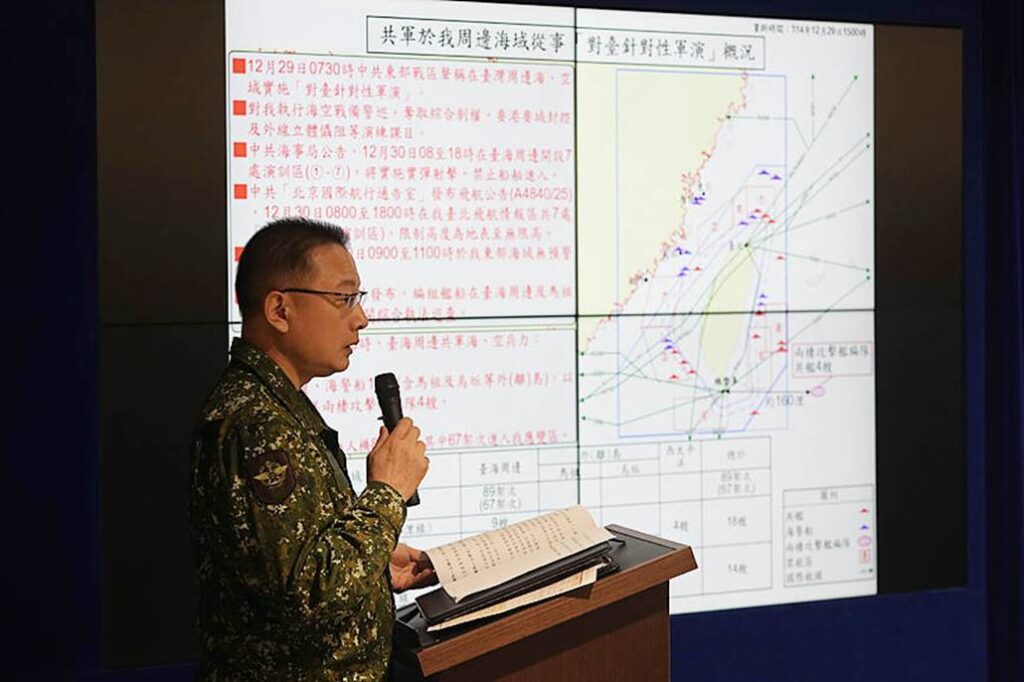
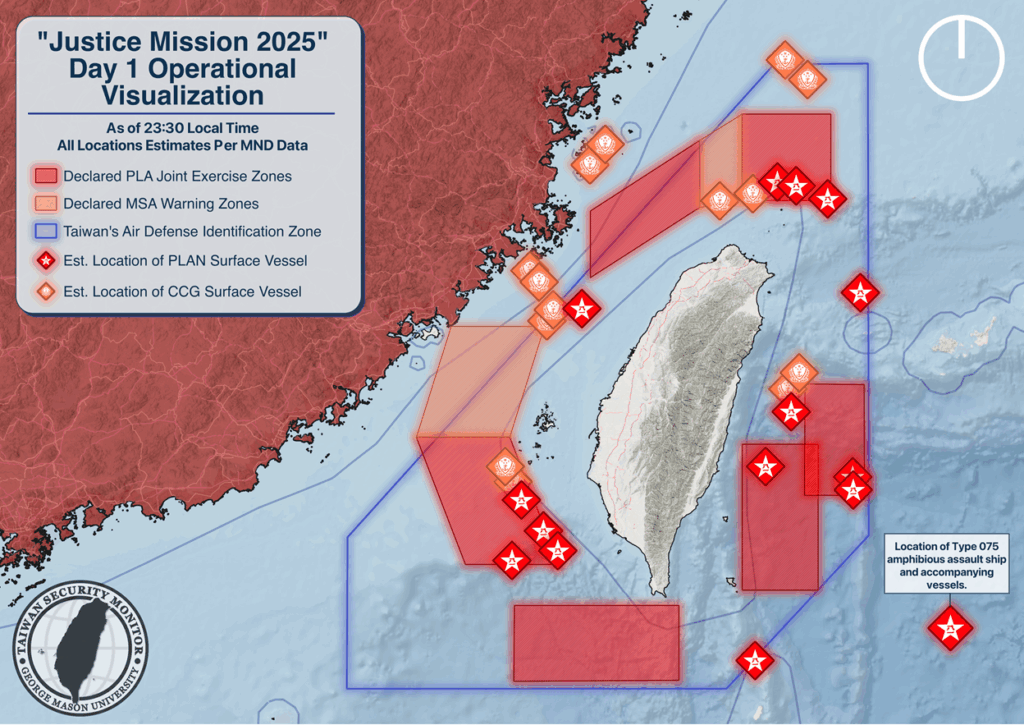
At 1630 on December 29, Taiwanโ€™s MND held an emergency press conference to provide more information on the scale and specifics of Chinaโ€™s large-scale exercise. The MND reported that it identified 89 PLAAF military aircraft and drones operating in the area, 67 of which entered Taiwan’s Air Defense Identification Zone (ADIZ), during the first seven and a half hours of the exercise. It had also tracked 18 PLAN and 14 CCG surface ships operating around Taiwan, along with a Type 075 Amphibious Assault ship and three escort vessels sailing 160 nautical miles southeast of Taiwan.

Taiwan’s MND noted that the announced exercise zones in the south, east near Taitung, west near Penghu, and north all overlapped into Taiwan’s restricted territorial waters. That said, it clarified that no PLAN or CCG vessels had entered the restricted 12 nautical mile barrier. Finally, the MND reported that although the PLA had not conducted live-fire exercises on the first day of Justice Mission-2025, it was tracking the PLAโ€™s Rocket Forces for signs that it might conduct such drills in the coming days.

Taiwanese intelligence officers explain Chinese military movements in a press conference.

Aviation authorities reported that 857 flights and more than 100,000 travelers were affected by Chinaโ€™s exercises. Roughly 74 domestic flights to Kinmen and Matsu were cancelled, affecting about 6,000 passengers. Media questions prompted Taiwan’s military to admit that the transition time between Chinaโ€™s routine training and large-scale exercises has shortened, increasing pressure on the country.

Day 2

Taiwanโ€™s CGA released a statement early on the second day of โ€œJustice Mission-2025โ€ confirming that 14 CCG vessels were still operating near Taiwan and in the restricted maritime zones near Matsu, Kinmen, Wuqiu, and Dongsha (Pratas). The CGA responded by dispatching 14 of its own vessels to designated sectors, pairing each Chinese vessel with a โ€œone-to-one shadowing formationโ€ to monitor and attempt to repel CCG ships.

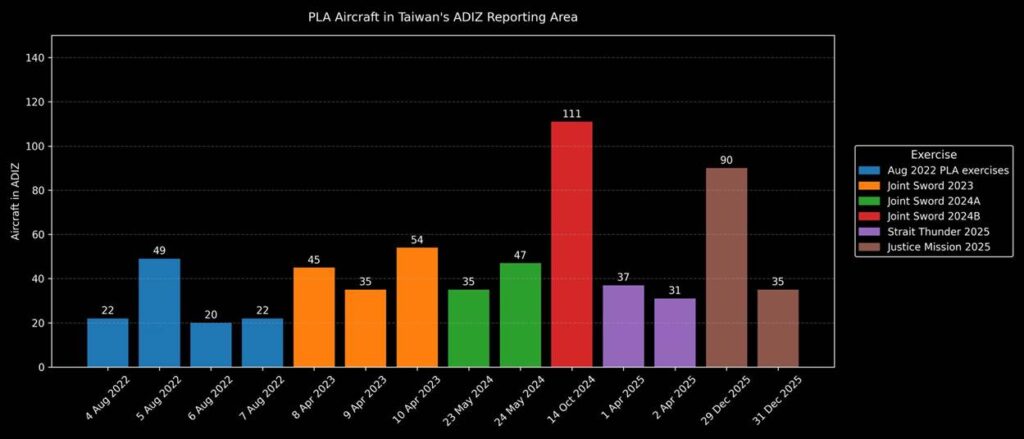
Total PLA activity from the MNDโ€™s daily ADIZ report showed that from 0900 on December 29 to 0900 on December 30, 130 PLA aircraft and 22 naval and coast guard vessels had operated in the region. 90 of these aircraft breached the ADIZ median line, the 2nd most since China conducted its Joint Sword-2024 B exercises in October 2024.

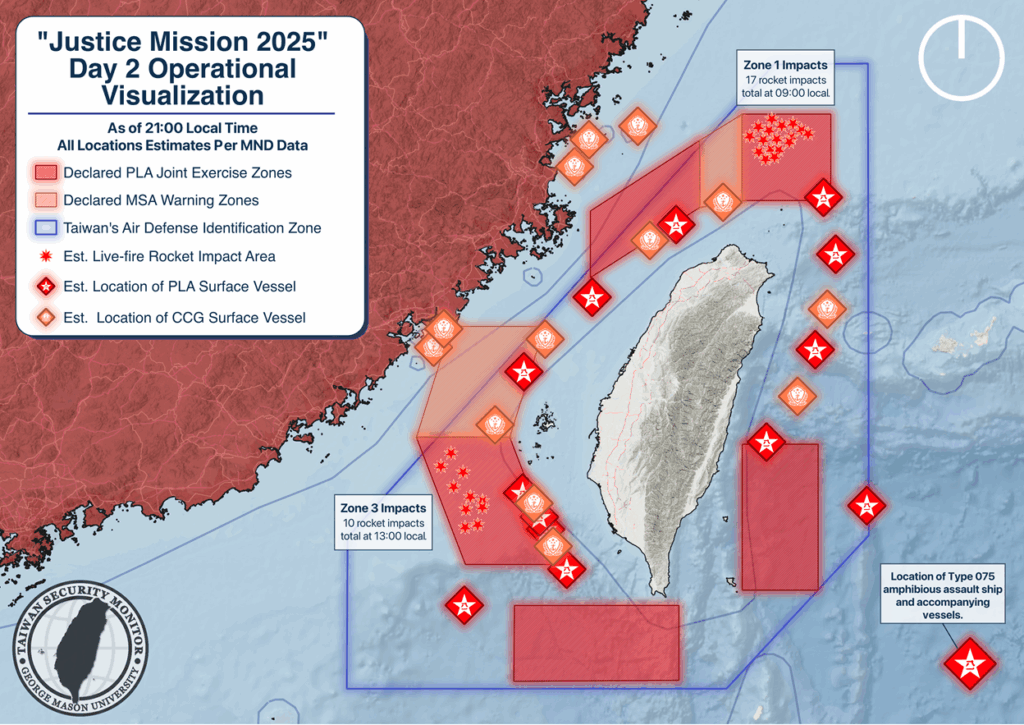
At 1130, the MND reported that approximately two and a half hours earlier, PLA rocket artillery units in Fujian Province conducted live-fire exercises targeting the northernmost exercise zone, with impact zones scattered around Taiwanโ€™s 24-nautical-mile line. Taiwanโ€™s CGA later clarified that 7 PCH-191 rockets were fired into Zones 1 and 2.

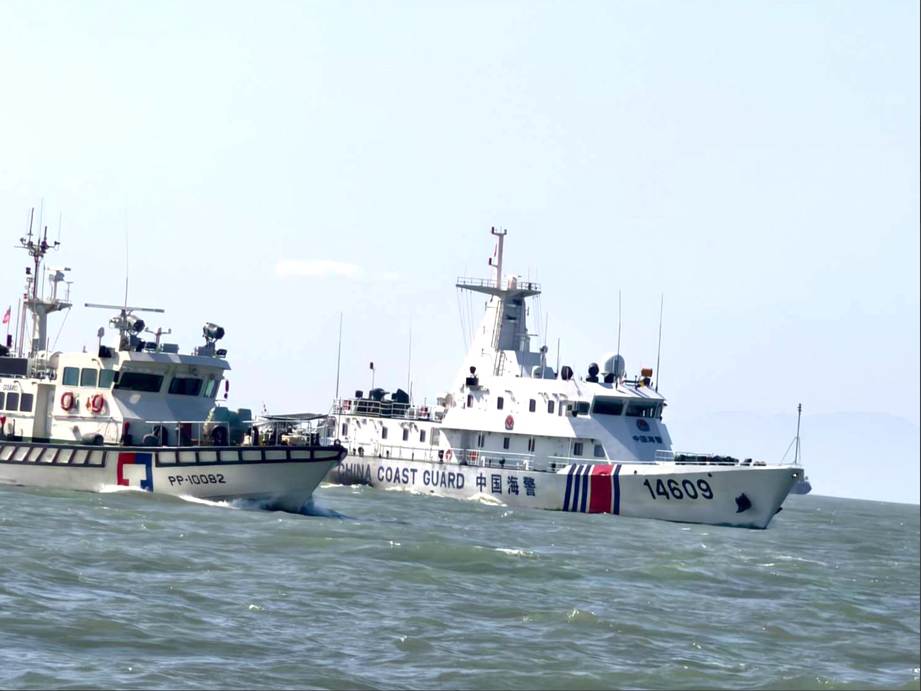
Taiwan and Chinese Coast Guard ships sailing side by side in waters near Matsu.

Taiwanese Minister of National Defense Wellington Koo (Gu Lixiong) reported that the military, under the Presidentโ€™s directive of โ€œno escalation, no provocation,โ€ would stay on standby and continue to monitor and intercept Chinese assets approaching Taiwanโ€™s maritime and air domain. In a press release, Koo also stated he would remain at the Joint Operations Command Center in Taipei with senior officers to maintain full situational awareness and monitor the readiness of reconnaissance, radar, and air defense units. Taiwanโ€™s CGA also released a statement denouncing Chinaโ€™s state mediaโ€™s claim of a blockade of four Taiwanese ports. The CGA flagged this reporting as false information intended to mislead public opinion. It further said that all ships heading towards Taiwanese waters would be intercepted to ensure the border is protected. All normal maritime operations continued as usual.

Taiwanโ€™s President Lai Ching-te released a statement condemning the live-fire drills, stating that โ€œthe country continues to face various forms of harassment and influence operations, emphasizing that Taiwan will not escalate tensions or provoke confrontation but will act responsibly to maintain stabilityโ€. Lai criticized the Chinese Communist Party for its efforts to amplify military pressure, remarking that such behavior is unworthy of a responsible major power.

Taiwanโ€™s MND Holds Day 2 Press Conference

Taiwanโ€™s MND held a second-day press conference on the exercises, reporting that it had detected 27 rocket impacts in zones 1 and 3, 71 PLA aircraft (35 entering Taiwanโ€™s ADIZ), 15 CCG ships, 13 PLA Navy ships, and one amphibious assault group consisting of a Type 075 and three additional vessels as of December 30 at 1500. The MND also stressed that it had not observed the PLA launching Dongfeng missiles; that no PLA or CCG ships entered Taiwanโ€™s territorial waters; and that Chinese operations in the โ€œZone 8โ€ off of Taiwanโ€™s east coast had concluded by noon.

Taiwanese intel officers answer questions from the media on Day 2 of โ€œJustice Mission-2025โ€

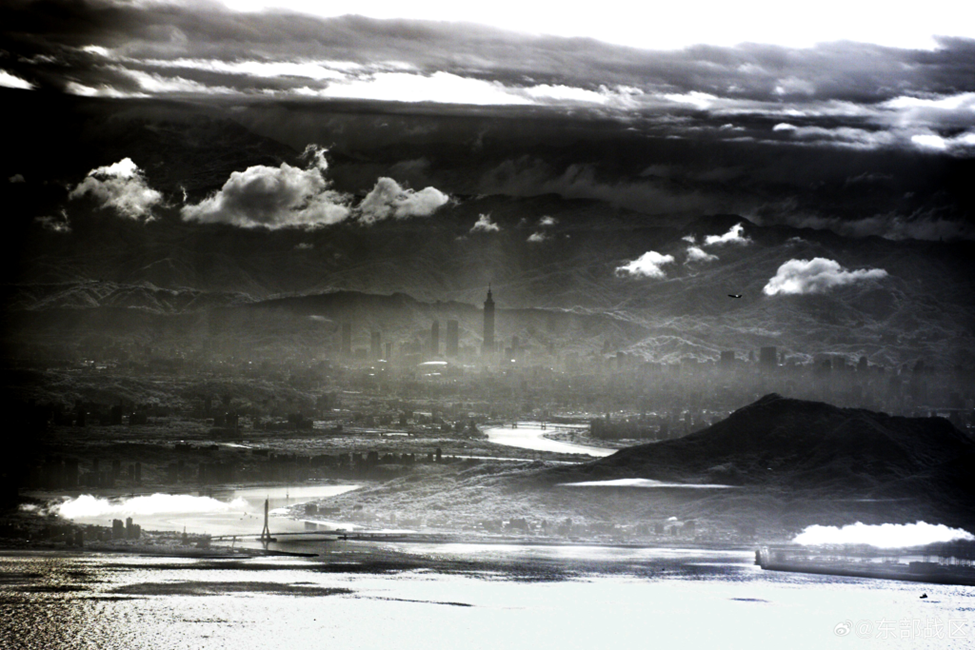
The MND also issued clarifying information regarding the two waves of live-fire rocket launches. The first salvo at 0900 comprised 17 rockets launched from Pingtan, Fujian, which landed about 70 nautical miles northeast of Keelung, outside 24 nautical miles and without overflying Taiwan. PLA units fired a second salvo of 10 rockets from Shishi, Quanzhou at approximately 0100. These rockets splashed down about 50 nautical miles southwest of Tainan. Taiwanโ€™s military also took advantage of the press conference to clarify some grey-zone and psychological warfare concerns. It stated that reports that a Chinese drone breached territorial airspace to photograph Taipei 101 were false, noting that all drones remained outside the 24-nautical-mile limit. The clarification came after โ€‹โ€‹Chinese outlets circulated a detailed photo of Taipeiโ€™s urban landscape and claimed it was taken by a PLA TB-001 drone, prompting online discussion. The military said that, in addition to kinetic activity, Beijing was pairing its exercises with cognitive warfare and invited people interested in photography and video editing to help analyze imagery and counter Chinese disinformation.

An alleged image captured from a Chinese TB-001 showing Taipei 101, claiming to breach Taiwanโ€™s territorial airspace.

Taiwanese reporters also pressed the MND as to whether rocket or missile launches might trigger activation of the national emergency warning system. The MND emphasized that established protocols govern both air alerts and live-fire contingencies: if rockets or missiles pass through Taiwanโ€™s territorial airspace, the JAOC would issue mobile alerts through the Airborne Threat Warning System. If assessments indicate that projected impact areas could endanger Taiwan or Penghu, commanders are authorized to sound air-raid sirens, issue public warnings, and order appropriate countermeasures.

Regarding reports that the MND was activating reservists, the military clarified that immediate combat readiness drills automatically activate air and naval combat units. Only ground units tasked with securing key infrastructure as well as command posts, response centers, and support elements recalled personnel, and only those needed based on preplanned structures and mission needs.

The MND emphasized that since 2022, PLA exercises have integrated cognitive warfare by combining military and non-military means to shape perceptions in Taiwan, among allies, PRC domestic audiences, and third countries with minimal cost. Examples include distributing pre-packaged and heavily edited media alongside military drills to create the illusion that certain exercises are larger than they are. Taiwanโ€™s military reiterated that its joint Intelligence, Surveillance, and Reconnaissance systems had already detected abnormal PLA movements ahead of this drill, allowing preparations before the public announcement. Even after Beijing declares an end to the exercises, Taiwanโ€™s forces would continue monitoring deployments, training patterns, and overall posture to avoid readiness gaps. Chinaโ€™s โ€˜Justice-Mission 2025โ€™ would conclude later that day.

National Security Bureau Conducts Review

On 1/8, about a week after Chinaโ€™s drills, Taiwanโ€™s National Security Bureau (NSB) was called to submit a report to the Legislative Yuan.

Taiwanโ€™s NSB said that China’s exercises around Taiwan were part of a campaign to counter growing international support for the island. NSB officials added that the drills could also have been an attempt to divert attention from Beijing’s economic situation. NSB officials said the drills have a clear political intent: to push back in the international arena against democratic partners’ support for Taiwan. The report also confirmed that the exercises were the most expansive to date in terms of geographic scope. The drills are part of a broader โ€œhybridโ€ pressure campaign combining military intimidation and economic coercion against Taiwan,

Taiwanโ€™s military shows a map of โ€œJustice Mission-2025โ€ military activity

Sentiment Among the Political Parties

Taiwanโ€™s ruling Democratic Progressive Party (DPP) condemned Chinaโ€™s exercises and used the moment to criticize KMT chairwoman Cheng Li-wun (้„ญ้บ—ๆ–‡), accusing her of prioritizing cross-strait political engagement, specifically the prospect of meeting Chinese President Xi Jinping in Beijing, over Taiwanโ€™s security. Cheng argued such a meeting would be โ€œstrategically significant,โ€ but the DPP countered that the KMTโ€™s approach puts relations with Beijing ahead of deterrence and defense readiness.

In a separate statement, Cheng blamed Chinaโ€™s military pressure on what she called the Lai administrationโ€™s โ€œwrong cross-strait policies.โ€ She said the DPPโ€™s confrontational posture was raising security risks while failing to deliver tangible improvements for Taiwanโ€™s forces, including better troop conditions and compensation.

The Taiwan Peopleโ€™s Party (TPP) also condemned the drills, arguing they do nothing to promote regional stability and instead deepen cross-strait tensions. Echoing the DPP and the Presidential Office, TPP officials urged Beijing to halt military activities they said undermine stability in the Taiwan Strait.

Members of Taiwanโ€™s DPP protest the exclusion of a defense budget bill during a Legislative Session.

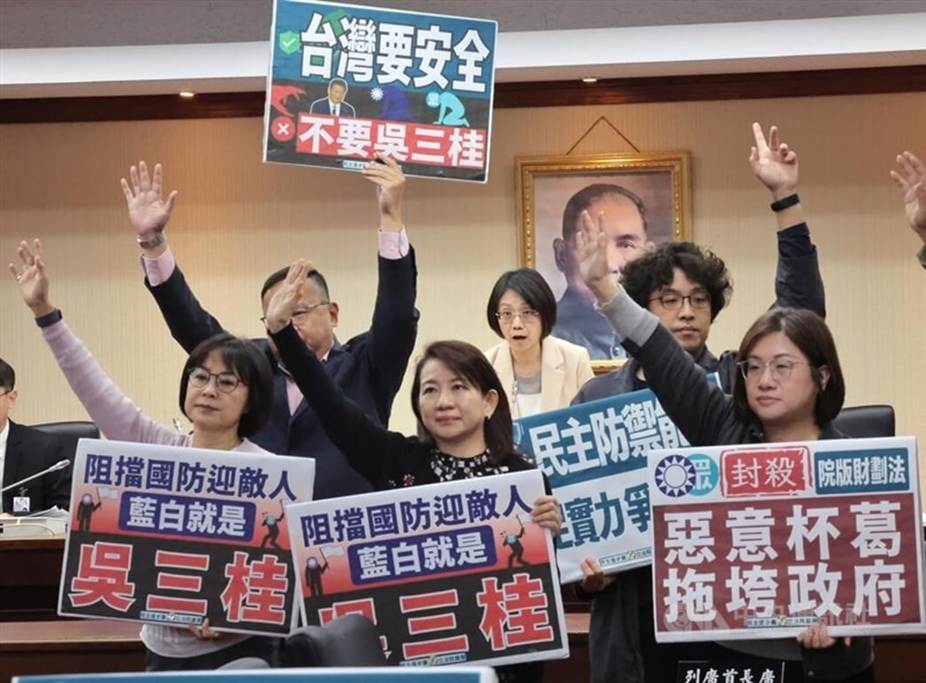
These exchanges are unfolding amid heightened domestic polarization, especially over defense spending. For the fifth time, and during the second day of โ€œJustice Mission 2025,โ€ opposition lawmakers blocked a proposed special defense budget of US$39.8 billion. The DPP argues the package is needed to fund new U.S. weapons, equipment, and training, while the KMT insists President Lai must brief the legislature in person before lawmakers consider the plan, arguing that a short summary is insufficient. The KMT and TPP have also advanced a motion to initiate impeachment proceedings, while the DPP accuses the opposition of using fiscal procedures in an unconstitutional way.

Chinaโ€™s โ€œJustice Mission 2025โ€ drills intensified pressure in an already fraught Taiwan security environment. The exercise, Beijingโ€™s sixth large-scale drill of this kind since 2022, saw dozens of PLAN and PLAAF assets rapidly converge around the island and showcased an increasingly sophisticated rehearsal of Taiwan-focused operations. The key question now is whether these developments will galvanize support for passing Taiwanโ€™s defense budget, or instead strengthen calls to dial back steps seen as likely to provoke Beijing.

Weekly Security Review: 1/12/26

Author: Jaime Ocon

Happy New Year! Welcome to the first Weekly Security Review of 2026, where we highlight key military, security, and political developments around Taiwan in one straightforward summary!

For those of you subscribed to my Defending Taiwan substack, thank you for your continued support โ€” Iโ€™ll be posting here from now on!

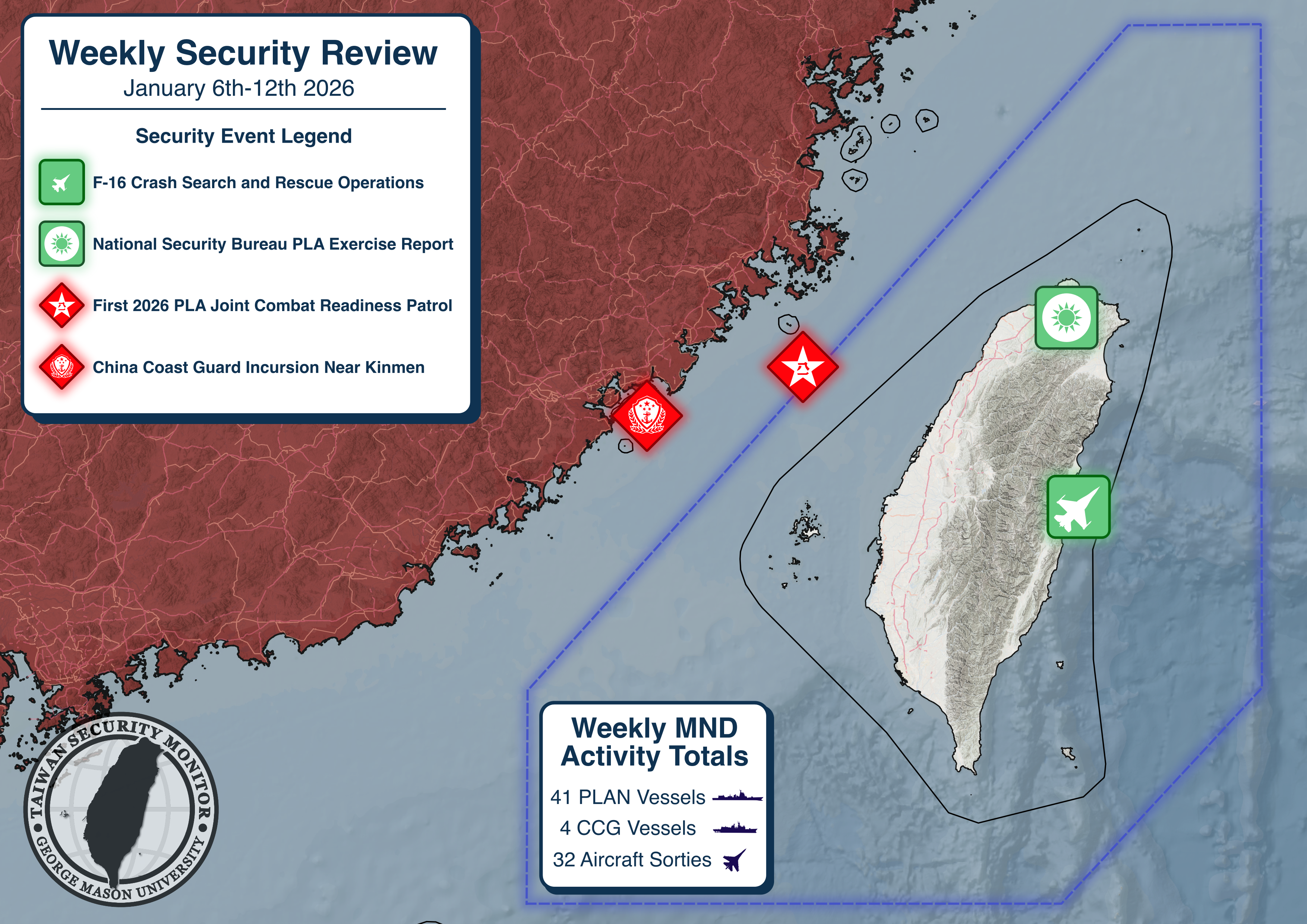
This week, an F-16 pilot is feared dead after crashing into the sea during a routine nighttime training. The National Security Bureau revealed more information regarding the recently concluded Justice Mission-2025 exercise, the PLA conducted its first โ€œJoint Combat Readiness Patrolโ€ of 2026, and several China Coast Guard vessels briefly entered Kinmenโ€™s restricted waters.

Military โ€œNot Losing Hopeโ€ as Search Continues After F-16V Crash

An ROCAF F-16V, serial no. 6700 of the 5th Tactical Fighter Wing in Hualien, crashed into the waters east of Taiwan during a routine nighttime training exercise late on Tuesday (6 January). The military is still unaware whether or not the pilot, Captain Hsin Po-yi (่พ›ๆŸๆฏ…), ejected from the aircraft, despite noticing he was โ€œpreparing to eject, eject, ejectโ€. The Air Force lost radar contact with the fighter jet at 1928, and no transponder signal from an ejection seat has been found.

Coast Guard personnel conduct nighttime search and rescue operations

Rescue efforts have been slowly expanding as Army and National Airborne Service Corps Black Hawk helicopters conduct frequent low-altitude search flights over waters off Taitung and Hualien. Meanwhile, vessels from the Coast Guard Administration (CGA) continue 24/7 search-and-rescue operations. As of 9 a.m. Friday (9 January), the Navy and CGA dispatched a total of 22 vessels, involving roughly 300 ground personnel and 30 aircraft sorties, including 2 UAVs. Taiwanโ€™s fleet of F-16s was grounded for inspection following the crash, but is now back in service.

A press conference from the Air Force revealed that audio logs indicate the pilot lost contact with his formation at 1927 after flying into clouds. Flight conditions showed visibility at 9km, with light rain. Capt. Hsin then reported that his altitude was continuing to drop and that he would eject from his aircraft. That was roughly eight seconds before its radar signal vanished at an altitude of 1700ft and roughly 36 nautical miles (66.6 kilometers) south of Hualien Air Force Base.

Local media have speculated that an engine may have exploded, citing nearby dashcam footage that appears to show a fireball descending in the vicinity of the crash site. Others have suggested a possible software issue involving the aircraftโ€™s Modular Mission Computer (MMC). The military has not yet identified the cause and says it is conducting a full investigation.

Minister of National Defense  Wellington Koo oversees search and rescue efforts for a missing F-16V pilot

In response to Tuesdayโ€™s crash, Minister of National Defense Wellington Koo announced that the Air Force would move quickly to install Automatic Ground Collision Avoidance Systems (Auto-GCAS) on all of its F-16V jets by next year. Taiwan has the largest fleet of F-16s deployed in Asia, with 141 upgraded F-16A/Bs and 66 newer F-16V Block 70s expected to arrive starting this year. Tuesdayโ€™s incident is the latest in a series of unfortunate training accidents that have not only resulted in lost aircraft but have also taken the lives of a handful of armed service members. Below is a list of recent F-16 accidents:

  • August 1999: Aircraft suffers a likely mechanical failure during training, the pilot ejects safely, and the jet crashes.
  • March 2008: Aircraft crashes into the sea during a nighttime training mission near Hualien; pilot Ting Shih-pao (ไธไธ–ๅฏถ) is later formally declared dead.
  • May 2013: Aircraft crashes into the sea near Chiayi during a training mission; the pilot ejects safely, and the jet crashes.
  • January 2016: Pilot Kao Ting-cheng (้ซ˜้ผŽ็จ‹) killed in a crash during a training exercise at Luke Air Force Base in the United States.
  • June 2018: Aircraft crashes into Wufen Mountain in Keelung City during Han Kuang military exercises, pilot Wu Yen-ting killed.
  • November 2020: Aircraft disappears from radar shortly after takeoff from Hualien Air Base, pilot Chiang Cheng-chih (่”ฃๆญฃๅฟ—) later formally declared dead.
  • January 2022: Aircraft crashes into the sea during a ground-attack training mission at Shuixi Shooting Range near Chiayi Air Base, pilot Andy Chen (้™ณๅฅ•) killed.

NSB Report of Chinaโ€™s โ€œJustice Mission-2025โ€

On 8 January, Taiwanโ€™s National Security Bureau (NSB) submitted a report and testified to the Legislative Yuan regarding Chinaโ€™s recent JusticeMission-2025 military exercises. The full public report can be found here: NSB Report, Justice-Mission 2025

In short, the NSB  told lawmakers that Chinaโ€™s โ€œJustice Mission-2025โ€ drills were intended to counter growing international support for Taiwan and possibly distract from Beijingโ€™s economic difficulties. The exercises involved dozens of rocket launches and a large-scale deployment of warships and aircraft, disrupting Taiwanโ€™s air traffic and raising concerns among regional and Western partners. The drills were among the most expansive to date in terms of geographic coverage and were intended to advance a political goal of pushing back against support from democratic countries.  The NSB said that Beijing wanted to redirect domestic discontent in China into nationalist sentiment under the banner of โ€œresisting external interference.โ€โ€‹

Legislators in the LY question Defense and National Security officials

In the report, the NSB also highlighted that recent statements by Japanese Prime Minister Sanae Takaichi, including concerns that an attack on Taiwan could constitute an existential threat to Japan, could have added to Beijingโ€™s efforts to reassert its claims in the region.

The report described Chinaโ€™s heavy use of information operations and cyber activity during the drills, ranging from state-media narratives and AI-generated content to coordinated โ€œtroll armies.โ€ The NSB said these networks produced more than 19,000 inflammatory posts from nearly 800 accounts over five days, aiming to erode confidence in Taiwanโ€™s military and sow doubt about U.S. support. It also reported more than two million cyberattacks on government systems in the first two days of the exercises, and identified PLA-linked groups, such as APT24 and BlackTech, as key actors.

According to the NSB, Beijing is increasingly synchronizing cyber operations with military exercises to weaken public morale and degrade Taiwanโ€™s information environment by amplifying fear and uncertainty.

Chinaโ€™s First Joint Combat Readiness Patrol of 2026

Also on 8 January, the MND reported the 1st PLA Joint Combat Readiness Patrol of 2026. Starting from 1456, a total of 21 PLAAF aircraft, including J-10 fighters, H-6K bombers, KJ-500 early warning aircraft, and UAVs, were detected operating around Taiwan. 19 of the aircraft crossed the median line of the Taiwan Strait and its Air Defense Identification Zone (ADIZ). Taiwanโ€™s military added that these aircraft operated in coordination with Chinese naval vessels and harassed Taiwanโ€™s surrounding air and maritime areas.

Taiwanโ€™s military said it employed joint intelligence, surveillance, and reconnaissance measures to maintain close oversight of the situation and dispatched aircraft, naval vessels, and land-based missile systems as a response. Both in 2024 and 2025, the PLA conducted 40 combat readiness patrols, typically taking place every other week.

Earlier in 2025, an intelligence officer explained that the phrase โ€œJoint Combat Readiness Patrolโ€ (่ฏๅˆๆˆฐๅ‚™่ญฆๅทก) is used by the MND to signal a difference from the PLAโ€™s routine patrols around Taiwan. Colonel Hu Zhong-hua, deputy director of the MNDโ€™s Intelligence Research Center, said the ministry defines Joint Combat Readiness Patrols as PLA joint training that involves coordinated activities from both sea and air forces, and is derived from gathering years of PLA behavior and patterns.

China Coast Guard Incursion into Kinmenโ€™s Restricted Waters

Finally, this week also marked the yearโ€™s first incursion by China Coast Guard (CCG) vessels into the restricted waters surrounding the outlying island of Kinmen. Four CCG vessels were detected by Taiwanโ€™s Coast Guard Administration (CGA) at 1400 local on 6 December. These vessels entered Kinmenโ€™s restricted waters at 1510 before exiting two hours later at 1712.

Taiwanโ€™s CGA deployed its own vessels to conduct parallel shadowing throughout the incursion, which it condemned as an instance of Beijingโ€™s strategy of gray-zone harassment towards Taiwan.

Creeping Closer: Timeline and Analysis of the Justice Mission-2025 Joint Exercise

Authors: Noah Reed, Ethan Connell, & Jonathan Walberg


From December 29th to 31st, the Eastern Theater Command (ETC) of the Peopleโ€™s Liberation Army (PLA) held exercise โ€œJustice Mission-2025โ€ (ๆญฃไน‰ไฝฟๅ‘ฝ-2025) in the waters and airspace surrounding Taiwan. The drills, described by Chinese state media as a response in part to the United Statesโ€™ US$11.1 billion arms package to Taiwan announced two weeks prior,[i] were the 5th and most significant round of joint exercises around Taiwan since Nancy Pelosiโ€™s 2022 visit to Taiwan.[ii]

While following the overall thematic and operational rhythm established in prior exercises following 2022, Justice Mission-2025 also produced several firsts. These include the closest live-fire exercise to date, and the first use of a Type 075 amphibious assault ship in a joint-exercise. The exercise also featured a notable increase in attention devoted to psychological warfare and political messaging elements.

As has been the case in all past joint exercises, Justice Mission-2025 was described first and foremost as a โ€œSerious warning to โ€˜Taiwan Independenceโ€™ separatist forces and external interferenceโ€ by the Peopleโ€™s Republic of Chinaโ€™s (PRC) Ministry of National Defense (MND). (ๅฏนโ€œๅฐ็‹ฌโ€ๅˆ†่ฃ‚ๅŠฟๅŠ›ไธŽๅค–้ƒจๅŠฟๅŠ›ๅนฒๆถ‰็š„ไธฅ้‡่ญฆๅ‘Š.)[iii]

Overall, Justice Mission-2025 fulfilled a dual mandate. First, it provided relevant operational experience for the PLA and China Coast Guard (CCG), something represented in the growing scale of joint-exercises since 2022 as the PLA expands in reach and scale. Second, it sent a signal of frustration over the state of cross-Strait relations to Washington, while also attempting to place the blame for the deterioration of those relations on the incumbent Democratic Progressive Party and President Lai Ching-te.

Operational Sequencing of the Exercise

Day 1 Overview: Overall, Taiwanโ€™s MND detected 89 aircraft and 28 naval vessels, split into 15 PLAN vessels and 13 CCG vessels, operating around Taiwan during day one of the Justice Mission-2025 exercise. The day was marked by several operational themes, including:

  1. A focus on airpower, including long-range air superiority, airspace encirclement, and airborne early warning.
  2. A focus on sea-air coordination, especially as it relates to the detection and destruction of surface and sub-surface vessels.
  3. A focus on the airspace and waters east of Taiwan, consistent with an overall focus on deterring โ€œexternal interference.โ€

29 December (All Times Local)

0730-0800: Spokesperson of the ETC of the Peopleโ€™s Liberation Army, Senior Colonel Shi Yi, announced that it had dispatched its Army, Navy, Air Force, and Rocket Force troops to conduct joint military drills codenamed โ€œJustice Mission 2025โ€ in the airspace and waters surrounding Taiwan.[iv]

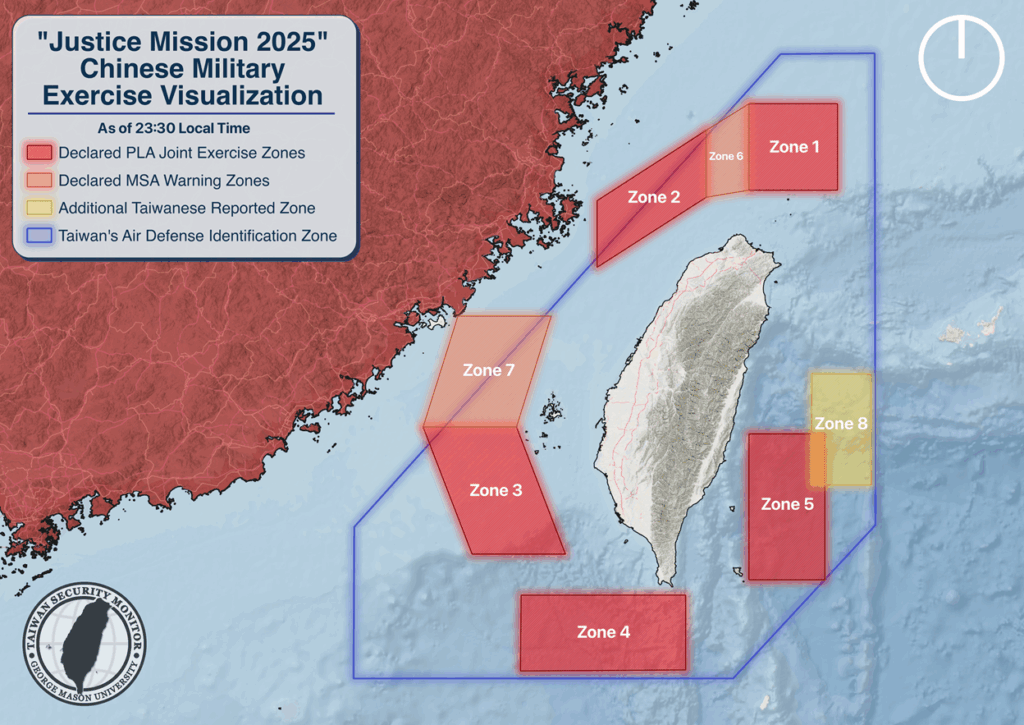
Alongside this announcement was the release of a navigation warning with five prohibited entry zones within which live-fire exercises would take place the following day. Later in the day, the PRCโ€™s Maritime Safety Administration (MSA) published two additional warning zones. The ETC later added an eighth zone to the east of Taiwan over radio, although they never announced it publicly via navigational warning.

Five of the eight declared zones violated Taiwanโ€™s territorial waters. Zone fourโ€™s boundary ran less than five nautical miles from Taiwanโ€™s southern coast. However, at no point did Chinese vessels cross into Taiwanโ€™s territorial waters. All Chinese vessels operated in the area between Taiwanโ€™s contiguous and territorial waters.

Notably, Taiwanโ€™s Ministry of National Defense (MND) disclosed that its intelligence agencies had noticed irregular activity and possible preparation several days prior to the start of โ€œJustice Mission,โ€ which contrasts with a claim by Chinese state media that the operation represented a โ€œcold startโ€ or โ€œsnap exercise.โ€[v]

0800-0930: Approximately one hour after announcing the exercise, the PLAโ€™s ETC claimed that it had mobilized fighters, bombers, unmanned aerial vehicles, and long-range rocket units to strikes on simulated mobile ground targets in the โ€œmiddle areasโ€ of the Taiwan Strait.[vi] Taiwanโ€™s MND did not report any rocket impacts in the Taiwan Strait during this time, and the ETC did not release footage of these strikes as it did on the next day.

0930-1130: At 1000, Taiwanโ€™s MND released a statement condemning the exercise and announced the beginning of rapid response exercises and a state of high alert.[vii] One hour later, the ETC announced maritime live-fire training to the north and southwest of Taiwan, employing destroyers, frigates, fighters, bombers, and unmanned aerial vehicles. The training focused on hunting and neutralizing targets, simulated ground strikes, and live firing against targets.[viii]

An article in the PLA Daily newspaper published on the morning of the 30th identified several of the ships involved in this portion of the exercise, including the Baoyi, Quzhou, and Taiyuan ship formations.[ix]

1130-1230: At 1200, the ETC announced that it had dispatched destroyers, frigates, fighters, and bombers to conduct anti-submarine and sea-air coordination exercises to the east of the Taiwan Strait.[x] The ETC released initial footage from the exercise, showcasing elements of all involved services at around this time.

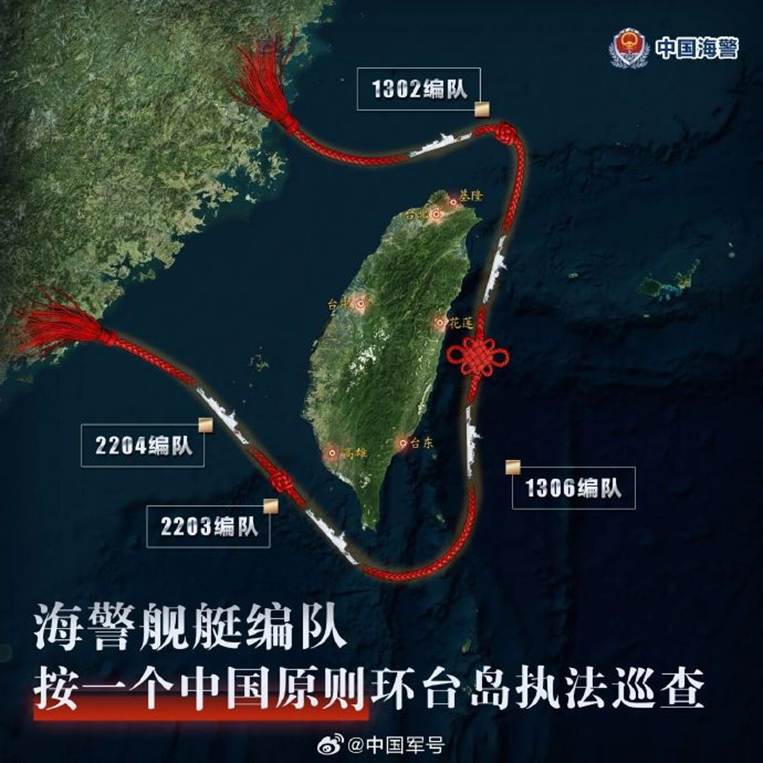
On the heels of this announcement, the CCG announced that it was carrying out โ€œcomprehensive law-enforcement patrolsโ€ in waters surrounding Taiwan and the areas near the Matsu and Wuqiu islands. Taiwanโ€™s Coast Guard Administration (CGA) claimed that it had detected increased CCG activity several hours prior to the CCGโ€™s official announcement.[xi]

MarineTraffic Automatic Identification System (AIS) data, which shows the last pinged location of certain vessels, confirmed this claim, as several CCG vessels, including CCG 1303 and 1302, were already observed operating north of Taiwan by 12:00.[xii] TSM researchers subsequently confirmed that CCG vessels 14609, 14606, 1302, 1306, 2203, 2204, 1303, 1303, 1302 also participated in these patrols on the 29th.[xiii]

Poster showcasing involved CCG vessels published by Chinaโ€™s Coast Guard Weibo Account

1230-1630: At 1500, the ETC conducted regional patrol, information support, and aerial confrontation drills using airborne early warning aircraft, fighters, and electronic warfare aircraft to the southwest of Taiwan.[xiv] An hour later, the ETC dispatched bomber task forces to conduct far-seas combat readiness patrols east of Taiwan, focusing on long-distance joint precision strikes in remote areas.[xv]

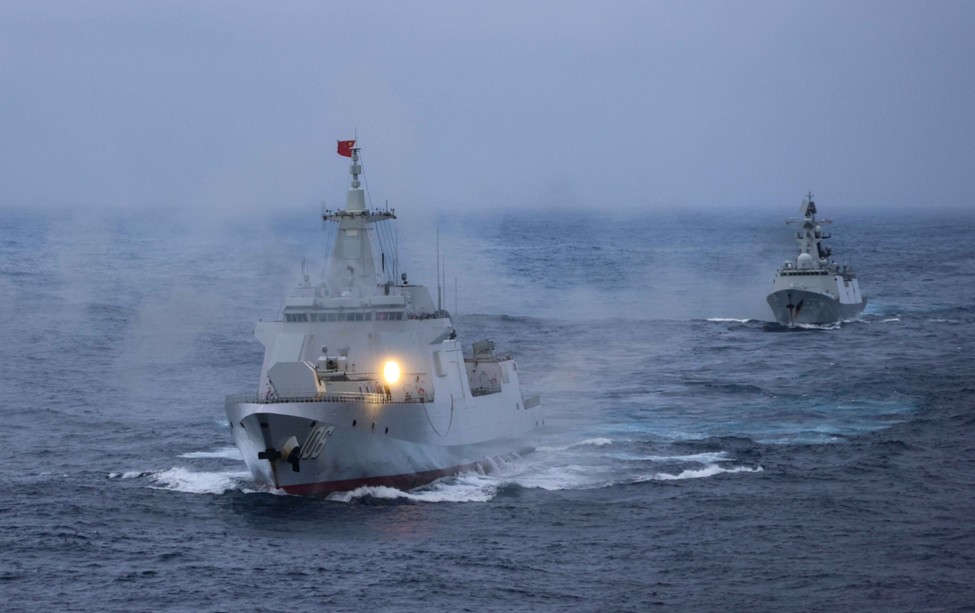
1600-0000: At 1700, the ETC reported that a Type 075 amphibious assault ship and several accompanying vessels were operating Southeast of Taiwan. According to state media, this represented the first time the PLA had deployed a Type 075 around Taiwan during a joint exercise.[xvi]

Finally, at 2000, the ETC released footage claiming to show a TB-001 UAV from the PLA Rocket Forceโ€™s 61st Base operating close to Taipei City near the Tamsui River outlet.[xvii] Taiwanโ€™s MND has disputed the authenticity of the footage, reporting that no drone entered Taiwanโ€™s airspace during the exercise.

Image circulated by PRC State Media claiming to show a UAVโ€™s photo capture of New Taipei

30 December (All Times Local)

Day 2 Summary: Taiwanโ€™s MND reported 71 aircraft, 17 PLAN vessels, and 15 CCG vessels around Taiwan by 1500 on day 2 of Justice Mission-2025. In addition, Taiwan detected a total of 27 rocket impacts in the waters north and south of Taiwan over this period.

The second day of the drills focused on blockade operations and targeted strikes, marking the closest live-fire drills around Taiwan on record.

0730-0800: The second day of Justice Mission-2025 began at 0800, when the ETC announced that fighters, bombers, frigates, and destroyers were conducting integrated blockade and control operations, to include identification, warning, and anti-air and submarine operations, to the north and south of Taiwan.[xviii]

0800-1200: At 0900, the ETC initiated the first of two rounds of live-fire long-range rocket drills in exercise zone 1. According to Taiwanโ€™s MND, PHL-16 self-propelled Multiple Rocket Launcher Systems (MLRS) from the 72nd Group Armyโ€™s Rocket Artillery Brigade in Pingtan County, Fujian, fired at least 17 rockets into this zone.[xix]

1200-0000: At approximately 1300, PHL-16 MLRS from the 73rd Group Armyโ€™s Rocket Artillery Brigade in Shishi, Fujian, initiated a second round of live-fire long-range rocket drills. [xx] These launches targeted Zone 3 to the south of Taiwan. Taiwanโ€™s MND reported 10 rocket impacts in the exercise. [xxi]Taiwanese media outlets reported that ten rockets from the two sets of launches landed within Taiwanโ€™s contiguous waters zone, marking the closest ever recorded impacts during a live-fire exercise.[xxii]

The remainder of Day 2 was mostly devoted to a series of poster and video releases by the Eastern Theater Command and China Coast Guard, who continued their โ€œcomprehensive law enforcement patrolsโ€ into the second day.

31 December (All Times Local)

The ETC announced the end of the exercise at 16:00 on December 31. It is not clear why the ETC delayed announcing the end of the exercise until 31 December, as all exercise warning zones had already expired the day prior. Furthermore, MarineTraffic AIS data showed that China Coast Guard vessels had begun pulling back from the waters around Taiwan earlier in the day.[xxiii] In prior exercises, the ETC usually announced the end of exercises on the last day of heavy activity.

Notably, the ETC had released no prior exercise updates on the 31st, and Taiwanโ€™s MND reported only 1 aircraft violating the Air Defense Identification Zone (ADIZ) over this period.[xxiv]

Justice Mission-2025โ€™s Propaganda Dimensions

Beijing deliberately crafted the messaging and reporting surrounding Justice Mission to frame the exercise as a โ€œstern warningโ€ to Taipei and its international supporters. Official statements and state media reports consistently emphasized the operation as a โ€œlegitimate and necessary actionโ€ to defend the PRCโ€™s sovereignty and promote unification.[xxv] PRC spokespeople explicitly connected the drills to Washingtonโ€™s mid-December approval of a record US$11.1 billion arms package for Taiwan, framing the exercise as a direct โ€œpunitive and deterrent actionโ€ in response.[xxvi] Foreign Ministry officials accused Taiwanโ€™s ruling party of transforming the island into a โ€œpowder kegโ€ through military expansion and arms acquisitions, cautioning that U.S. efforts to โ€œarm Taiwan to contain Chinaโ€ would โ€œonly embolden the separatists and push the Taiwan Strait closer to the peril of armed conflict.โ€[xxvii] This external context was central to PRC rhetoric, enabling Beijing to justify the drills as compelled by hostile provocations and reinforcing its narrative that Democratic Progressive Party (DPP) leaders are โ€œprovocateursโ€ responsible for escalating tensions.

Official posters and slogans likewise adopted an overtly threatening tone, emphasizing the PLAโ€™s capacity to isolate and strike Taiwan. PLA media accounts disseminated a series of dramatic infographics and posters suggesting that Taiwan would be defenseless in a military confrontation. For instance, one poster depicted PLA forces severing Taiwanโ€™s supply lines, accompanied by the caption โ€œSupply cut off โ€“ how can [you] pursue โ€˜independenceโ€™?โ€ while another highlighted the โ€œoverwhelming power gapโ€ between the PRC and Taiwan, with the challenge, โ€œHow can you seek โ€˜independenceโ€™ [against such odds]?โ€[xxviii]ย These visuals, often given titles like โ€œHammer of Justiceโ€ or โ€œArrow of Justice,โ€ portrayed missiles targeting the island and blockade operations restricting access to Taiwanโ€™s ports.[xxix]

The central message was that Beijingโ€™s military strength serves as a tool of righteous punishment, capable of simultaneously defeating โ€œTaiwan independenceโ€ forces and deterring external intervention from the United States. One โ€œArrow of Justiceโ€ poster went further by depicting a missile and volleys of arrows plunging into Taiwan itself, with lurid green โ€œwormโ€ figures, a common stand-in for the DPP/โ€œGreen camp,โ€ splattered across the island, visually signaling not just blockade or deterrence but the targeted eradication of โ€œinternalโ€ pro-independence actors. Paired with the slogan โ€œๅ…งๆŽงๅค–้ฆณโ€ (โ€œcontrol internally, charge outwardโ€), the imagery suggested Beijing could simultaneously suppress โ€œTaiwan independenceโ€ forces on the island while striking outward to deter or punish external intervention.

 PRC civilian agencies also contributed to the propaganda campaign. For example, the China Coast Guard promoted its involvement in the drills through graphics of patrol ships encircling Taiwan and slogans such as โ€œTaiwan is Chinaโ€™s inherent territory,โ€ thereby reinforcing the exerciseโ€™s dual military and law-enforcement objectives in asserting sovereignty.[xxx]

Initial announcement poster for Justice Mission 2025. The poster depicts the PRC as two shields emblazoned with the Great Wall, defending Taiwan from the external influence of American arms sales and military platforms.

Official statements from Beijingโ€™s civilian and military representatives reinforced these themes. The State Councilโ€™s Taiwan Affairs Office (TAO) described the Justice Mission maneuvers as a โ€œsolemn warningโ€ to separatists and foreign actors, calling them a โ€œnecessary and just measureโ€ to protect Chinaโ€™s territorial integrity.[xxxi] TAO spokespersons accused the DPP administration of โ€œrecklessly colluding with external forcesโ€ and pursuing โ€œindependenceโ€ at the expense of Taiwanโ€™s security and welfare. They cited President Lai Ching-teโ€™s governmentโ€™s acceptance of U.S. arms and support, claiming this โ€œmilitarizationโ€ was leading the island down a โ€œdangerous path.โ€[xxxii] Beijing repeatedly stated that its actions targeted โ€œTaiwan independenceโ€ elements and their supporters, not the general population. TAO officials emphasized that โ€œpeople on both sides of the Strait are one family,โ€ and that PLA operations were directed only at separatist provocations and were โ€œnot [aimed] at the Taiwan compatriots.โ€[xxxiii] By combining explicit threats with appeals to โ€œTaiwanese compatriots,โ€ the PRCโ€™s narrative sought to weaken support for the DPP by portraying Beijingโ€™s actions as protective and just. At the same time, severe rhetoric toward external actors, warning that any foreign interference would โ€œdash itself to pieces against the steel Great Wall of the PLA,โ€ highlighted the exercisesโ€™ additional audience: the United States and other regional observers.[xxxiv] Through coordinated statements and vivid propaganda, the PRC presented Justice Mission-2025 as a lawful and necessary operation to punish separatism, deter U.S. โ€œmeddling,โ€ and position itself as the purported defender of national sovereignty and guarantor of peace in the Taiwan Strait.

Regional and US Responses

While US President Donald Trump said that he โ€œwasnโ€™t worriedโ€ about Justice Mission-2025,[xxxv] and that his relationship with President Xi remains strong, the State Department called for China to โ€œcease military pressure,โ€ and that Beijingโ€™s actions spiked tensions. Trumpโ€™s comment was widely interpreted in divergent ways: by critics as dismissive or inattentive, and by supporters as a signal of confidence meant to convey U.S. military and political dominance. In this sense, the remark functioned less as an assessment of the exercises themselves than as a performative signal aimed at preserving maneuver space and projecting toughness. Following the conclusion of the exercises, on January 1, State Department spokesperson Tommy Pigott reaffirmed the United Statesโ€™ policy of supporting peace and stability across the Strait, opposing unilateral changes to the status quo.[xxxvi]

On December 30th, South Koreaโ€™s Foreign Ministry released a similar statement, calling for โ€œdialogue and cooperation.โ€[xxxvii] On December 31st, Japan expressed concern over the exercises, with Foreign Ministry press Secretary Kitamura emphasizing that โ€œpeace and stability across the Taiwan Strait are important for the international community as a whole.โ€[xxxviii] The same day in Manila, Philippine Defense Secretary Teodoro expressed deep concern, adding that Chinaโ€™s coercion against Taiwan has implications โ€œbeyond the regionโ€ and risks stability across the continent.[xxxix] Also making statements expressing concern on New Yearโ€™s Eve were Australia and New Zealand,[xl] with Germany,[xli] the United Kingdom,[xlii] and France making announcements the day before.[xliii] Notably, Taiwanโ€™s Foreign Ministry thanked each of these countries for their statements condemning the exercises, including Japan, but left off the United States from the message.[xliv]

Conclusion

Justice Missionโ€“2025 underscored that Beijing is trying to institutionalize a coercive โ€œdealโ€ around Taiwan: headline joint exercises are increasingly treated as a conditional punishment for specific U.S. and Taiwanese actions, while day-to-day gray-zone pressure continues regardless. The exercise showed ongoing improvements in joint fires, seaโ€“air coordination, and geographically dispersed operations, especially east of Taiwan to deter external intervention from the US. The ambiguous third day of the exercise and subdued final phase created uncertainty surrounding the intentions and overall sequence of the exercise.

The number of aircraft and naval vessels involved during the exercise naturally grew from prior iterations, as should be expected with an increasingly large and coordinated force. December 29 saw the second-largest single-day ADIZ violation by PLA aircraft on record, with the period from December 29-30 representing the largest overall violation period. Notably, the exercise did not feature an aircraft carrier, instead opting to involve a Type 075 amphibious assault vessel for the first time.

Visualization of ADIZ violations during a major exercise, via Ben Lewis and PLATracker

The exercises featured Beijingโ€™s increasing use of coordinated propaganda, law enforcement involvement, and symbolic imagery alongside military pressure. By linking the drills to U.S. arms sales and rationalizing them as โ€œjustโ€ and โ€œdefensive,โ€ the PRC aimed to shift blame for escalation to Taipei and Washington while normalizing the PLAโ€™s presence near Taiwan. Regional reactions, which were mostly expressions of concern, underscore the gap between Beijingโ€™s claims of legitimacy and the international communityโ€™s view of destabilization. Overall, the exercise suggests that future PLA operations around Taiwan will be frequent, multi-domain, and information-driven, focusing on eroding confidence and complicating decision-making rather than preparing for immediate invasion.


[i] Global Times. โ€˜Justice Mission 2025โ€™ drills serious warning to โ€˜Taiwan independenceโ€™ separatist forces and foreign interference, MND on comment drills target US arms sale to Taiwan. December 29th, 2025. https://www.globaltimes.cn/page/202512/1351803.shtml

[ii] Prior joint-exercises include: 2023 โ€Joint Swordโ€, Joint Sword 2024-A, Joint Sword 2024-B, and Strait Thunder 2025-A.

[iii] PRC Ministry of National Defense. ๅ›ฝ้˜ฒ้ƒจๆ–ฐ้—ปๅ‘่จ€ไบบๅผ ๆ™“ๅˆšๅฐฑไธœ้ƒจๆˆ˜ๅŒบโ€œๆญฃไน‰ไฝฟๅ‘ฝ-2025โ€ๆผ”ไน ็ญ”่ฎฐ่€…้—ฎ. December 29th,2025.

[iv] PRC Ministry of National Defense. ไธœ้ƒจๆˆ˜ๅŒบๆตท็ฉบๅ…ตๅŠ›ๅฎžๆ–ฝ็Žฏๅฐๅฒ›ๆˆ˜ๅค‡่ญฆๅทก. December 29th, 2025.

[v] Guo Yuandan and Liu Xuanzun. Expert interprets PLA’s ‘Justice Mission 2025’ drill areas as media on Taiwan island describes exercises as ‘sudden’. Global Times. December 29th, 2025. https://www.globaltimes.cn/page/202512/1351721.shtml, Taiwan Military News Agency. ไธญๅ…ฑ็‰‡้ขๅฎฃๅธƒ่ปๆผ”ใ€€ๅœ‹้˜ฒ้ƒจ๏ผš็ถฟๅฏ†ๆŽŒๆก็ขบไฟๅœ‹ๅฎถๅฎ‰ๅ…จ. December 29th, 2025. https://www.mnd.gov.tw/news/mnd/85591

[vi] PRC Ministry of National Defense. ไธœ้ƒจๆˆ˜ๅŒบไฝๅฐๆนพๆตทๅณกไธญ้ƒจๆตท็ฉบๅŸŸๅผ€ๅฑ•ๅฏน้™†ๆœบๅŠจ็›ฎๆ ‡ๆ‰“ๅ‡ปๆผ”็ปƒ. December 29th, 2025.

[vii] ROC Ministry of National Defense. https://x.com/MoNDefense/status/2005460859901051243. December 29th, 2025.

[viii] PRC Ministry of National Defense.  ไธœ้ƒจๆˆ˜ๅŒบไฝๅฐๅฒ›ๅŒ—้ƒจใ€่ฅฟๅ—ๆตท็ฉบๅŸŸๅผ€ๅฑ•ๅฏนๆตทๅฎžๅผนๅฐ„ๅ‡ป็ญ‰็ง‘็›ฎ่ฎญ็ปƒ. December 29th, 2025.

[ix] Songโ€™s Defense Watch. https://x.com/songs349/status/2005953998604623997. December 30th, 2025., PLA Daily. ไธœ้ƒจๆˆ˜ๅŒบไฝๅฐๅฒ›ๅ‘จ่พนๅผ€ๅฑ•โ€œๆญฃไน‰ไฝฟๅ‘ฝ-2025โ€ๆผ”ไน . Pg 1. December 30th, 2025.

[x] PRC Ministry of National Defense. ไธœ้ƒจๆˆ˜ๅŒบไฝๅฐๅฒ›ไปฅไธœๆตท็ฉบๅŸŸๅผ€ๅฑ•ๅฏนๆตท็ชๅ‡ปใ€ๅŒบๅŸŸๅˆถ็ฉบใ€ๆœๆฝœๅๆฝœ็ญ‰็ง‘็›ฎๆผ”็ปƒ. December 29th, 2025.

[xi] Jaime Ocon. https://x.com/JaimeOcon1/status/2005475439108833748.December 29th, 2025.

[xii] Taiwan Security Monitor. https://x.com/TaiwanMonitor/status/2005499477323374881.December 29th, 2025.

[xiii] Taiwan Security Monitor. https://x.com/TaiwanMonitor/status/2005569169895366874. December 29th, 2025.

[xiv] PLA Eastern Theater Command Weibo. ไธœ้ƒจๆˆ˜ๅŒบไฝๅฐๅฒ›่ฅฟๅ—็ฉบๅŸŸๅผ€ๅฑ•ๅŒบๅŸŸๅทก้€ปใ€็ฉบไธญๅฏนๆŠ—ใ€ไฟกๆฏๆ”ฏๆด็ญ‰็ง‘็›ฎๆผ”็ปƒ. December 29th, 2025.

[xv] PLA Eastern Theater Command Weibo. ไธœ้ƒจๆˆ˜ๅŒบ็ป„็ป‡่ฝฐ็‚ธๆœบ็ผ–้˜Ÿ่ตดๅฐๅฒ›ไปฅไธœๅผ€ๅฑ•่ฟœๆตทๆˆ˜ๅค‡ๅทก่ˆช. December 29th, 2025.

[xvi] Guo Yuandan and Liu Xuanzun. Type 075 amphibious assault ship joins drills surrounding Taiwan for first time. Global Times. December 29th, 2025.

[xvii] Joseph Wen. https://x.com/JosephWen___/status/2005729323593224444. December 29th, 2025., PLA Eastern Theater Command Weibo. ไธœ้ƒจๆˆ˜ๅŒบๅ‘ๅธƒ#ๅพฎ่ง†้ข‘่ฟ™ไนˆ่ฟ‘้‚ฃไนˆ็พŽ้šๆ—ถๅˆฐๅฐๅŒ—#. December 29th, 2025.

[xviii] PLA Eastern Theater Command Weibo. ไธœ้ƒจๆˆ˜ๅŒบไฝๅฐๅฒ›ๅ—ๅŒ—ไธค็ซฏๅผ€ๅฑ•ๅฏนๆตท็ชๅ‡ปใ€้˜ฒ็ฉบๅๆฝœ็ญ‰็ง‘็›ฎๆผ”็ปƒ. December 30th, 2025.

[xix] Joseph Wen & Taiwan Defense Studies Initiative. https://x.com/JosephWen___/status/2005661342691398111. December 29th, 2025.

[xx] Joseph Wen & Taiwan Defense Studies Initiative. https://x.com/JosephWen___/status/2005661342691398111. December 29th, 2025.

[xxi] Joseph Wen & Taiwan Defense Studies Initiative. https://x.com/JosephWen___/status/2005661342691398111. December 29th, 2025.

[xxii] Joseph Yeh. PLA rockets land inside Taiwan’s 24 nautical mile contiguous zone: MND.ย  Focus Taiwan/CNA. December 30th, 2025.

[xxiii] Taiwan Security Monitor. https://x.com/TaiwanMonitor/status/2006216815442116690. December 30th, 2025.

[xxiv] ROC Military News Agency. ไธญๅ…ฑๆฉŸ่‰ฆ่‡บๆตทๅ‘จ้‚Šๆดปๅ‹•ใ€€ๅœ‹่ปๅšดๅฏ†็›ฃๆŽงๆ‡‰่™•. January 1st, 2026.https://mna.mnd.gov.tw/news/detail/?UserKey=a7500bc9-1570-4fc9-8818-8998d9b695cf

[xxv] Taiwan Security Monitor TAO Statement Tracker https://tsm.schar.gmu.edu/taiwan-affairs-office-the-plas-military-operations-are-a-solemn-warning-to-taiwan-independence-separatist-forces-and-external-interference-forces/

[xxvi] Taiwan Security Monitor on X/Twitter:   https://tsm.schar.gmu.edu/new-arms-sales-for-taiwan-details-and-reactions/

[xxvii] Taiwan Security Monitor on X/Twitter:   https://www.fmprc.gov.cn/fyrbt_673021/jzhsl_673025/202512/t20251229_11789718.shtml

[xxviii]  Taiwan Security Monitor on X/Twitter:   https://x.com/TaiwanMonitor/status/2005869817232867426?s=20

[xxix] Taiwan Security Monitor on X/Twitter:   https://x.com/TaiwanMonitor/status/2005807062735790564?s=20; https://x.com/TaiwanMonitor/status/2005456163249192993?s=20

[xxx] Taiwan Security Monitor on X/Twitter:  https://x.com/TaiwanMonitor/status/2005521133496623314?s=20; https://x.com/TaiwanMonitor/status/2005837836851855481?s=20; https://x.com/TaiwanMonitor/status/2005569169895366874?s=20

[xxxi] Taiwan Security Monitor TAO Statement Tracker https://tsm.schar.gmu.edu/taiwan-affairs-office-the-plas-military-operations-are-a-solemn-warning-to-taiwan-independence-separatist-forces-and-external-interference-forces/

[xxxii] Taiwan Security Monitor TAO Statement Tracker https://tsm.schar.gmu.edu/taiwan-affairs-office-any-country-or-force-that-plays-with-fire-on-the-taiwan-question-will-inevitably-pay-a-price/; https://tsm.schar.gmu.edu/taiwan-affairs-office-any-taiwan-independence-separatist-actions-will-never-be-tolerated-and-will-be-met-with-severe-punishment/

[xxxiii] Taiwan Security Monitor TAO Statement Tracker https://tsm.schar.gmu.edu/taiwan-affairs-office-any-taiwan-independence-separatist-actions-will-never-be-tolerated-and-will-be-met-with-severe-punishment/

[xxxiv] Taiwan Security Monitor TAO Statement Tracker https://tsm.schar.gmu.edu/taiwan-affairs-office-any-taiwan-independence-separatist-actions-will-never-be-tolerated-and-will-be-met-with-severe-punishment/

[xxxv] Ng and Ewe, โ€œTrump Downplays Chinese Military Drills Around Taiwanโ€ BBC, https://www.bbc.com/news/articles/cdxwxkeg9w6o

[xxxvi]US State Department on Justice Mission 2025 from CBS News: โ€œU.S. says China’s military activities near Taiwan “increase tensions unnecessarily” https://www.cbsnews.com/news/china-military-activities-near-taiwan-unnecessarily-raise-tensions-us-says

[xxxvii] https://www.cna.com.tw/news/aopl/202512303004.aspx

[xxxviii] Japan Times: https://www.japantimes.co.jp/news/2025/12/31/japan/china-military-exercises-taiwan-japan-europe/

[xxxix] Philippines Government Announcement: https://www.bworldonline.com/the-nation/2026/01/01/721925/philippines-concerned-over-chinas-drills-near-taiwan-says-they-undermine-regional-stability

[xl] Taiwan Ministry of Foreign Affairs Announcement: https://en.mofa.gov.tw/News_Content.aspx?n=1329&s=121415

[xli] German Government Announcement: https://www.auswaertiges-amt.de/en/newsroom/news/military-exercises-china-taiwan-2750712

[xlii] United Kingdom Government Announcement: https://www.gov.uk/government/news/statement-on-chinas-military-drills-december-2025

[xliii] French Government Announcement: https://www.diplomatie.gouv.fr/en/country-files/china/news/article/justice-mission-2025-exercises-around-taiwan-december-30-2025

[xliv]Taiwan Ministry of Foreign Affairs Announcement: https://x.com/MOFA_Taiwan/status/2006273783192297963?s=20

New Arms Sales for Taiwan: Details and Reactions

Author: Joe O’Connor


On Wednesday evening, the U.S. Defense Security Cooperation Agency and Department of State notified Congress and the public of eight proposed arms sales to Taiwan worth US$11.1 billion in total, confirming reporting from Reuters only hours before. Counted together, this is the largest single arms sale in Taiwanโ€™s history. Below is a detailed accounting of each sale and its contents, along with reactions from the Taiwanese Presidential Office and the PRCโ€™s Taiwan Affairs Office and Ministry of Foreign Affairs.

What Is Being Sold?ย 

It is worth prefacing that the below sales are mostly building on current capabilities that Taiwan has, either by expanding stockpiles (in the case of HIMARS, Javelins, TOWs, and ALTIUS) or receiving upgraded versions of equipment (in the case of the Paladins). This is significant as it means that Taiwan has determined how to use these capabilities and is not introducing new platforms that would require additional training time.

HIMARS: The single largest sale in this package, at US$4.05 billion (NT$127.2 billion), consists of 82 HIMARS launchers, 420 Army Tactical Missile System (ATACMS) missiles, 756 Guided Multiple Rocket Launch System (GMLRS) unitary rocket pods, 447 GMLRS-Alternative Warhead (GMLRS-AW) rocket pods, and 39 High-Mobility Multipurpose Wheeled Vehicles (HMMWV or Humvees). This sale comes after a plus-up sale approved in December 2022 for 29 HIMARS launchers, 20 ATACMS, and 144 GMLRS pods; as of December 2025, Taiwan has only received 11 launchers and is expected to receive the remaining 18, plus munitions, in 2026.

M109A7 Paladin Self-Propelled Howitzers: Worth US$4.03 billion (NT$126.6 billion), this sale consists of 60 Paladins, 60 M992A3 Carrier Ammunition Tracked Vehicles (CATVs), 13 M88A2 Recovery Vehicles, 4,080 Precision Guidance Kits, and 42 International Field Artillery Tactical Data Systems (IFATDS), as well as an unspecified number of M2A1 machine guns and M795 155-mm ammunition. This sale is expected to be half of the proposed 120 Paladins, a deal that was reduced from 168 and then cancelled by Taiwanโ€™s Ministry of National Defense in 2022 due to concerns about delays caused by the war in Ukraine.

ALTIUS-700M and 600 Systems: Worth US$1.10 billion (NT$34.54 billion), this sale consists of an unknown quantity of ALTIUS-700M loitering munitions and ALTIUS-600 intelligence, surveillance, and reconnaissance systems. A previous sale of 291 ALTIUS-600M-V loitering munitions was authorized in June 2024, and an unknown quantity was delivered in August 2025, with all expected to be delivered by the end of this year.

Tactical Mission Network: Worth US$1.01 billion (NT$31.71 billion). The congressional notification for this sale appears to refer to it as a single network, and per Janes, it is a concept explored recently by the U.S. Special Operations Command to โ€œoperationalize chat and data-sharing environmentsโ€ similarly to platforms such as Signal and WhatsApp. The sale also includes unspecified unmanned aerial systems as well as software.

Javelin Missiles: Worth US$375 million (NT$11.78 billion), consisting of 1,050 Javelin FGM-148F missiles, 10 Javelin fly-to-buy missiles, and 70 Javelin Lightweight Command Launch Units (LwCLUs). The last Javelin sale authorized to Taiwan was in December 2015, and was modified in 2019 to total 400 missiles and 46 LwCLUs. Despite delays owing to the war in Ukraine, those Javelins were delivered in July 2024, per an October 2024 MND report cited by TSM Fellow Eric Gomez.

TOW-2B Missiles: Worth US$353 million (NT$11.08 billion), consisting of 1,545 TOW-2B BGM-71F-7-RF missiles, 16 TOW-2B fly-to-buy missiles, and 24 Improved Target Acquisition Systems. Taiwan was last authorized sales of TOW missiles in December 2015 and July 2019, having all 1,700 across both sales delivered in December 2024, despite the original timeline stating delivery in 2022.

AH-1W Helicopter Spare/Repair Parts: Worth US$96 million (NT$3.01 billion), consisting of an unknown quantity of AH-1W SuperCobra helicopter unclassified spare and repair parts. This is a routine maintenance sale for AH-1Ws that Taiwan was authorized to buy in July 1997.

Harpoon Missile Repair Follow-on Support: Worth US$91.4 million (NT$2.87 billion), consisting of an unknown quantity of Harpoon radar seekers, as well as return, repair, and reshipment of Naval Harpoon missiles. This is a routine maintenance sale for what appears to be RGM-84 Harpoons on ROCN vessels, as opposed to the Harpoon Coastal Defense System authorized in 2020 or air-launched Harpoons approved in 2022.

Reaction to the Sales

Immediately after the announcement, a spokesperson for Taiwanโ€™s Presidential Office stated that they were โ€œsincerely grateful to the US government for once again demonstrating that it continues to fulfill its security commitments.โ€ The spokesperson also noted it was the โ€œsecond arms sale to Taiwan announced during the Trump administration,โ€ and reiterated statements made previously by Lai administration officials concerning increased defense spending to 3% of GDP by 2026 and 5% by 2030. No statements have thus far been made by Taiwanโ€™s Ministry of Foreign Affairs, Ministry of National Defense, or TECRO Mission in the United States.

In Beijing, the news of the sale was met with a flurry of condemnations from several PRC state organs. Chinaโ€™s Ministry of Foreign Affairs commented on the sale in a press conference on Thursday, condemning it and promising to โ€œtake resolute and strong measures to defend its national sovereignty, security, and territorial integrity.โ€ Additionally, the Taiwan Affairs Office of the State Council, an organ responsible for cross-Strait relations, accused Taipei of โ€œseeking independence by relying on the U.S.โ€ and said such sales would turn Taiwan into a โ€œpowder keg.โ€

In Washington, however (as of the time of writing, Thursday morning), there have been no statements aside from the initial DSCA congressional notifications, including none from senior members of the Senate and House Foreign Affairs Committees, or Secretary of State Marco Rubio. The American Institute in Taiwan also has not commented.

What Does This Mean?

This batch of proposed sales represents a large commitment on the part of the Trump administration to support Taiwan, but is not immune from challenges. Legislative Yuan approval of the DPPโ€™s proposed NT$1.25 trillion special budget is hamstrung by KMT and TPP opposition legislators, who demurred on placing it on the agenda until President Lai testified, an action that the LY cannot compel (causing a minor constitutional crisis). This threatens to delay delivery of not only current sales, but also these future ones, particularly if the special budget is cut or fails to pass.

The issue of production challenges also merits consideration. HIMARS production has increased, so much so that the MND has classified its remaining 18 launchers from the 2022 sale to be ahead of schedule, and it is likely that these additional HIMARS will not be excessively delayed. A potential decrease in support to Ukraine also means that Paladins and Javelins could be focused on Taiwan instead, decreasing timelines further. But it merits remembering that currently (not counting these recent sales), over US$21 billion in already authorized equipment is delayed, including F-16C/D Block 70s and AGM-154C Joint Standoff Weapons, due to production issues.

Watching the progress of the special budget through the LY, as well as other arms developments, will be valuable in determining how these new sales will work. Overall, however, this is an encouraging development for Taiwanโ€™s security.

What Does the FY26 NDAA Mean for Taiwan?

Author: Joe O’Connor


On Sunday, December 7, the House and Senate Armed Services Committees released their final negotiated text of the National Defense Authorization Act for Fiscal Year 2026, totaling over 3,000 pages. This text, which passed the House in full on Wednesday, December 10th, and is set to be considered by the Senate next week, is the combination of the NDAA bills passed in the House (H.R. 3838) and the Senate (S. 2296), negotiated through a conference committee.

Since the NDAA sets and authorizes U.S. defense policy, examining where and how the bill mentions Taiwan is an important litmus test of what Congress wants the Pentagon to focus on regarding Taiwanโ€™s security. This blog post will be organized into three parts: first, current Taiwan-related provisions in the combined NDAA; second, provisions removed from the Senate version; and third, provisions removed from the House version. This is sourced from the NDAA text and the joint explanatory statement (JES) attached to the NDAA, which explains which provisions were retained and which were removed, and for what purpose.

Combined NDAA Provisions

First, Section 383 requires the Secretary of Defenseย (hereinafter OSD), along with the JCSย and INDOPACOM, to conduct a comprehensive joint mobilization and sustainment readiness study. The study is directed to focus on the ability of the U.S. to react to a โ€œTaiwan Strait contingency,โ€ as well as to evaluate โ€œjoint and allied interoperability,โ€ including with Taiwan and other allies. This was adopted from the House version (ยง 370A).

Section 1254 directs OSD to develop a 5-year strategy (with a 6-month interim report) to โ€œstrengthen multilateral defense against regional aggression in the Indo-Pacific region,โ€ including plans to expand โ€œmore frequent maritime operations through the Taiwan Strait and in the South China Sea.โ€ This was adopted from the House version (ยง 1315).

Section 1265 modifies the Taiwan Security Cooperation Initiative, initially established by the 2025 NDAA, to add โ€œmedical equipment, supplies, and related combat casualty care capabilitiesโ€ as authorized assistance. This section also authorizes $1 billion from FY26 appropriations to fund TSCI, up from FY25โ€™s authorization of $300 million. This was adopted from the Senate version (ยง 1236).

Section 1266 requires OSD to engage with Taiwanese officials on a joint program for fielding โ€œuncrewed systems and counter-uncrewed systems capabilities,โ€ including โ€œco-development and co-production.โ€ This was adopted from the Senate version (ยง 1237).

Section 1271 limits 25% of OSDโ€™s travel expenses from being used until certain reports are submitted to the congressional defense committees. These reports include the โ€œTaiwan Security Assistance Roadmapโ€ required by the 2023 NDAA, and a report on the โ€œpotential establishment of a regional contingency stockpile for Taiwan,โ€ required by the 2025 NDAA. This was adopted from the Senate version (ยง 1234).

Section 7263 requires the Coast Guard Commandant to complete a plan on expanding joint and integrated training between the U.S. Coast Guard and Taiwanese Coast Guard Administration (CGA). This would include the โ€œdeploy[ment of] Coast Guard mobile training teams to Taiwanโ€ and โ€œincreasing the number of seatsโ€ for CGA personnel to take Coast Guard training courses. This was adopted from the Senate version, under the Coast Guard Authorization Act of 2025, designated as Division G of the combined NDAA.

Sections 8301-8305 are known as the โ€œTaiwan Non-Discrimination Act of 2025โ€ and require the United States Governor of the International Monetary Fund to support Taiwanโ€™s bid to join the International Monetary Fund, requiring the Secretary of the Treasury to testify annually on U.S. efforts in that area as well. This was adopted from the Senate version.

Senate Version โ€“ Removed Provisions

The NDAAโ€™s JES identifies four provisions from the Senate version that were removed, along with their explanations.

Section 1238 would have required OSD to submit a report to Congress on Taiwan’s critical digital infrastructure capabilities and to identify actions to protect such infrastructure. The JES then โ€œdirect[s] the Secretary of Defenseโ€ to submit the same report, with nearly identical requirements to those of the Senate. This appears to be phrased into โ€œdirect reporting language,โ€ implying that Congress still desires the report, but does not want to codify it into law, owing to the thousands of statutorily-required reports that need managing and frequently go unread or never submitted.

Section 1242 would have established a โ€œstrategic partnership on defense industrial priorities between the United States and Taiwan.โ€ In its justification, the JES states that โ€œwe include a provision elsewhere in this Act authorizing DIU [the Defense Innovation Unit] to establish regional outreach centers to enable more streamlined interactions,โ€ essentially removing the provision as redundant.

Section 1243 would have directed OSD to invite Taiwan to the Rim of the Pacific (RIMPAC) naval exercise. The JES indicates that โ€œthe Commander, U.S. Indo-Pacific Command, has the authority to invite the naval forces of Taiwan to participate,โ€ thus not making the provision necessary.

Section 1260 would have clarified that OSD may assign a Defense Priorities Allocation System rating for foreign military sales, to prioritize sales to Taiwan, South Korea, and the Philippines. The committee explains this removal by saying that the DOD already has the authority to assign a DPAS rating to FMS sales and that clarification is unnecessary.

House Version โ€“ Removed Provisions

The NDAAโ€™s JES identifies five provisions from the House version that were removed, along with their explanations.

Section 1320 would have amended a section of the 2022 NDAA addressing conventional and irregular threats facing Taiwan and its capabilities to defend against them. The conference committee removed this provision because the โ€œTaiwan Enhanced Resilience Act,โ€ part of the 2023 NDAA, already addresses reporting requirements.

Section 1322 would have required OSD to report on obstacles to U.S. assistance of Taiwanese procurement and provide policy recommendations. As noted above, the conference committee considered this reporting requirement to be covered by the Taiwan Enhanced Resilience Act.

Section 1324 would have allowed the President to take such actions to support Taiwanโ€™s energy security and ability to withstand a blockade or embargo. The conference committee removed this provision while stating their support for Taiwan, โ€œconsistent with the Taiwan Relations Act.โ€

Sections 1321 and 1323 were also removed, as they were similar to the above-mentioned Senate sections 1242 and 1243, which relate to strategic partnerships on defense industrial priorities and RIMPAC.

Conclusion

Itโ€™s clear that much was excised from both House and Senate NDAAs (as is probably the case regularly in reconciliation), but those removed provisions were almost all due to redundancy, mostly in reporting requirements. It is worth noting that the conference committee removed the explicit reference to โ€œstrategic partnership on defense industrial priorities,โ€ claiming the DIU could do so. Clearly, however, Senate proposals to co-develop and produce UAS systems with Taiwan won out, as did modification of the Taiwan Security Cooperation Initiative and a plan for U.S.-Taiwanese coast guard training.