Taiwan Security Monitor

Taiwan Arms Sale Backlog, July 2025 Update

Second Batch of Abrams Tanks Arrives

By Eric Gomez and Joseph O’Connor

A second batch of Abrams tanks arrived in Taiwan in late July, but besides this development, July was quiet in terms of arms sales updates. From July 9-18, Taiwan’s military conducted its annual Han Kuang series of exercises, which featured several developments of note.

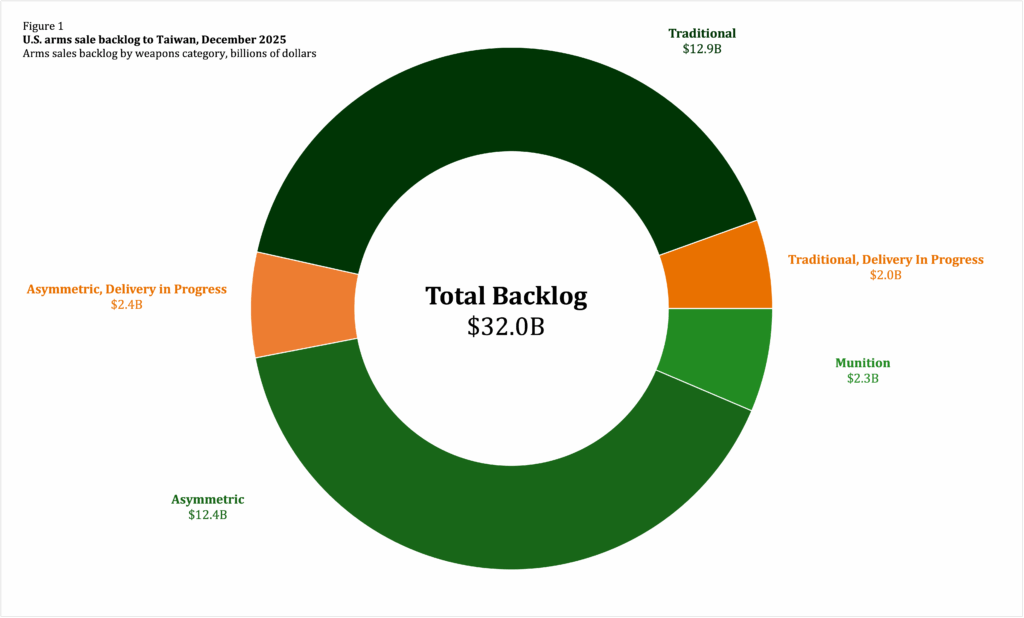
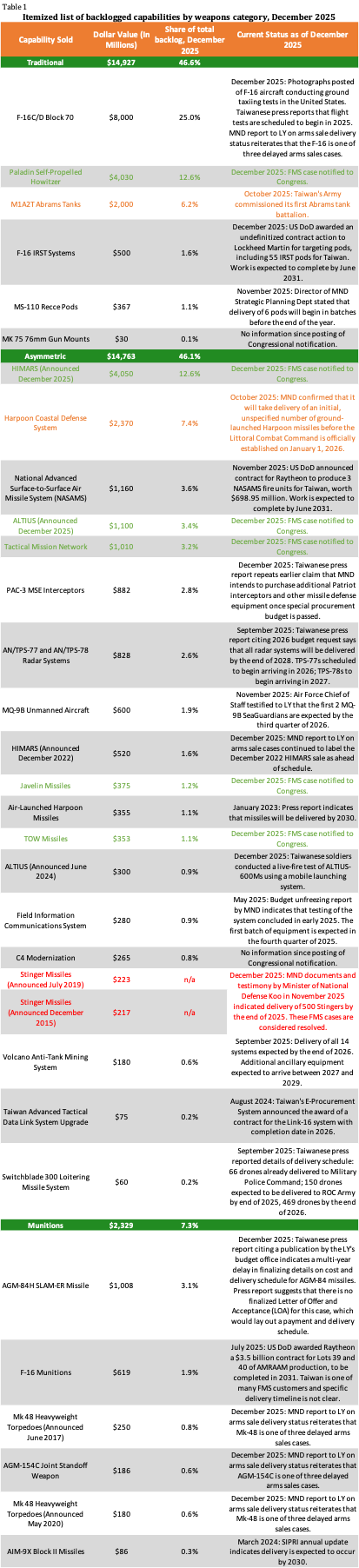
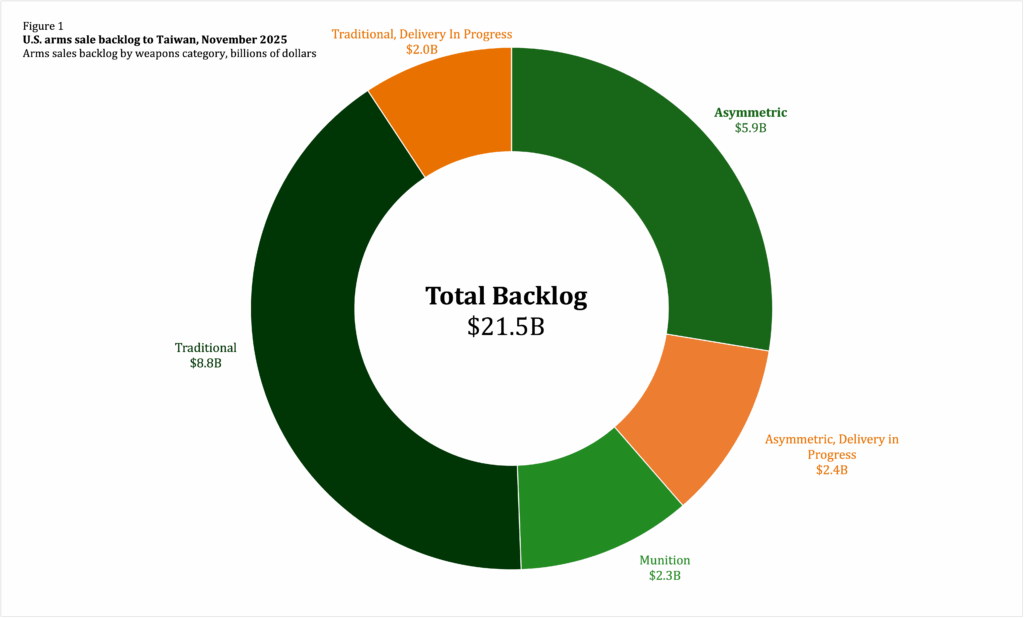
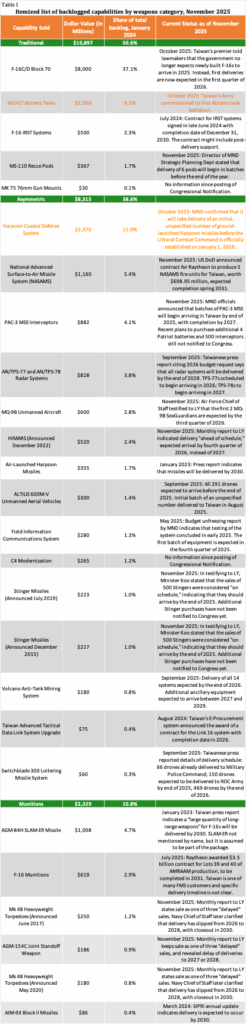
The Taiwan Security Monitor (TSM) dataset only removes an arms sale from the backlog when it is fully delivered. Therefore, the overall size of the U.S. arms sale backlog to Taiwan remains $21.54 billion. However, for arms sales valued at over $1 billion, deliveries in progress are marked in yellow-orange in our visualizations.. Figure 1 shows the current composition of the arms sale backlog by weapon category. Table 1 shows an itemized list of arms sales in the backlog with the most recently available information about their status.

Han Kuang Exercise

The biggest development in Taiwan security news in July was the annual Han Kuang exercise. Han Kuang is Taiwan’s largest and most highly publicized exercise. The 2025 iteration featured several notable changes from previous years. The TSM team conducted real-time open-source analysis of the Han Kuang exercise that can be found on our X account.

One of the most widely covered new aspects of the Han Kuang exercise was increased realism in engineering and logistics aspects of the exercise to better simulate wartime conditions. For example, military police troops practiced moving shoulder-fired Stinger missiles on Taipei’s underground metro system. Other aspects of improved realism in Han Kuang 2025 were the calling up of more reservists— 22,000 participated, a record high— and the integration of two civil defense drills that occur concurrently with Han Kuang but were previously kept separate.

Abrams Tank Delivery and Other Arms Sale Updates

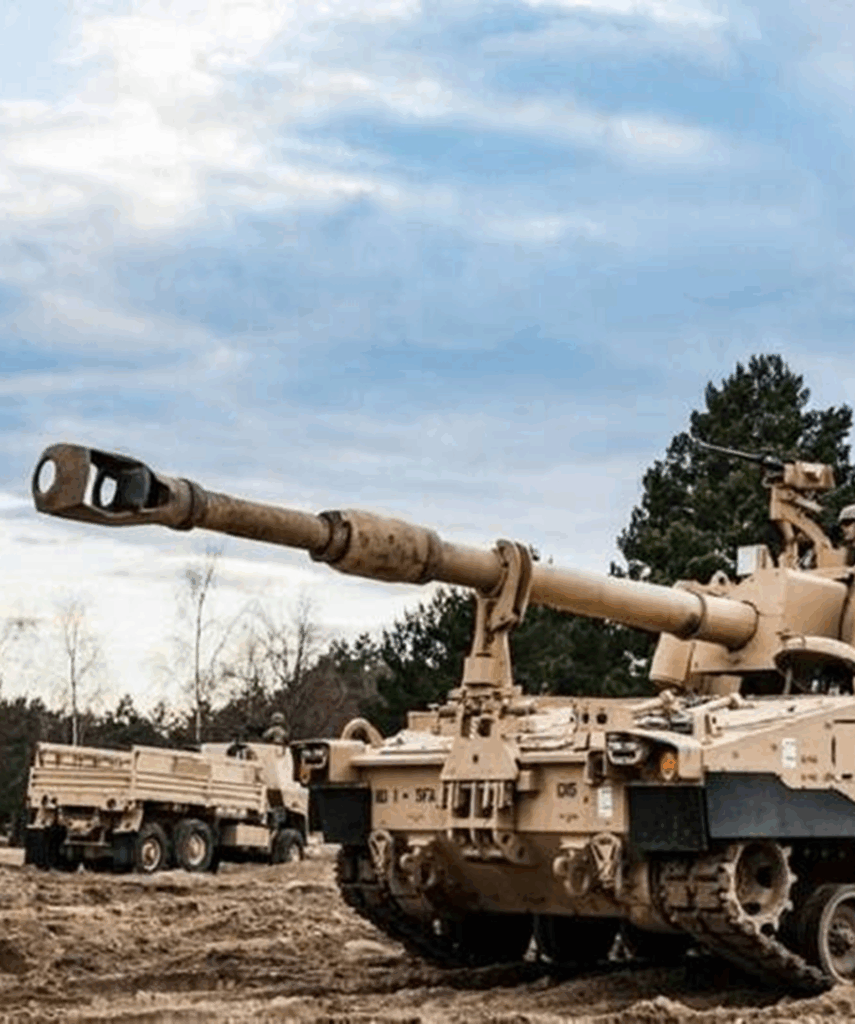
The biggest piece of arms sales backlog news in July was the arrival of a second batch of 42 M1A2T Abrams tanks. Taiwan has now taken delivery of 80 Abrams tanks. The final batch of 28 tanks is expected to arrive in the first quarter of 2026, which seems likely given the successful on-time deliveries of the first two batches. The Abrams sale, valued at $2 billion, was originally notified to Congress in July 2019.

As a reminder, the TSM dataset does not reduce the overall dollar value of the backlog for partial deliveries, which is why there is no change in the backlog’s overall composition or dollar value from June 2025. The Abrams case, the third largest case by dollar value, has been a relatively smooth arms sale compared to other large cases in the backlog. Final delivery in early 2026 will bring the backlog’s overall value below the $20 billion threshold, assuming there are no new arms sales announced between now and then.

There were two other small developments in July worth mentioning:

First, at the end of the month, Raytheon was awarded a $3.5 billion contract to produce Lots 39 and 40 of AIM-120 Advanced Medium-Range Air-to-Air Missiles (AMRAAM), with a completion date in the third quarter of fiscal year 2031. The AMRAAM is one of the most popular U.S. arms sale items, as shown by the 19 foreign country customers mentioned in the contract award announcement. It is unclear when Taiwan will receive the missiles and how many missiles are being produced. Taiwan is currently waiting for delivery of 123 AMRAAM-ER missiles from a 2024 sale of National Advanced Surface-to-Air Missile Systems and 200 AIM-120C-8 missiles from a 2023 sale of various F-16 munitions.

Second, Taiwan’s Ministry of National Defense (MND) announced plans to purchase five types of commercial, off-the-shelf drones, with almost 50,000 to be purchased in 2026. Commercial drones have played a significant role in helping Ukraine stymie Russia and would be an important fixture of an asymmetric defense strategy for Taiwan. The MND has made welcome investments and efforts to expand its use of drones of various sizes and capabilities across the military, including purchasing approximately 1,000 small drones via U.S. arms sales (720 Switchblades and 291 ALTIUS drones).

While the overall value of the U.S. arms sales backlog to Taiwan did not change in July, the on-time delivery of a second batch of Abrams tanks is a good sign and a harbinger of a very large decrease in the backlog early next year.

Visualization: Deployment of U.S. Typhon Missile System in Japan

Authors: Chris Dayton, Joe O’Connor


On September 15, a U.S. Typhon Missile System, capable of firing the Tomahawk Land Attack Missile (TLAM), was deployed to Marine Corps Air Station Iwakuni in southern Japan. This marks the first deployment of Typhon to Japan, and the platform will take part in the currently ongoing Resolute Dragon 25 exercise.

Below is our visualization of the Typhon’s deployment location and operational range.

Visualization: 9/5/25 Taiwan Strait Transit

Authors: Joe O’Connor, Chris Dayton


Our visualization of the northbound Taiwan Strait transit undertaken on 9/5 by HMCS Ville de Québec (FFH-332) and HMAS Brisbane (DDG-41). Track is approximate, based on Marine Traffic AIS data & public reporting.

Taiwan Arms Sale Backlog, May 2025 Update

Budget Unfreezing Reports Reveal New Information about Delivery Timelines

By Eric Gomez and Joseph O’Connor

The backlog of US weapons that have been sold but not delivered to Taiwan did not see any major shifts in the month of May. The backlog’s total value remains $21.5 billion, with deliveries of $4.4 billion—split roughly evenly between Abrams tanks and ground-launched Harpoon anti-ship missiles—in progress. See Figure 1 for a visualization of the backlog by weapons category and Table 1 for an itemized list.

Despite the lack of movement in the backlog’s dollar value, May was an important and illuminating month. Taiwan’s Ministry of National Defense (MND) released multiple reports to the Legislative Yuan (LY) with new information about several— though not all— of the backlogged arms sales.
One bit of housekeeping before diving into the MND reports: we have adjusted Table 1, the itemized list of backlogged arms sales. Instead of the rightmost column showing the change of status since the previous month (which mostly resulted in “No Change” month after month), it now shows the status of the arms sale based on the most current available information that TSM analysts have on hand. One of TSM’s readers suggested this change and it is a very good one, so please don’t be afraid to send (constructive) criticism to us in the future.


MND’s Budget Unfreezing Reports
There are some rather nasty politics happening in Taiwan this year. Elections in January 2024 produced a divided government. The Democratic Progressive Party’s (DPP) Lai Ching-te was elected president, but the DPP does not have a majority in the LY, holding 51 seats to the Kuomintang’s (KMT) 54 seats (2 legislators are independent, but caucus with the KMT) and the Taiwan People’s Party’s 8 seats.
The LY’s composition has led to some high profile legislative (and physical) fights, and the DPP is hoping that a recall effort will remove enough KMT lawmakers later this year to restore their majority and create a united government.
The silver lining of this messy political situation— at least, for those of us monitoring the Taiwan arms sale backlog— is the release of multiple budget unfreezing reports by the MND. During the LY’s defense budget process earlier this year, KMT lawmakers froze approximately $3 billion of 2025’s proposed defense spending (roughly 14 percent of the total budget) across 279 individual spending items. To unfreeze the money, the MND must submit short reports to the LY explaining the status of the frozen programs and providing information on how it plans to use funds in the upcoming year.
The MND released a flurry of these budget unfreezing reports in May 2025, and they contain very valuable information on the status of multiple US arms sales to Taiwan.


Stinger Missiles
There are two Foreign Military Sales (FMS) cases for Stinger missiles in the arms backlog for a combined total of 500 missiles and cost of $440 million. The Stinger cases have been particularly frustrating. Per a 2024 report from the MND to the LY, Taiwan had to re-sign an important document to facilitate the arms sale due to the Army wanting to add missiles to an FMS case originally advanced by the Navy. The original Navy case for 250 missiles was due to be completed by 2022, but as of May 2025, neither case has been fully resolved.
The May 2025 budget unfreezing report on the Stinger FMS case indicates that Taiwan should receive all its currently outstanding Stinger missiles and grip stocks before the end of 2025. The report also mentions that the MND is budgeting to purchase 585 additional launchers and 2,121 additional missiles, the bulk of both going to the Army. This massive Stinger buy has not yet received Congressional notification, but it should occur soon. The report mentions that the MND submitted a Letter of Request to the United States in the first quarter of 2025.

Harpoon Coastal Defense System (HCDS)
The largest asymmetric FMS case in the backlog is a purchase of 400 ground-launched Harpoon missiles, 100 launch vehicles, and 25 radar vehicles, valued at $2.37 billion. Earlier reporting from Taiwan’s press and the March 2025 annual update to SIPRI’s dataset on arms transfers suggested that components for this arms sale had started arriving in Taiwan, though there was some uncertainty about just how much was delivered.
The budget unfreezing report for the HCDS provides more details. Per the report, the first radar truck and five launch vehicles rolled off the production line in the first quarter of 2025. There was a bit of a gap between production and shipment to Taiwan. This first batch of vehicles arrived in Taiwan in late June 2025.

MQ-9B Unmanned Aircraft
A sale of four MQ-9B surveillance drones and two ground stations received Congressional notification in November 2020. When freezing funds for the MQ-9B purchase, legislators said they were concerned that the MND had plans to store all four aircraft in a single hangar.
The budget unfreezing report states that MND has adjusted its storage plan and will distribute the MQ-9Bs across more storage facilities to reduce their vulnerability to attack. The report anticipates that construction of the MQ-9B’s support facilities will be completed by the end of 2025. All four aircraft are expected to arrive in Taiwan sometime in 2026.

Field Information Communication System (FICS)
The $280 million FICS case had preciously little publicly available information after it was notified to Congress in December 2020, besides a press report from March 2022 claiming that delivery would occur sometime in 2025. The budget unfreezing report indicates that the FICS successfully finished system component testing earlier this year. Delivery of the first batch of systems is expected before the end of 2025, but it is not clear when the final delivery will occur.

High Mobility Artillery Rocket System (HIMARS)
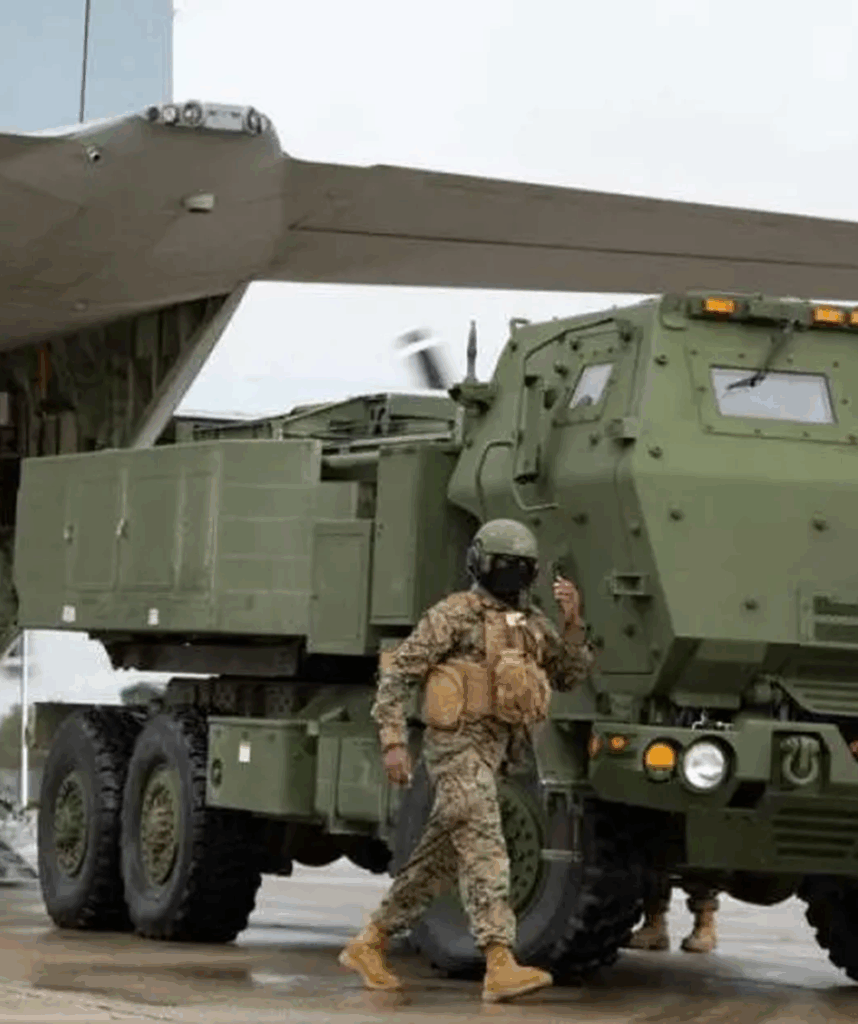
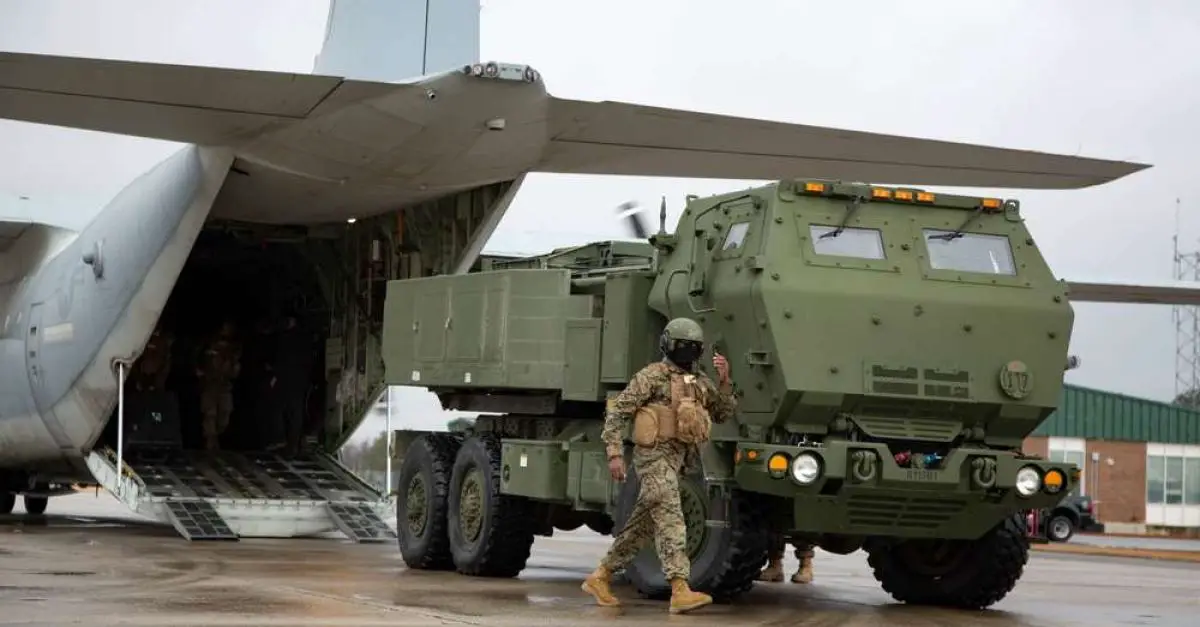
Taiwan had two FMS cases for HIMARS—an initial buy of 11 launchers and Army Tactical Missile Systems (ATACMS) notified to Congress in 2020 and a plus-up of 18 additional launchers, guided rocket pods, and ATACMS in December 2022. In November 2024, the first batch of 11 launchers and several ATACMS arrived in Taiwan. The HIMARS cases are also cited as the only arms sale to Taiwan that is ahead of its original delivery schedule.
The budget unfreezing report provides more details about the pace of munitions deliveries for HIMARS. The report says that Taiwan should receive the remaining 18 launchers by the end of 2026, but deliveries of ATACMS and rocket pods could extend into 2027 given the large volume of munitions that Taiwan is purchasing. Additionally, Taiwan’s military successfully test-fired a HIMARS from its territory for the first time in May 2025.

Conclusion
Except for the secretive FICS, none of the information in the budget unfreezing reports was all that shocking or unexpected. While there are some deviations from earlier reported delivery timelines, none of these are significant. However, the budget unfreezing reports are a noteworthy example of transparency from the MND. This crop of reports is the result of a contentious political environment in Taiwan, but having a regular, publicly available reporting mechanism to keep the LY— and researchers— informed about arms sales delivery timelines would be valuable.
We at TSM will be tracking down and translating as many of these budget unfreezing reports as possible in the coming weeks.

Taiwan Arms Sale Backlog, January 2025 Update

F-16 Delays and New Contracts

By Eric Gomez and Joseph O’Connor

The US arms sale backlog to Taiwan is slightly reduced from December 2024 thanks to new research conducted by the Taiwan Security Monitor team. There were no new foreign military sales (FMS) cases announced in January 2025 or announcements of full deliveries. However, we have removed a $332 million sale of 30mm ammunition from the backlog, which results in a new total backlog value of $21.54 billion.

Figure 1 shows how the arms sale backlog is divided across weapons categories. The 30mm ammunition FMS case was coded as Munitions in the dataset. The different color for the Abrams sale, coded as a Traditional weapon system, indicates that deliveries of the sale have started but have not finished.

The two other noteworthy developments in the arms backlog this month are new information about delivery delays for F-16 Block 70/72s and contract announcements for air defense systems that were notified to Congress in the last few months of the Biden administration.

Sources: Defense Security Cooperation Agency: Press ReleaseUS Congressional Record; “Major Arms Sales,”; DCSA ReleaseDCSA Major Arms SalesDCSA Press Media TECROSIPRI Arms Transfers Database, Stockholm International Peace Research Institute; US Congressional Record; “Major Arms Sales,” Defense Security Cooperation Agency; “Defense News,” Ministry of National Defense, Republic of China; “Letter from the Ministry of National Defense, Submitting a Written Report on the ‘Implementation Status of US Arms Sales to Taiwan’ for the 2024 Budget Resolution,” Ministry of National Defense, June 12, 2024; and “Excerpt from ‘Ministry of National Defense 2024 Annual Budget Assessment Report’,” Ministry of National Defense, October 2023; and “Information on US Arms Sales to Taiwan,” Ministry of National Defense, October 30, 2024.

Table 1 is an itemized list of FMS cases that are still included in the US arms sale backlog to Taiwan, with the 30mm ammunition sale marked in red to indicate its removal from the backlog.

Sources: Defense Security Cooperation Agency: Press ReleaseUS Congressional Record; “Major Arms Sales,”; DCSA ReleaseDCSA Major Arms SalesDCSA Press Media TECROSIPRI Arms Transfers Database, Stockholm International Peace Research Institute; US Congressional Record; “Major Arms Sales,” Defense Security Cooperation Agency; “Defense News,” Ministry of National Defense, Republic of China; “Letter from the Ministry of National Defense, Submitting a Written Report on the ‘Implementation Status of US Arms Sales to Taiwan’ for the 2024 Budget Resolution,” Ministry of National Defense, June 12, 2024; and “Excerpt from ‘Ministry of National Defense 2024 Annual Budget Assessment Report’,” Ministry of National Defense, October 2023; and “Information on US Arms Sales to Taiwan,” Ministry of National Defense, October 30, 2024.

30mm Ammunition FMS Case Removed from Backlog

In June 2023, Congress received notification of an FMS case for various types of 30mm ammunition valued at $332 million. Taiwan is currently developing an indigenous infantry fighting vehicle called the CM-34 Clouded Leopard that has a 30mm autocannon as its main armament. Increased production of the CM-34 will significantly drive up Taiwan’s demand for this type of munition.

After its initial notification to Congress, information about the 30mm FMS case has been scant. SIPRI’s Arms Transfer Database, our dataset’s primary source of information for weapons deliveries to Taiwan, does not include any information about the 30mm case. Out of an abundance of caution, previous editions of the arms backlog dataset included the 30mm sale. However, based on research conducted by Taiwan Security Monitor’s Joseph O’Connor, we are confident that this sale can be removed from the backlog.

Press reports from Taiwan indicate that in early 2024 Northrop Grumman was working with Taiwan’s Factory 205 to establish a production line for 30mm ammunition in Taiwan. It is not clear when the production run will be fully stood up, or how long it will run. Some components for the shells will be imported from the United States, so the coproduction agreement does not completely insulate Taiwan from US defense industry supply chains. However, moving production of 30mm ammunition to Taiwan will provide some insulation from delays and improve its long-term ability to provide for its own defense. For these reasons we have removed the 30mm FMS case from the backlog.

New Information on F-16 Delays

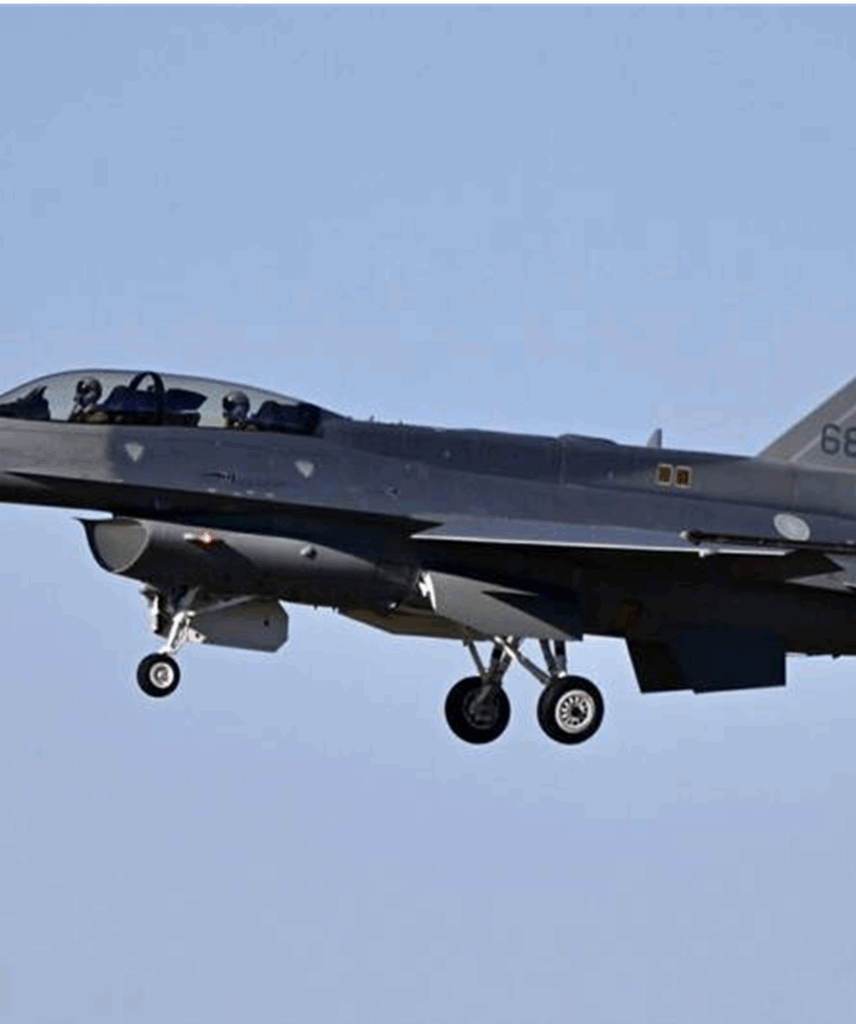
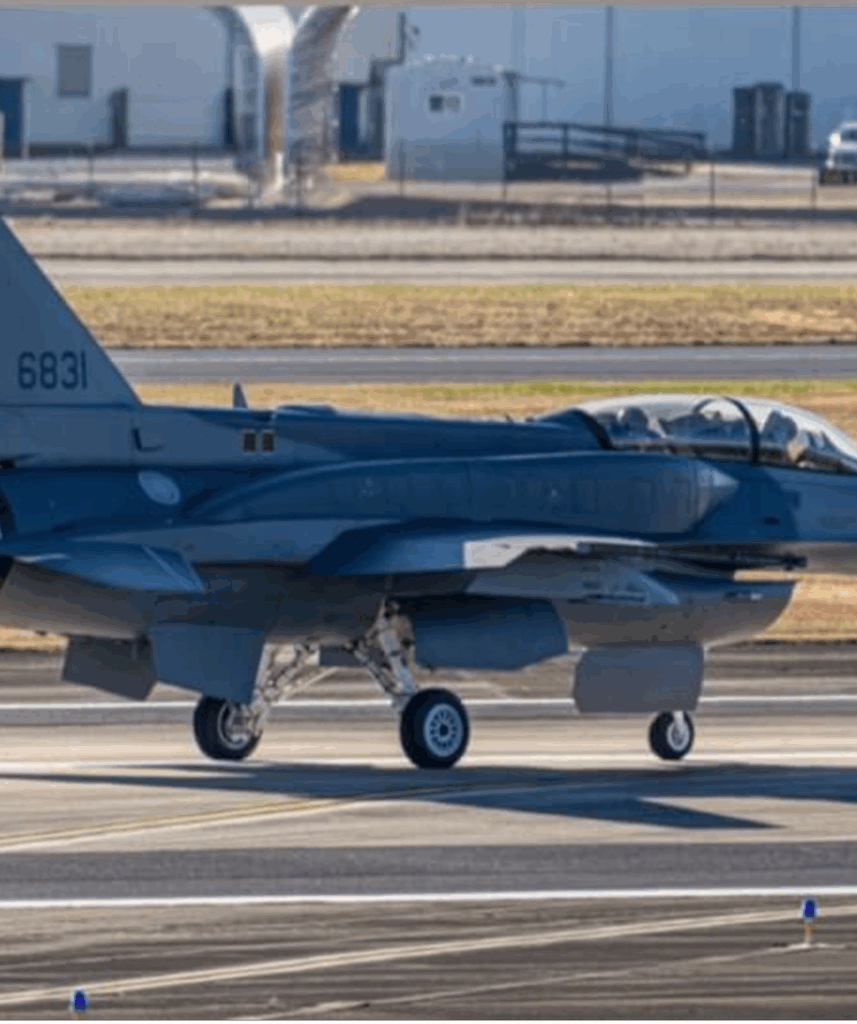
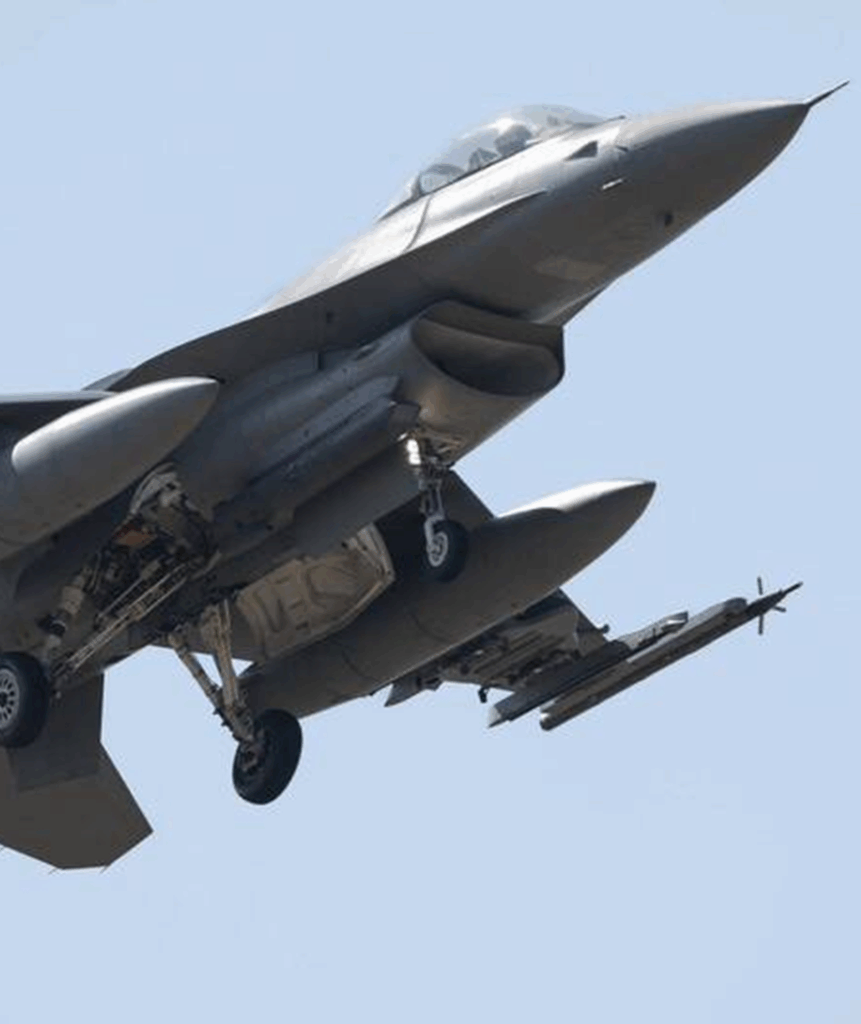
Delays of Taiwan’s 66 F-16 Block 70/72s, notified to Congress in August 2019 and valued at $8 billion, have increased yet again. Taiwan was originally supposed to receive two of the new aircraft sometime in 2023 with batches of the remaining aircraft arriving in 2024, 2025, and 2026 when delivery would be complete. In October 2024, Taiwan’s defense minister Wellington Koo acknowledged delays in the F-16 case but said that the first aircraft were expected to arrive before the end of 2024.

In January 2025, defense minister Koo provided another update on the F-16 delays, saying that the first aircraft will be delivered in March 2025, over a year behind schedule. Taiwanese press reports mentioned that 19 aircraft were currently on the production line, but it is not clear when these additional aircraft will arrive in Taiwan. The Ministry of National Defense has not revised the final delivery timeline of 2026, but sticking to that timeline will be difficult given the longer than expected wait for the first aircraft.

Contracts Announced for Air Defense Systems

The most significant asymmetric military capabilities that the Biden administration sold to Taiwan were three National Advanced Surface-to-Air Missile System (NASAMS) batteries and mobile L-band radar systems. Taiwan needs a densely layered air defense network that can deny China from achieving air superiority in a war. The NASAMS and radars are a valuable addition to Taiwan’s indigenous air defense capabilities. Congress received notification of both sales in October 2024.  

According to a report by Taiwan’s Central News Agency, Taipei approved contracts for NASAMS and L-band radar systems with effective periods until the end of 2034 and 2030, respectively. It is possible that both arms sales will be delivered before the end of the contract’s effective period, so these dates are not an accurate estimate of the delivery timeline. However, the relatively short gap between congressional notification and contract posting suggests that both arms sales are moving relatively quickly through their program milestones. There is still plenty of time for things to go wrong, but the NASAMS and L-band radar sales are starting on the right foot.  
Conclusion

The Taiwan arms sales backlog is off to a mixed start in 2025. A coproduction agreement for 30mm ammunition is a welcome development, and more such agreements would strengthen Taiwan’s ability to provide for its own defense needs. Contract announcements for NASAMS and mobile L-band radars soon after the announcement of these sales bodes well for on-time delivery of two important asymmetric capabilities.

However, growing delays in the F-16 program are a cause for concern and a reminder that traditional weapons systems like manned fighter aircraft are prone to production delays. We will continue to monitor the F-16 case and post timely updates on its progress.


For the full dataset, click below: