Author: Jonathan Walberg
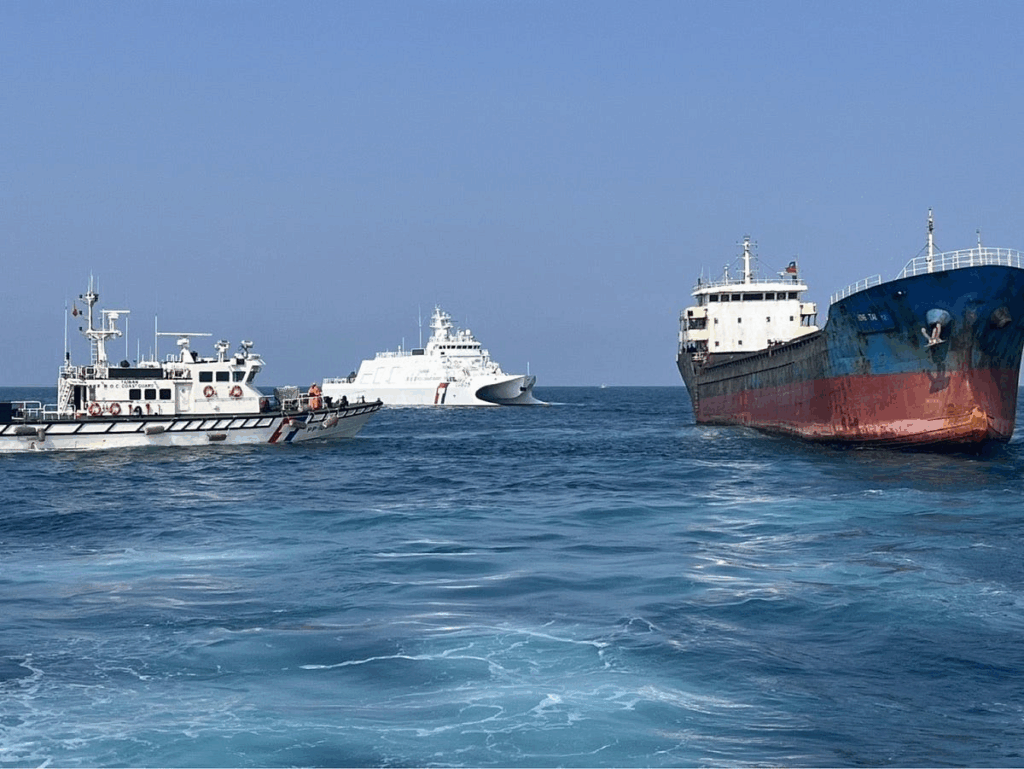
The conviction stemming from the severing of Taiwan’s TP3 undersea cable was not merely a local legal success but a demonstration that gray-zone coercion can be countered when ambiguity is met with evidence and enforcement. Gray-zone strategies rely on deniability, repetition, and administrative normalization—coast-guard pressure, maritime militias, cable interference, and disinformation meant to exhaust institutions and condition the public to view incursions as routine. If left unchallenged, these tactics gradually reshape realities on the ground, shift the burden of proof onto Taipei, and narrow its political and operational options.
The effective response lies less in escalating conventional military power than in sustained investment in attribution, law enforcement, and narrative control. Although most global undersea cable faults are accidental, that very background noise makes persistent surveillance, pattern analysis, and prosecutorial capacity essential. Patrol vessels, sensors, and legal authorities convert suspicion into proof and protests into penalties, raising the cost of coercion at a fraction of the price of advanced fighter aircraft or major combatants.
Partnerships and disciplined transparency further strengthen deterrence. Cooperation with allies, insurers, and port authorities can impose economic and legal consequences on China-linked “shadow fleets,” while selective, evidence-based disclosure undermines disinformation without fueling panic. The TP3 verdict signaled that Taiwan’s maritime domain is governed by rules and consequences; sustaining that message requires consistently funding the institutions that patrol, document, prosecute, and communicate. If Taipei seeks fewer gray-zone tests, it must resource the people and tools that confront them every day.