Author: Jonathan Walberg
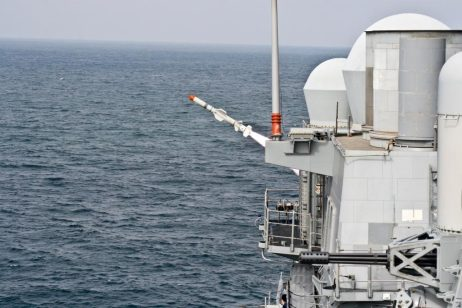
U.S. arms deliveries to Taiwan are being slowed less by politics than by production and regulatory constraints. Bottlenecks in munitions and critical subcomponents (such as rocket motors, seekers, radomes, and launch hardware) are limiting output on U.S. production lines. Because those same lines support foreign military sales to multiple allies, delays to Taiwan also push deliveries for other partners further into the future.
Current export control rules, particularly the International Traffic in Arms Regulations (ITAR), restrict the ability of close allies to help relieve these industrial chokepoints, even when they have available capacity. The 2024 AUKUS ITAR framework with the United Kingdom and Australia shows that it is possible to reduce regulatory friction while maintaining strong security safeguards. A similarly narrow, mission-driven arrangement with Japan could allow co-production of low-sensitivity munitions subassemblies that are currently constraining U.S. output, without transferring sensitive technologies or design authority.