Author: Jaime Ocon
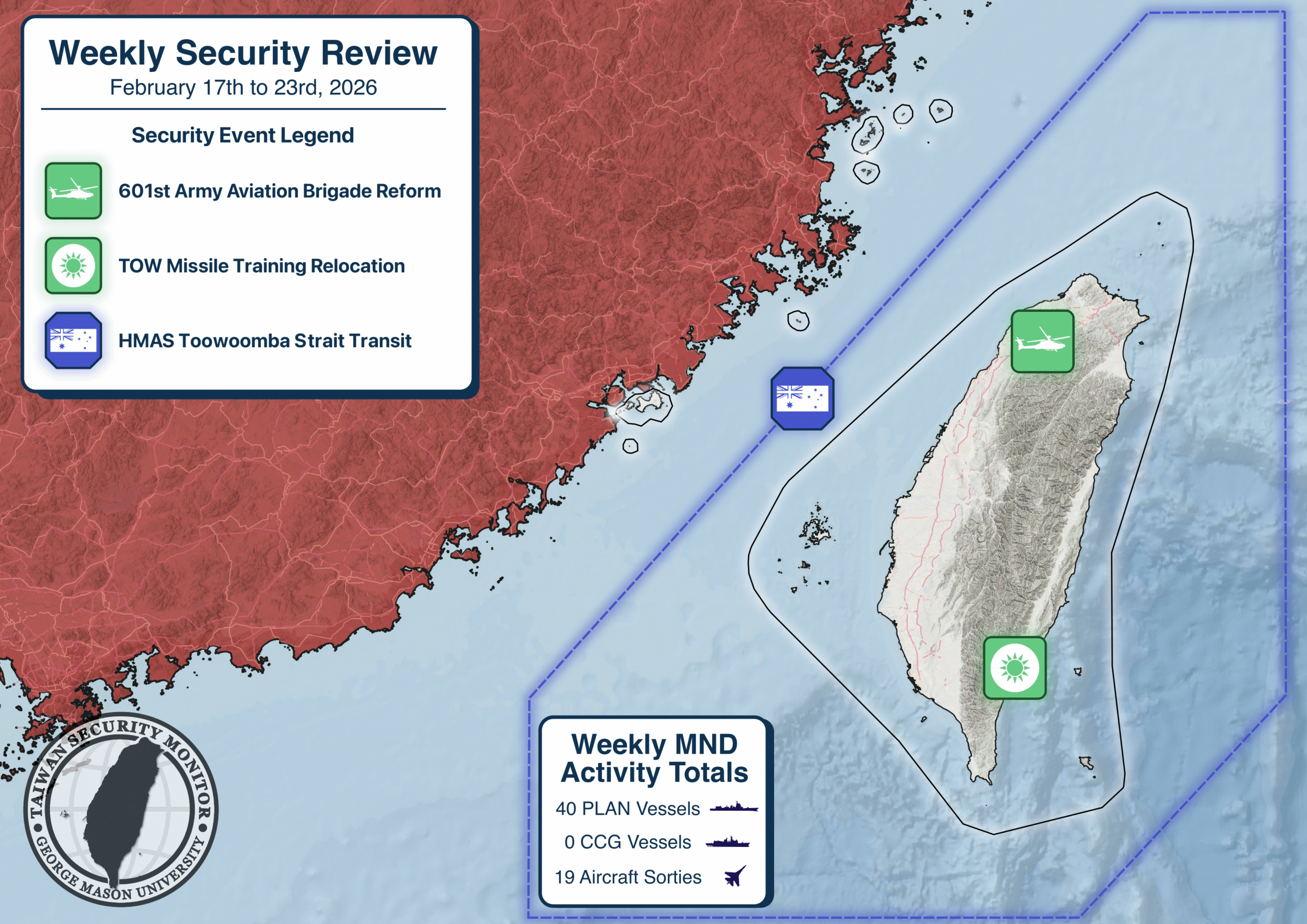
Welcome to the Weekly Security Review, where we highlight key military, security, and political developments around Taiwan in one straightforward summary!
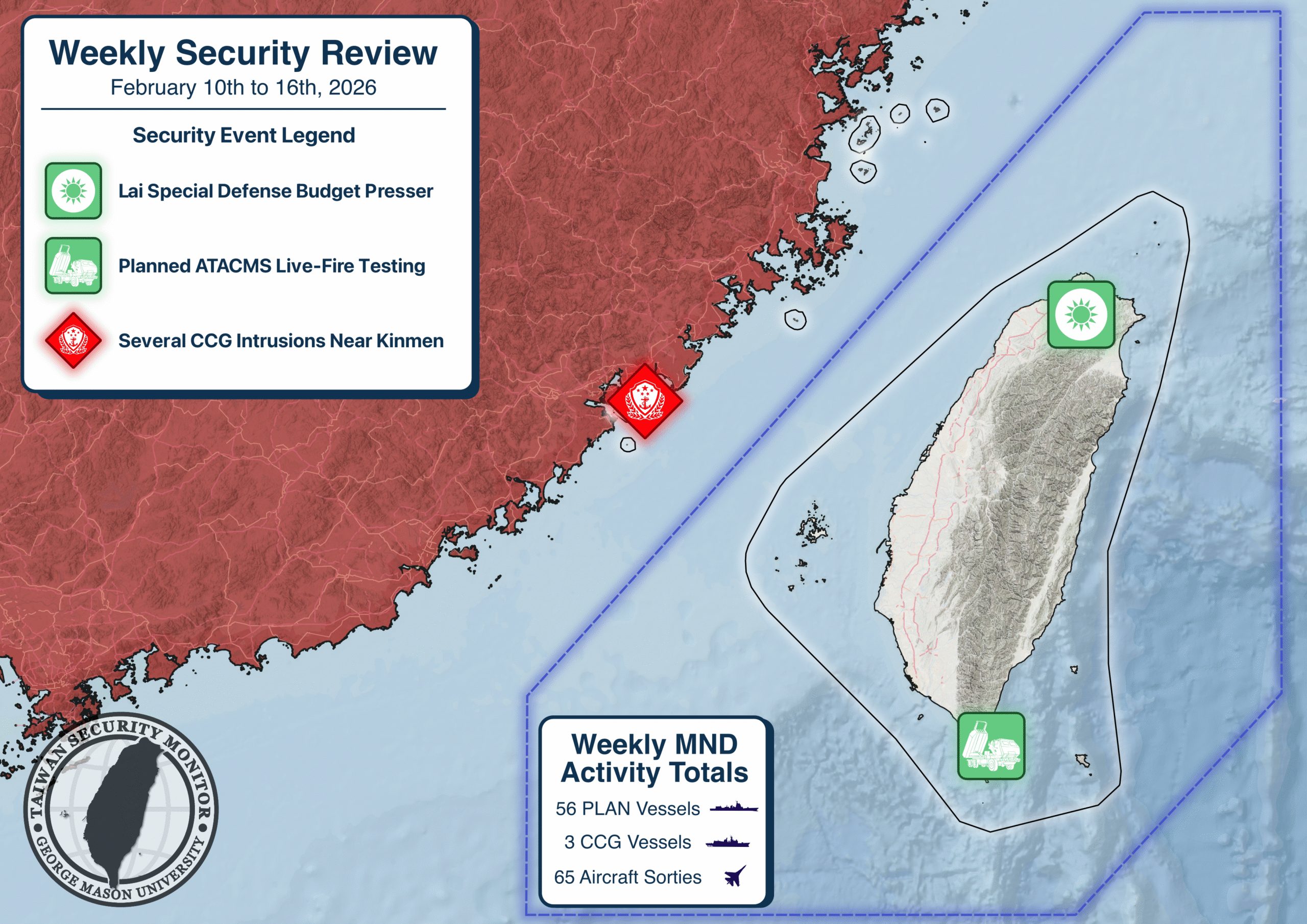
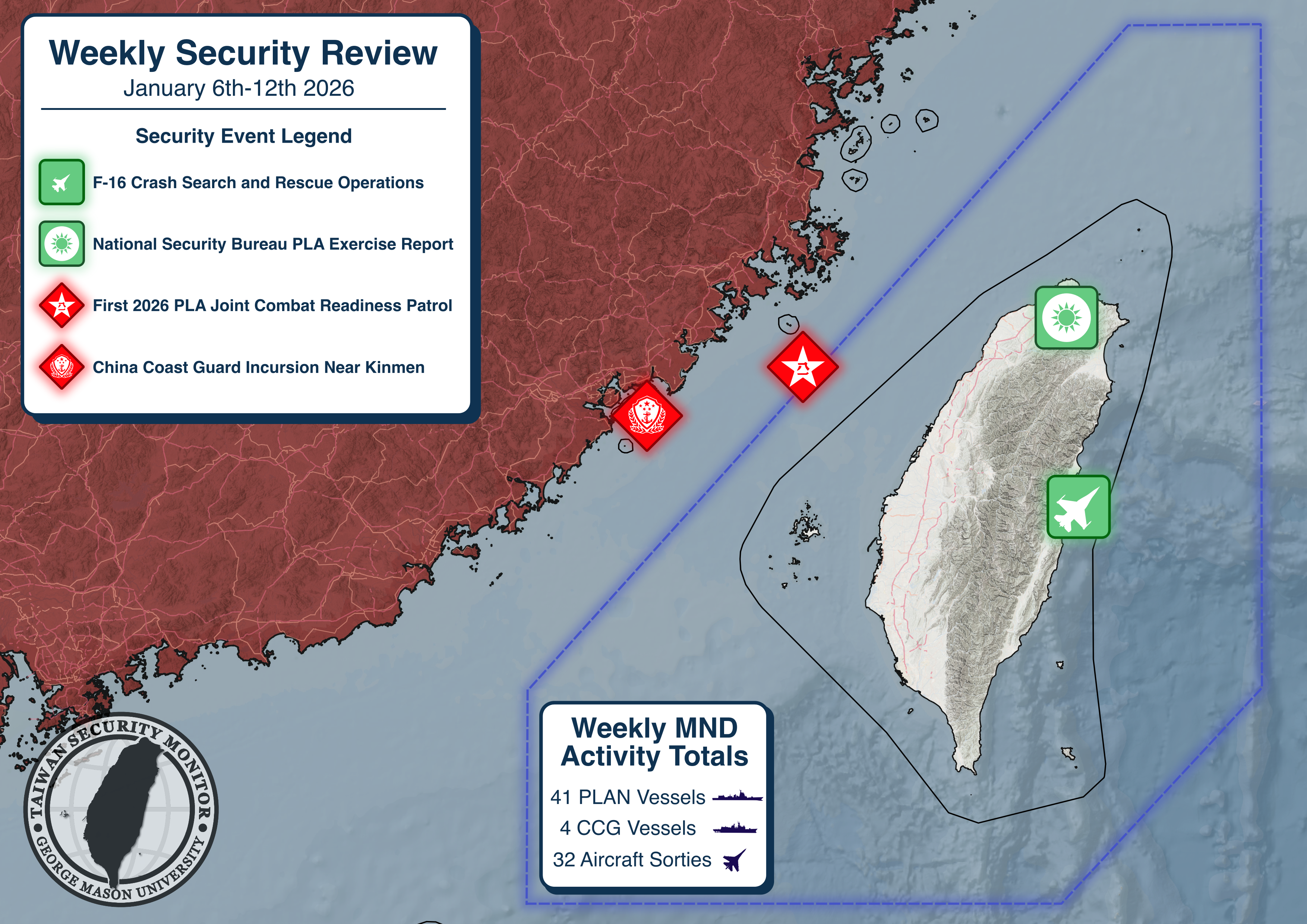
This week, Taiwan’s military reveals a strategic reserve force, missile drills are set to debut in eastern Taitung, an Australian frigate transits the Taiwan Strait, and China conducts a combat patrol in the middle of the Lunar New Year.
601st Army Aviation Revealed as Strategic Reserve Force
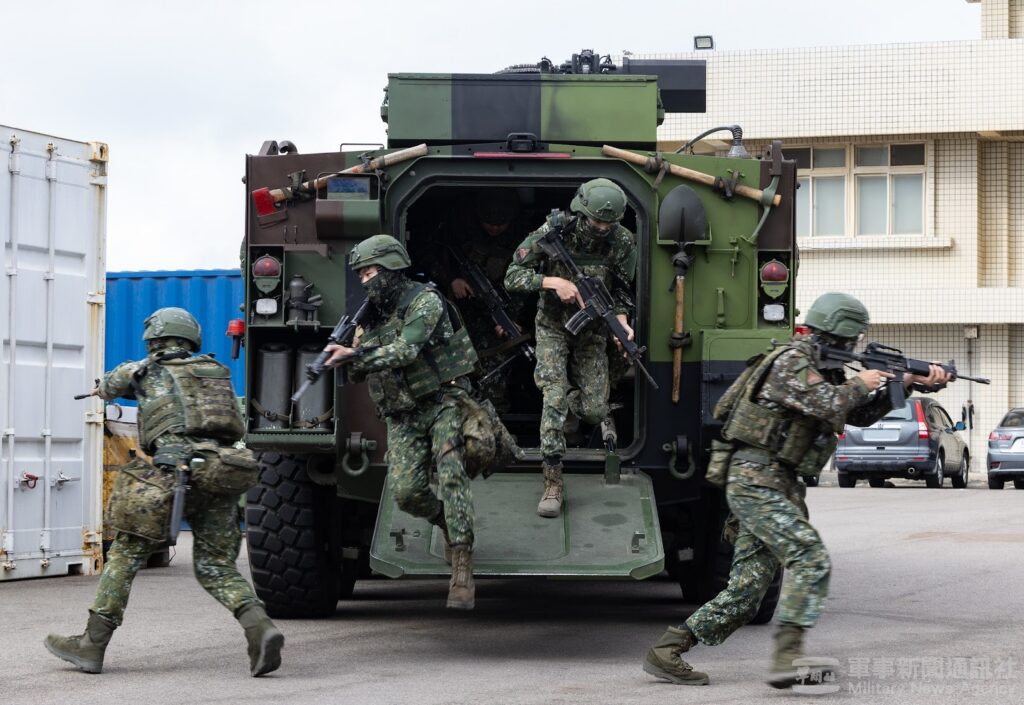
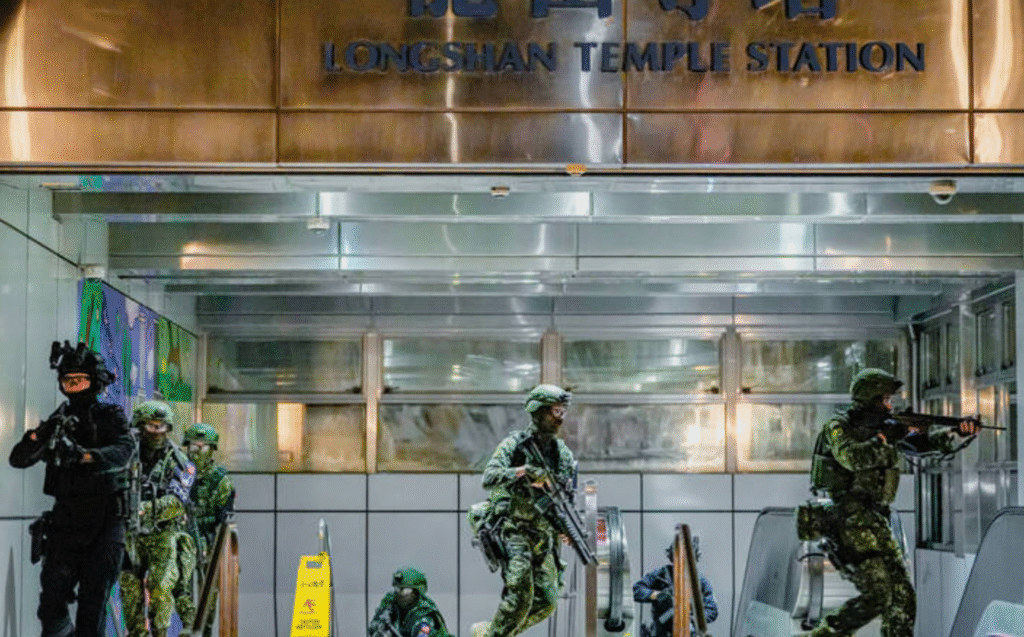
An unnamed military official quoted by the Liberty Times revealed that the 601st Army Aviation Brigade will serve as one of the country’s strategic reserve units during wartime. The comments were made after the Military News Agency posted a video showing the brigade conducting combat readiness training during the Lunar New Year Holiday. The Ministry of National Defense (MND) added that the 601st is a standby rapid response force for Taiwan’s Northern Command. During a conflict, this unit would be tasked with defending key installations in northern Taiwan, conducting counterterrorism operations at government facilities, and supporting disaster relief efforts. The MND says the brigade can quickly respond to enemy decapitation attempts or special operations infiltrations.
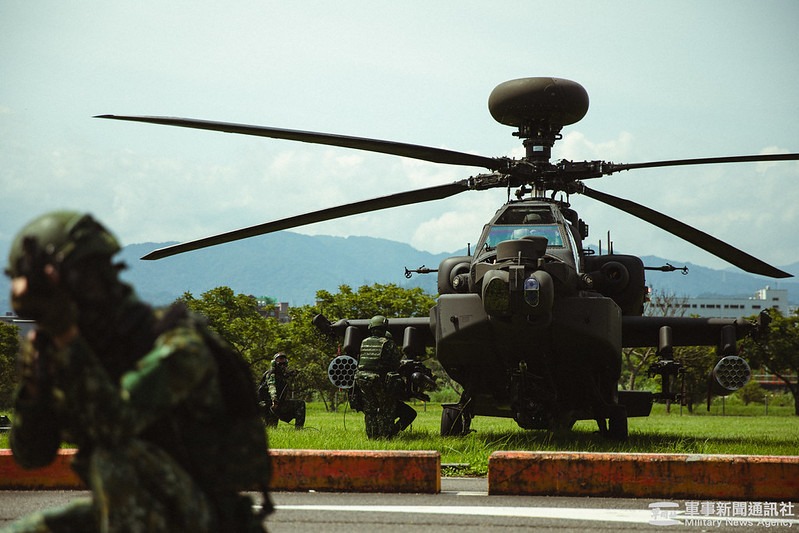
Stationed roughly 30 miles away in Taoyuan City, the 601st centers around a fleet of roughly 30 AH-64E Apache attack helicopters, 15 UH-60M Blackhawk utility helicopters, and 13 OH-58D Kiowa multipurpose helicopters. They support broader operations within Taiwan’s 6th Army Corps, which is responsible for all of northern Taiwan. The MND says the 601st provides the military with precise strike capabilities, high mobility, and a flexible force composition, making it an indispensable air combat asset within Taiwan’s armed forces’ joint operations framework.
The 601st Brigade is not the only strategic reserve force under the MND. Recently, the Marine Corps’ 66th Brigade has also adopted a similar role, taking responsibility for the defense of the capital, Taipei. On top of that, the MND has approved the transfer of the 66th Brigade’s wartime operational command from the 6th Army Corps to the General Staff Headquarters. In theory, this command transfer should improve efficiency and shorten the command chain in providing orders to soldiers on the ground. It also means that during wartime, the brigade is not bound by the command of any single combat zone (North, Central, Southern, etc.) and can support various frontlines across Taiwan.
Military to Debut Sky Horse TOW Missile Drills in Eastern Taitung
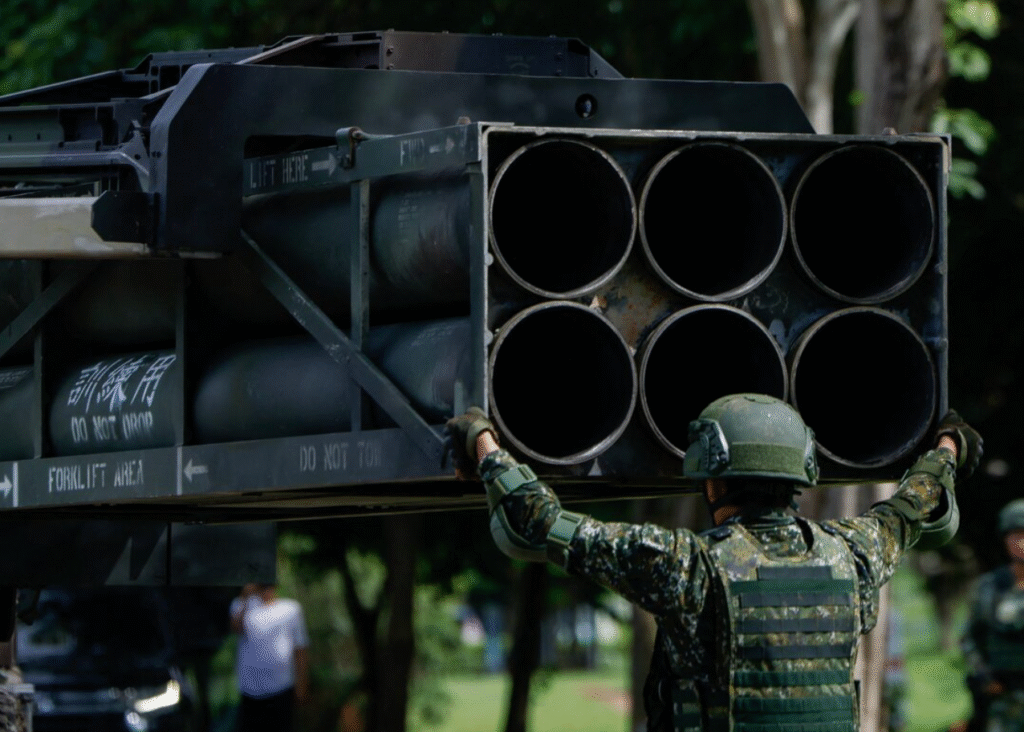
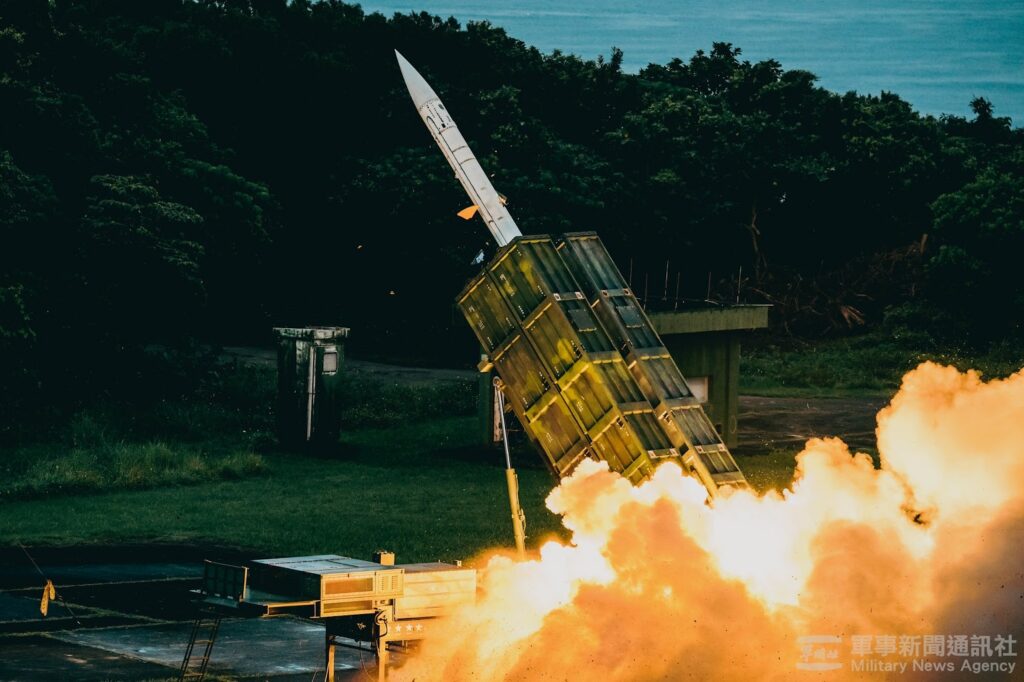
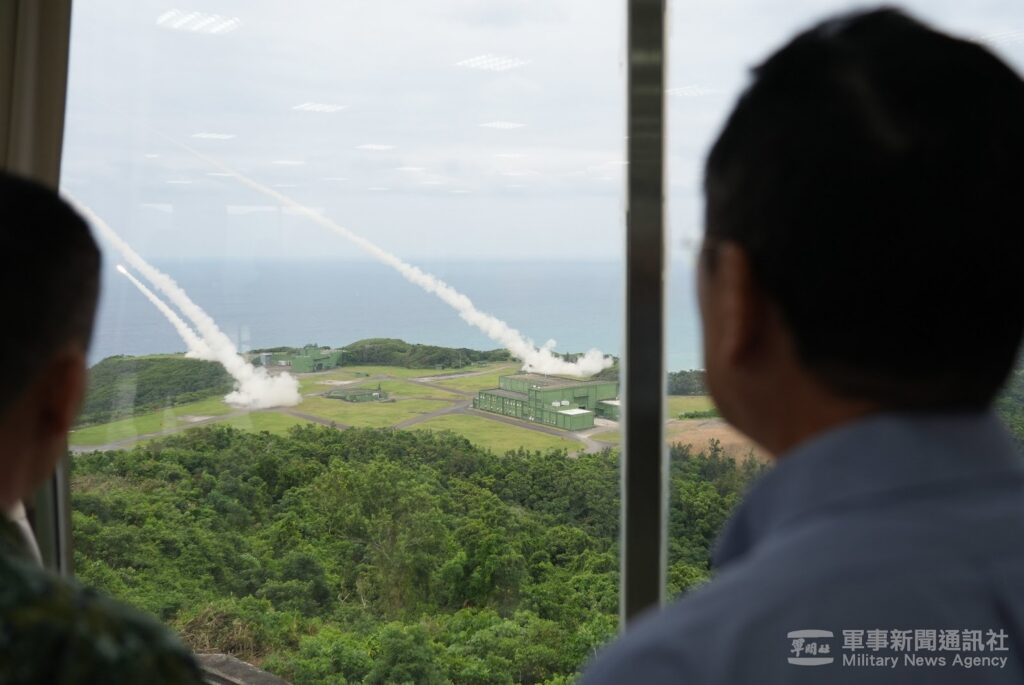
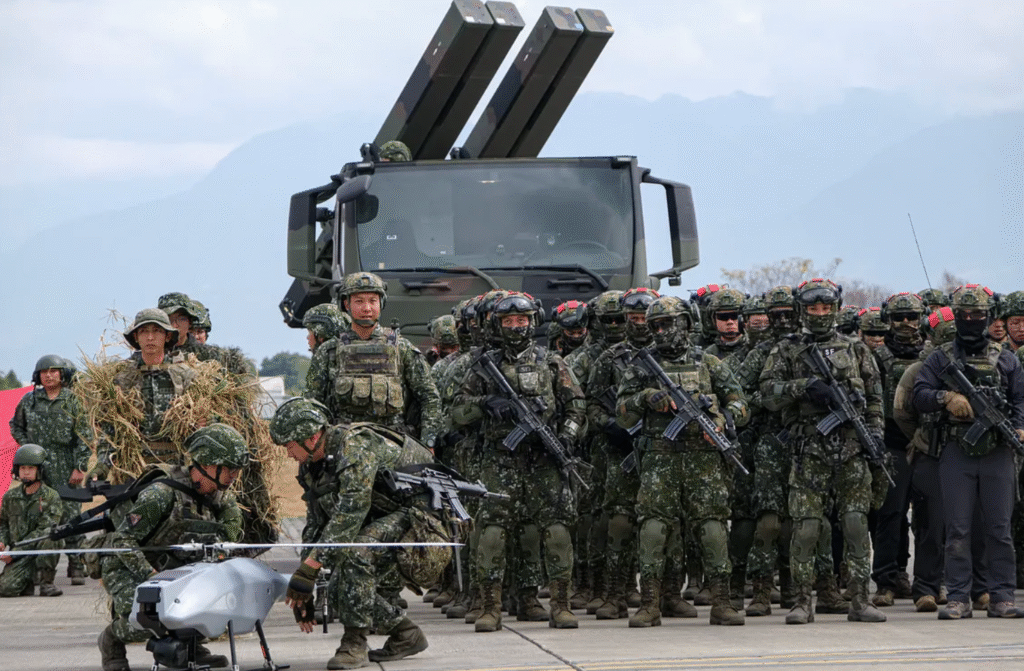
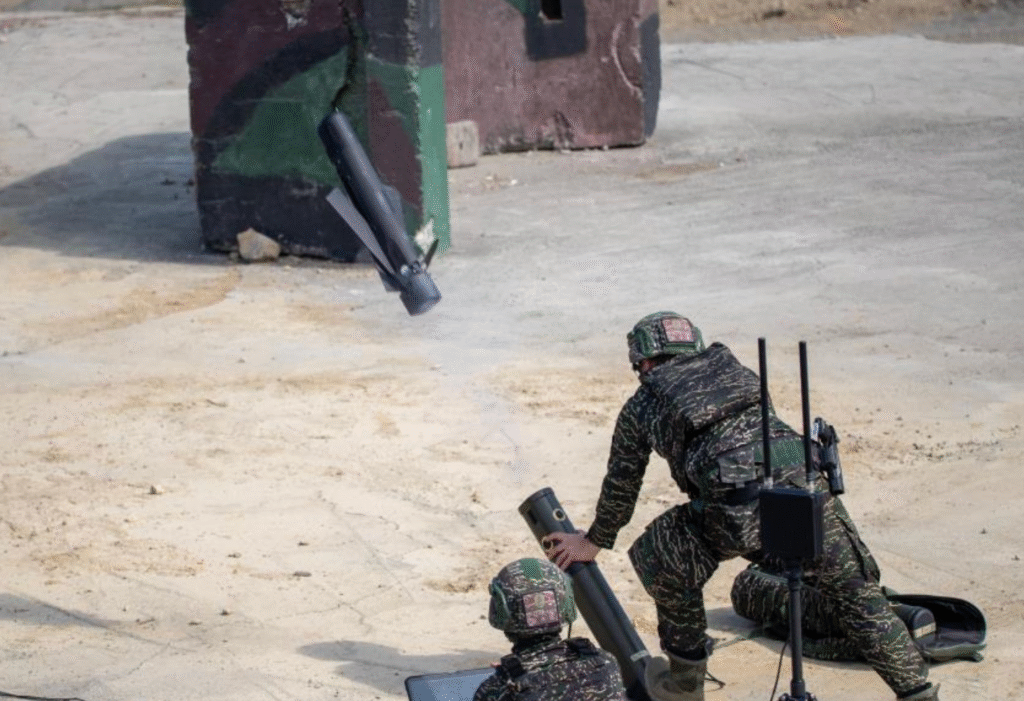
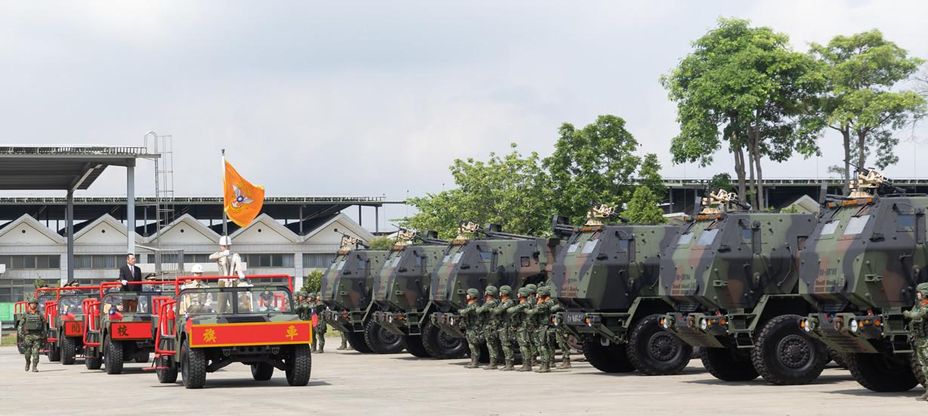
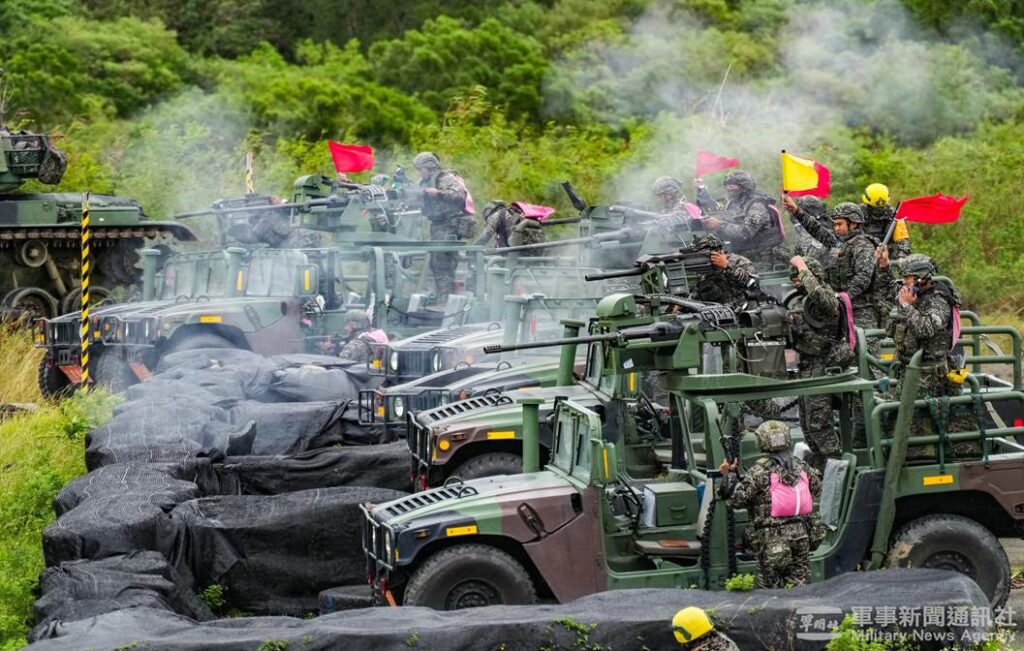
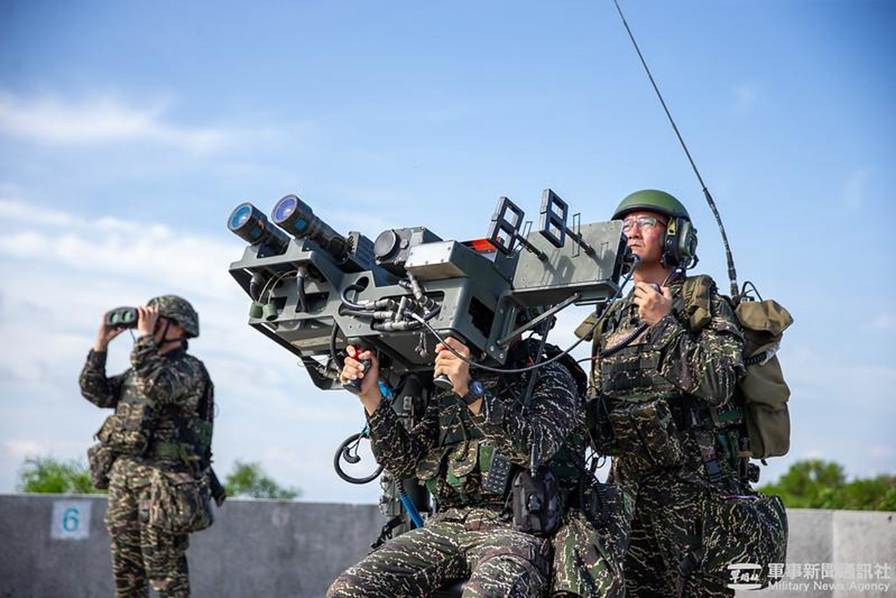
Sources within Taiwan’s army say they will hold live-fire shooting drills along the east coast of Taitung in March, the first time in three decades. The annual drills, known as the “Sky Horse” exercise (天馬操演), will focus on using anti-armor missiles and heavy artillery to strike targets at sea. Sources quoted by the Taipei Times say this year, “[t]he scenario simulates Chinese forces breaking through Taiwan’s sea and air defenses, with amphibious fleets preparing to land along the east coast.” The report goes on to describe that “[g]round forces would then employ heavy firepower in coastal interception operations to block an assault on eastern Taiwan.”
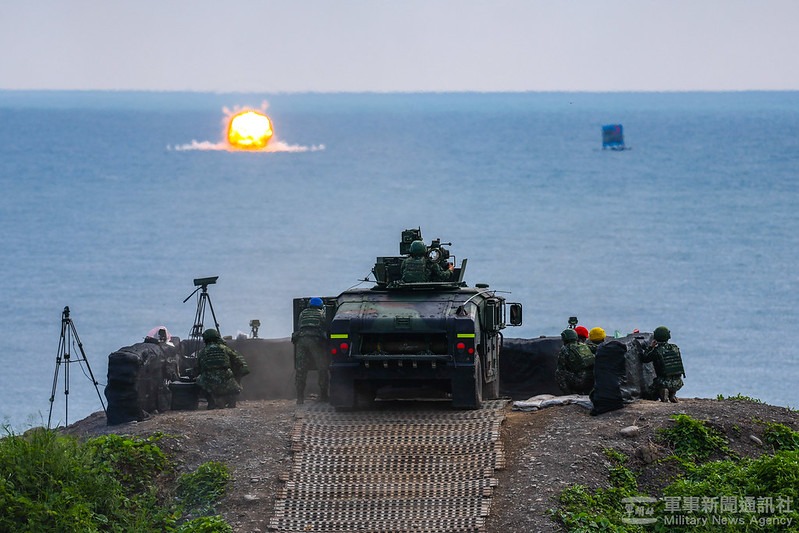
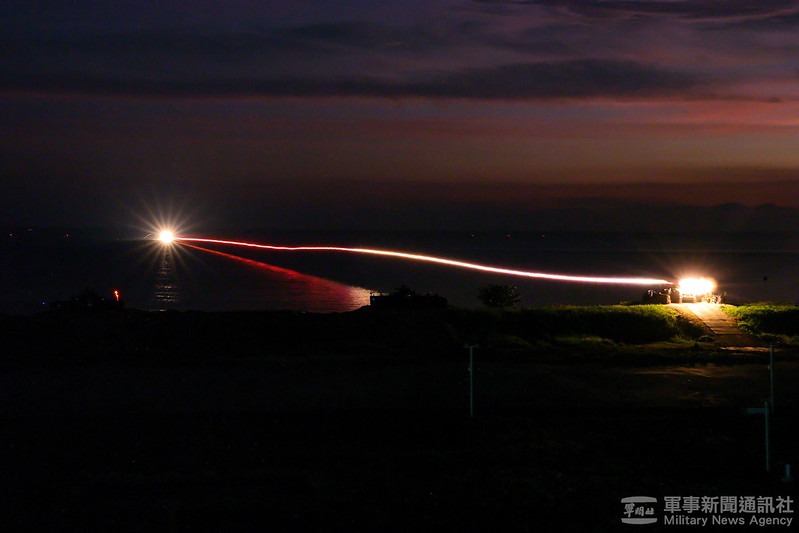
This drill usually takes place in the spring and summer and features dozens of Humvees equipped with TOW missiles parked on the shoreline as soldiers conduct several rounds of target practice on the west coast of southern Taiwan, but that changed last year. In August 2025, the military conducted similar live-fire drills for the first time in central Taiwan along Taichung’s Dajia River, with the MND focusing on realism and location-specific training. The shift to eastern Taiwan is apparently also part of this effort. The main focus of this year’s exercise would be to test new TOW-2B Radio Frequency systems, 1,700 of which were recently acquired from the U.S., and so the MND is eager to implement these weapon systems into their training structure.
It’s also important to add that this drill is quite a spectacle and draws a fair bit of pressure as dozens of media with cameras are broadcasting the shooting drill live, so every shot is scrutinized quite heavily. Last year, an early round of training saw 10 successful hits out of 17 shots, prompting a massive debate online about the effectiveness of Taiwan’s training. However, the military later explained that four of the missiles were defective and that later rounds showed a higher hit rate.
Australian Navy Ship Transits Through Taiwan Strait
An Australian Anzac-class frigate, HMAS Toowoomba (FFH 156), conducted a routine transit of the Taiwan Strait, according to a government source. In a report from Reuters, government officials from Australia said the transit was part of a “Regional Presence Deployment in the Indo-Pacific region,” and that “all interactions with foreign ships and aircraft were safe and professional.” According to a Liberty Times report, Toowoomba‘s embarked MH-60 Seahawk helicopter was warned by Taiwanese authorities after crossing the Strait’s median line.
In response, Chinese state media claimed that the PLA tracked, monitored, and shadowed the Australian vessel throughout its transit. Taiwan’s Ministry of National Defense, not confirming that the transit occurred, stated that it would not proactively disclose the movements of aircraft or ships from friendly partner countries. While U.S. Taiwan Strait transits are relatively routine, other countries, including the United Kingdom, France, and New Zealand, have increasingly conducted similar operations. For a full list of Taiwan Strait transits, see our Taiwan Strait Transit Tracker.
Lunar New Year Activity
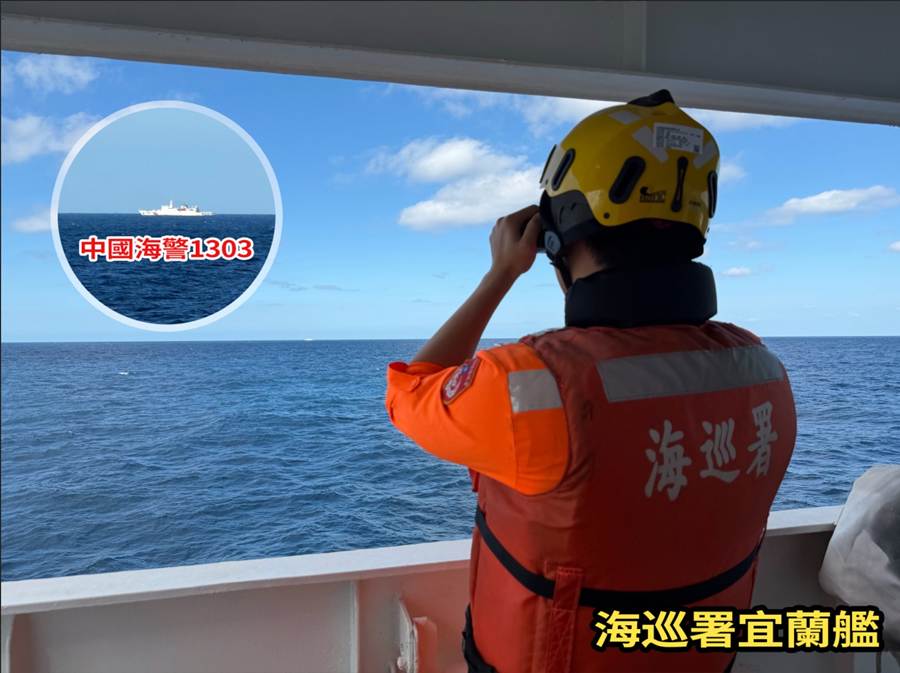
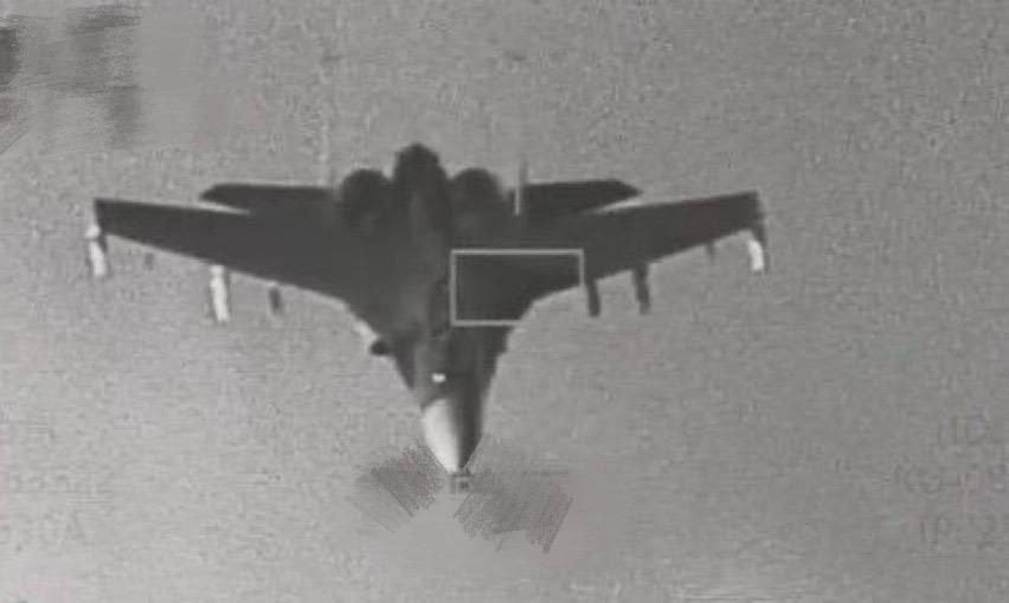
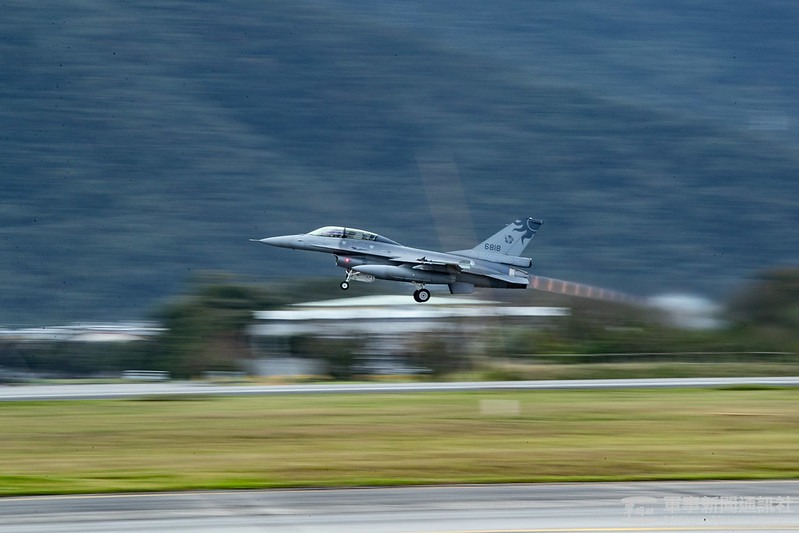
Taiwan’s MND reported that it had detected 14 People’s Liberation Army Air Force (PLAAF) aircraft operating in the region as part of a Joint Combat Readiness Patrol on 19 February. 10 of those aircraft crossed the Taiwanese side of the median line and/or Air Defense Identification Zone (ADIZ). Among the group, the MND identified a mix of J-10, J-11, and J-16 fighter jets as well as KJ-500 early warning aircraft coordinating with PLA naval vessels. The MND says that regardless of the PLA using the pretext of a “joint combat readiness patrol,” the operation still harasses the air and seas around Taiwan. In response, Taiwan’s military employed joint intelligence, surveillance, and reconnaissance measures to maintain situational awareness and dispatched aircraft, naval vessels, and missile systems.
The patrol came on the 3rd day of the Lunar New Year holiday, and there was no reported PLA activity on the first two days. For comprehensive data regarding PLA activity around Taiwan, check out the PLA Activity Center on our website.